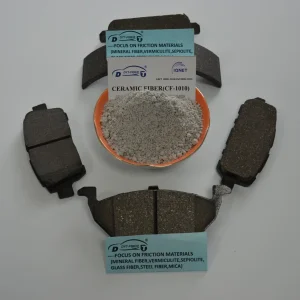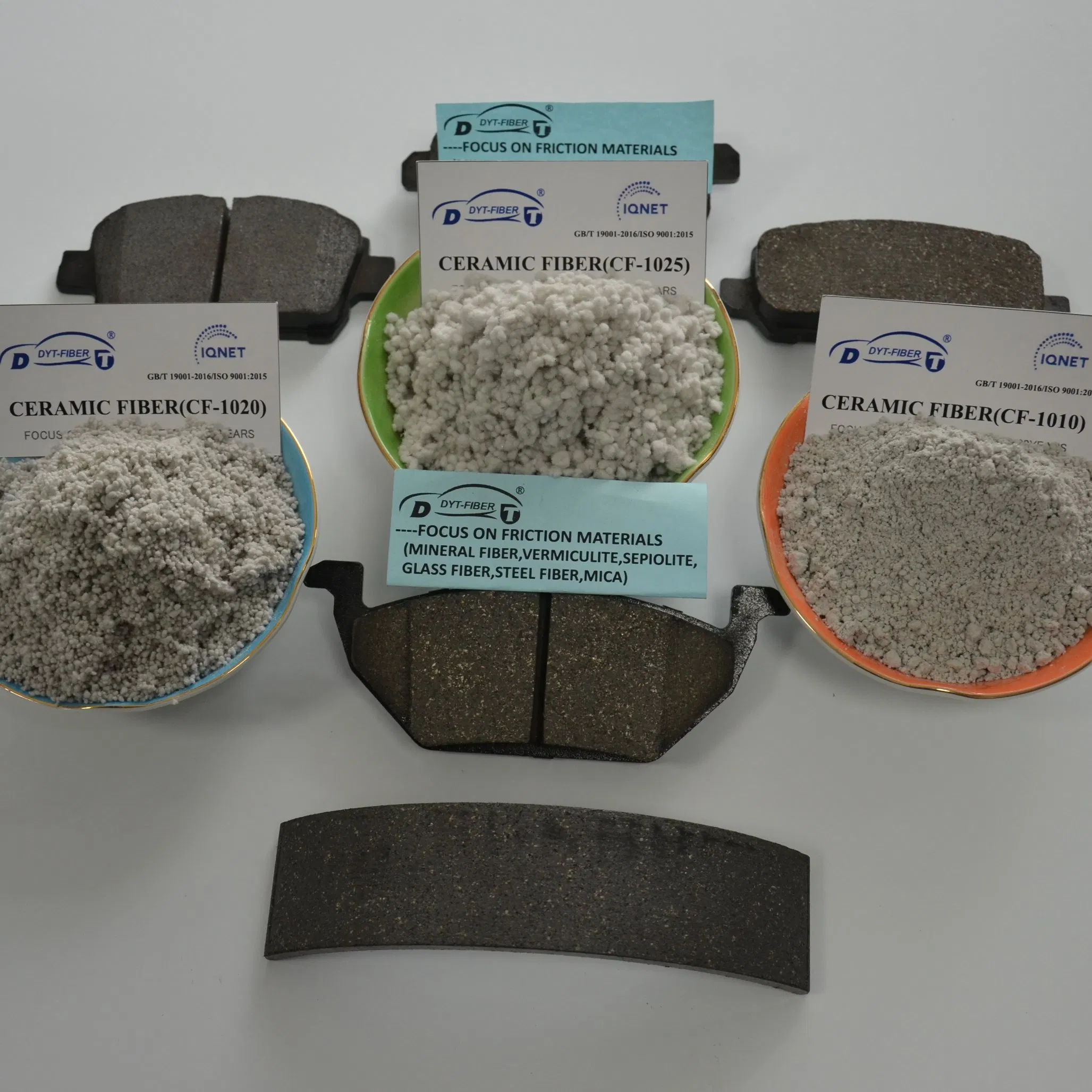
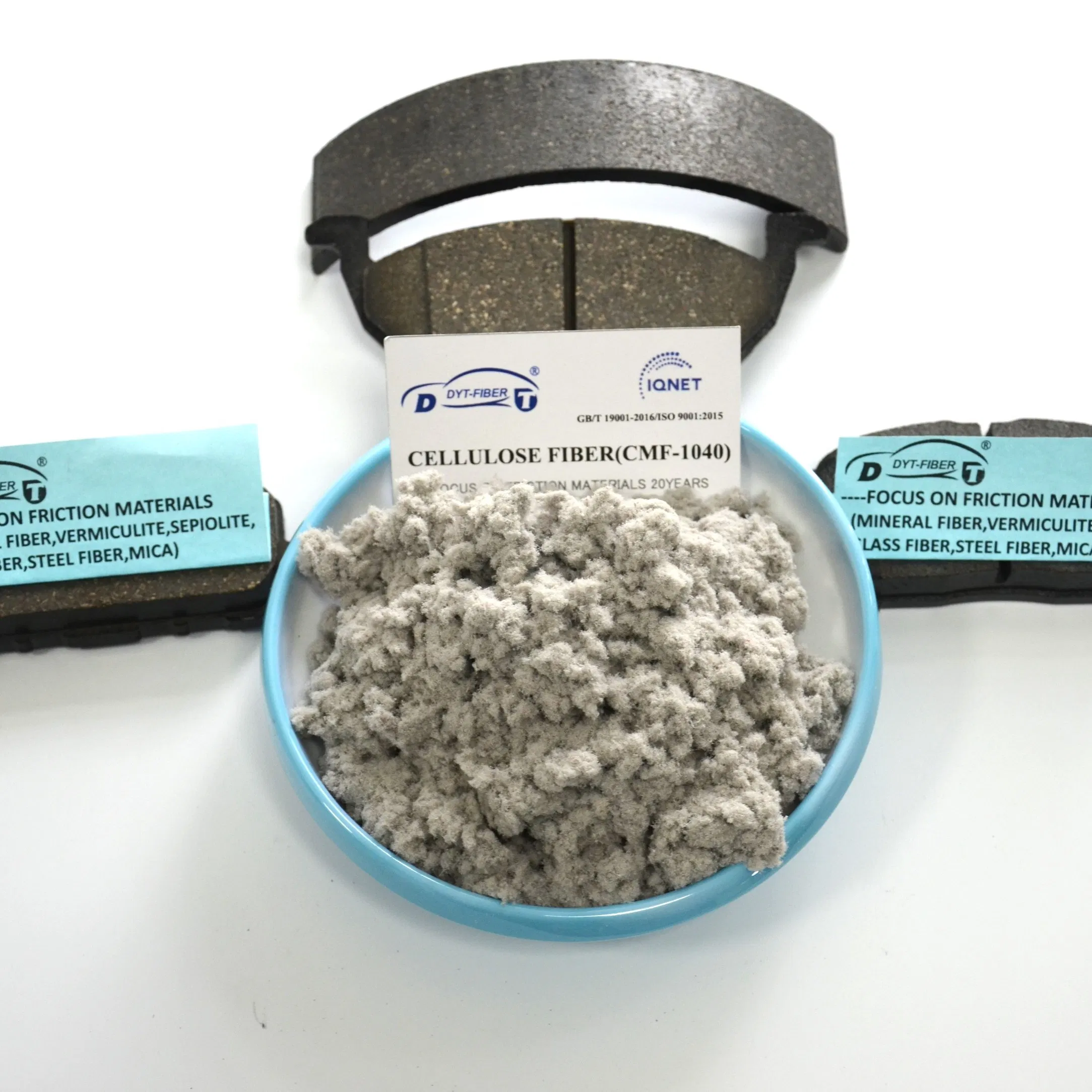
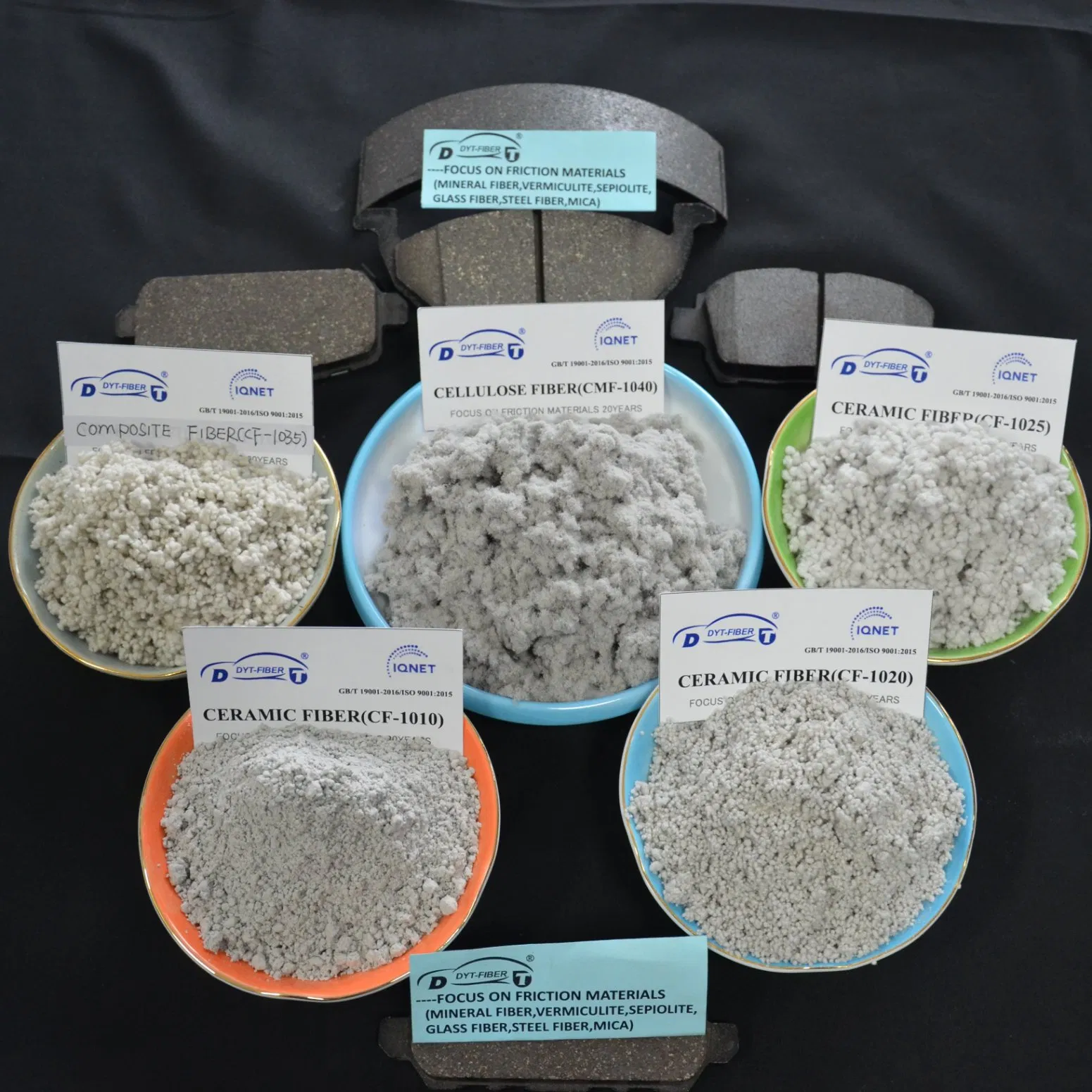
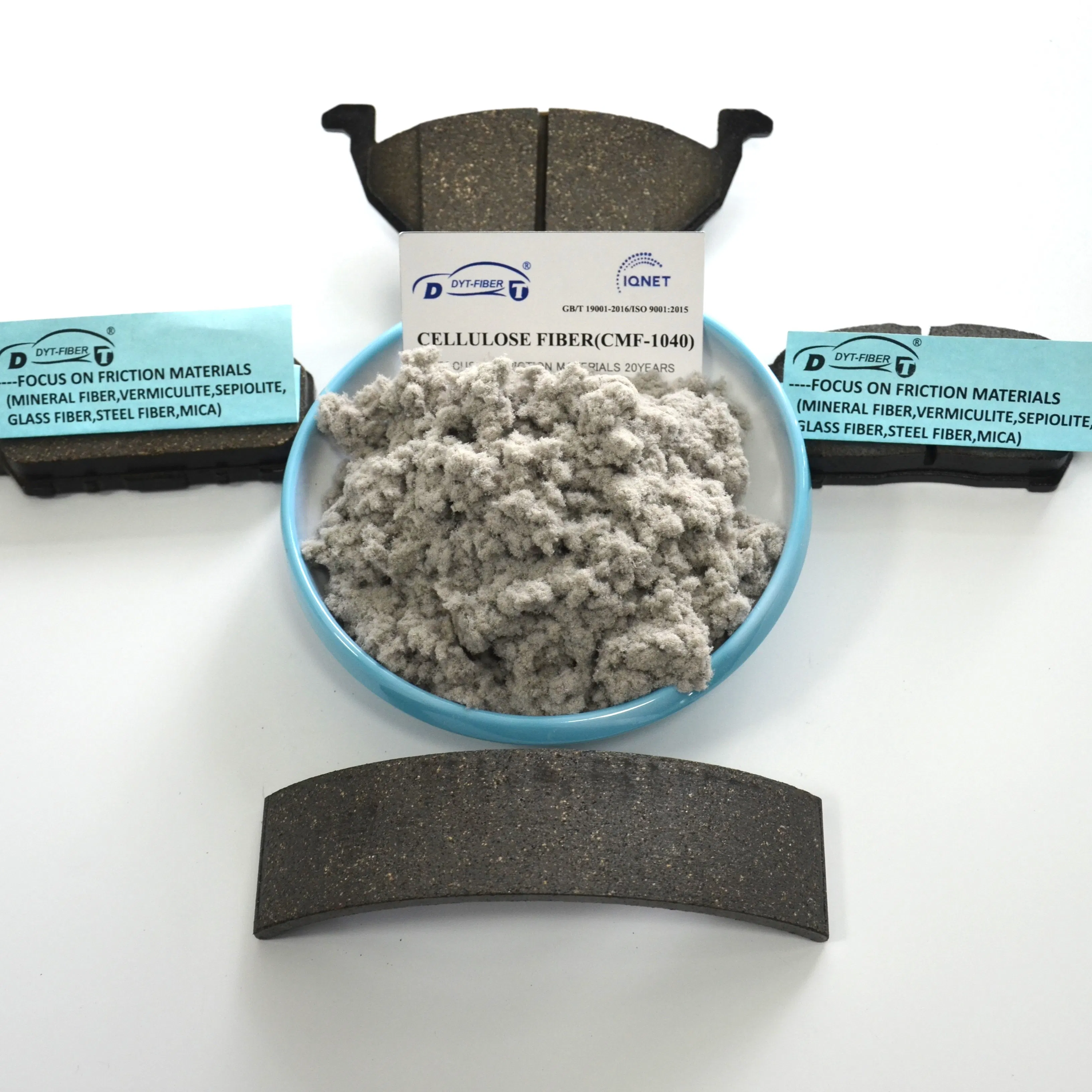
Professional Production Friction Materials of Cellulose Fiber for Manufacturing Brake Pads

Still deciding? Get samples of $ !
Order Sample

Product Description

📊

Basic Specification

Model NO.
CMF-1040
Production Method
Melting Method
Temperature
≤1000℃
Type
Alumina Silicate Fiber
Average Fiber Length
0.15--2.5mm
Average Fiber Diameter
4-9um
Color
White or Greyish White
Softening Point
>1750℃
pH Value
7
Shot Content (>120mesh)
<20
Specific Gravity
0.25-0.45G/M3
Fiber Moisture
<0.1
HS Code
680690000
Production Capacity
2000
📦

Packaging & Delivery

Package Size
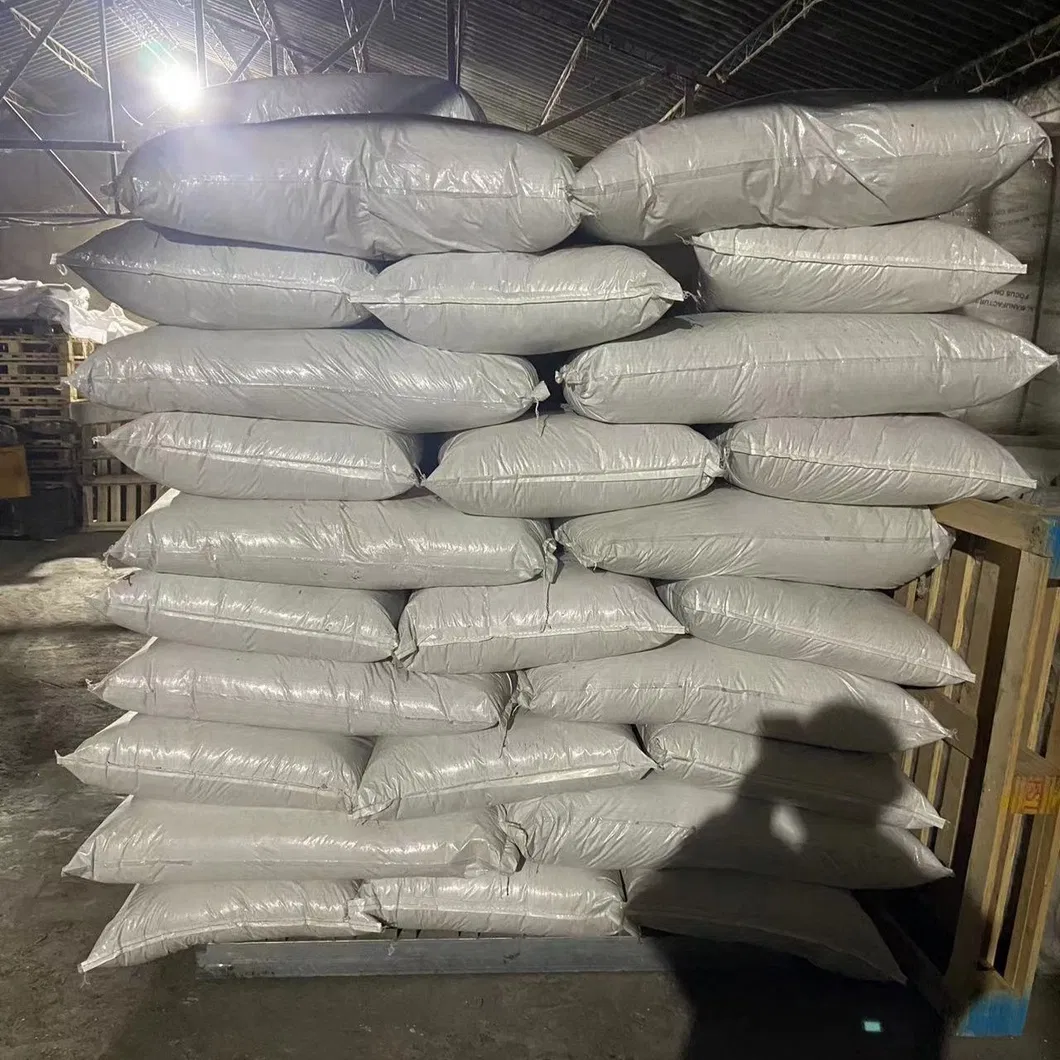
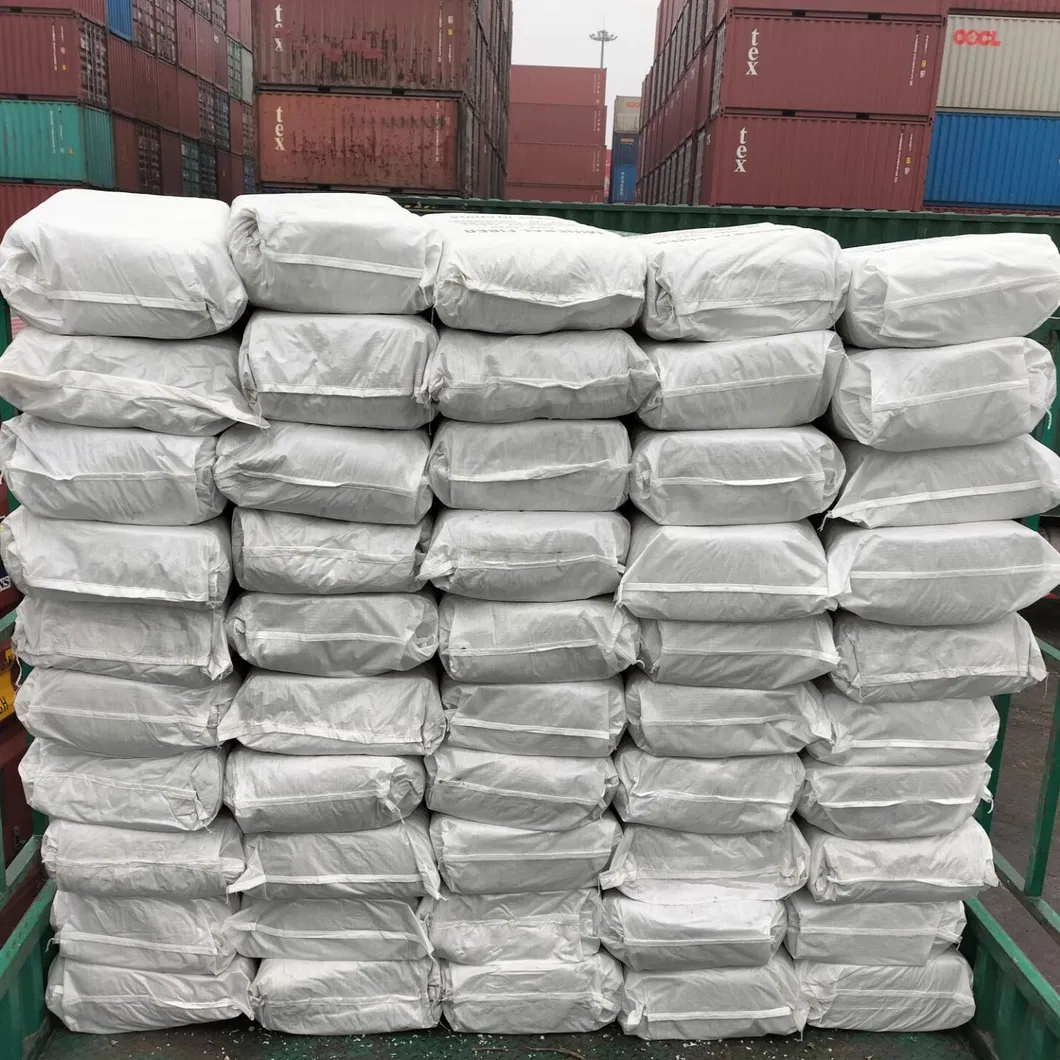
85.00cm * 55.00cm * 20.00cm
Package Gross Weight
25.000kg
Transport Package
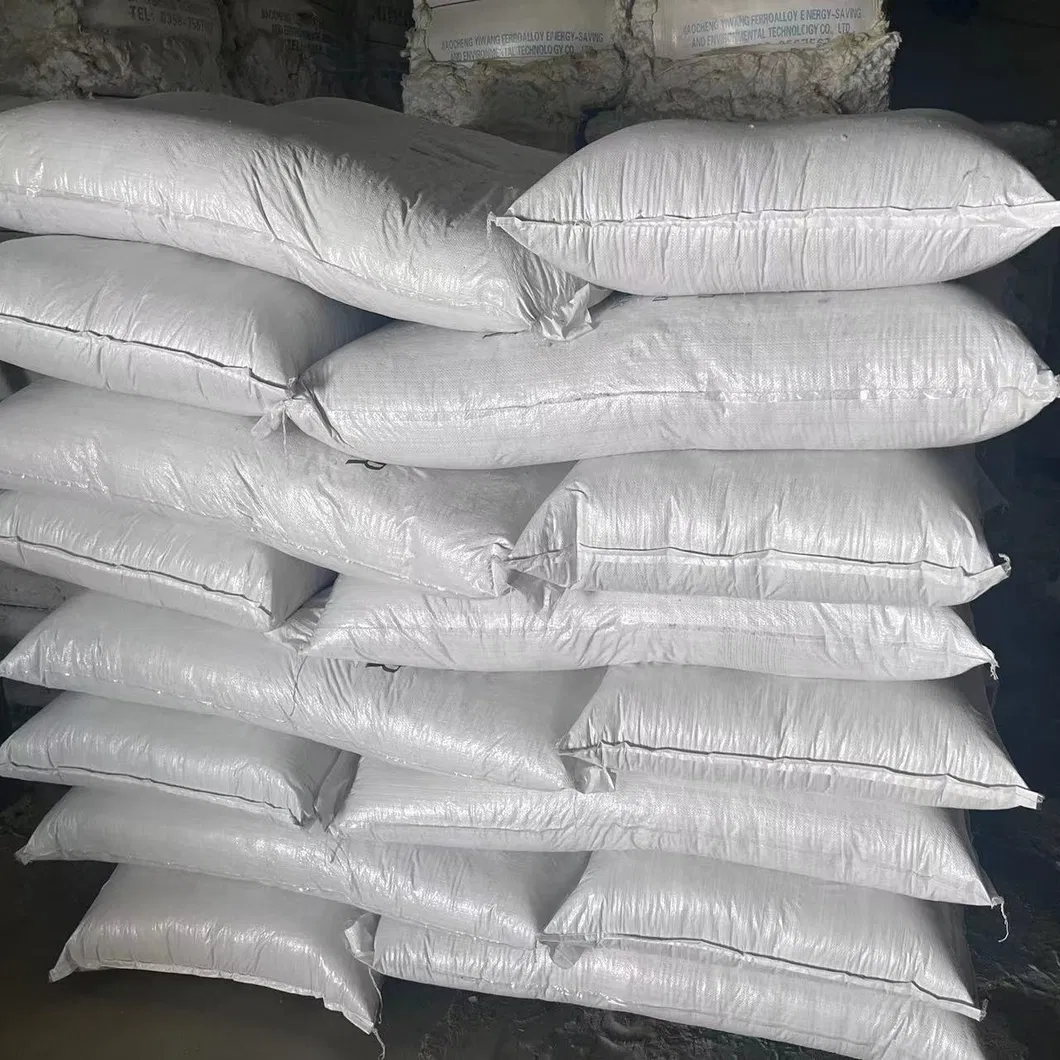
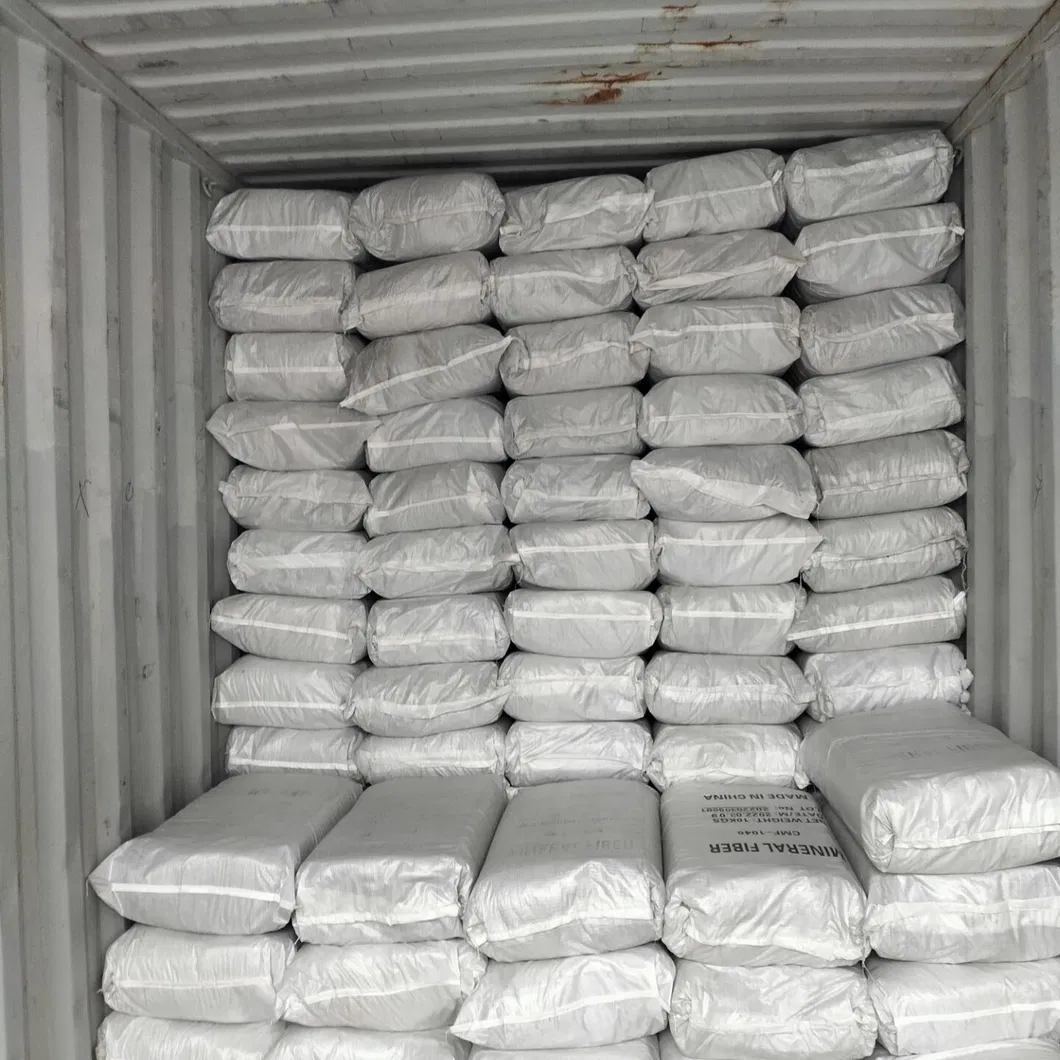
PP and Paper Bags on Pallets
📝

Product Description

Friction Materials
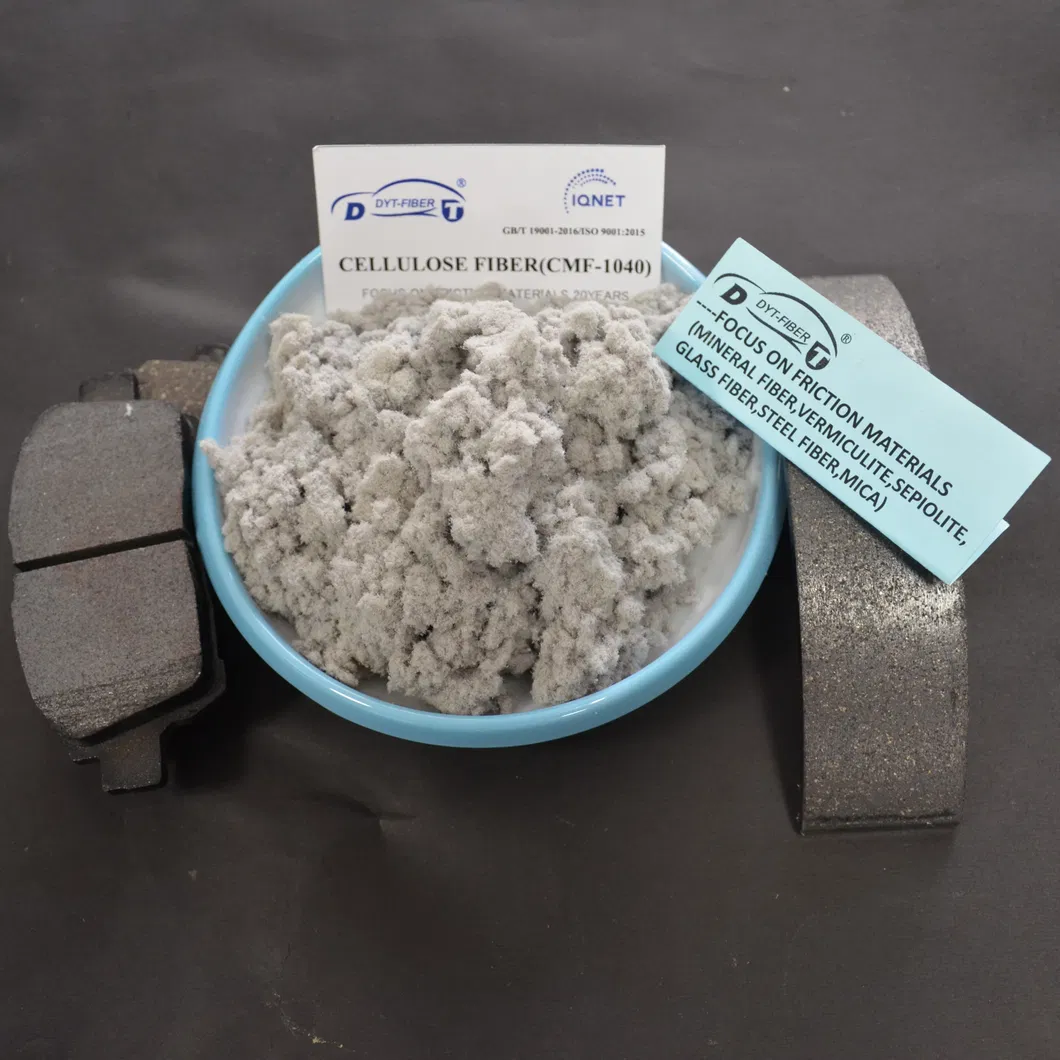
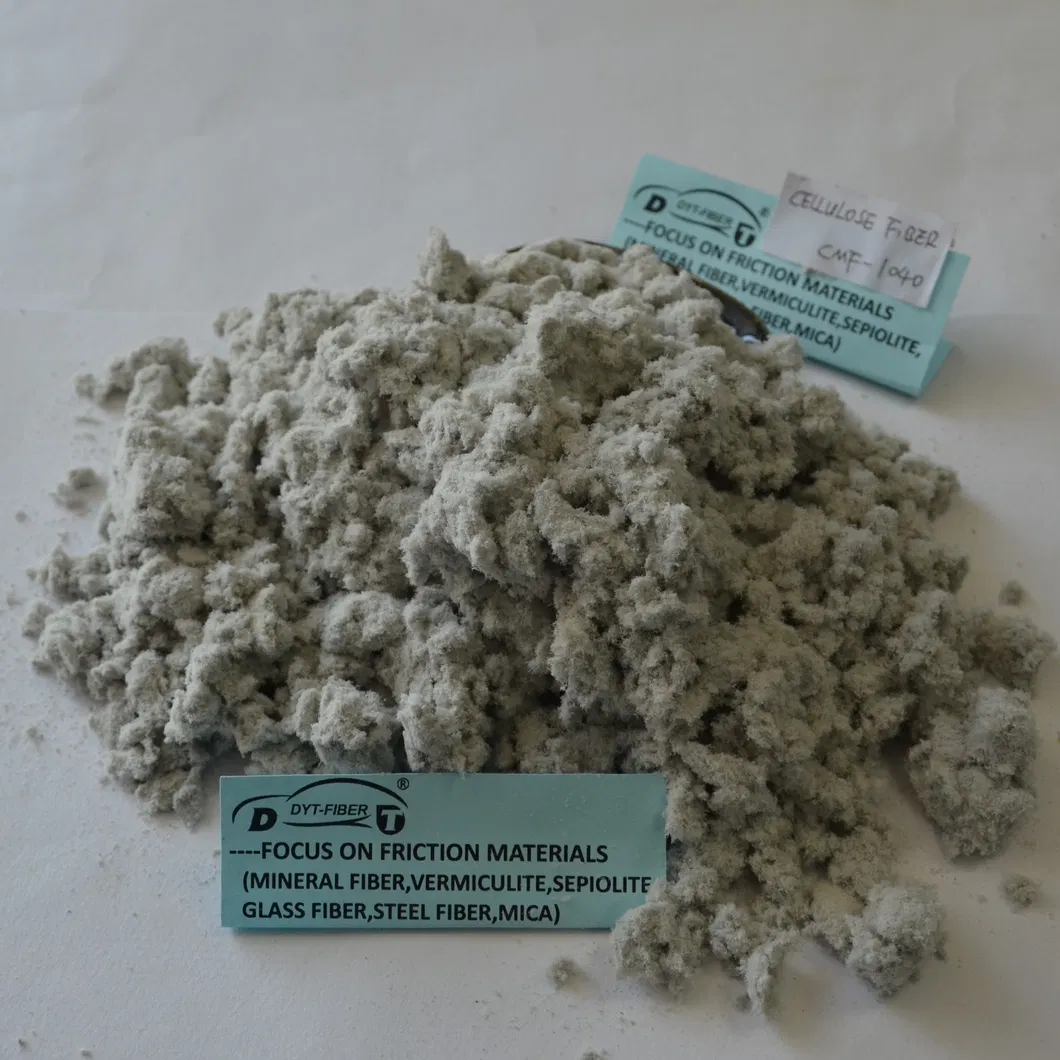
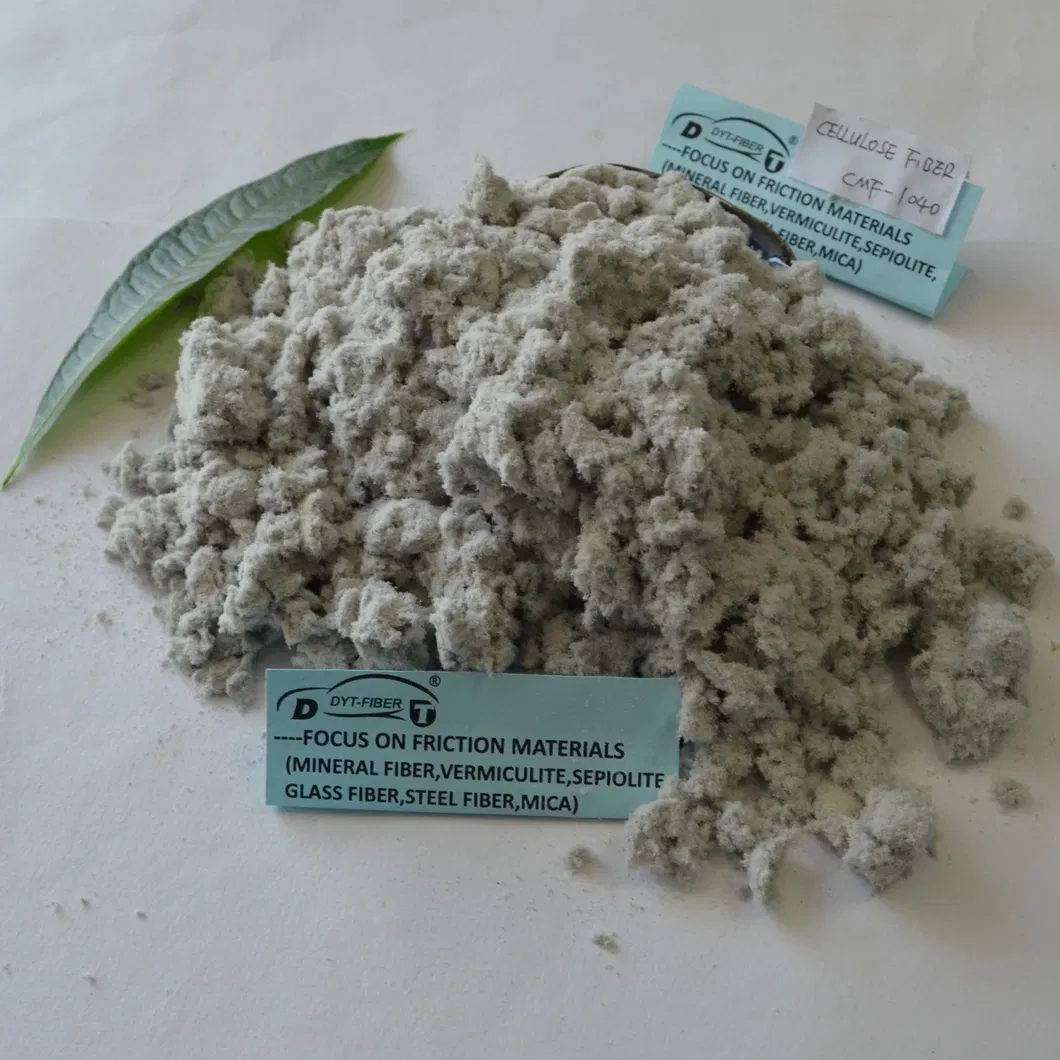
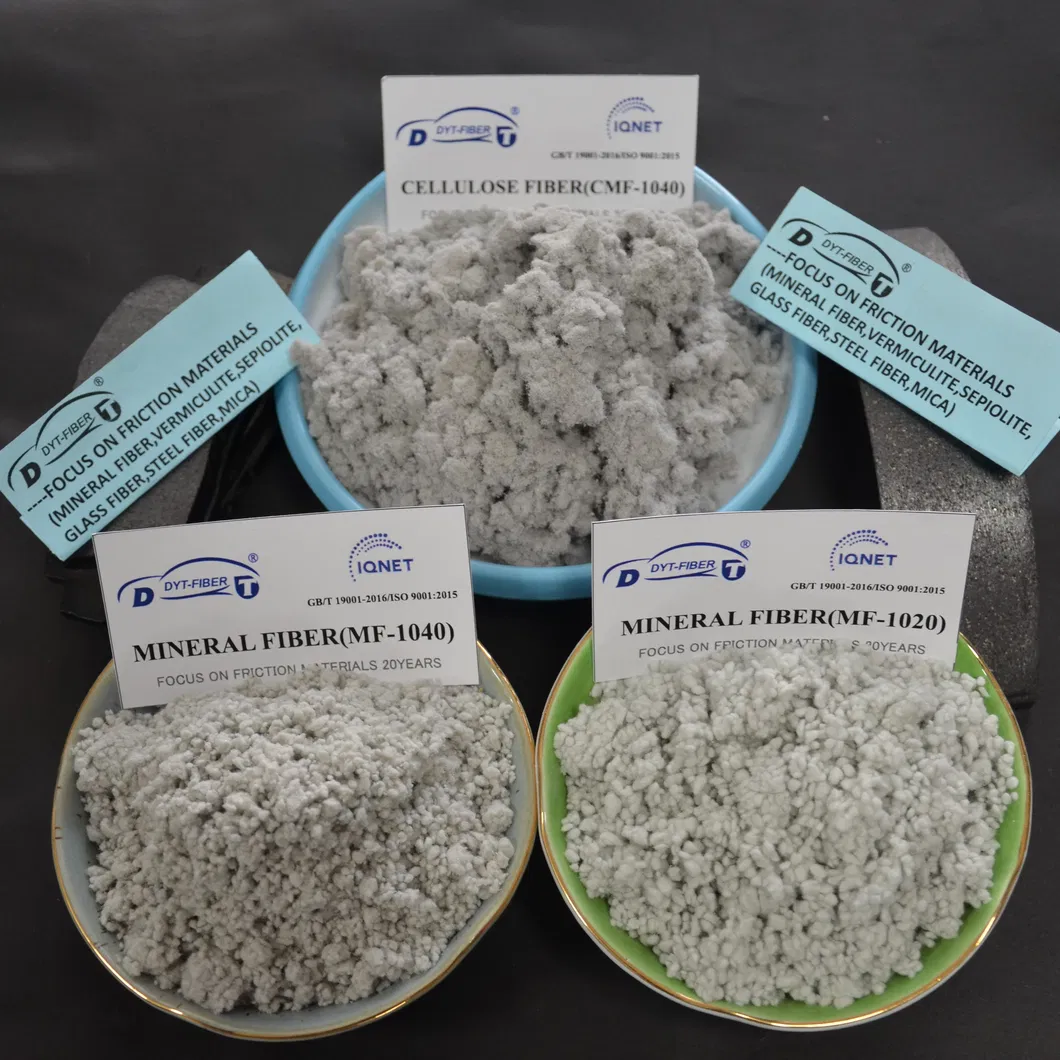
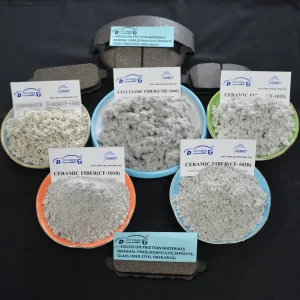
Cellulose Fiber
Manufacturing Details
Cellulose Fiber Overview

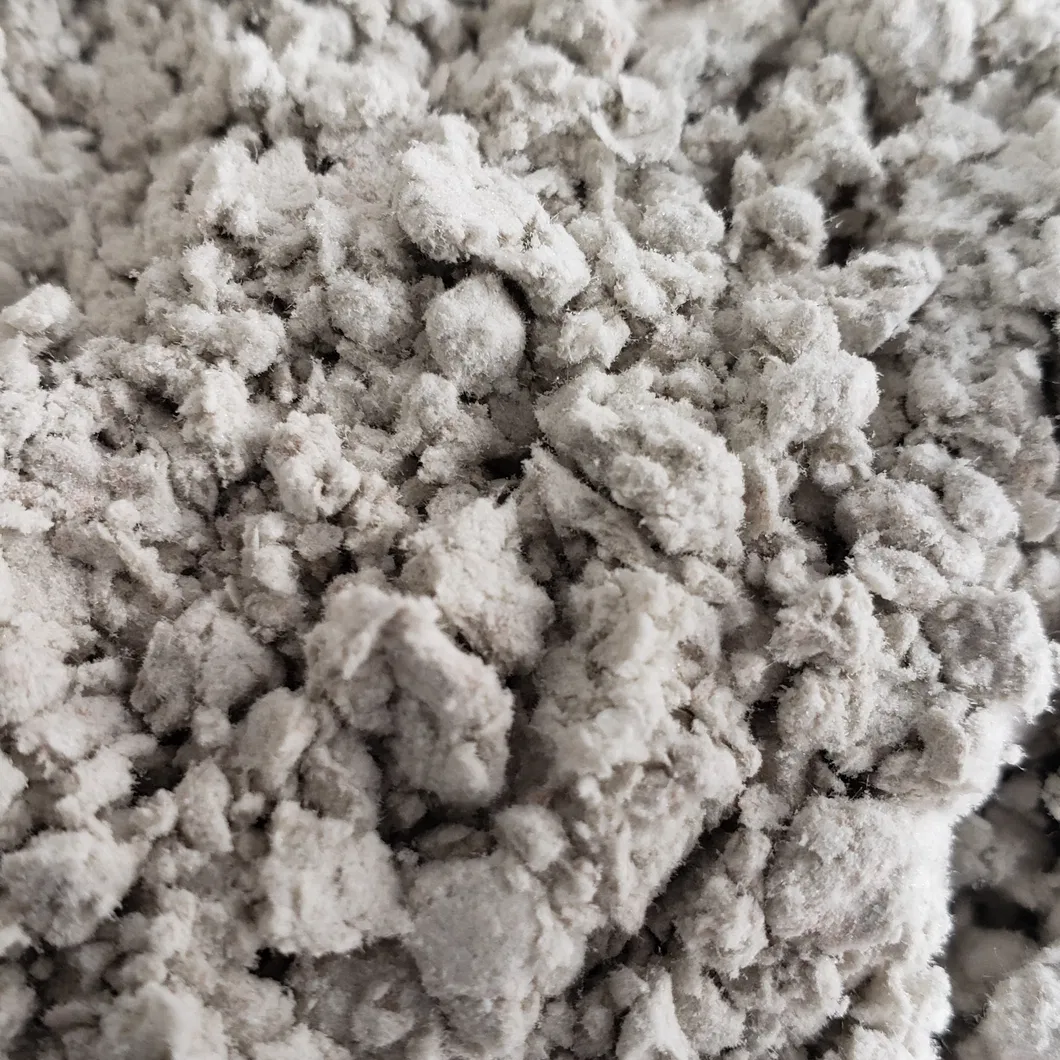
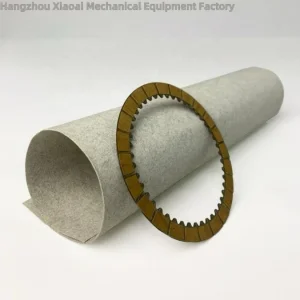
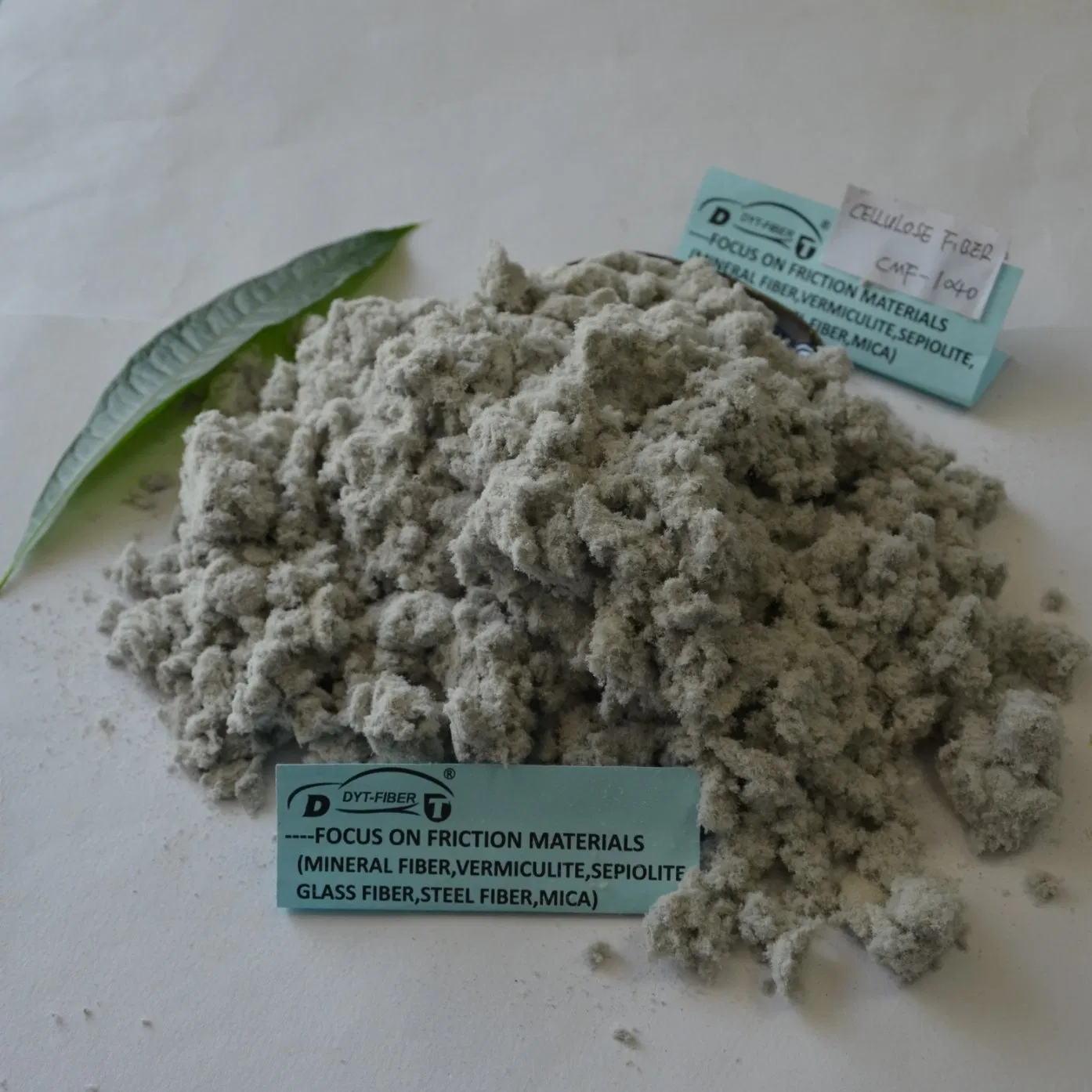
Made from high-quality crushed newsprint, this fiber offers a moderate price point with zero environmental pollution. It serves as a superior asbestos substitute, ideal for non-asbestos friction materials, particularly for ceramic fiber and mineral fiber reinforced applications.

  • Main components: Natural Cellulose
  • Characteristics: Easily dispersed, requires no pre-open-processing, provides excellent cold-enhancing effects and high intensity.
  • Application: Significantly improves the intensity of brake linings.
  • Recommended Dosage: Brake drum: 5-20%, Brake disc: 3-10%
ProjectIndicators
AppearanceGray White
Specific Gravity1.4g/cm³
Loose Density600-800 cm³/100g
Fiber length0.65-1.8mm
Surface density (compression)0.16-0.19g/cm³
105ºC Volatiles<10.9%
800ºC Calcination<0.9%
Fiber diameter3-12μm
pH5.1
Main ingredientsH 7%, C 41%, O 52%
Fiber Processing
Quality Control
Friction Material Testing
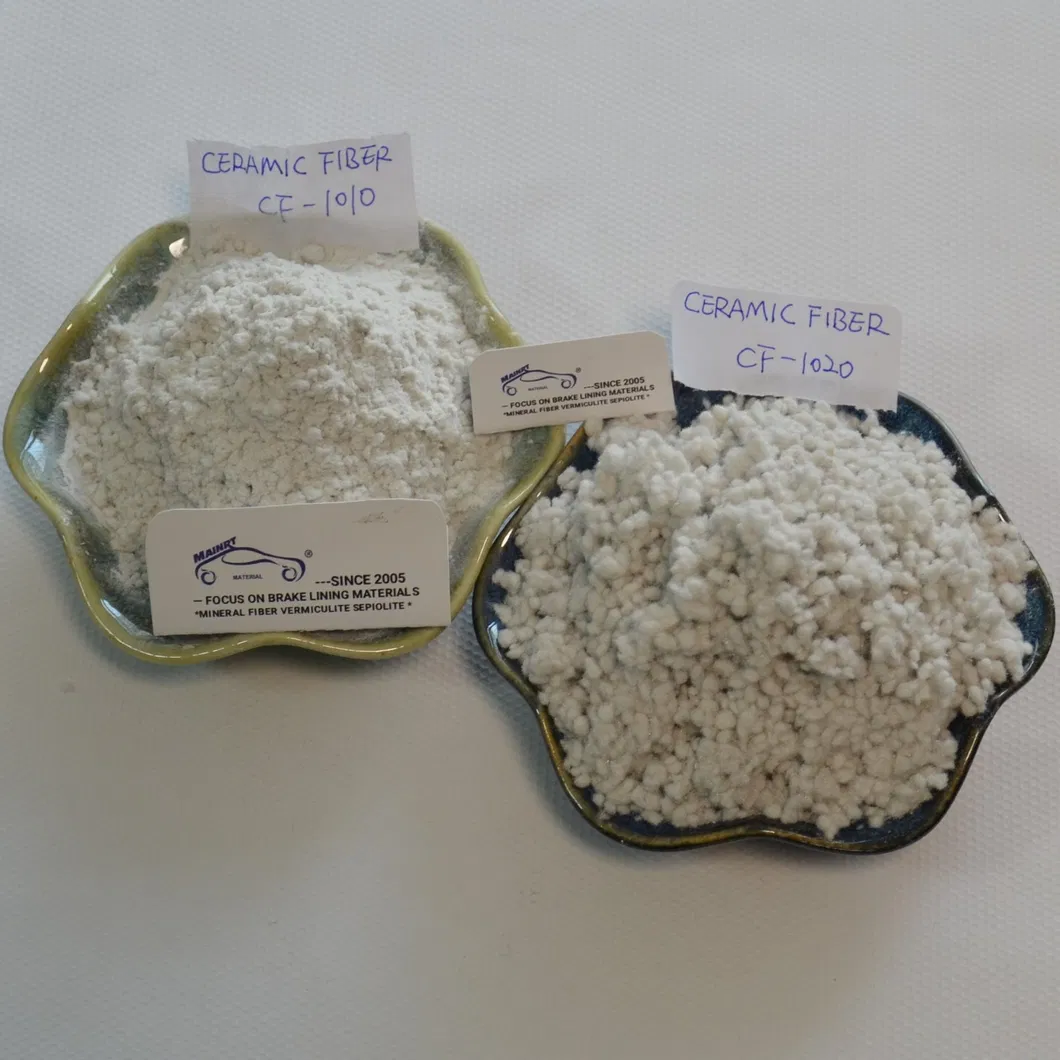
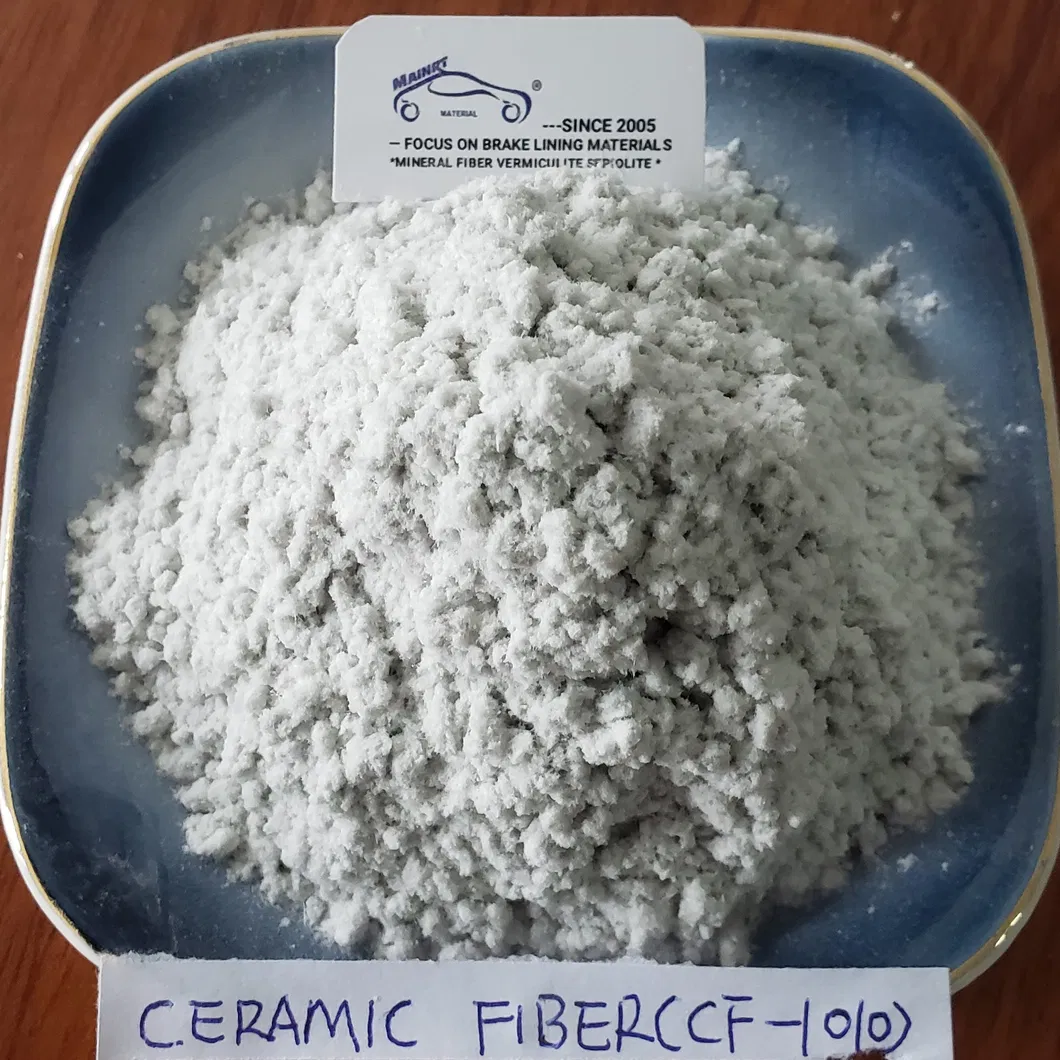
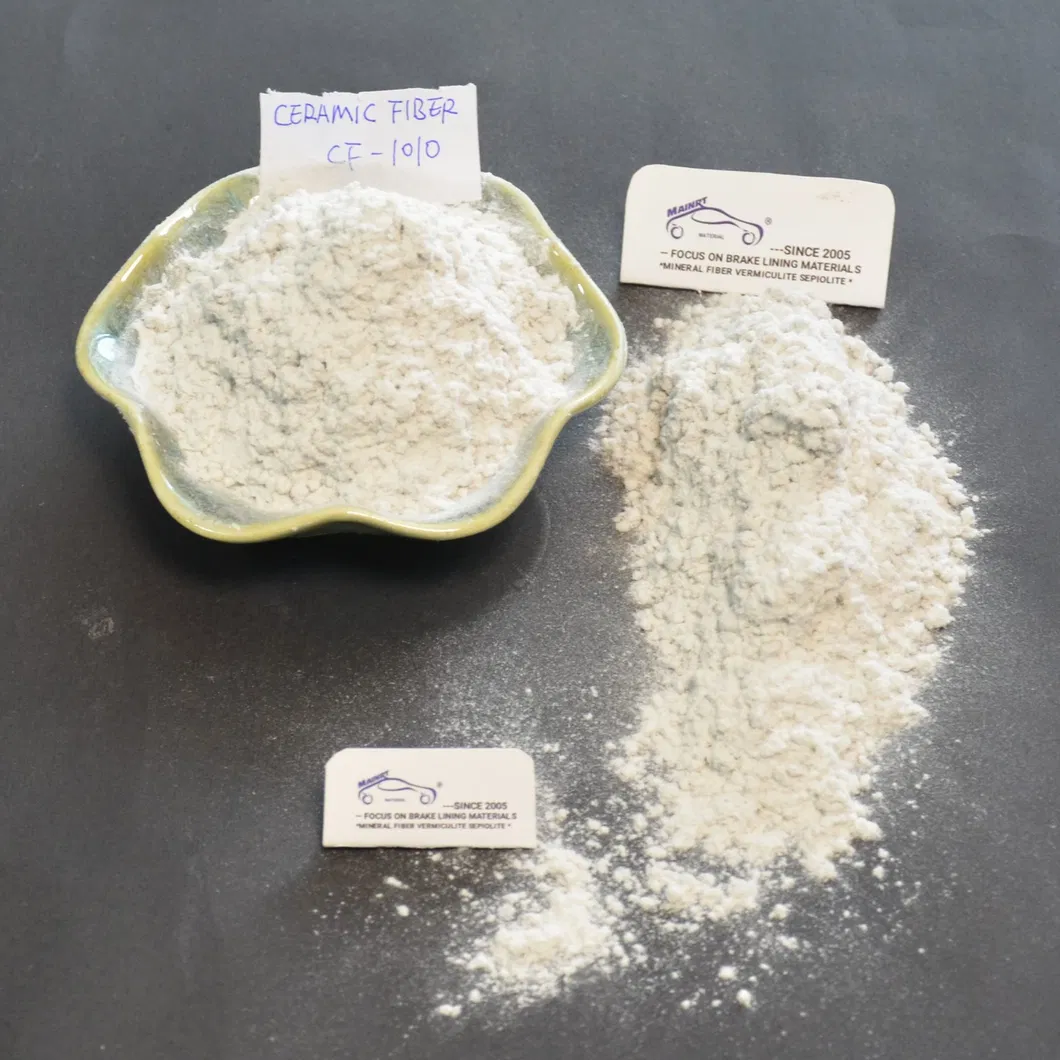
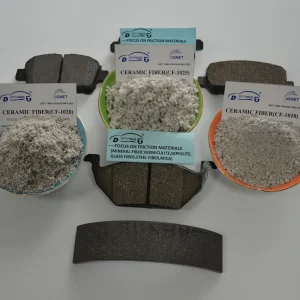
Ceramic Fiber (Alumina Silicate Fiber)

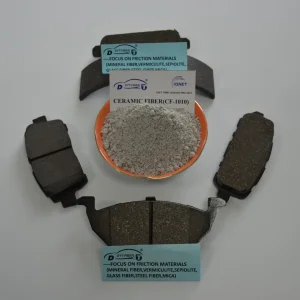
Raw materials include kaolin, coke gem, pyrophyllite, and other high aluminum content silicate ores. The silicon dioxide and alumina content exceeds 96%.

  • Characteristics: Low heat conductivity, high thermal and chemical stability, non-caustic.
  • Usage: Enhances high-temperature resistance and heat recovery capacity in brake linings.
  • Recommended Dosage: Brake drum: 20-35%, Brake disc: 10-25%
Chemical Composition
SiO2Al2O3Fe2O3Na2O+K2O
45%-55%40-50%0.8%-1.0%0.2%-0.5%
Ceramic Fiber Production
Material Lab
Fiber Structure
Industrial Safety & Storage
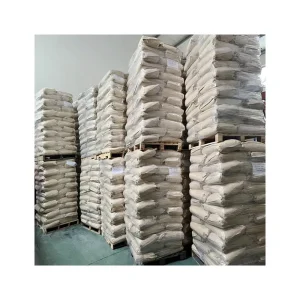
  • Storage: Store in a cool, dry place to prevent moisture. Reseal opened packs immediately.
  • Explosion Risk: Handle with care regarding static sparks or ignition sources.
  • Equipment: Use only explosion-proof equipment and local exhaust ventilation.
  • Protection: Wear protective eyeglasses or chemical safety goggles during handling.
Safety Packaging
Storage Conditions
Pallet Loading

Frequently Asked Questions

What is the primary benefit of using Cellulose Fiber in brake pads?
Cellulose fiber acts as a high-quality asbestos substitute that is environmentally friendly and cost-effective. it improves the intensity of brake linings and provides excellent cold-enhancing effects.
What temperatures can the Ceramic Fiber (Alumina Silicate) withstand?
The Ceramic Fiber is designed for high-temperature environments, with a softening point exceeding 1750°C and a working temperature stability up to 1000°C.
What is the recommended dosage for different brake systems?
For Cellulose Fiber, the recommended dosage is 5-20% for brake drums and 3-10% for brake discs. For Ceramic Fiber, use 20-35% for drums and 10-25% for discs.
How should these mineral fibers be stored properly?
They must be stored in a cool, dry location. It is crucial to prevent moisture penetration; therefore, any opened packages should be resealed as quickly as possible.
What safety precautions are necessary during industrial application?
Operators should use explosion-proof equipment and local exhaust ventilation. Personal protective gear, such as safety goggles, is mandatory to prevent irritation and manage risks from static sparks.
What are the key chemical components of the Alumina Silicate Fiber?
The fiber is composed mainly of Silicon Dioxide (SiO2 45%-55%) and Alumina (Al2O3 40-50%), ensuring high chemical stability and heat resistance.

Related Products