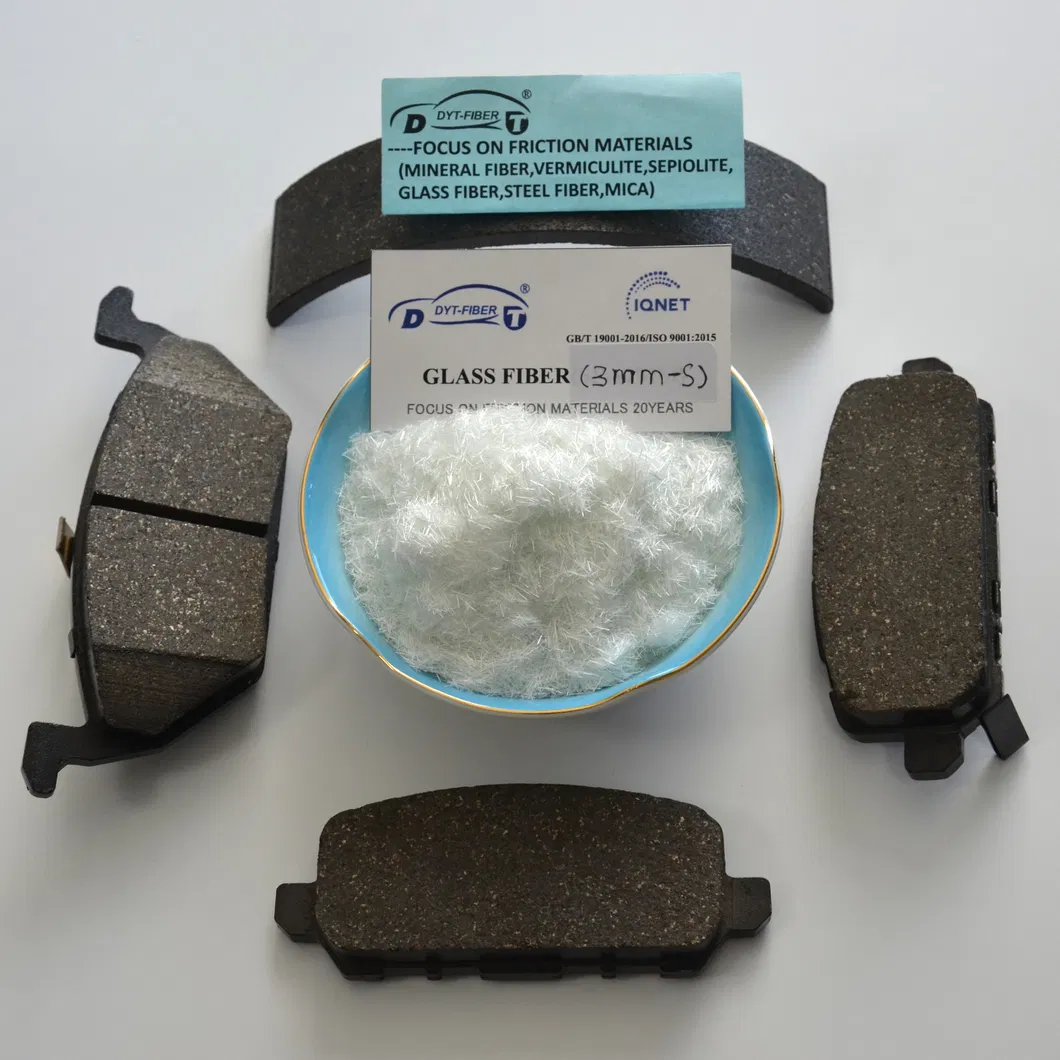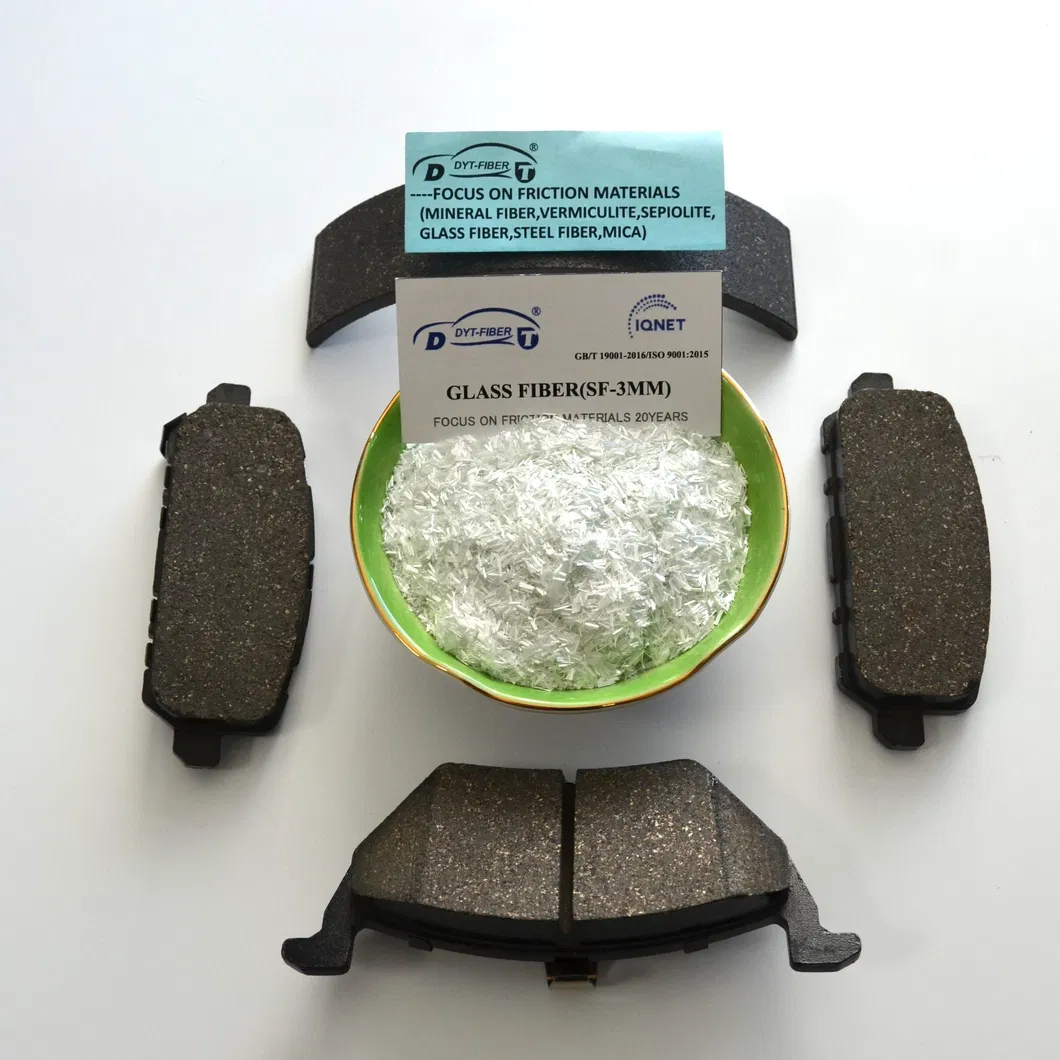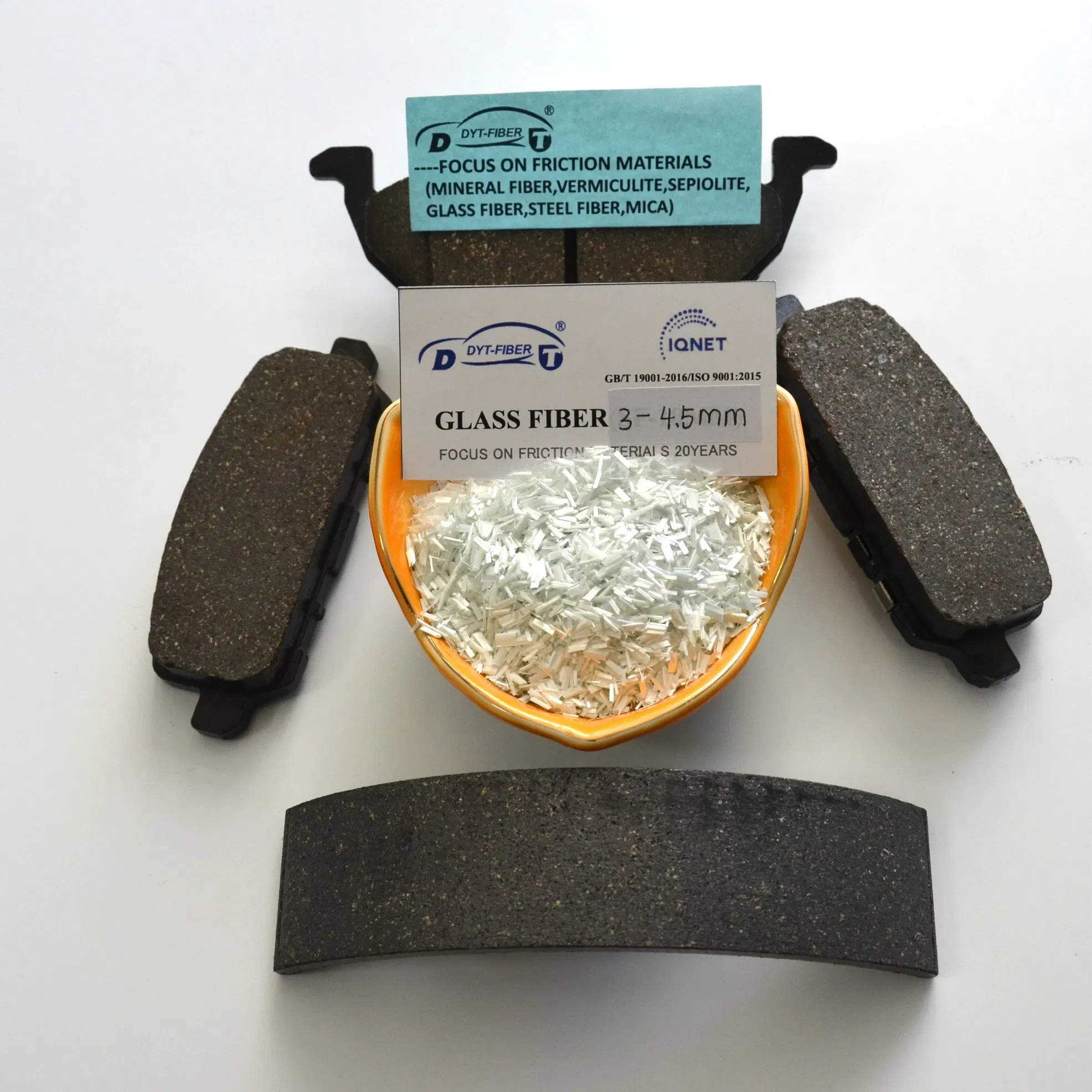
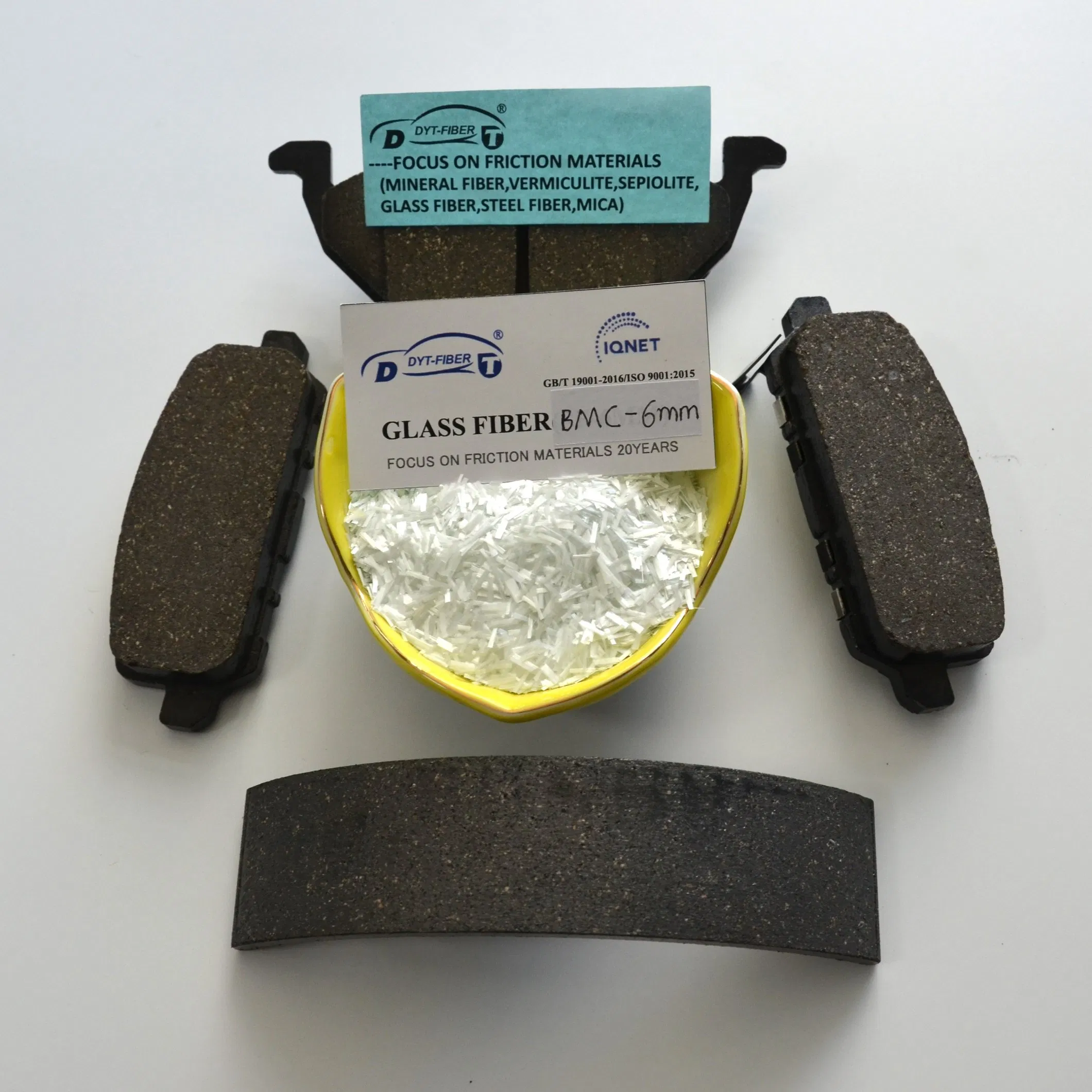
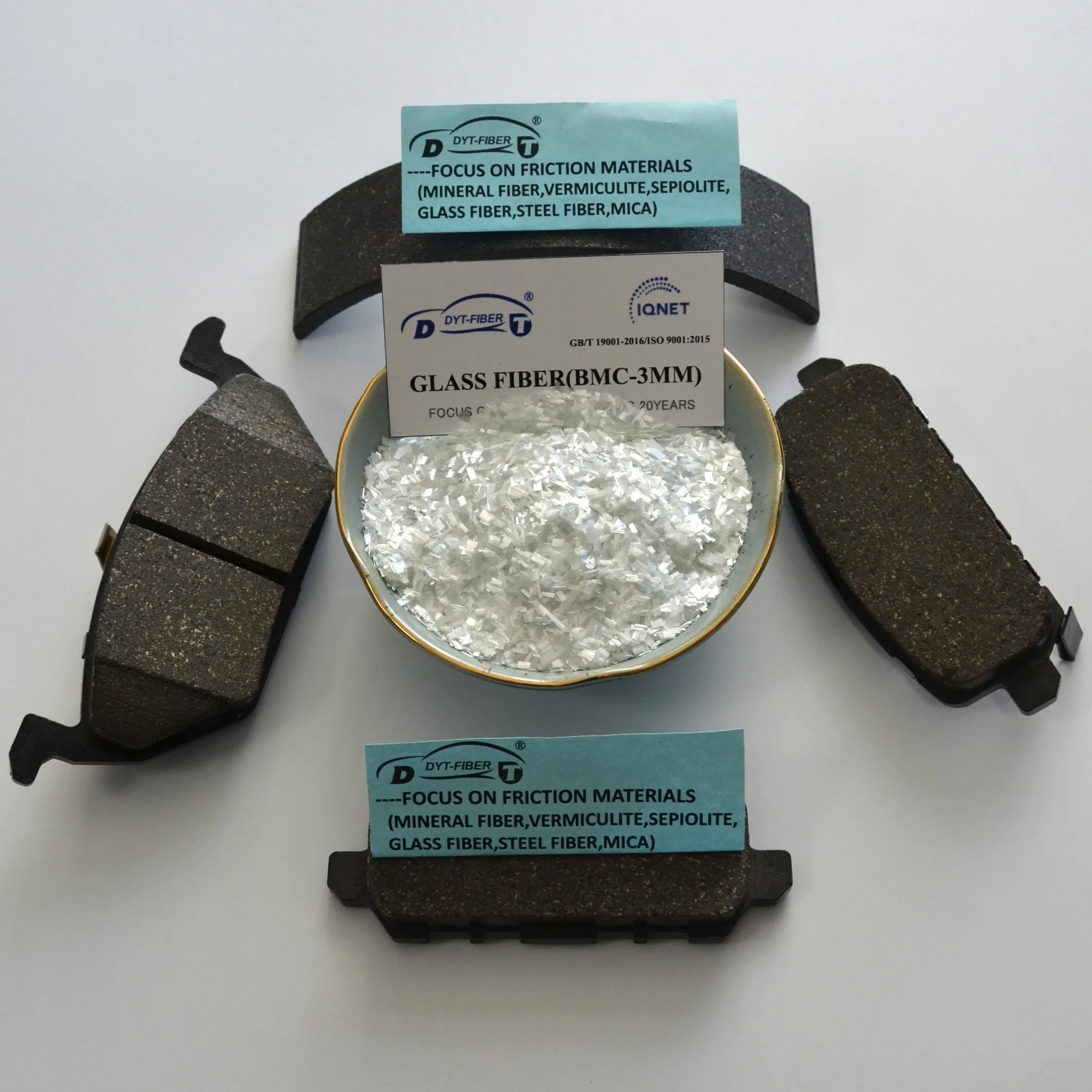
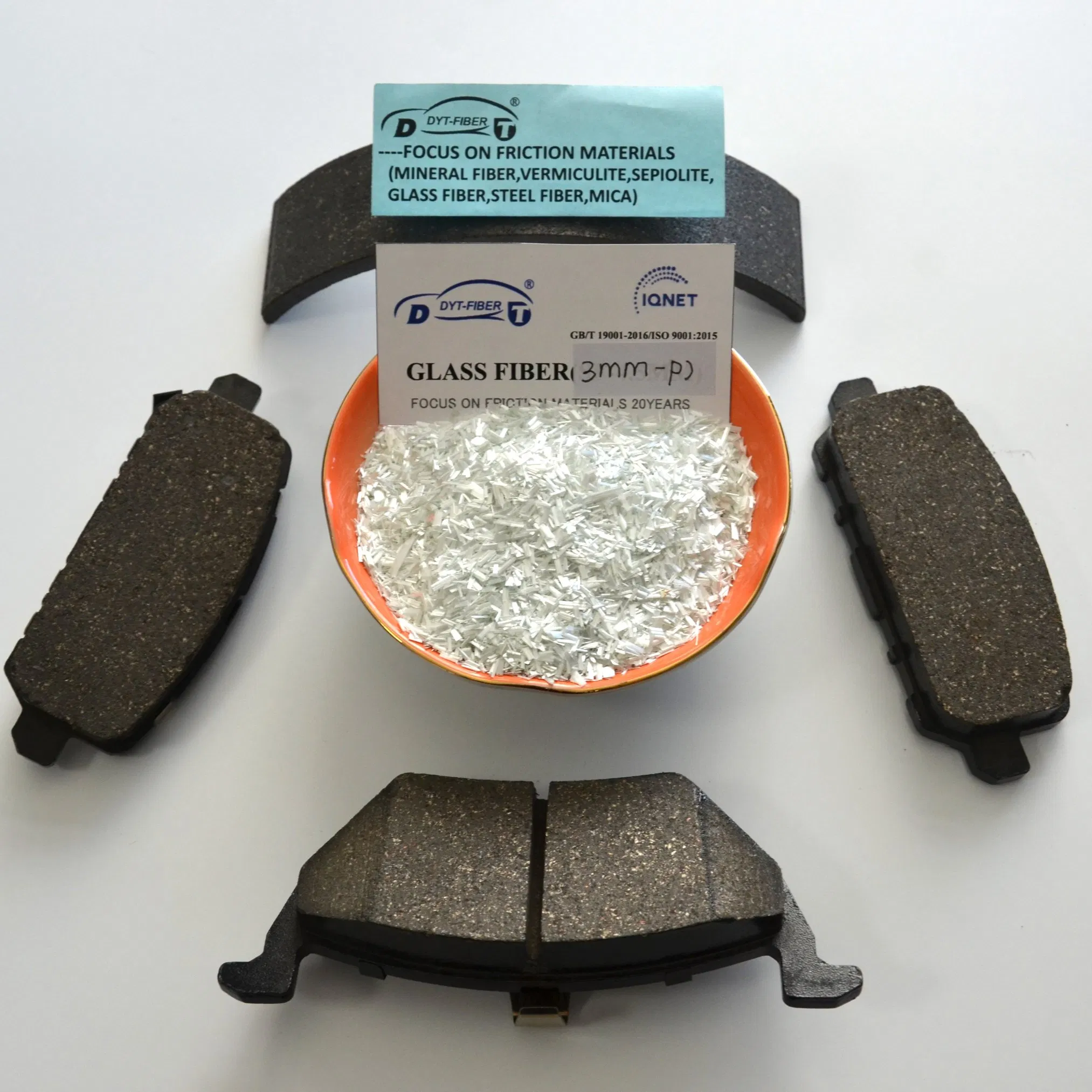
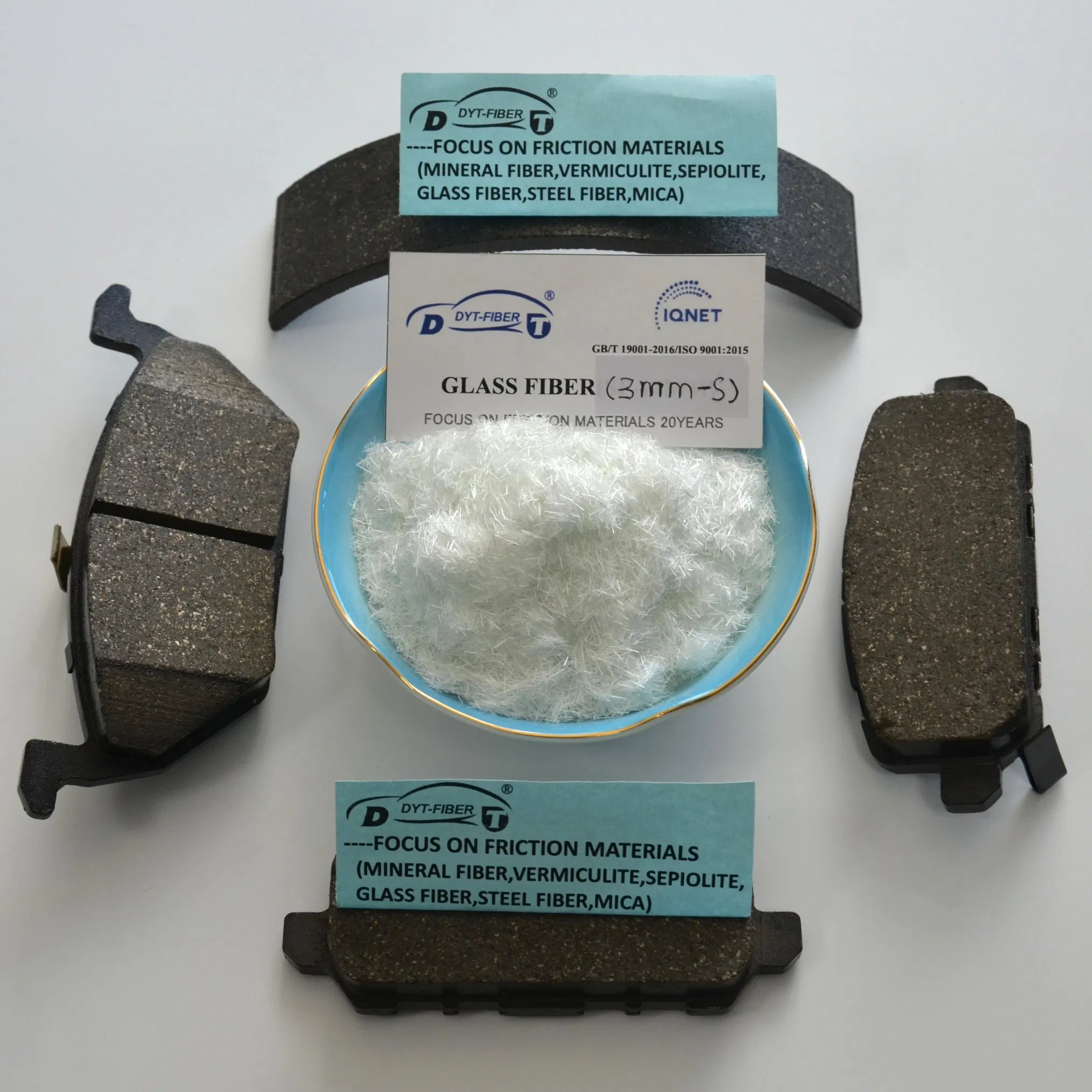
Friction Materials of Glass Fiber 3-4.5mm for Manufacturing Brake Pads and Brake Lining

Still deciding? Get samples of $ !
Order Sample

Product Description

Basic Info.

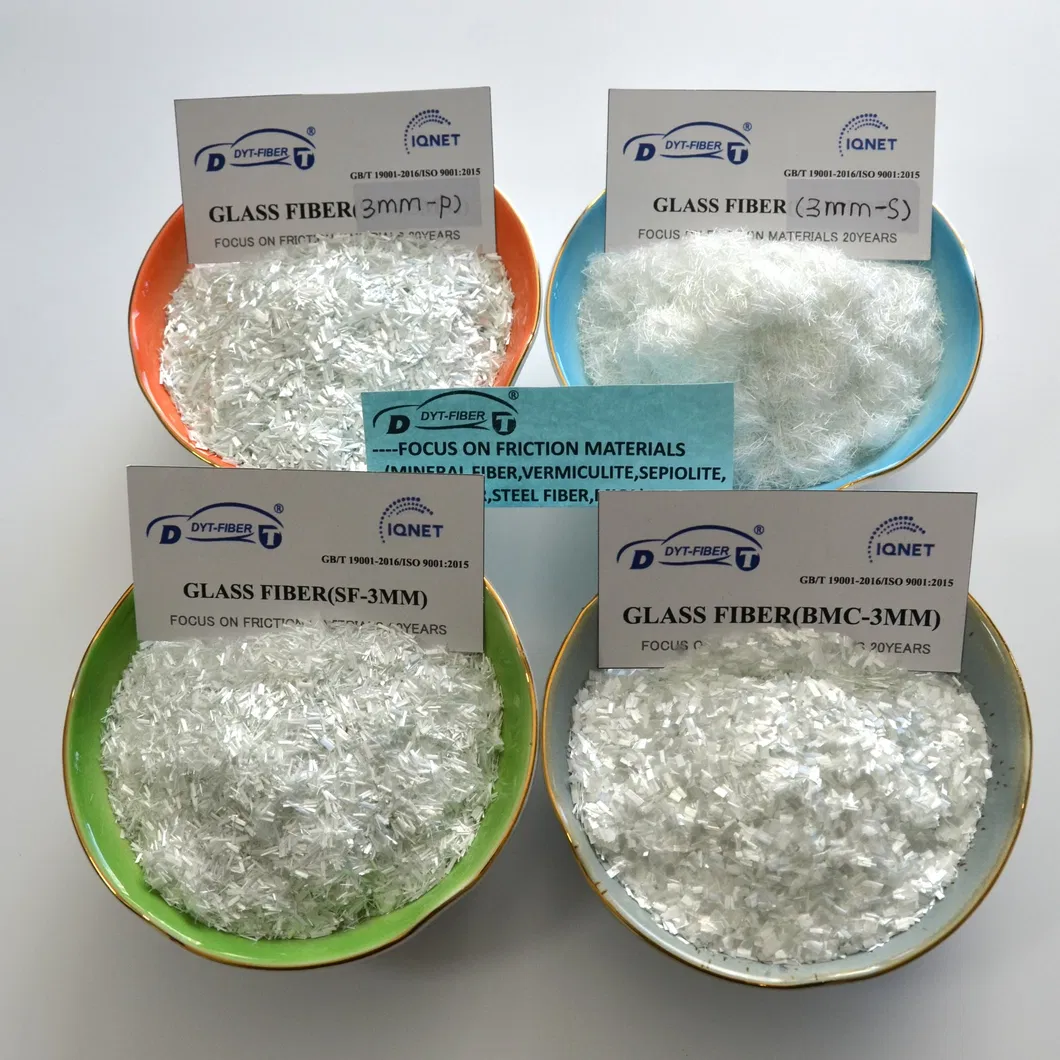
Model NO.:3mm, 3mmBMC, 4.5mm, BMC 4.5mm
Diameter of Filaments:Intermediate Fibers
Fiber Appearance:Staple-Fibers
Glass Composition:E-Glass
Type of Glass:E-Glass Fiber
Choppability:> 98%
Loss on Ignition:0.55
Compatibility Resin:PA66 and PA6
Transport Package:PP and PE on Pallets
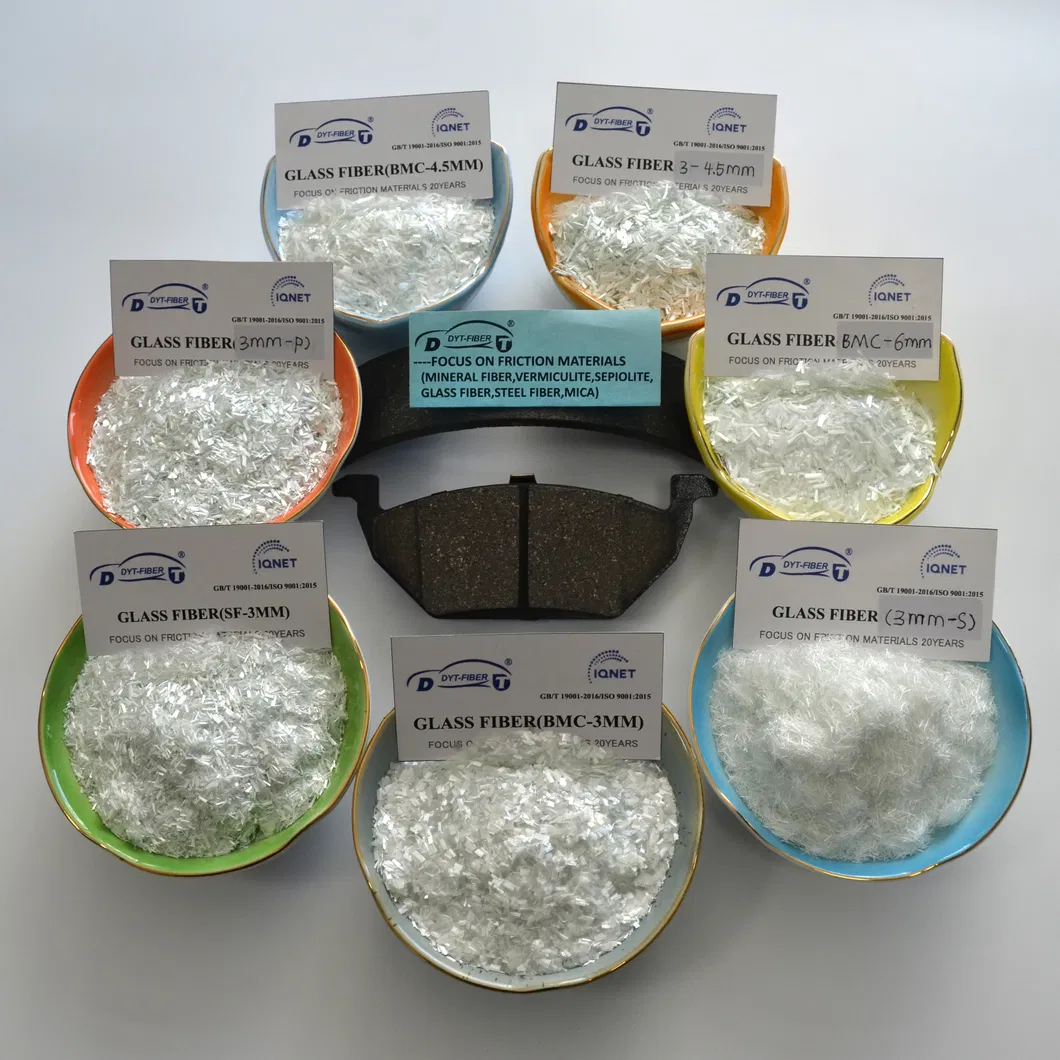
Specification:3mm, 3mmBMC, 4.5mm, BMC 4.5mm, 6mm, BMC6mm
HS Code:7019110090

Packaging & Delivery

Package Size:85.00cm * 55.00cm * 20.00cm
Package Gross Weight:25.000kg

Product Description

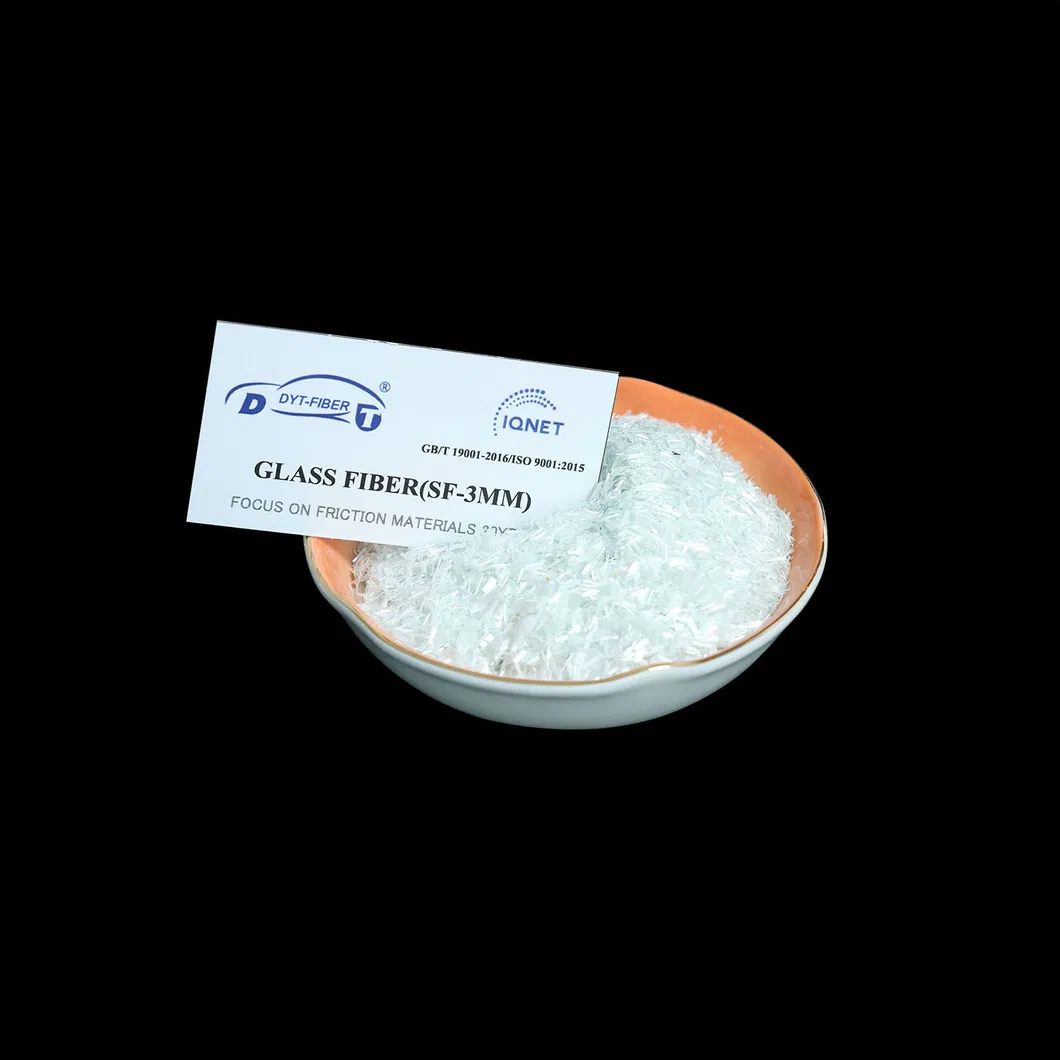
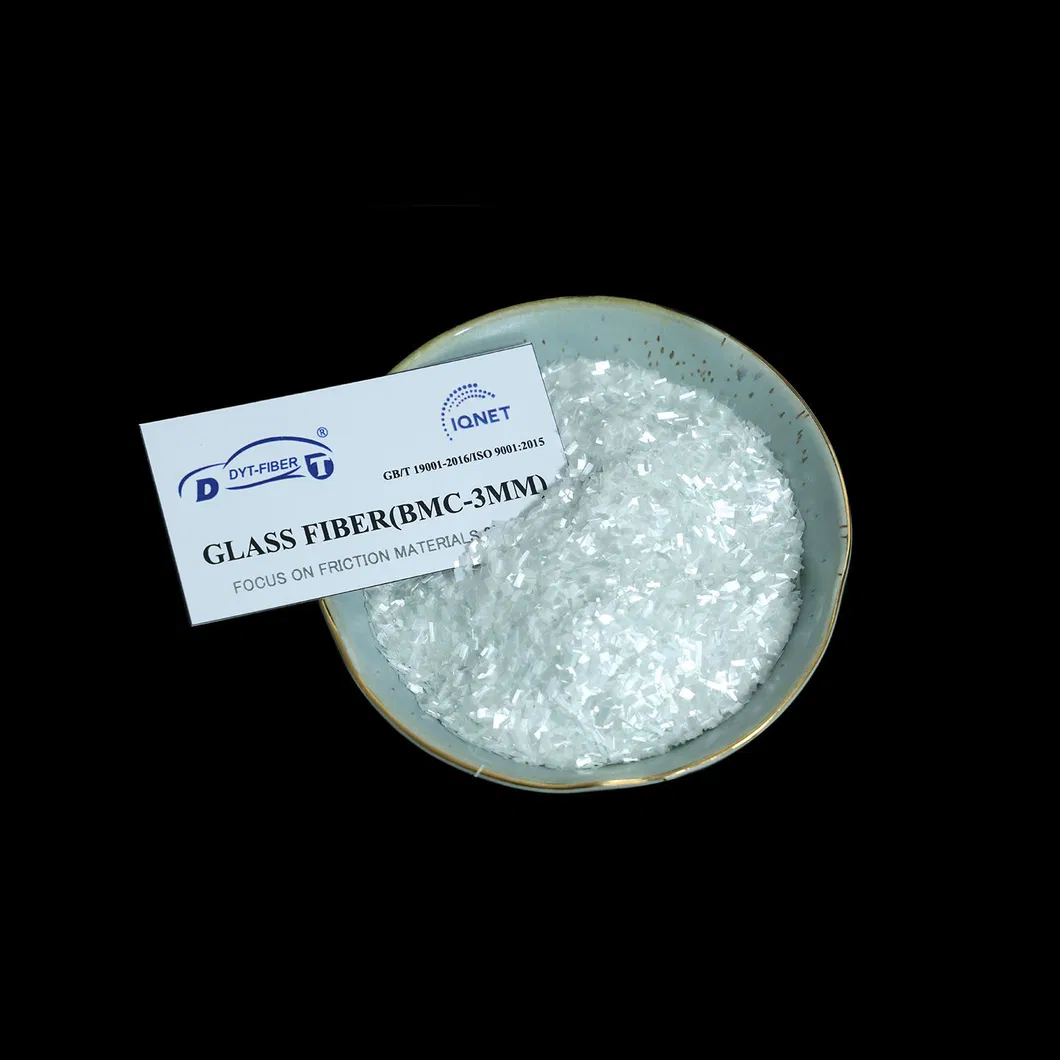
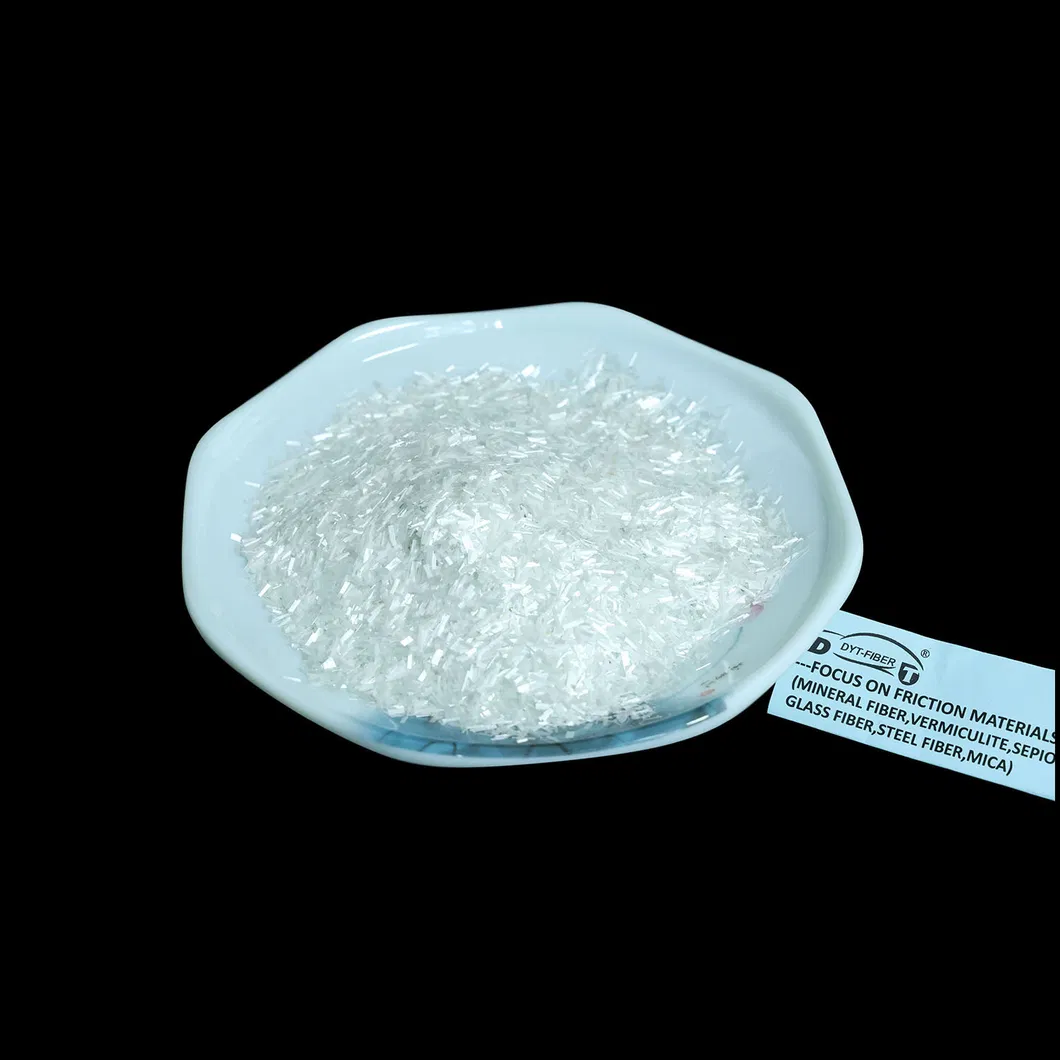
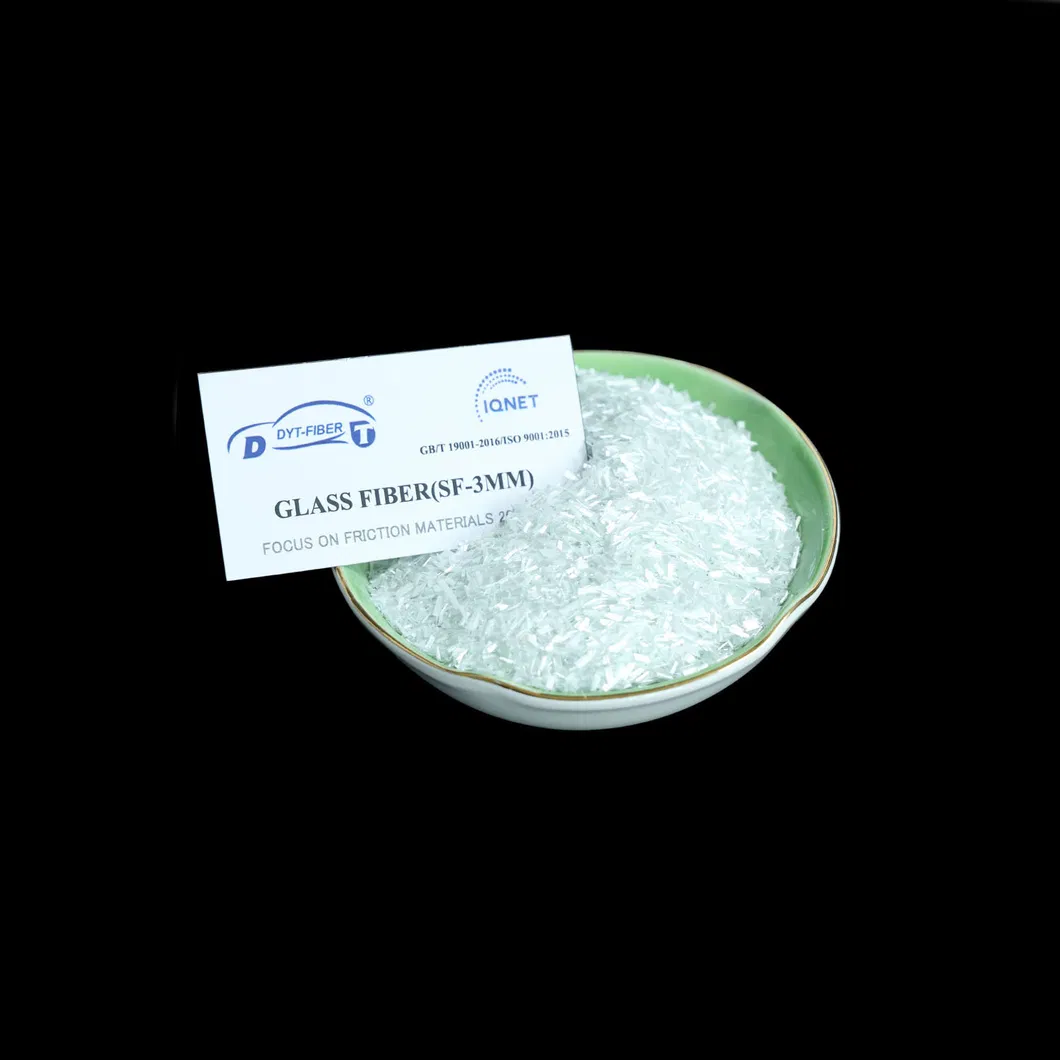
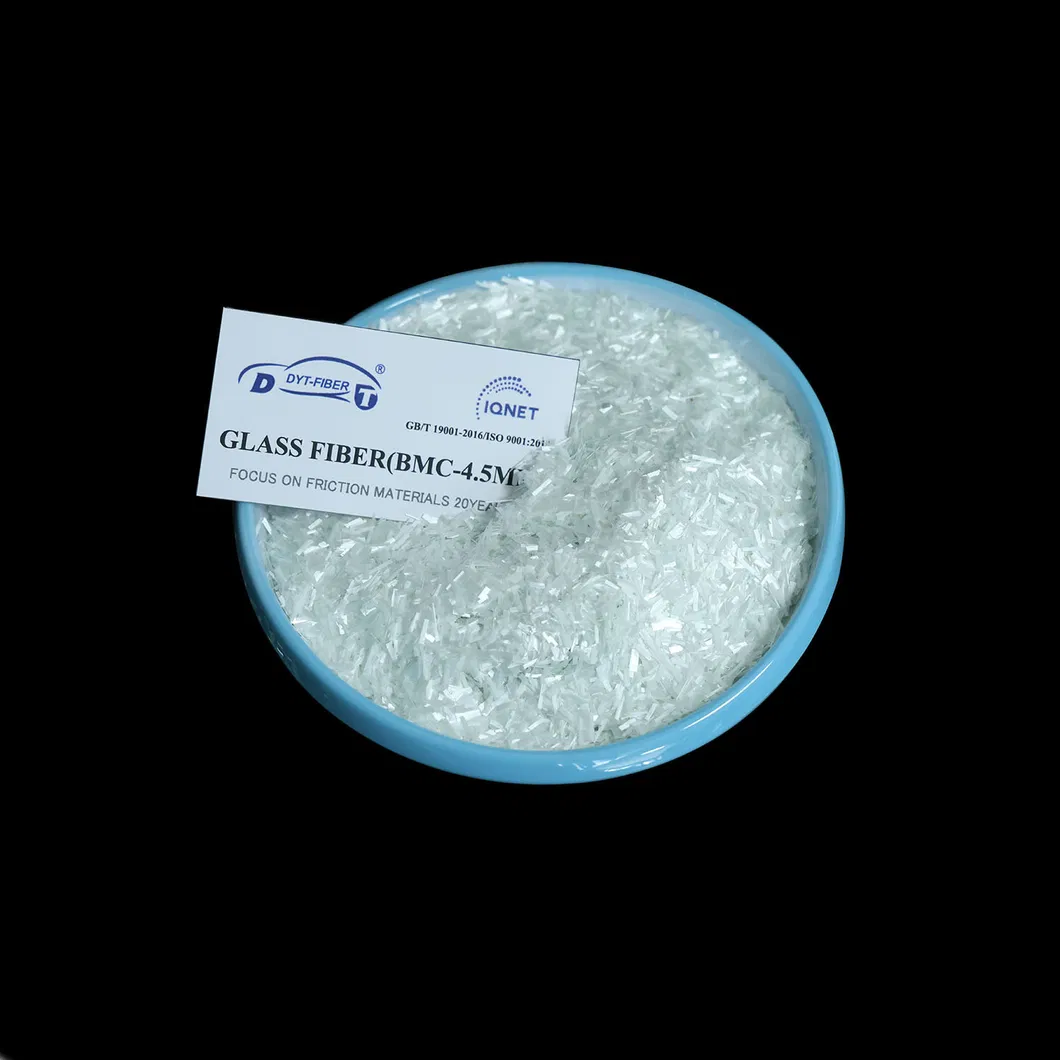
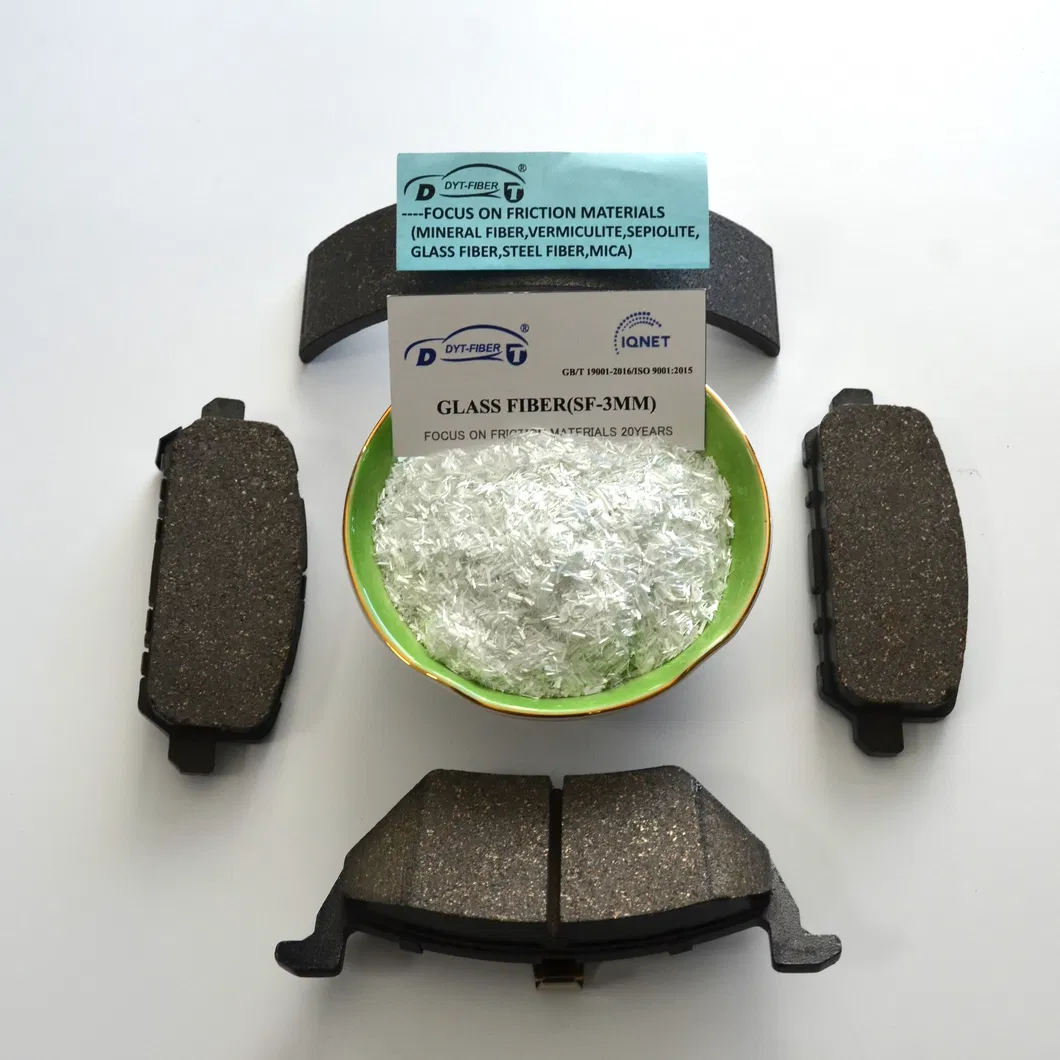
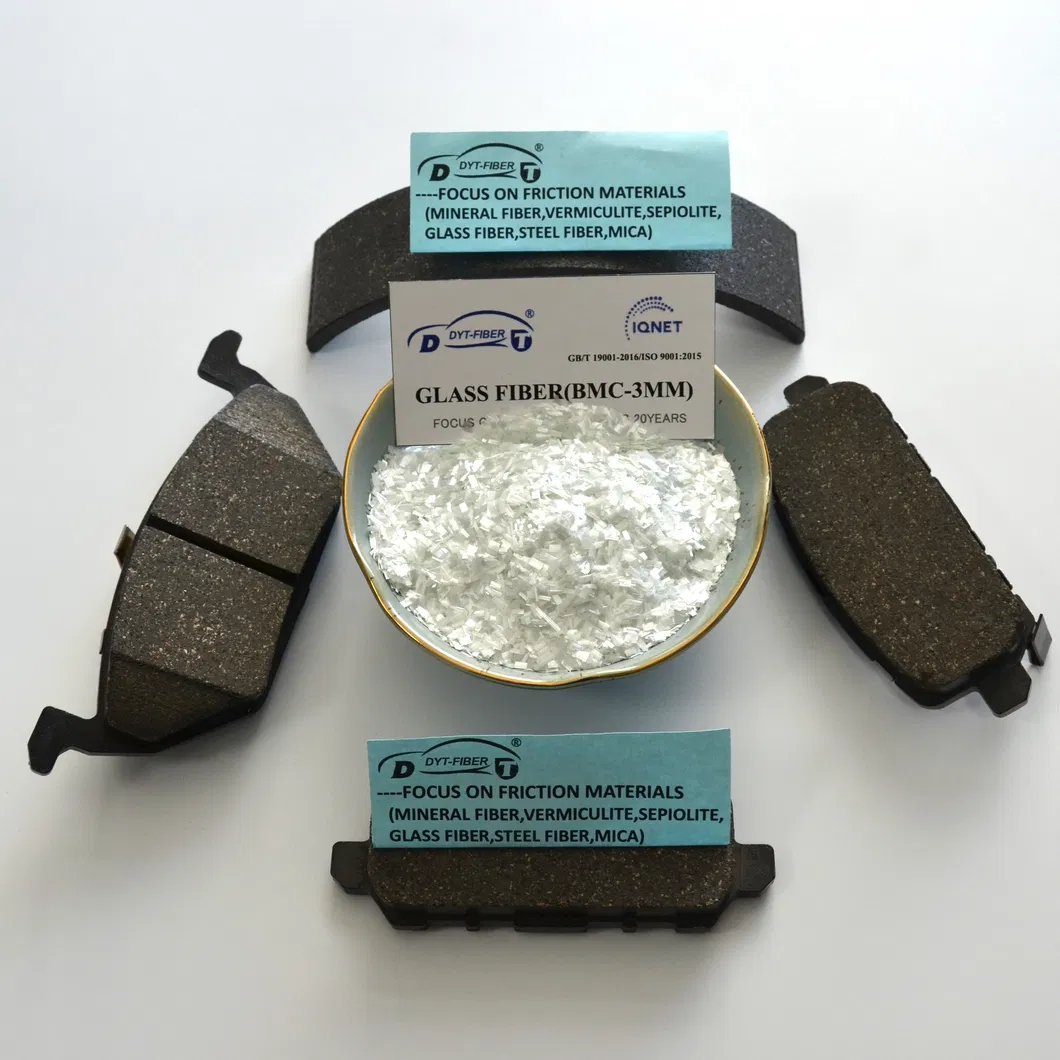
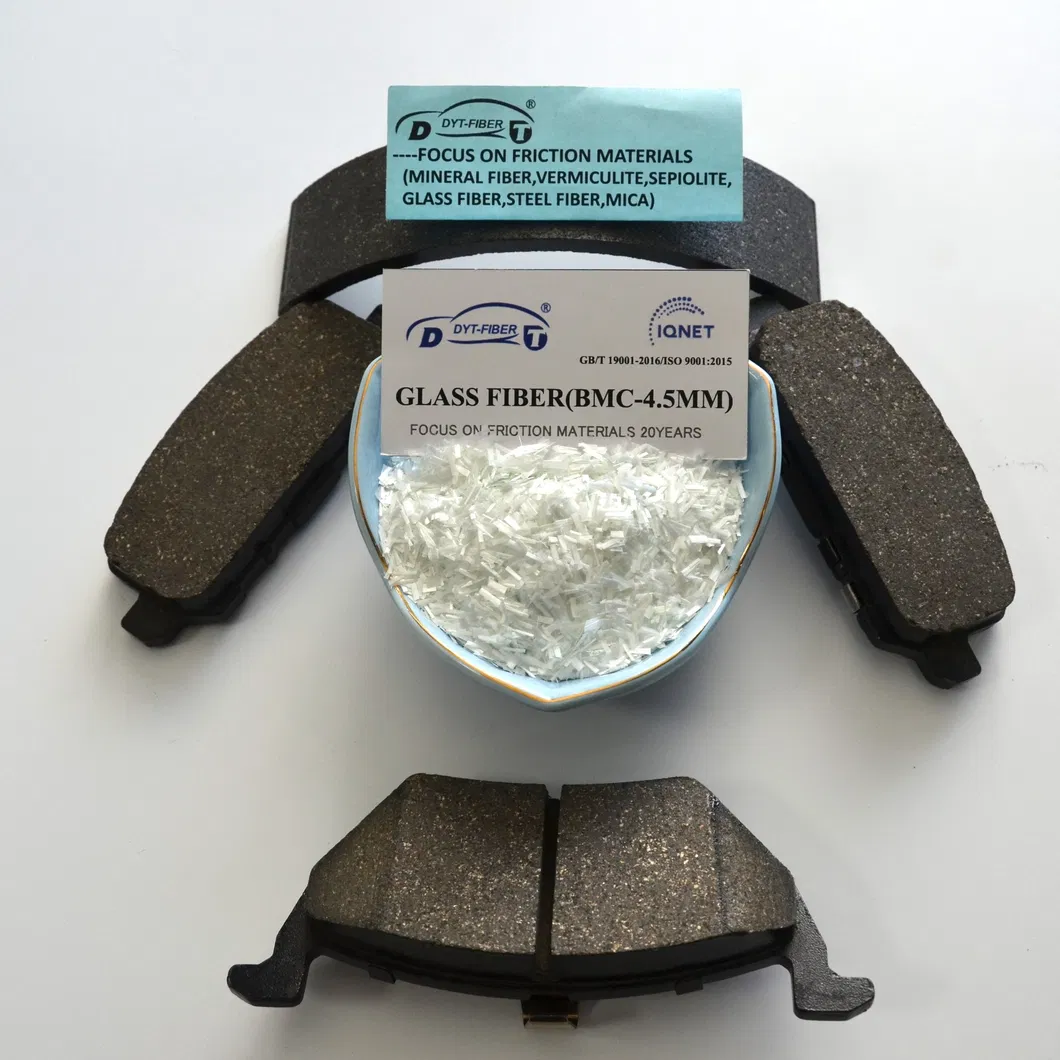
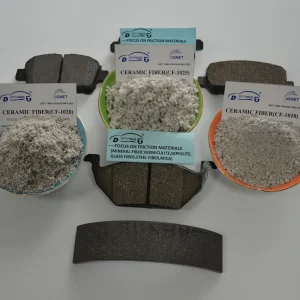
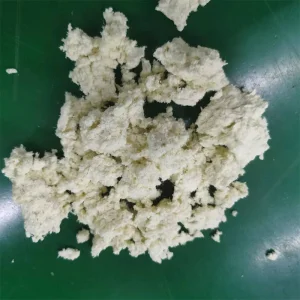
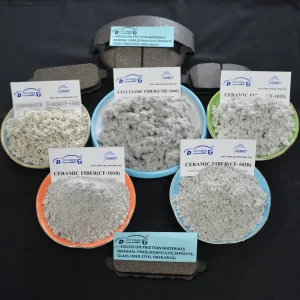
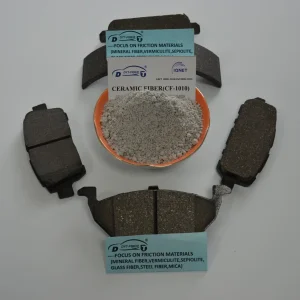
Friction Materials Glass Fiber

Technical Information Sheet

1. General

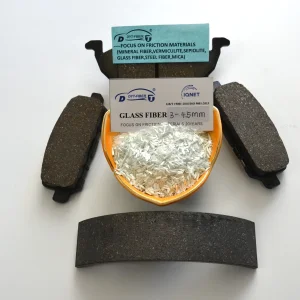
Glass Fiber products we manufactured are ideal material which can be in friction materials, asphalt product and others.

2. Properties

Chopped length Type Of Glass Choppability Loss On Ignition Compatibility Resin Specification
3.0mm E-Glass > 98% 0.55 PA66 And PA6 B Grade
Filament Dia.(μm) Moisture Content(%) Loss On ignition(%) Chopped Length (mm)
ISO 1888-2006 ISO 3344-1997 ISO 1887-1995 Q/JS J0361-2010
±10 ≤0.1 0.5±0.15 ±1.0
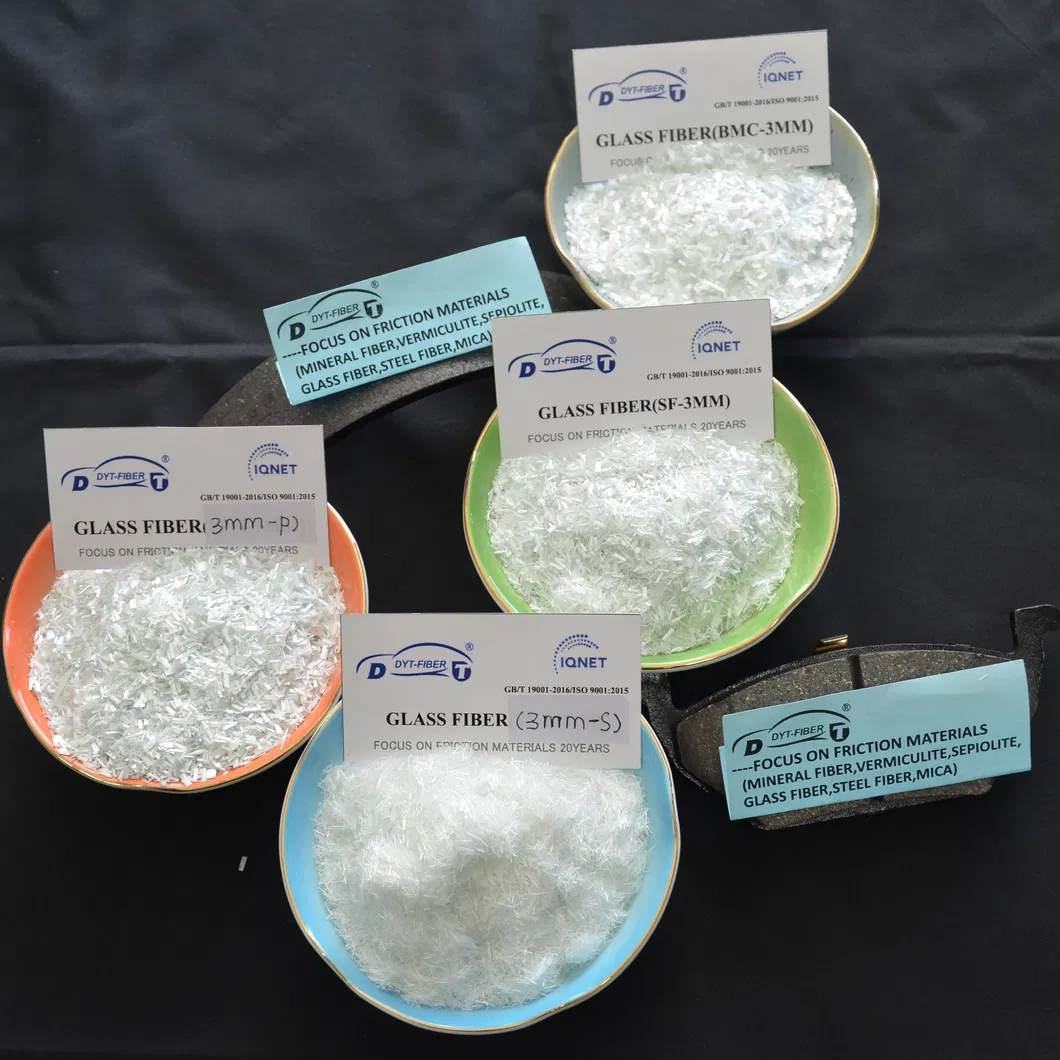
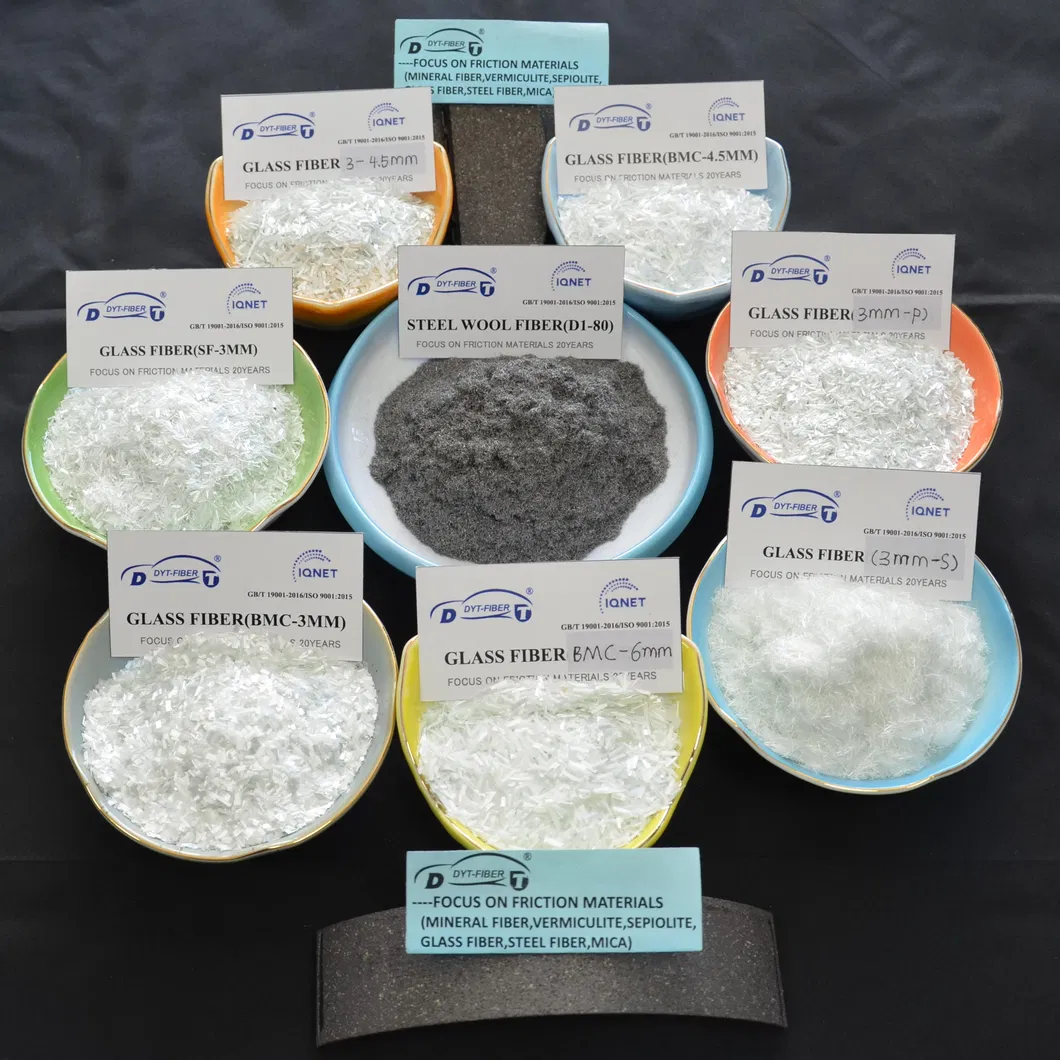
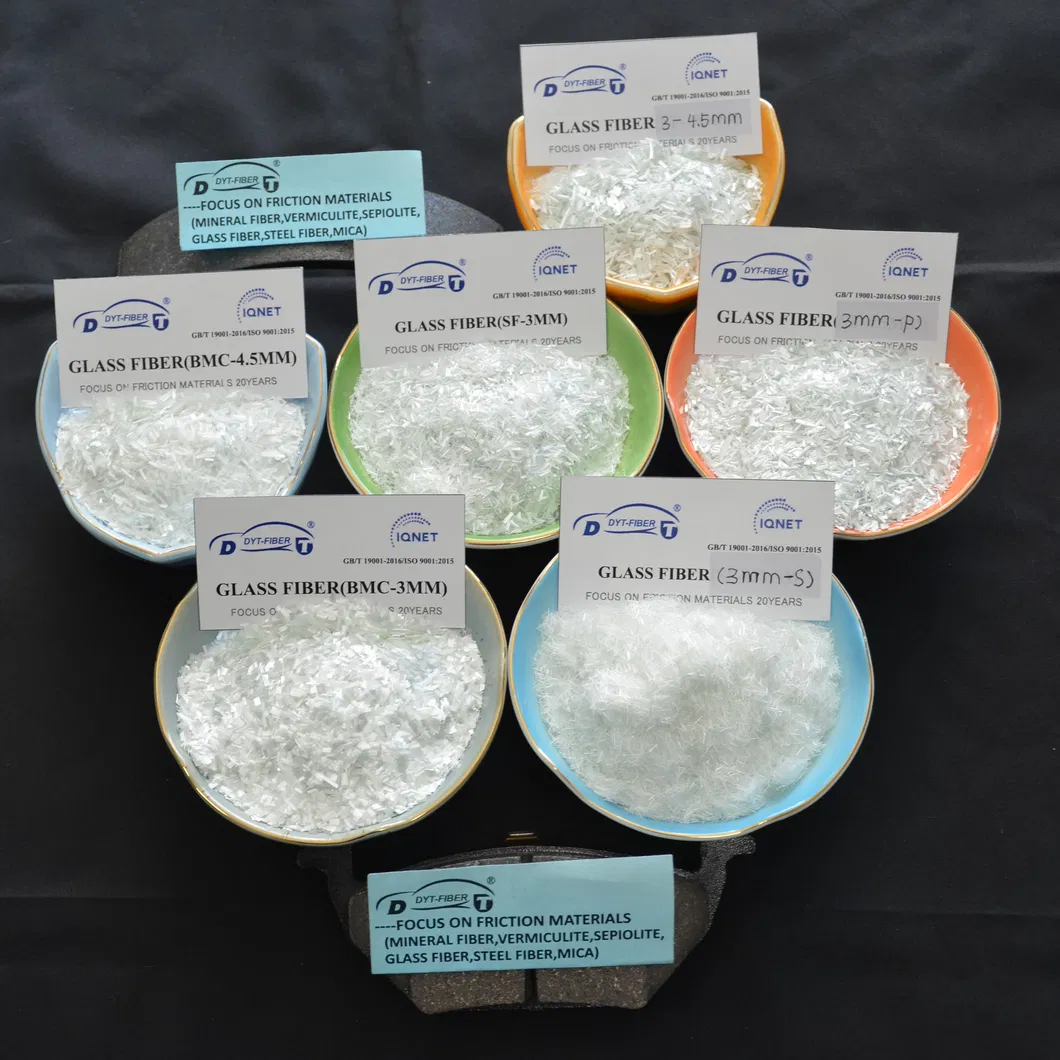
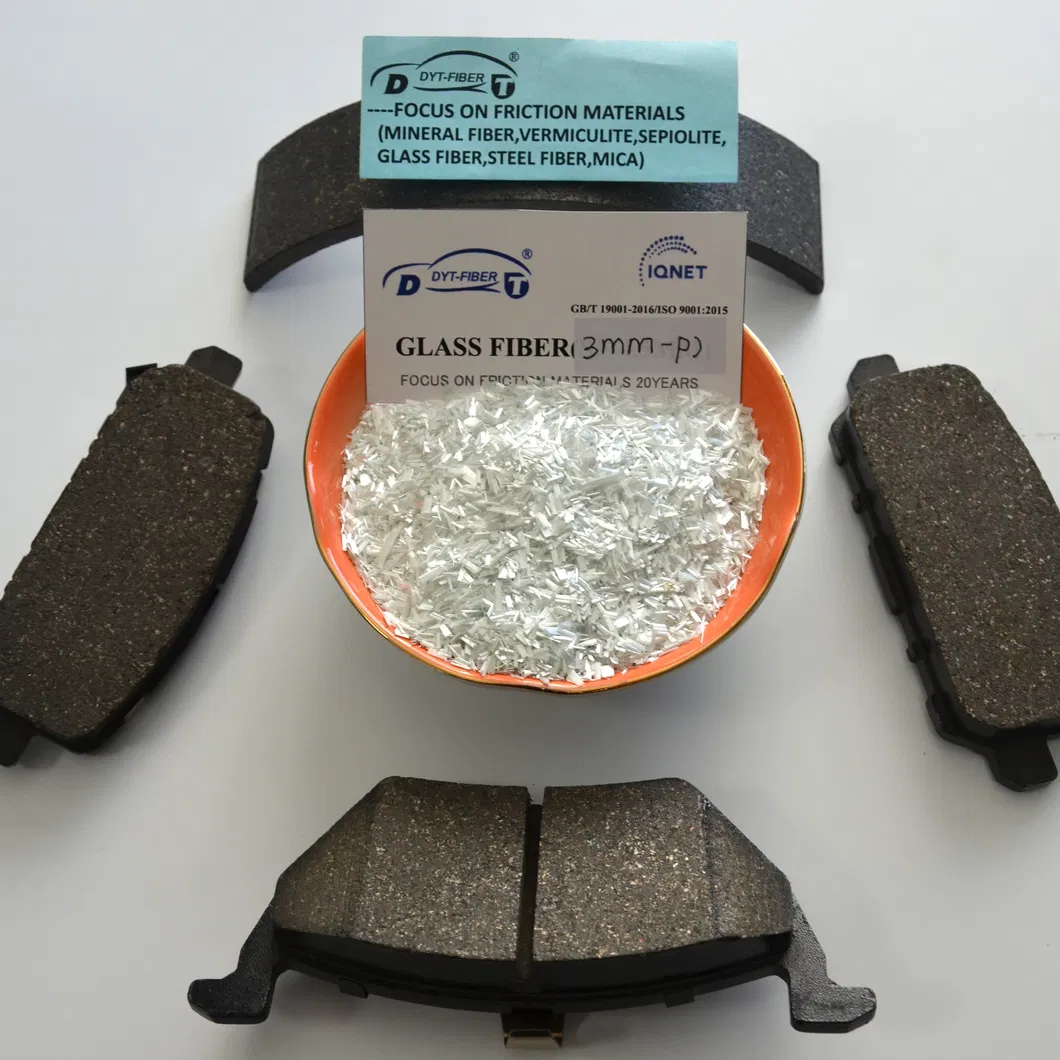
Glass Fiber Display
Glass Fiber Display
Glass Fiber Display
Glass Fiber Display
Glass Fiber Display
Glass Fiber Display

3. Application

FiberGlass GF-3MM chopped strand is in the line chopped, it's suitable for reinforcing thermoplastics; This chopped glass fiber has good fluidity, bundle ability, and small linear density, so there is no pilling and fluffing in mixing, and can be fully mixed with thermoplastic resin. It is widely used to reinforce PA, PP, PVC, ABAS, PC, etc. Fiberglass chopped strands also can be used in construction and industry, such as reinforced concrete, mortar, cement, gypsum board, plasterboard, manhole cover, brake pad, etc. Fiberglass chopped strands give superior mechanical property and apparent condition.

4. Package

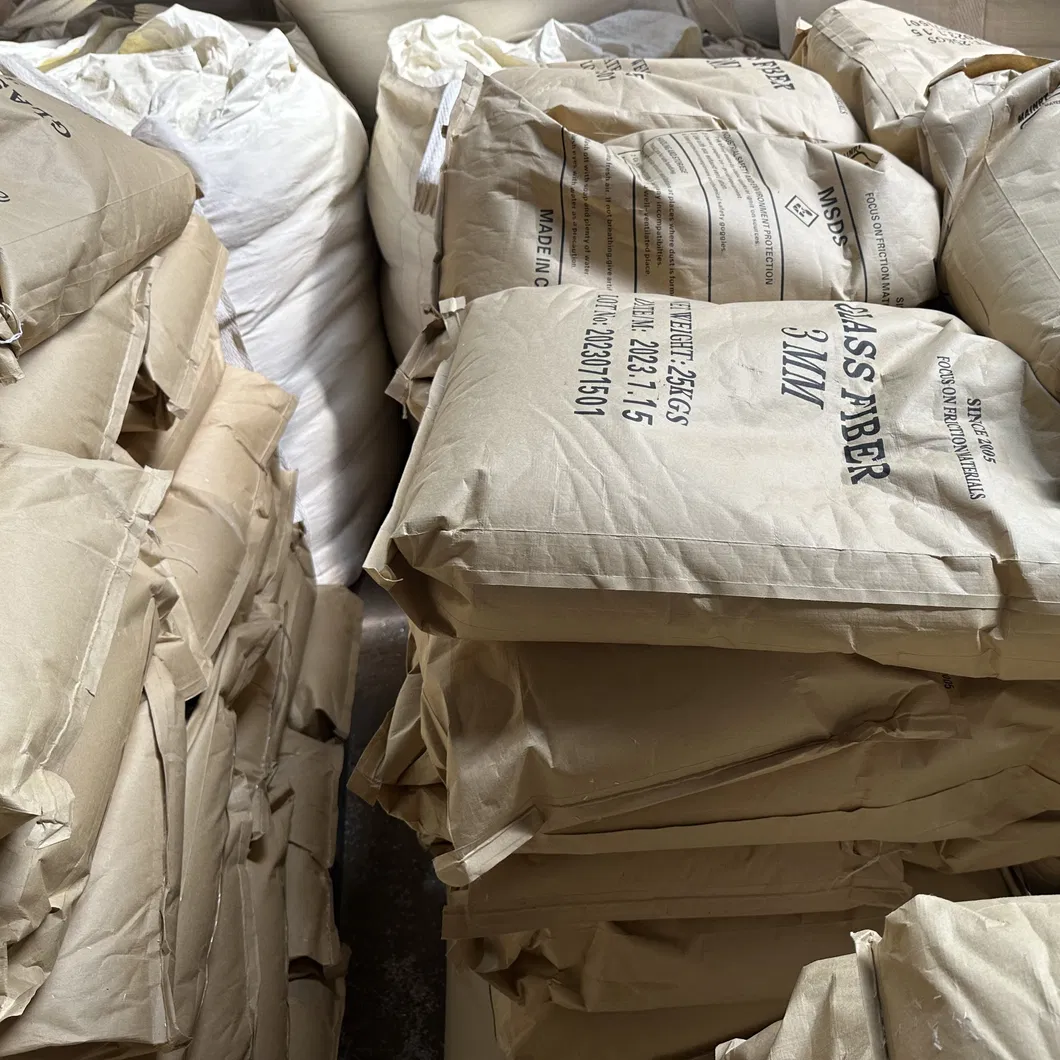
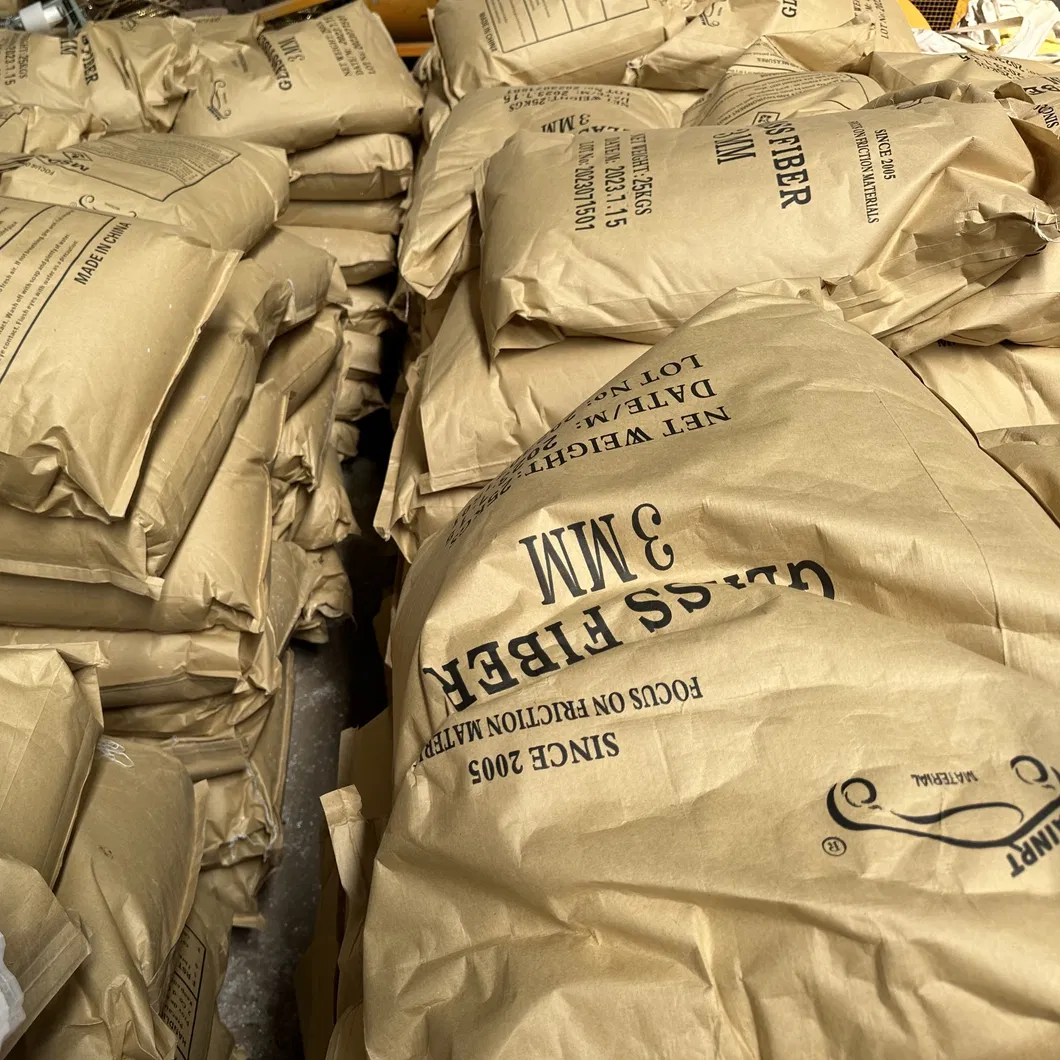
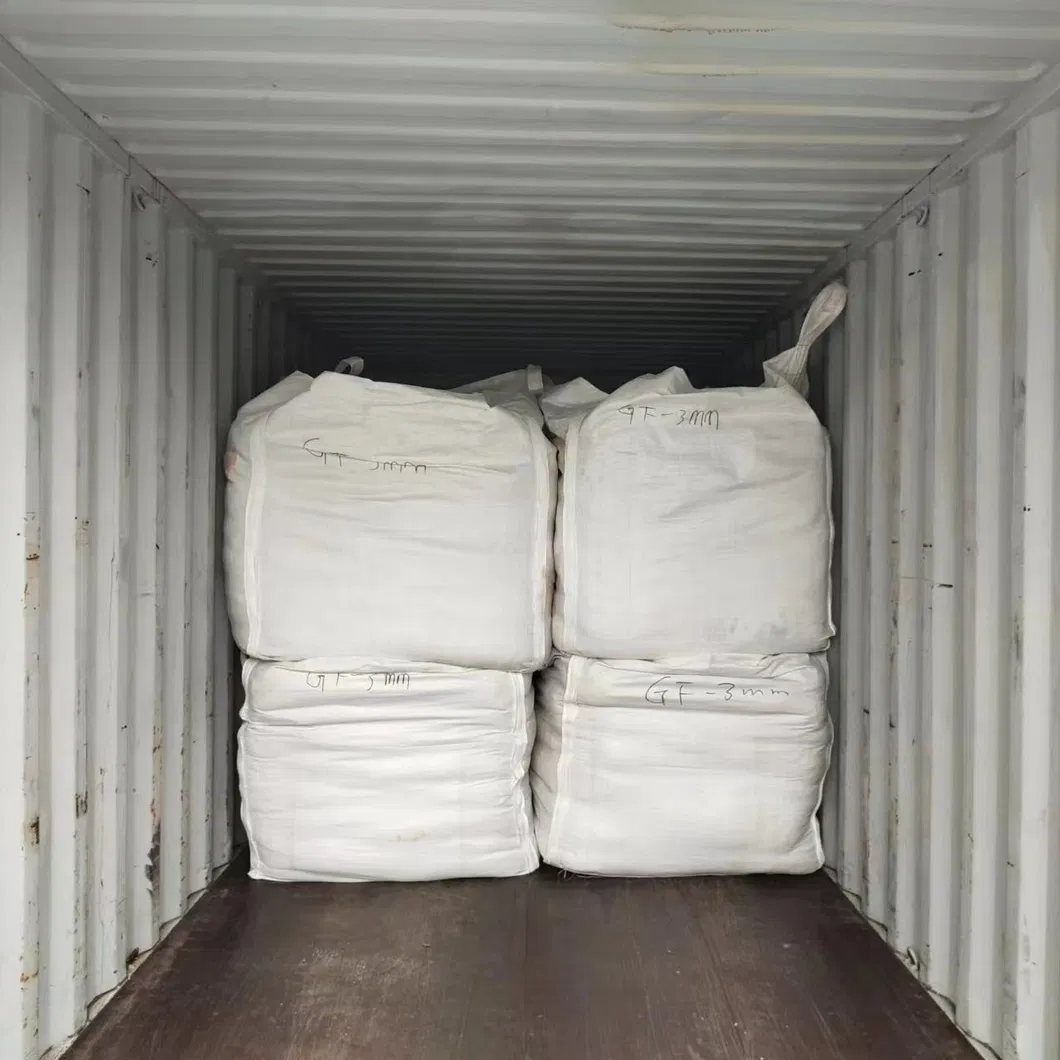
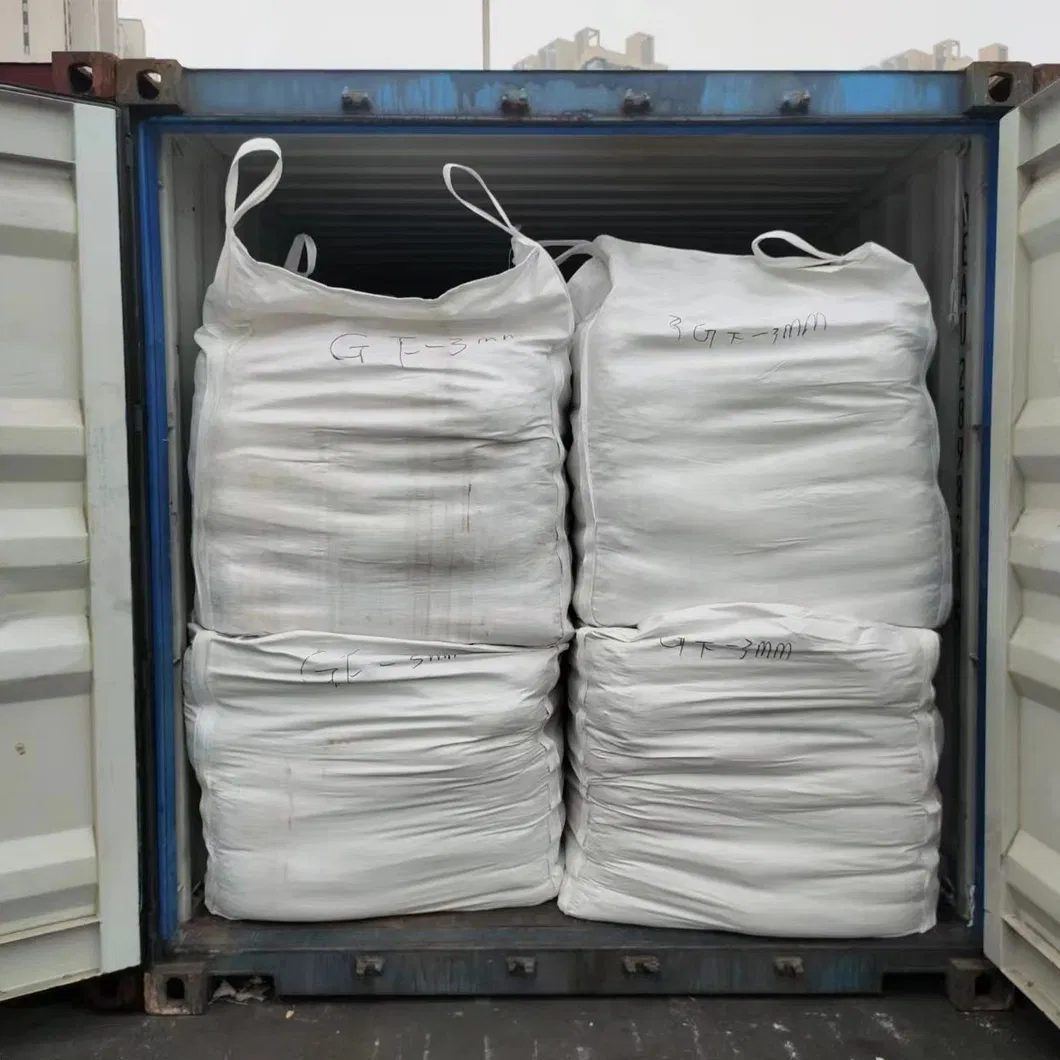
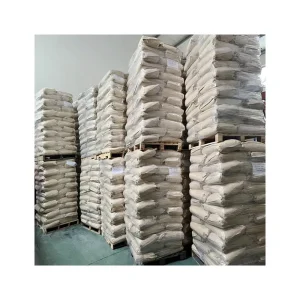
25kg*40nos packed in 3 ply sacks stacked on a wooden pallet wrapped, strapped and shrink wrapped.

5. Storage

Glass Fiber must be stored in a cool, dry place. To prevent moisture penetration, packs which have opened should be sealed again as soon as possible.

6. Industrial Safety and Environment Protection

  • Risk of explosion by static sparks or ignition sources
  • Use only explosion-proof equipment.
  • Use with local exhaust ventilation.
  • Wear protective eyeglasses or chemical safety goggles
  • A safety data sheet will be made available on request

This information is based on our present state of knowledge and is intended to provide general notes on our products and their uses. It should not therefore be construed as guaranteeing specific properties of the products described or their suitability for a particular application. Any existing industrial property right must be observed.
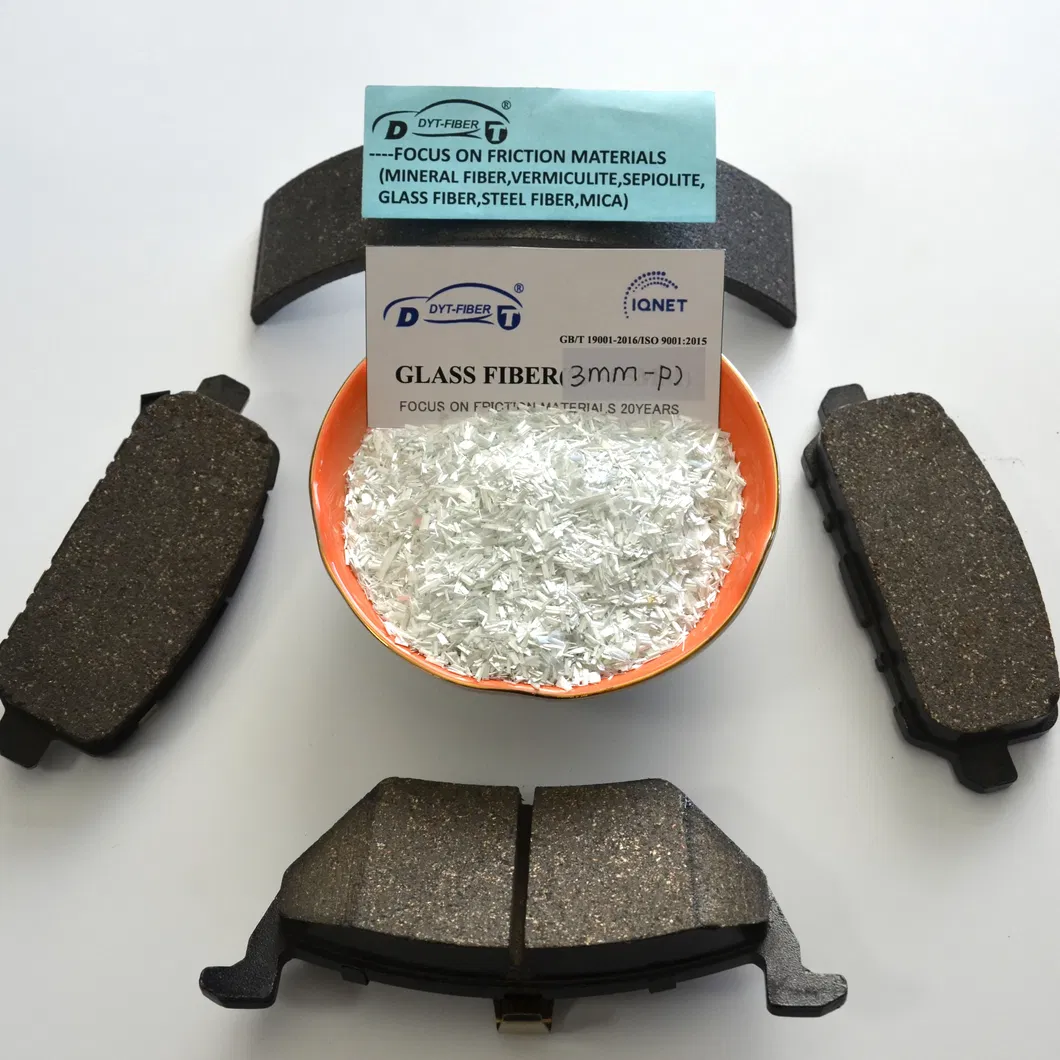
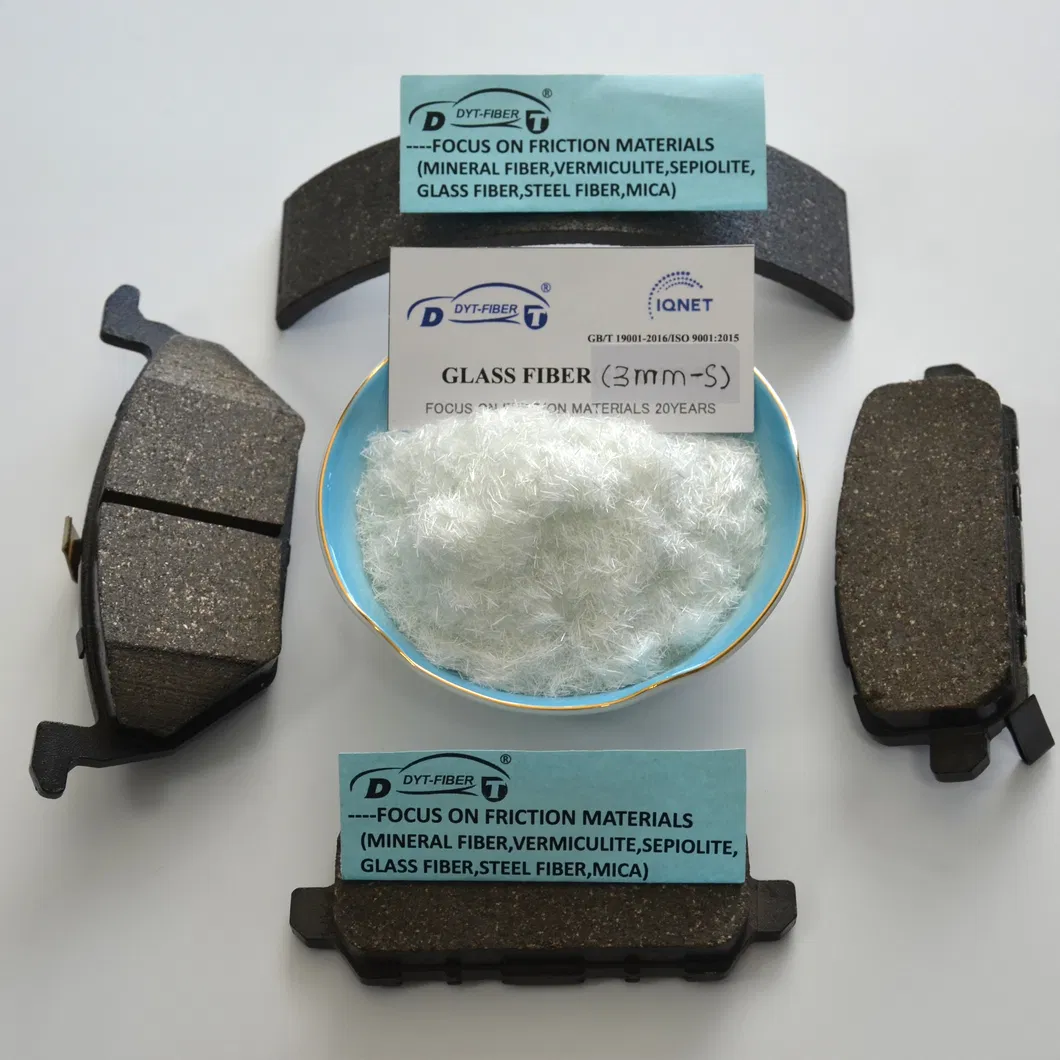
Glass Fiber Application
Glass Fiber Details
Glass Fiber Details
Glass Fiber Details
Glass Fiber Details
Glass Fiber Details
Glass Fiber Details

Frequently Asked Questions

Q1: What are the primary applications for these glass fiber chopped strands? A1: They are ideal for reinforcing thermoplastics (PA, PP, PVC, PC) and are widely used in construction for reinforced concrete, mortar, manhole covers, and automotive friction materials like brake pads and brake linings.
Q2: Which resins are compatible with this product? A2: This product is specifically designed for excellent compatibility with PA66 and PA6 resins, but can also be used with PVC, ABAS, and PC.
Q3: What are the storage requirements for glass fiber? A3: It must be stored in a cool, dry place to prevent moisture penetration. Any opened packages should be resealed as quickly as possible to maintain product quality.
Q4: Does the product cause pilling or fluffing during mixing? A4: No, due to its good fluidity and bundle ability, it avoids pilling and fluffing, ensuring a full and uniform mix with thermoplastic resins.
Q5: What safety precautions should be taken when handling this material? A5: It is recommended to use explosion-proof equipment and local exhaust ventilation. Workers should wear protective eyeglasses or chemical safety goggles to prevent irritation.
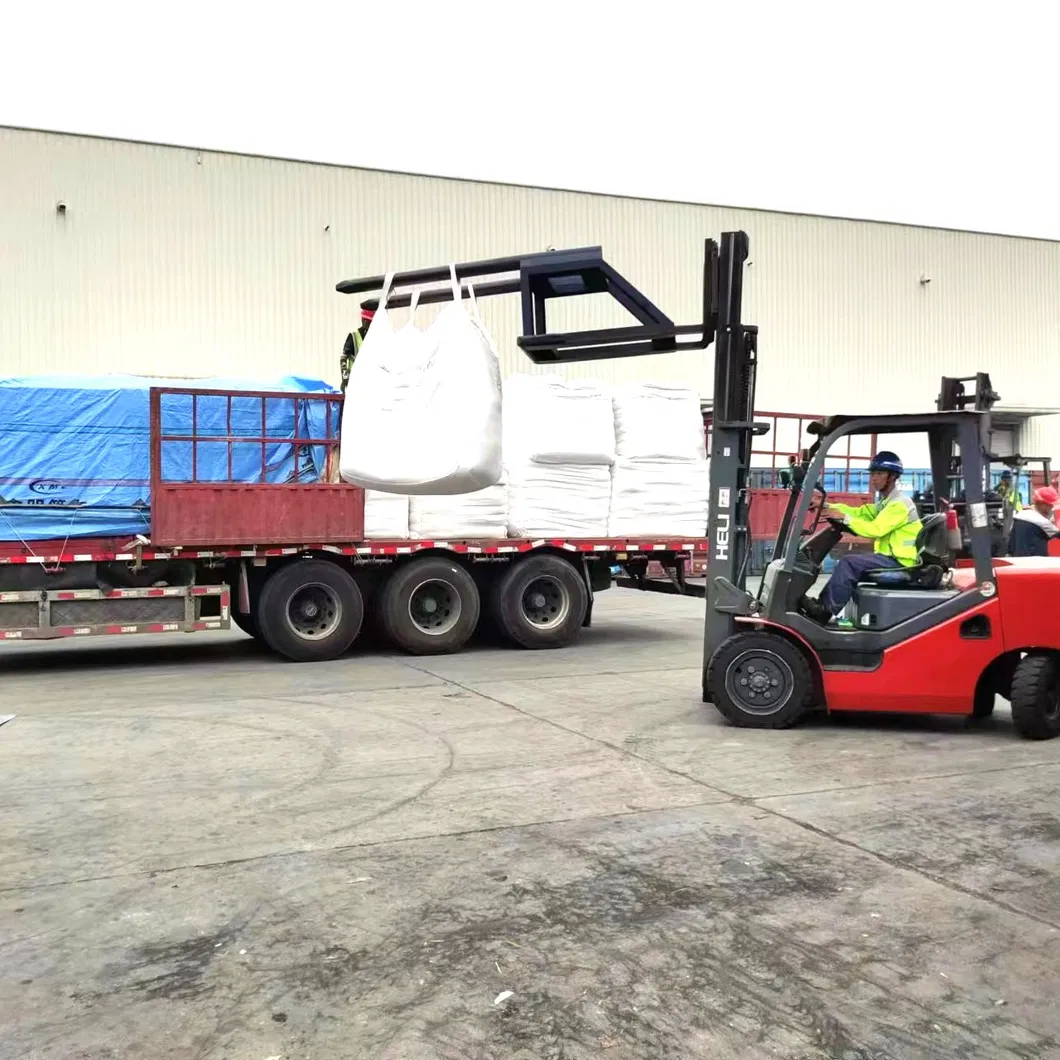
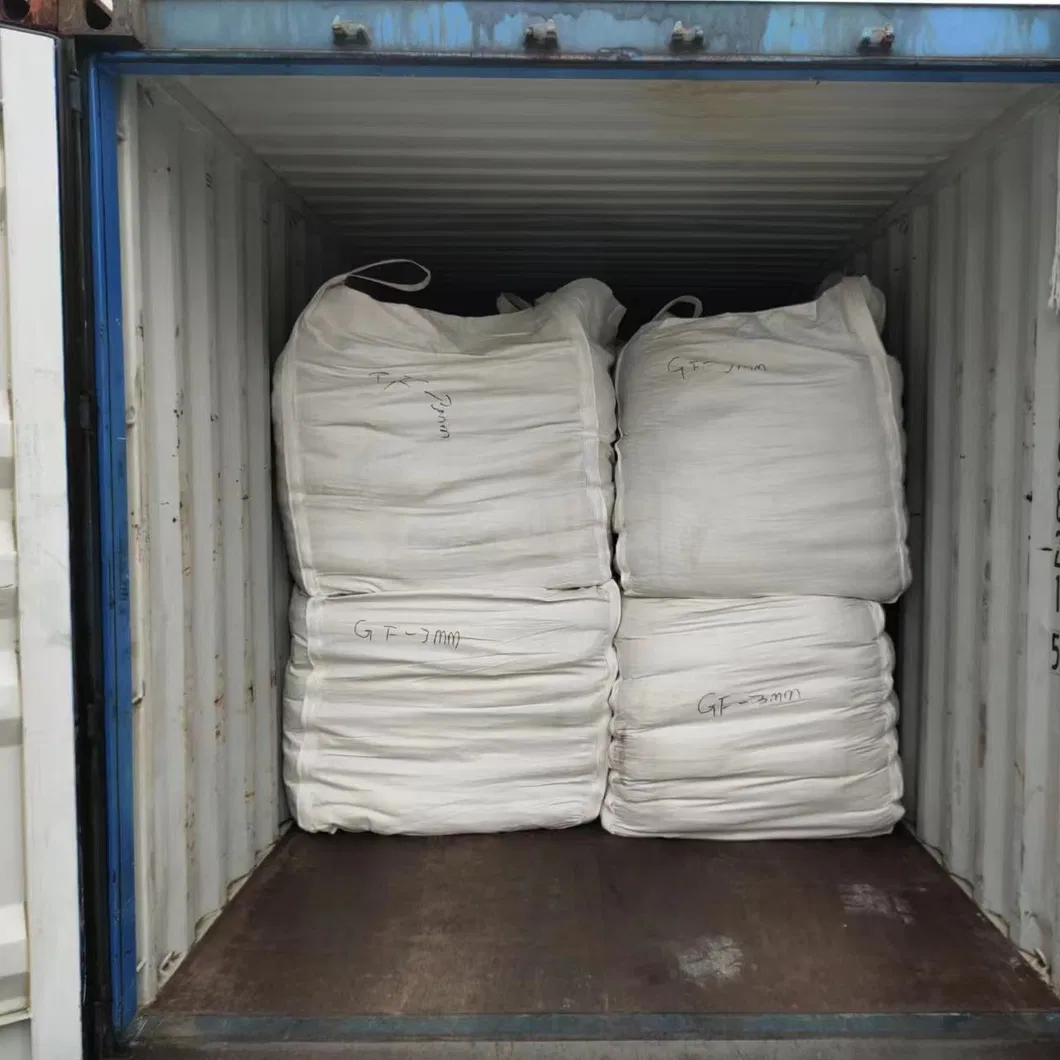
Q6: What is the typical packaging for international transport? A6: The standard packaging is 25kg sacks, with 40 sacks stacked on a wooden pallet that is wrapped, strapped, and shrink-wrapped for secure transport.

Related Products