MOAD AUTO
1 / 5
| SiO2 | Al2O3 | Fe2O3 | Na2O+K2O |
|---|---|---|---|
| 45%-55% | 40-50% | 0.8%-1.0% | 0.2%-0.5% |
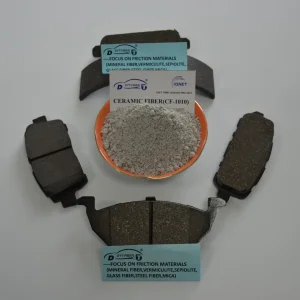
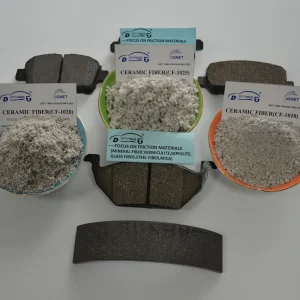
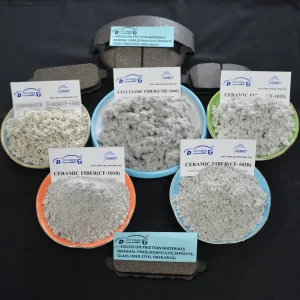
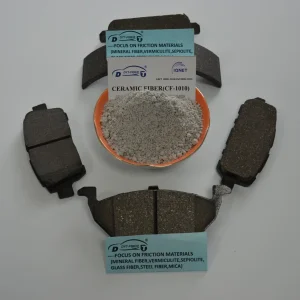
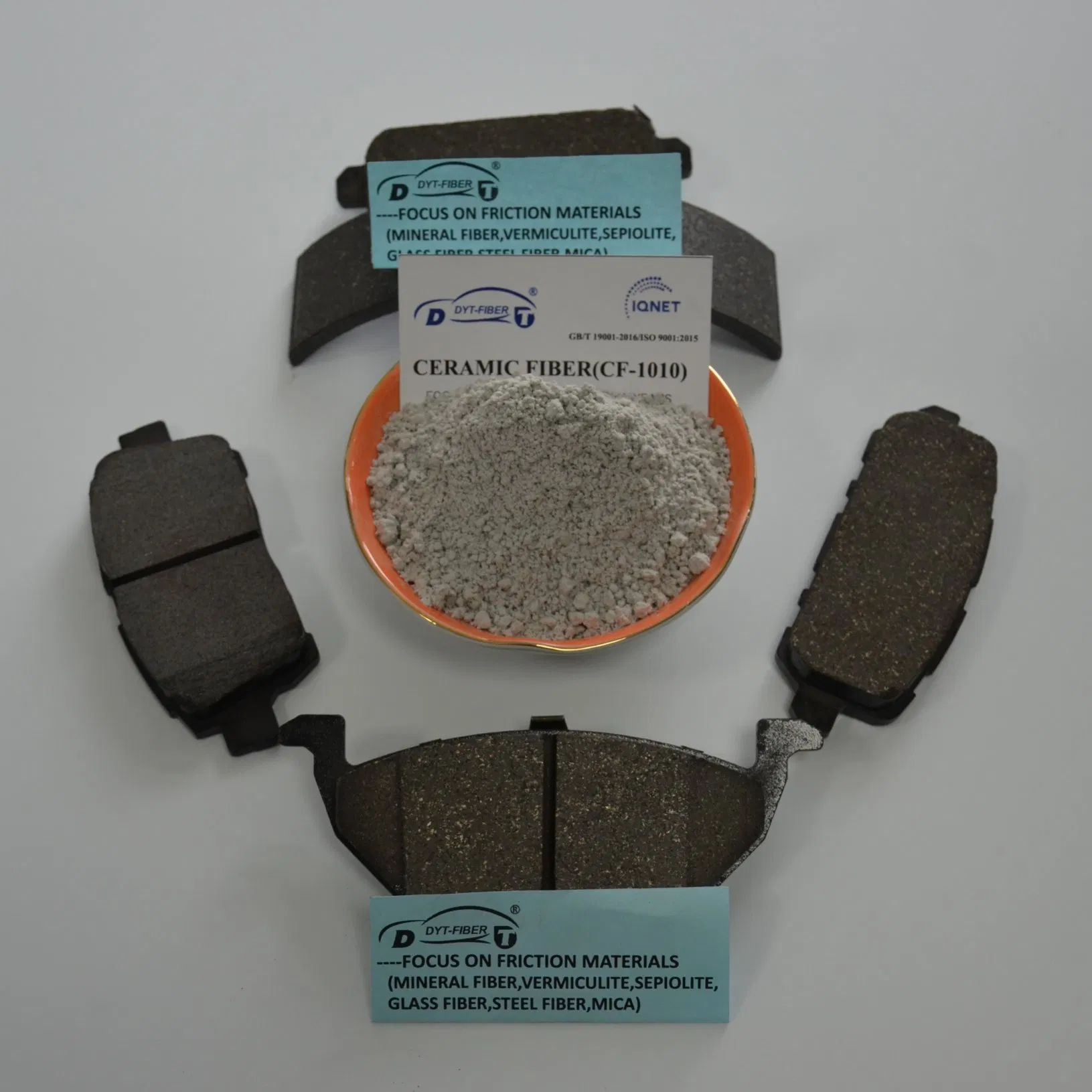
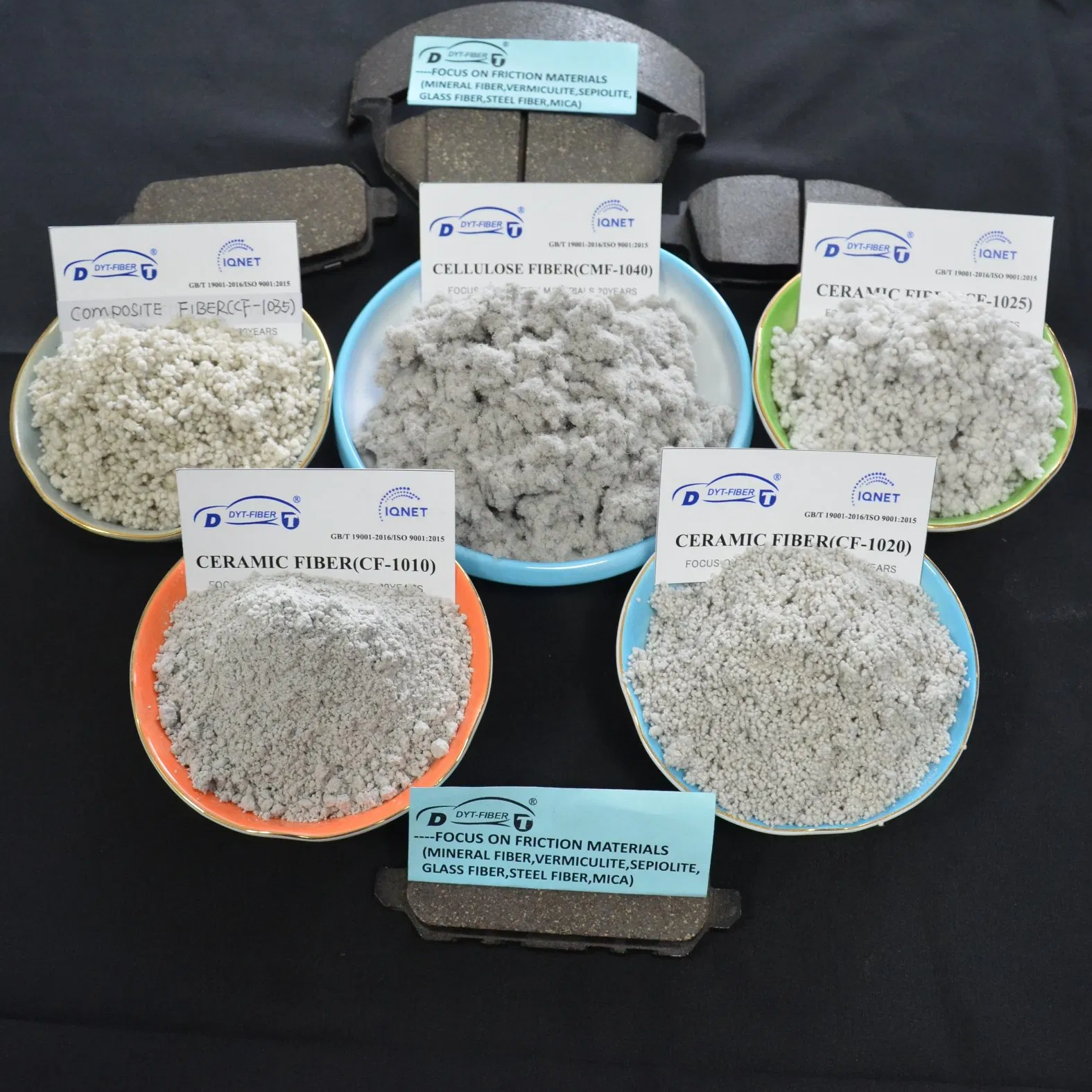
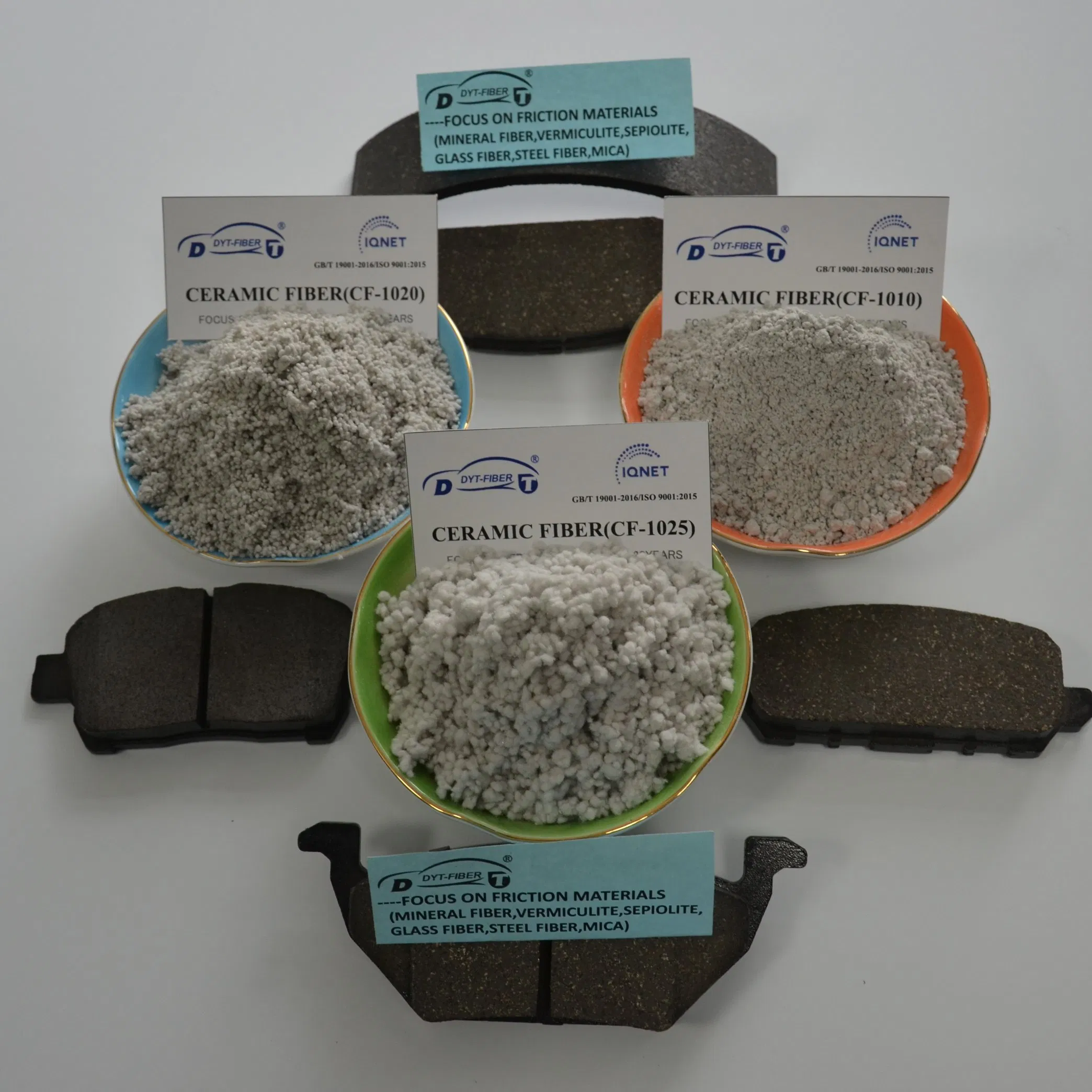
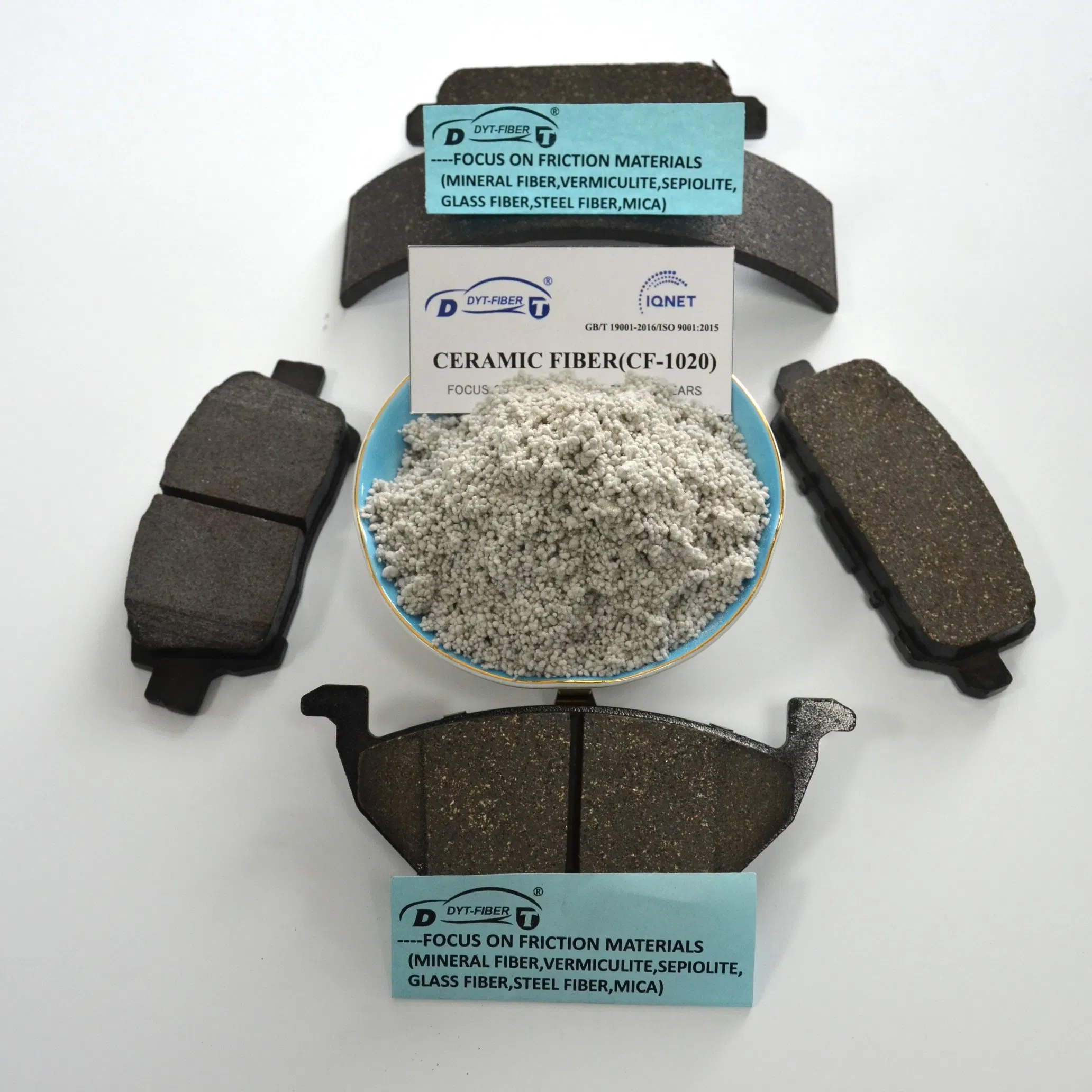
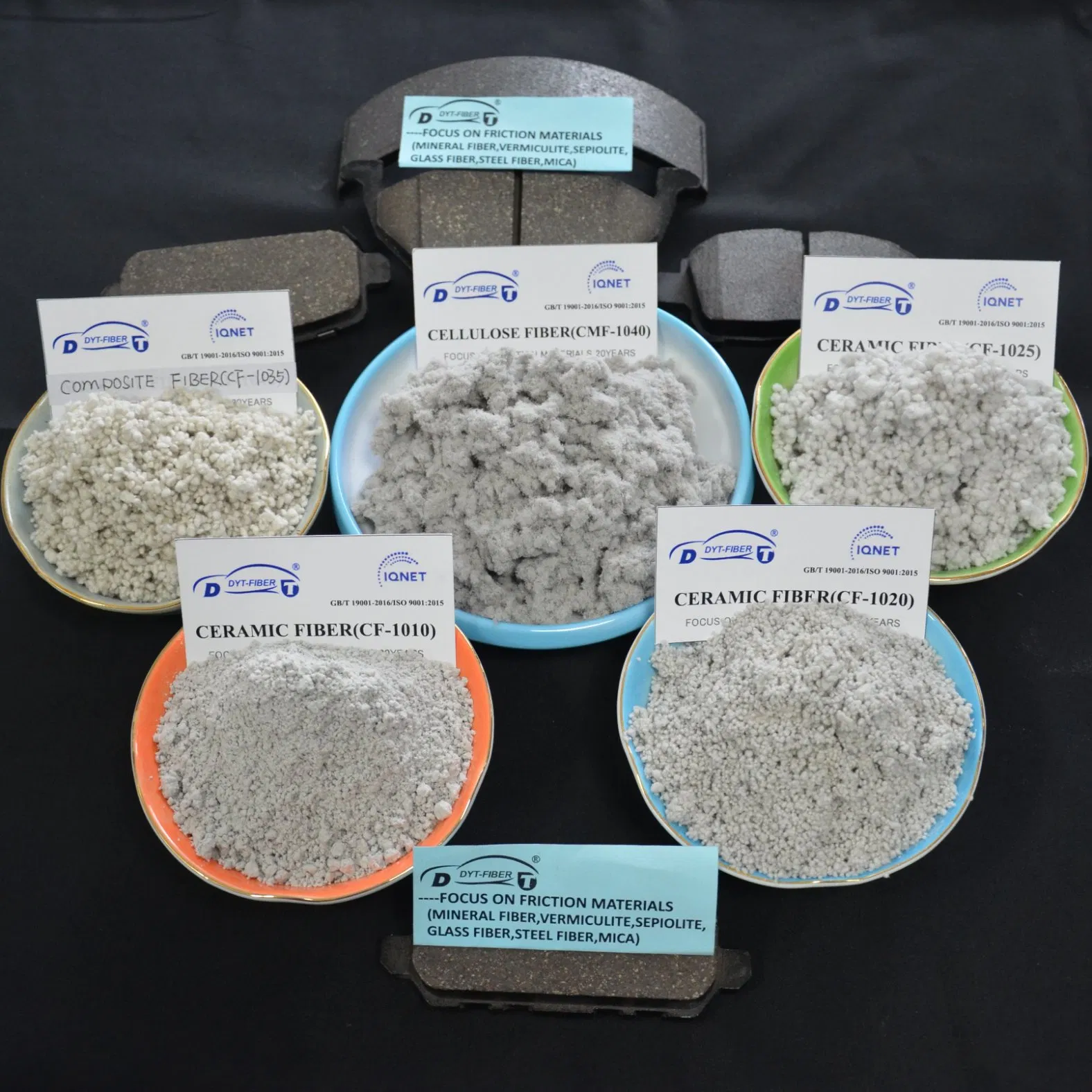
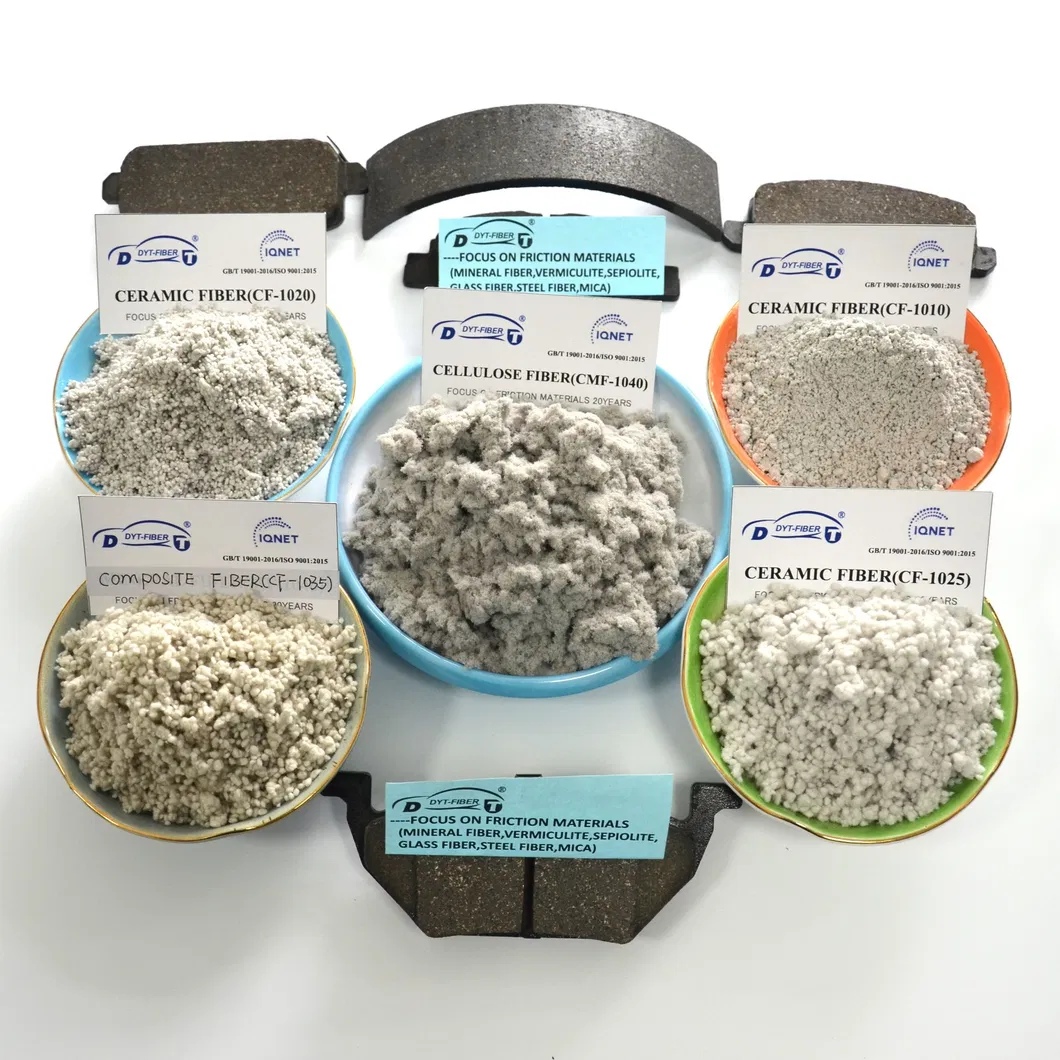
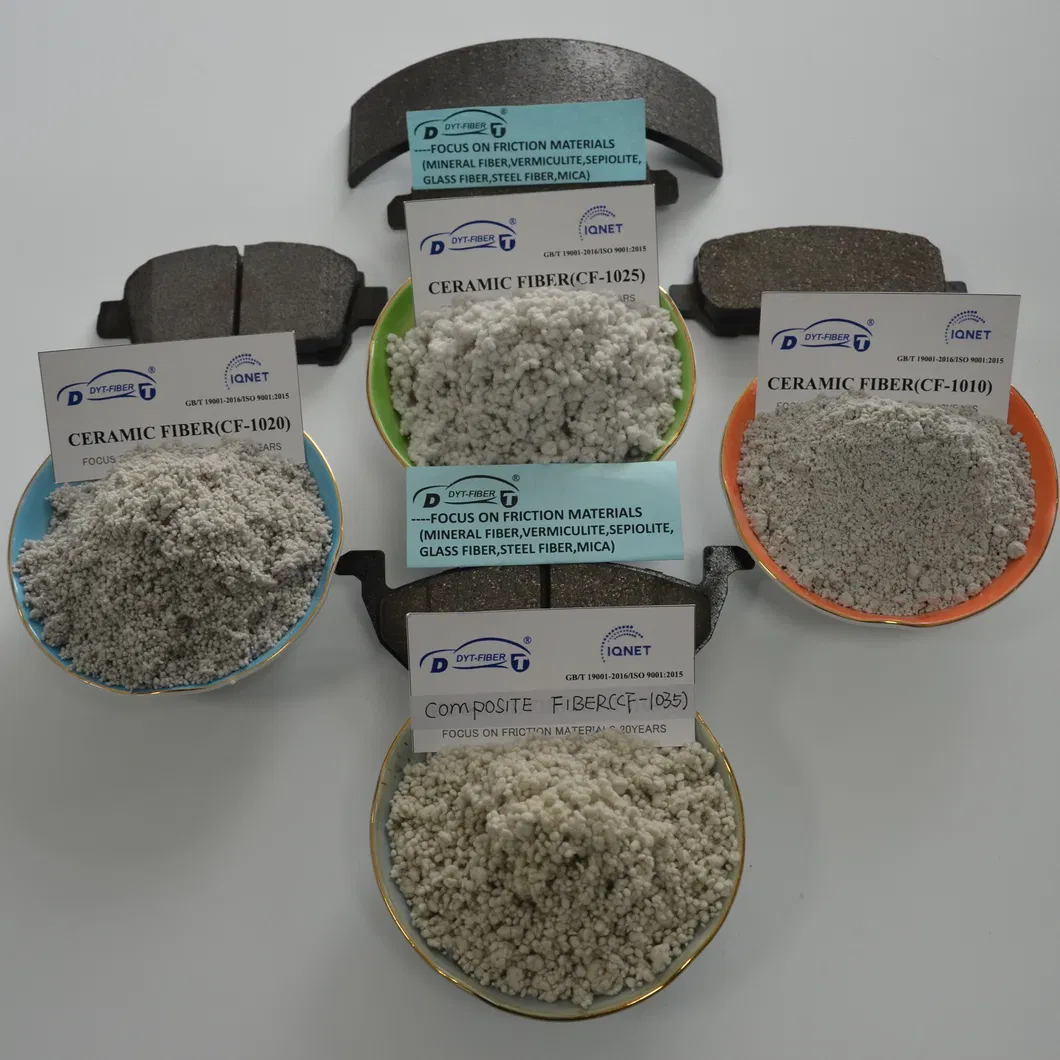
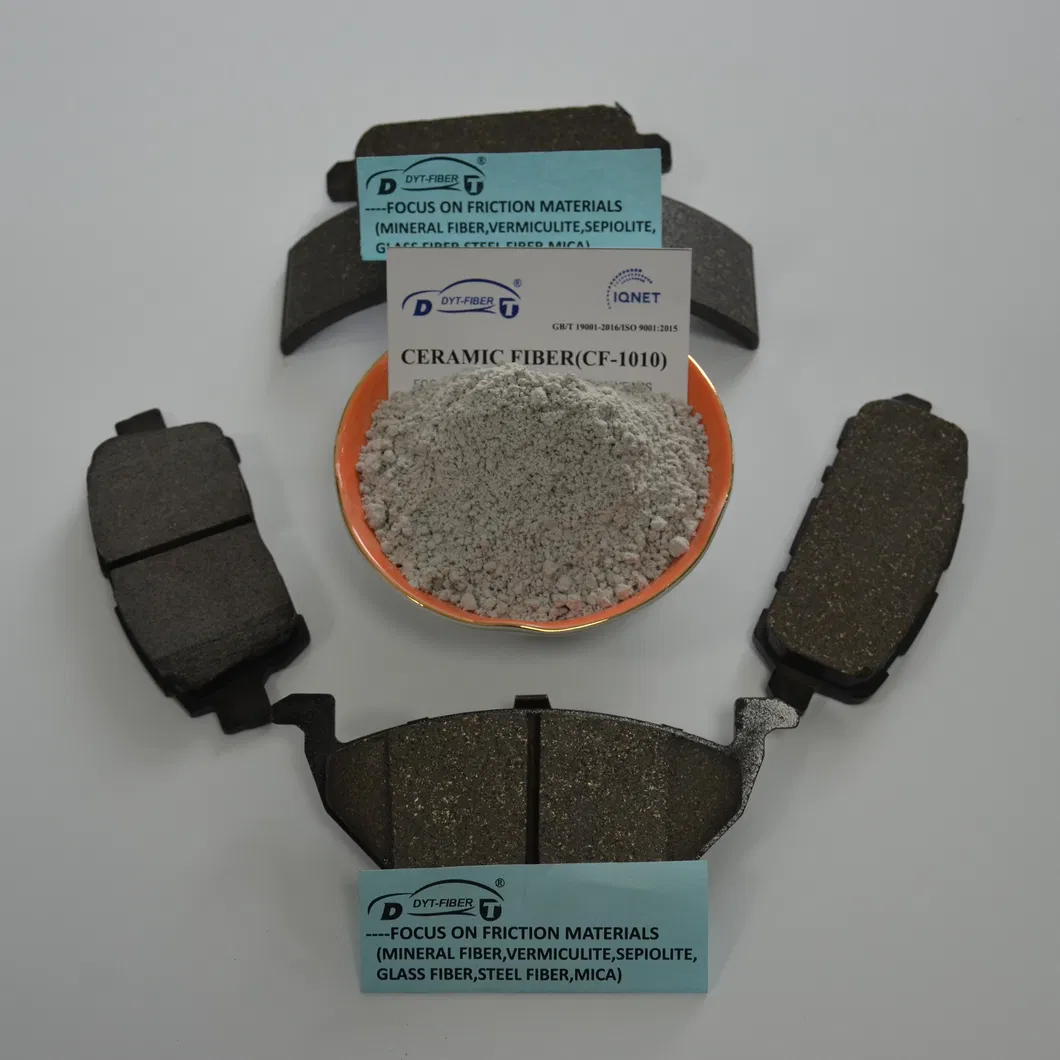
Our ceramic fiber features low heat conductivity, excellent thermal stability, chemical stability, and is non-caustic. Brake linings made from ceramic fiber exhibit high temperature resistance and decentrality. It is ideal for brake linings requiring heat recovery capacity and is compatible with all types of mixers.
| Project | Index (%) |
|---|---|
| Average fiber length | 0.15--2.5mm |
| Average fiber diameter | 4-9um |
| Specific Gravity | 0.25-0.45g/m3 |
| Softening Point | >1750°C |
| Shot Content (>120mesh) | <20 |
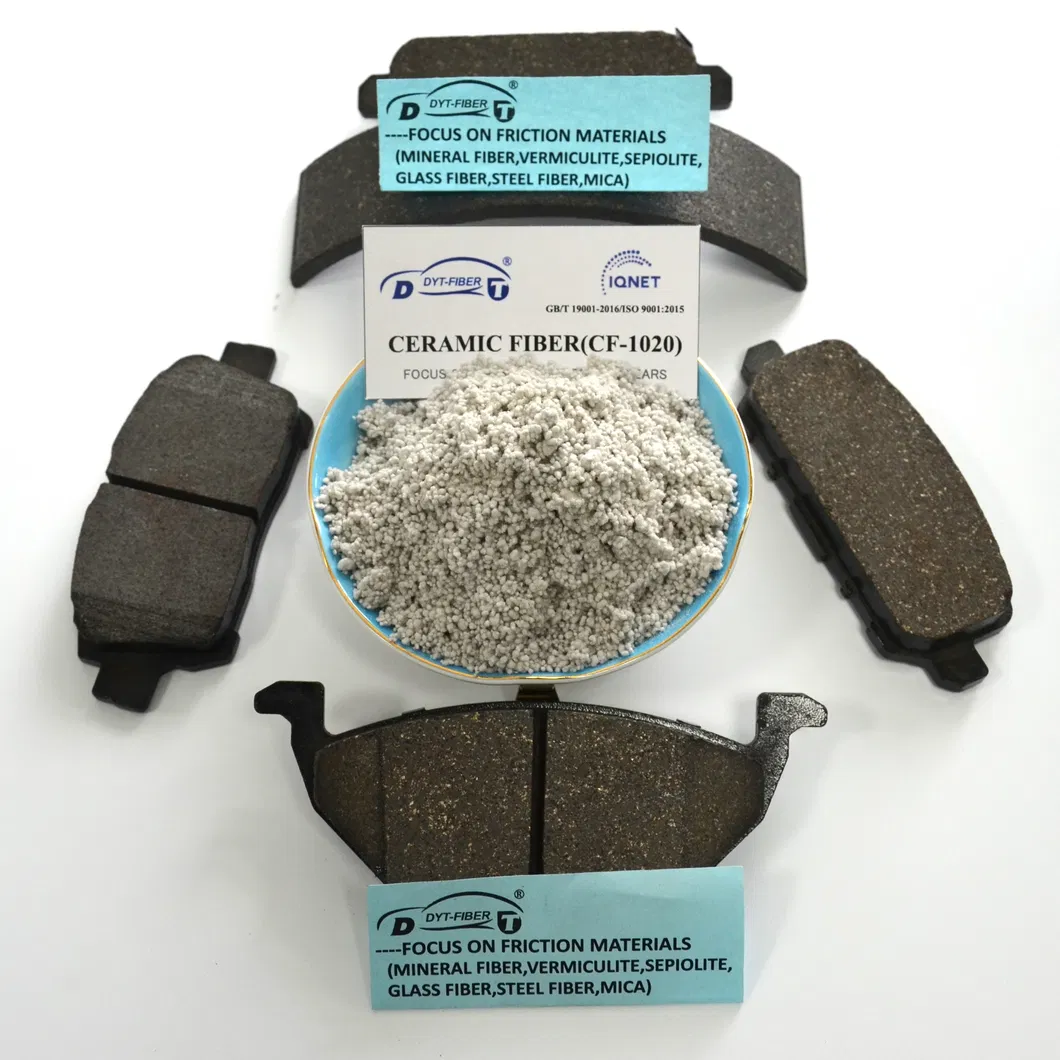
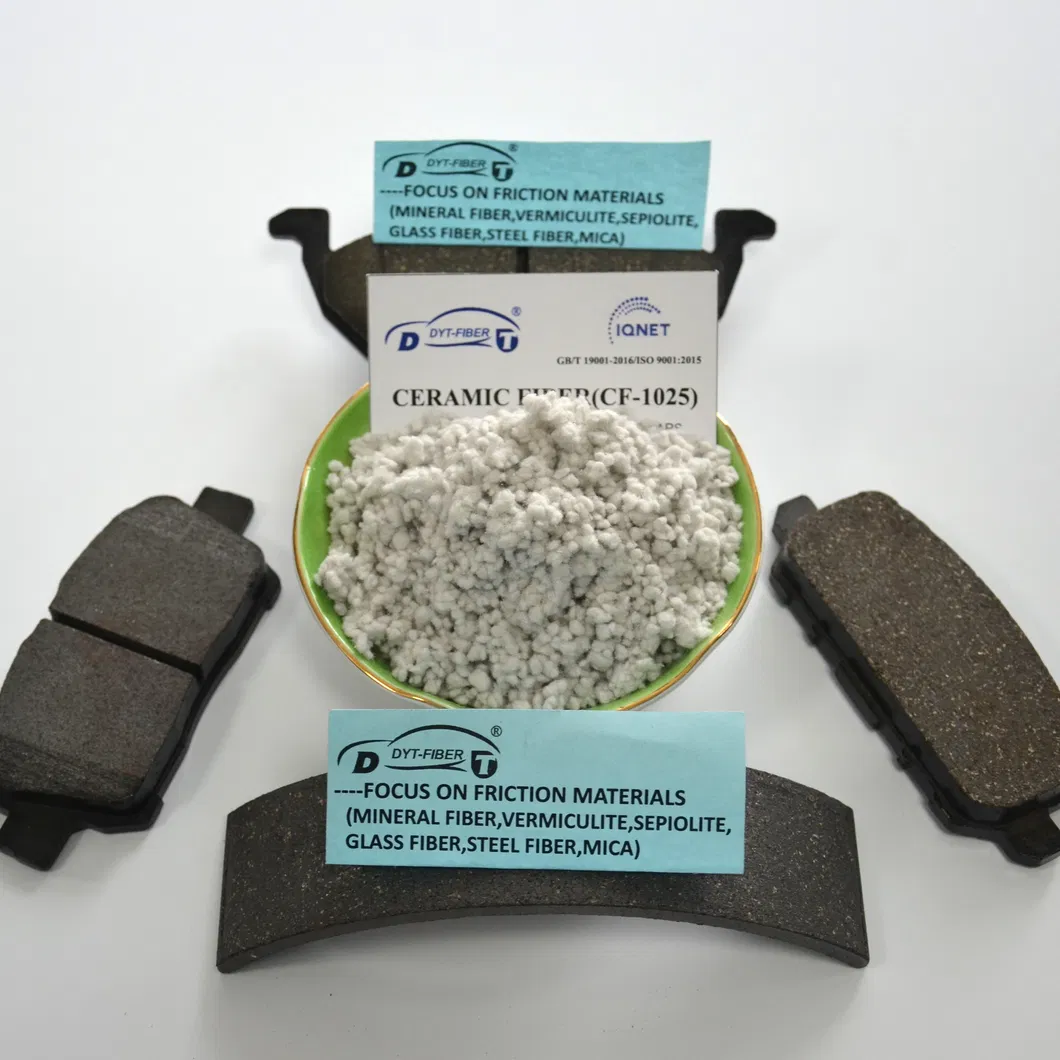
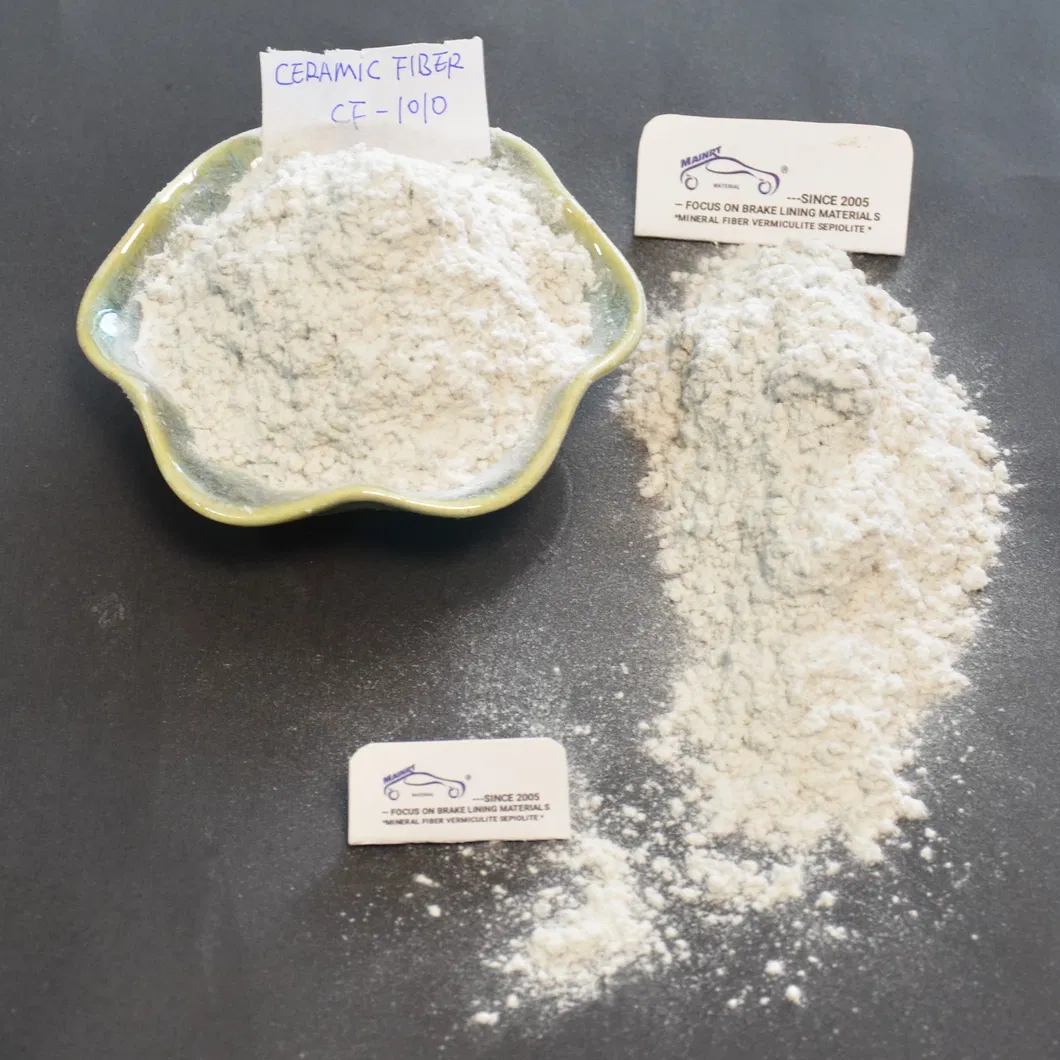
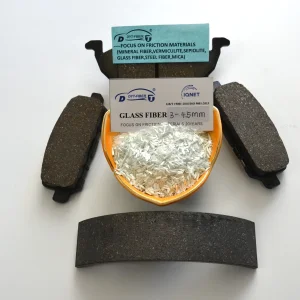
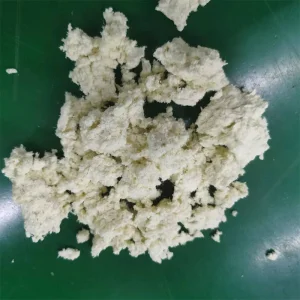
This non-asbestos synthetic fiber is composed of mineral fiber (70%), organic fiber (30%), and surface treatment agents. It offers excellent dispersion and is specifically optimized for cold-type two-step brake lining production processes.
| Project | Indicators |
|---|---|
| Specific Gravity | 2.25g/cm³ |
| Fiber length | 1.0-3.5mm |
| Loose density | 800-1100 cm³/100g |
| Burn loss (800ºC) | 28-32% |
| Main ingredients | Mineral Fiber 70%, Cellulose Fiber 30% |
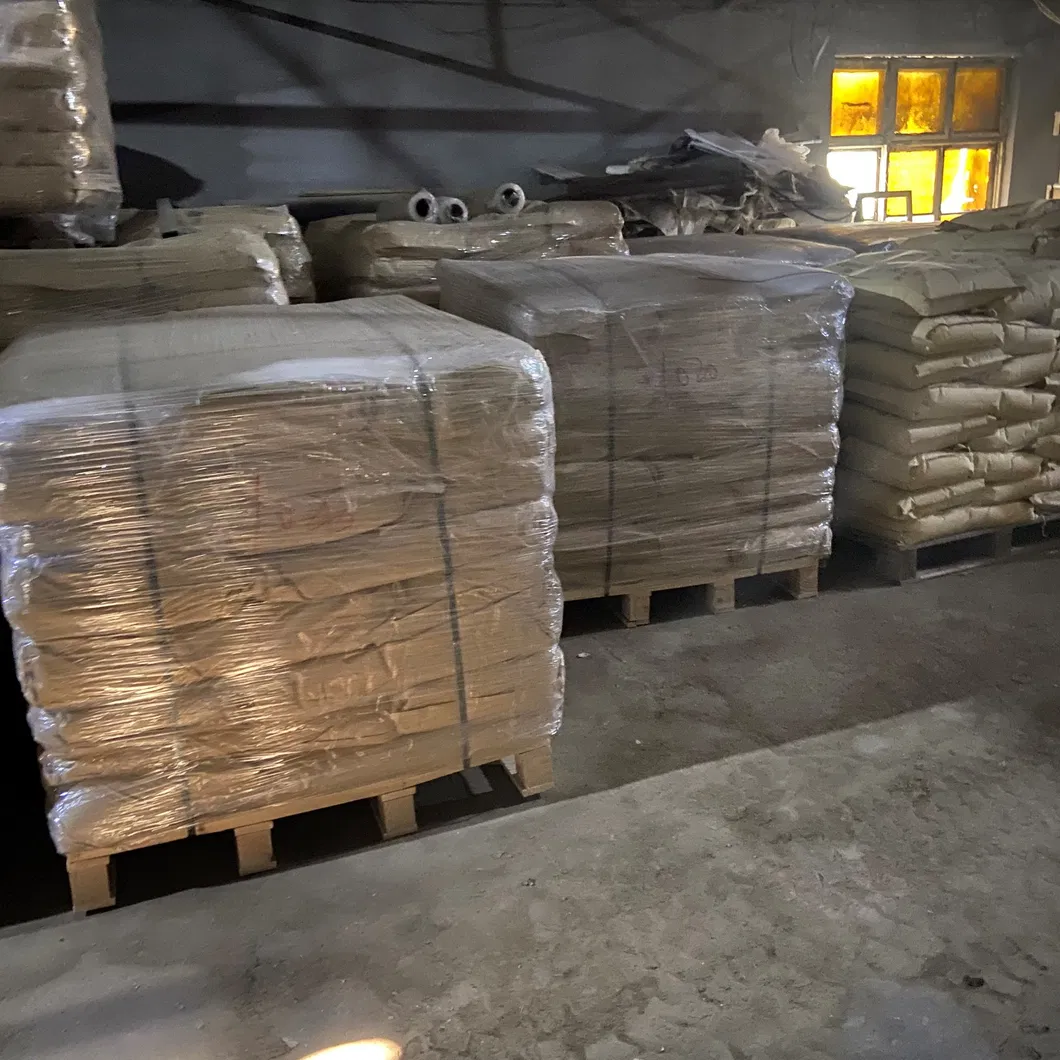
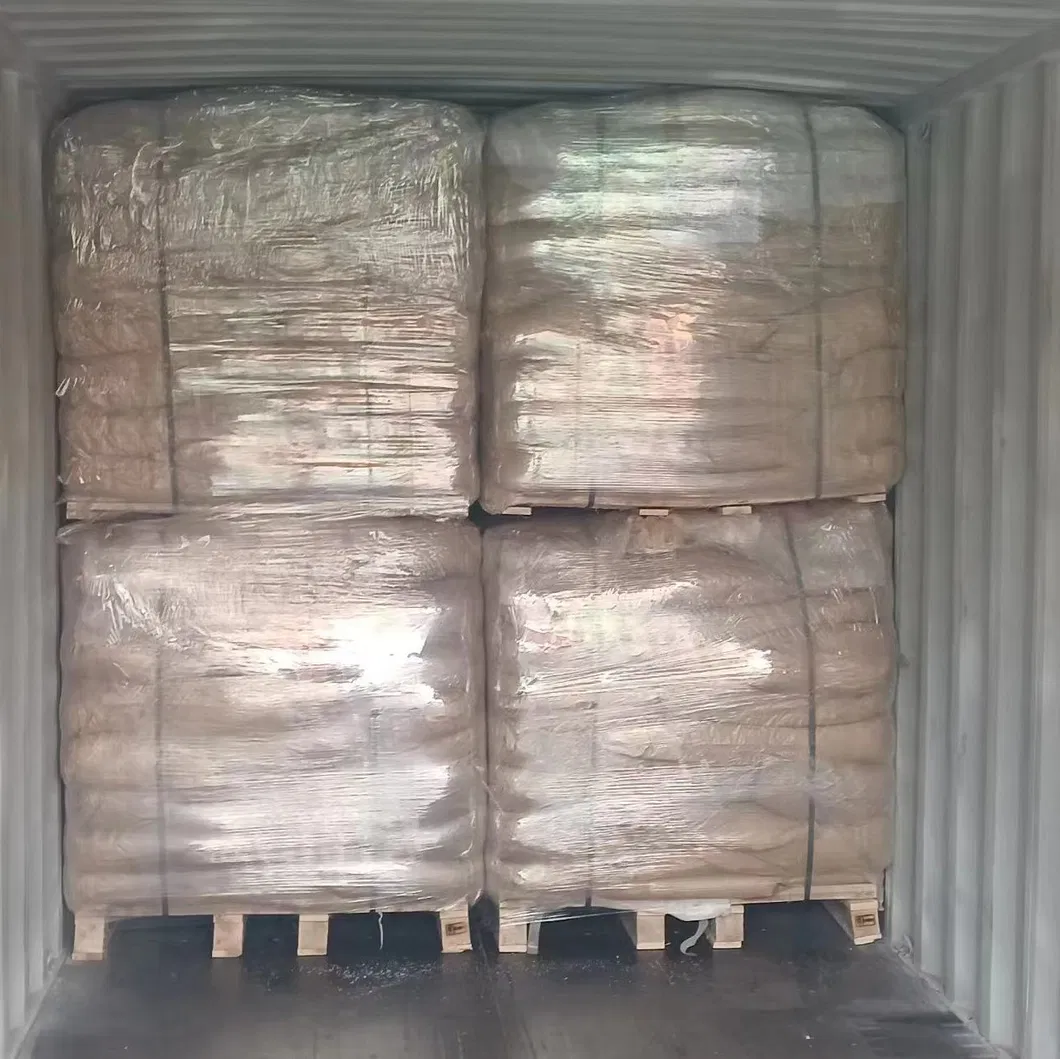
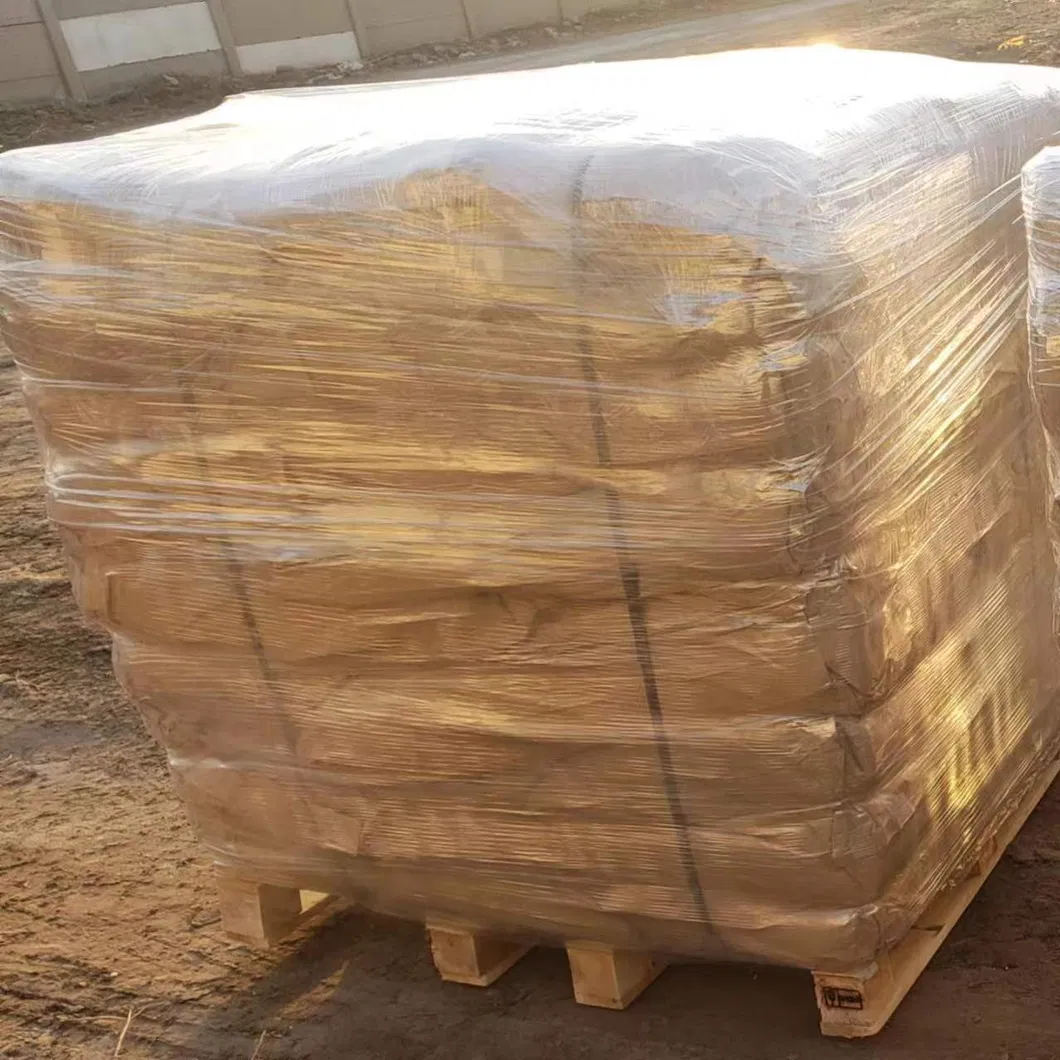
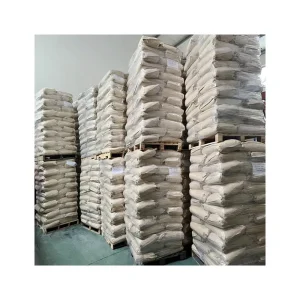
Must be stored in a cool, dry place to prevent moisture penetration. Opened packs should be resealed as soon as possible to maintain product integrity.