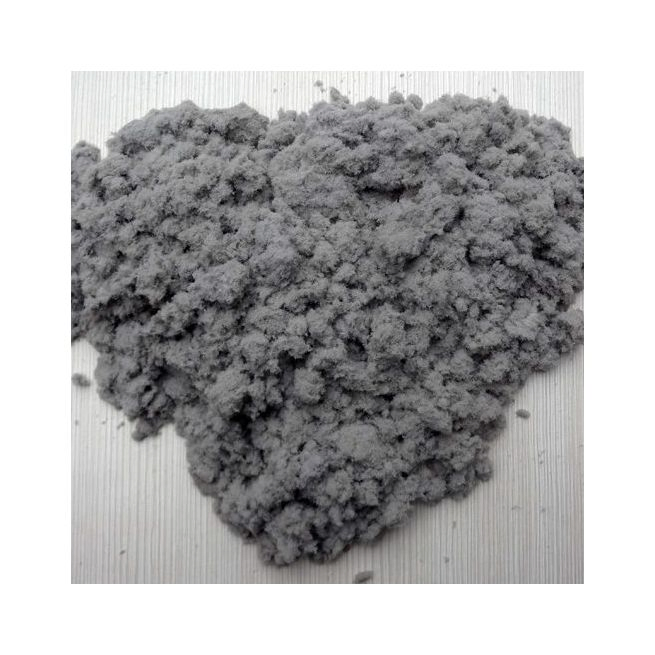
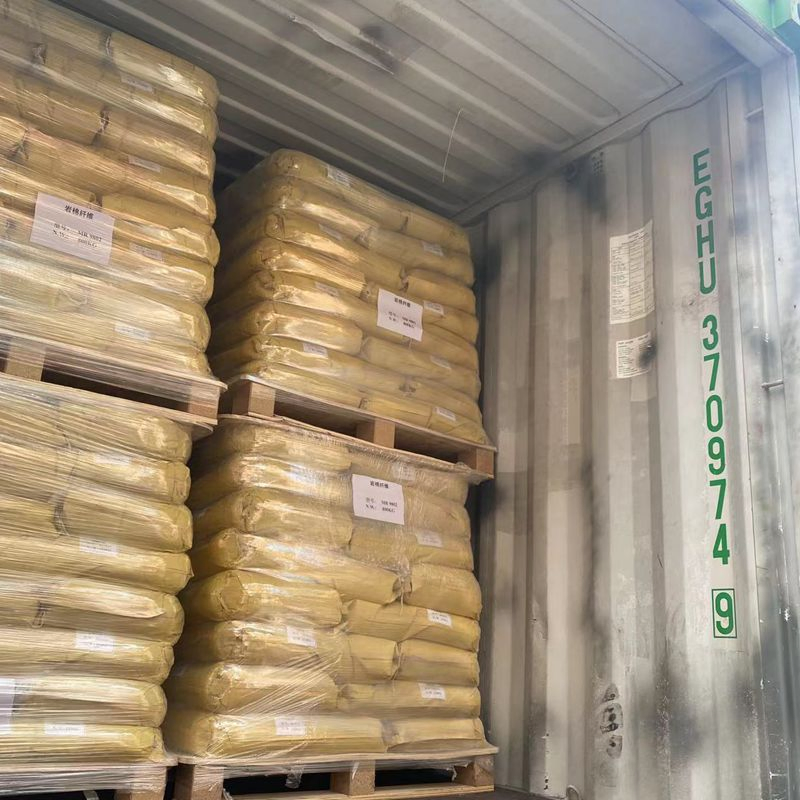
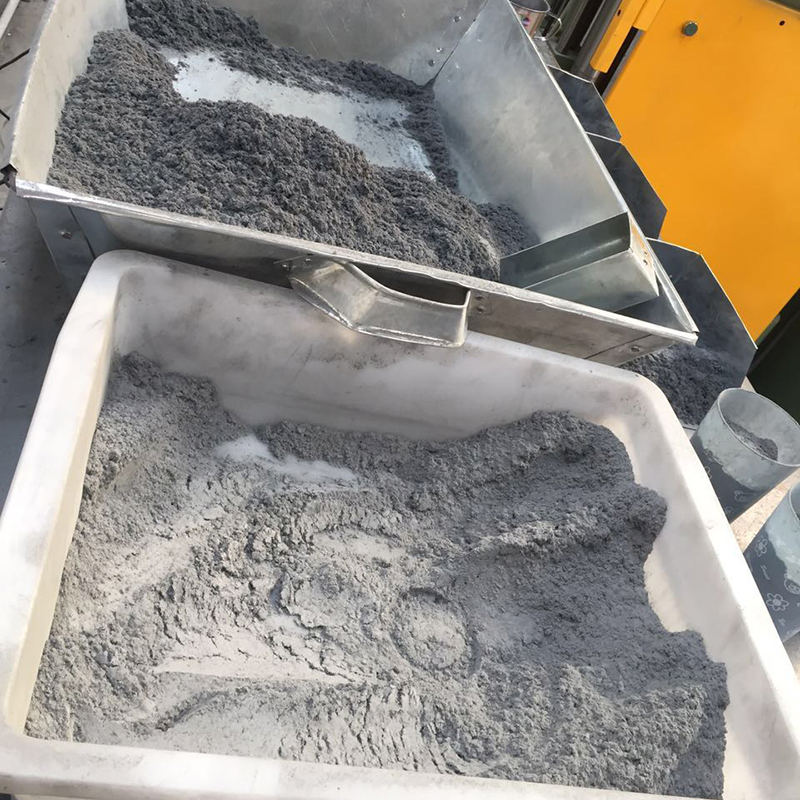
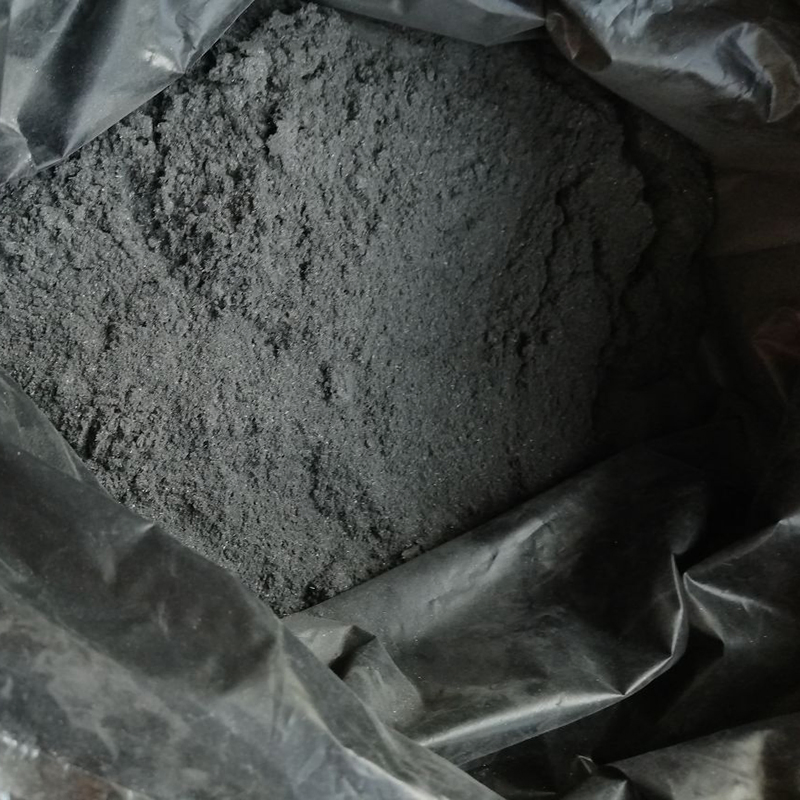
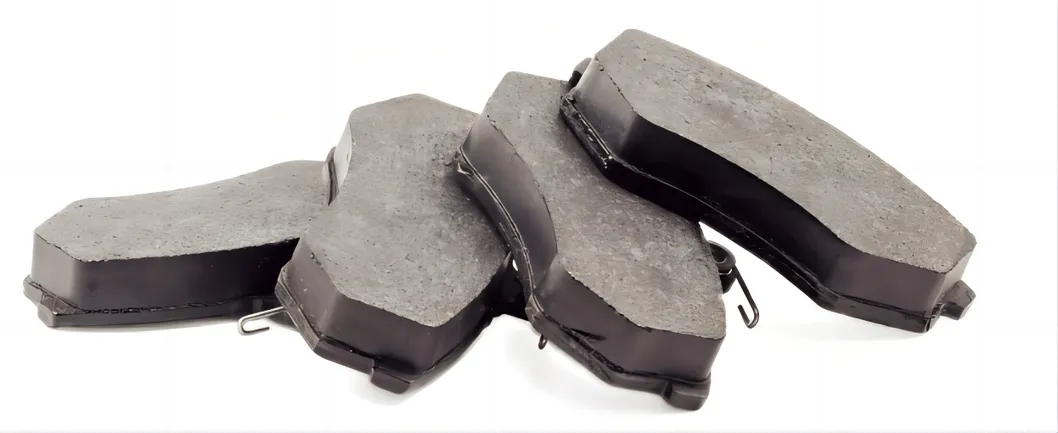
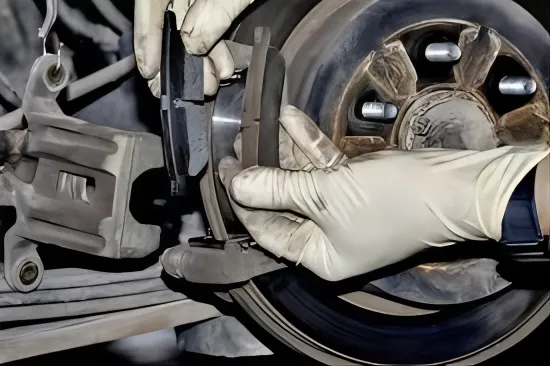
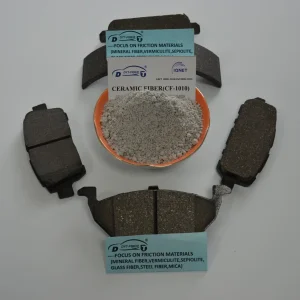
Process of Brake Pads Manufacturing
1. Material Selection
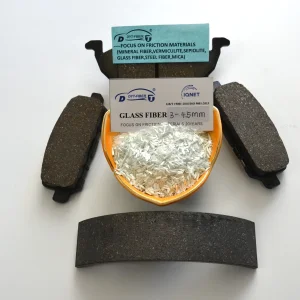
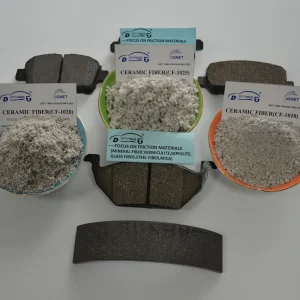
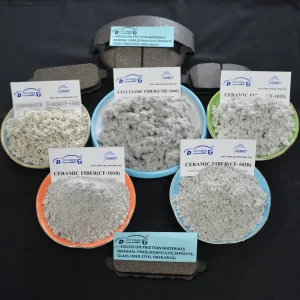
The first step is to select appropriate materials including friction materials (organic, semi-metallic, or ceramic), binders, and reinforcements.
2. Mixing
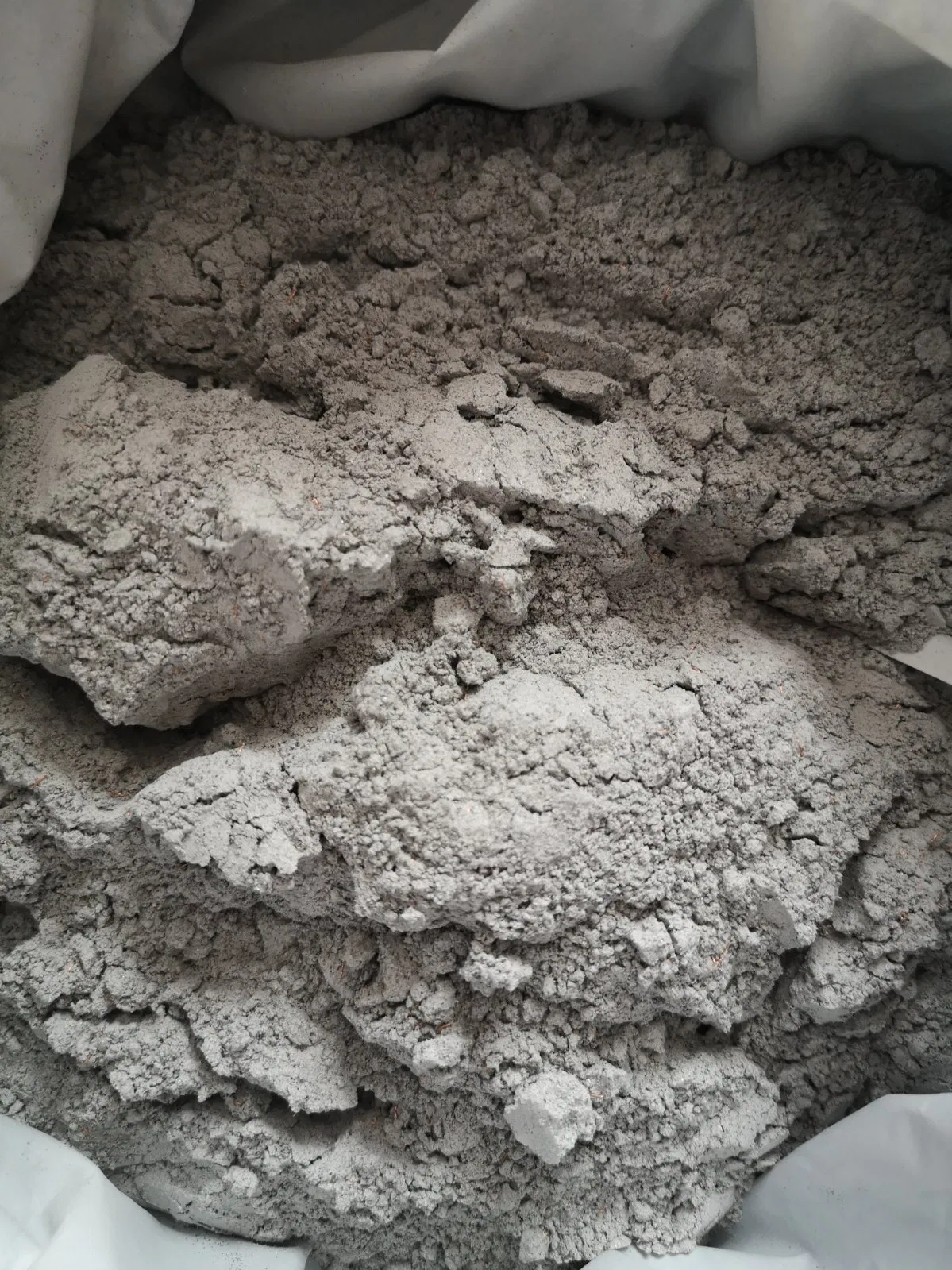
Selected materials are mixed in a specific ratio to form a homogeneous brake pad compound.
3. Molding
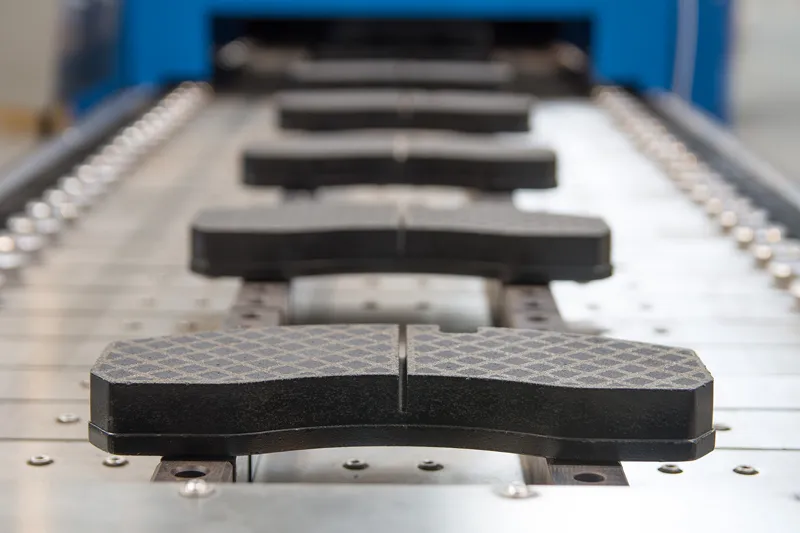
The compound is molded into the desired shape using high-pressure techniques to define its final structure.
4. Curing
Molded pads are cured at high temperatures to strengthen bonds and improve overall performance.
5. Finishing
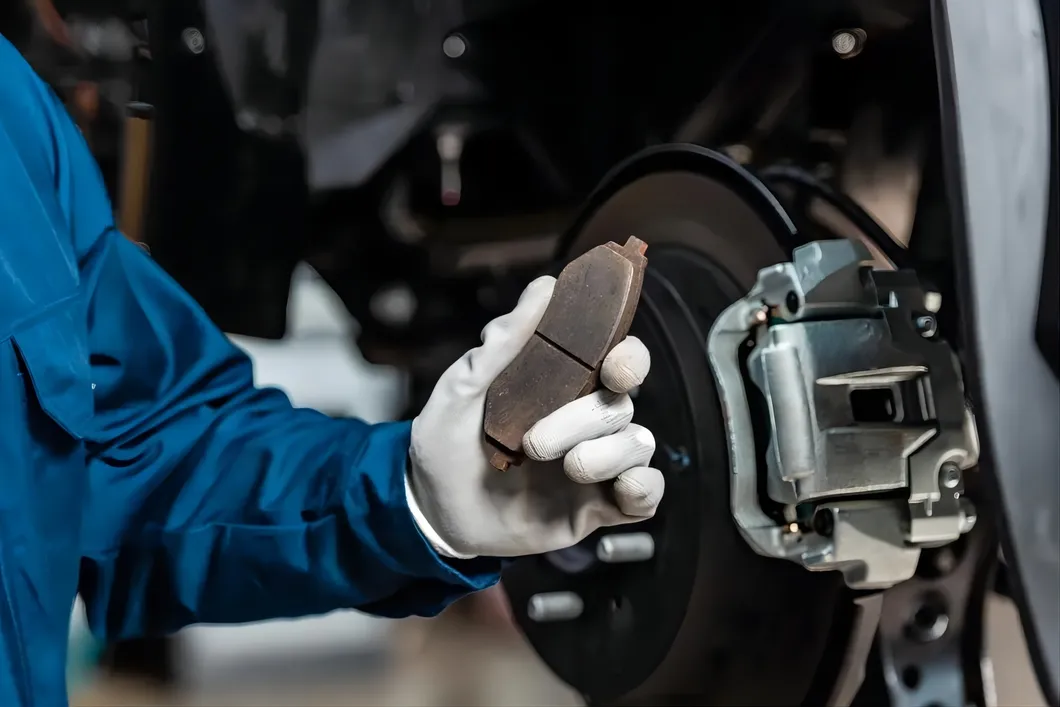
Post-curing processes like grinding or chamfering ensure smooth surfaces and proper fitment.
Common Brake Pad Formulas
1. Metal-less Formula (Organic)
Designed for low noise and low dust. Includes Organic fibers (Kevlar/Carbon), fillers (Graphite/Ceramic), and high-performance phenolic resins.
2. Semi-metallic Formula
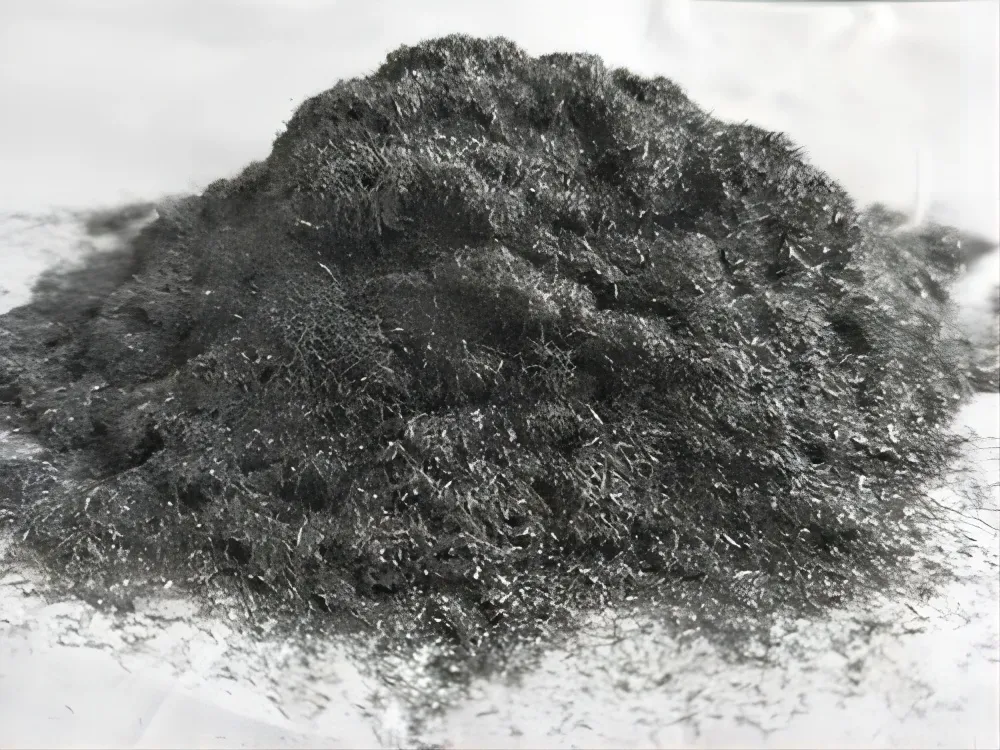
Known for durability and heat dissipation. Includes Metal fibers (Steel/Copper), graphite fillers, and high-quality synthetic binders.
3. Ceramic Formula
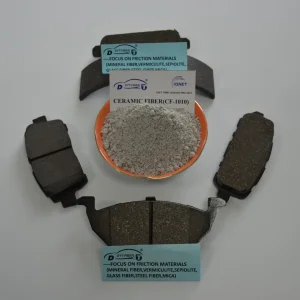
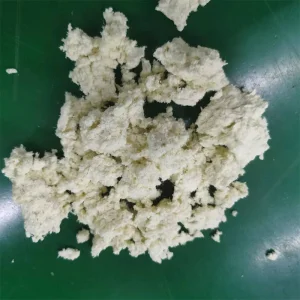
Exceptional performance with minimal dust. Primarily uses ceramic fibers and particles, reinforced with heat-resistant inorganic binders.
Frequently Asked Questions
What is the standard lead time for orders?
The typical delivery lead time is approximately 10 days after order confirmation.
Can I request a sample before placing a bulk order?
Yes, we provide free samples within 1kg to help you evaluate our material quality.
What are the main types of brake pad formulas you offer?
We provide three primary formulas: Metal-less (Organic), Semi-metallic, and Ceramic formulas to suit different driving conditions.
Is customized packaging available for the products?
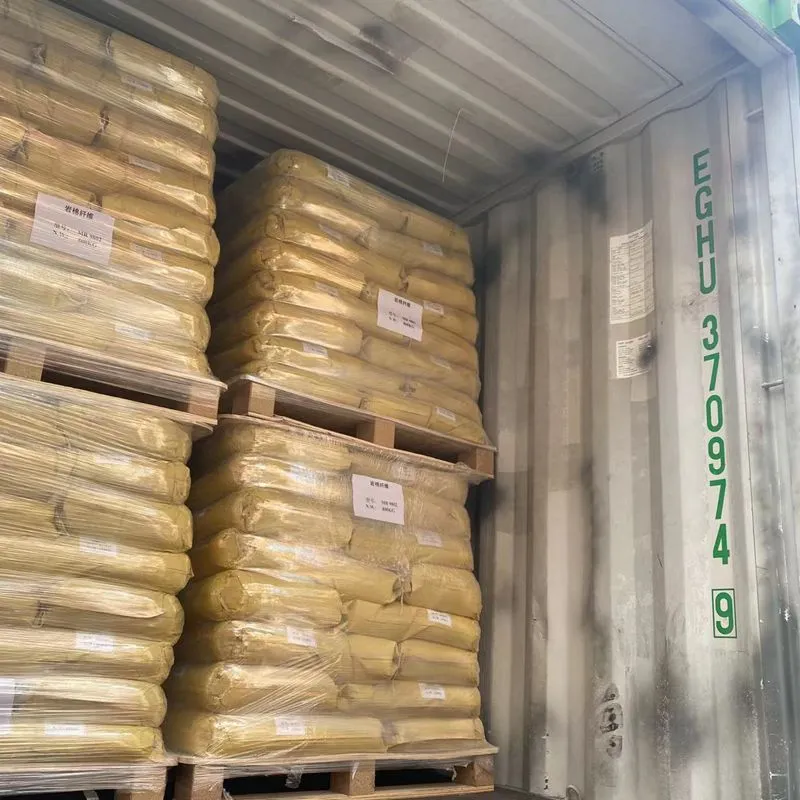
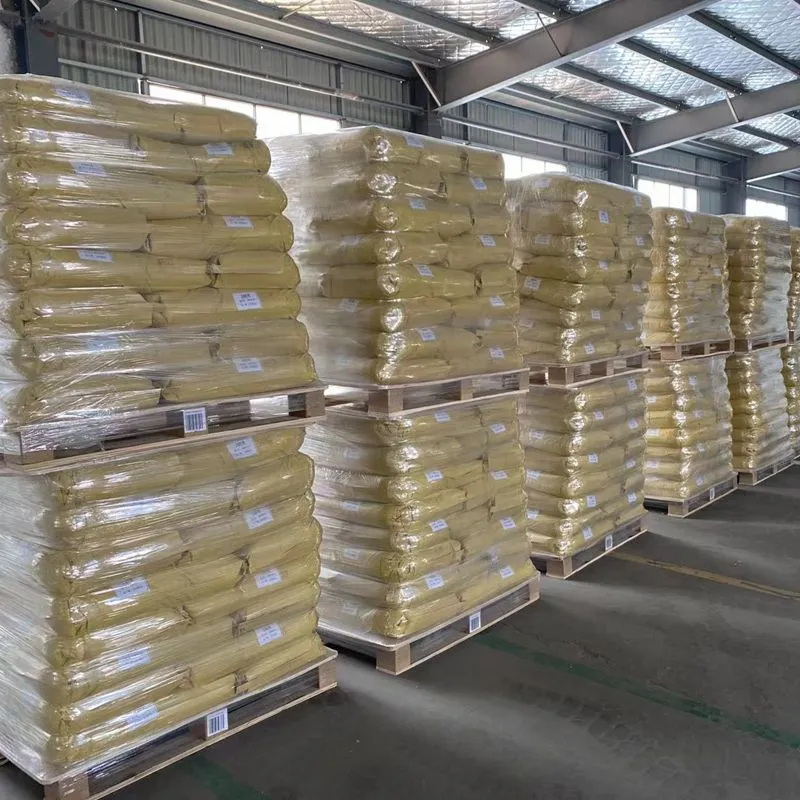
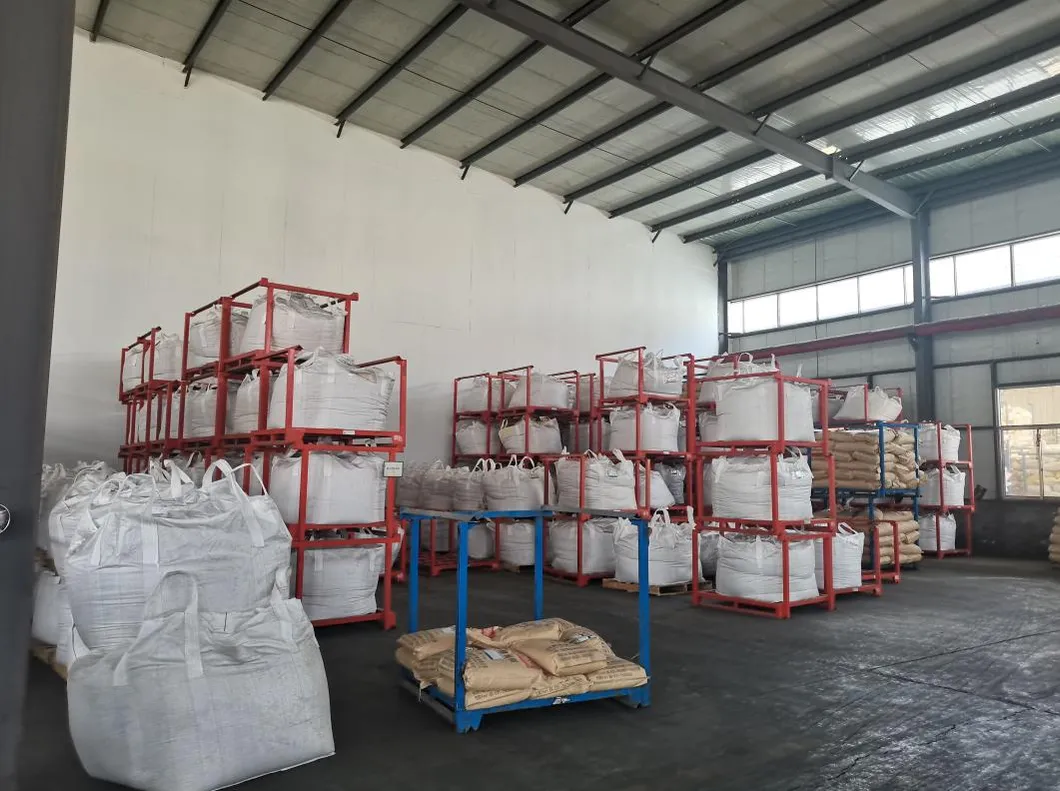
Yes, we accept customized packaging requirements to meet your specific branding or transport needs.
How do you ensure the quality of the brake pad compounds?
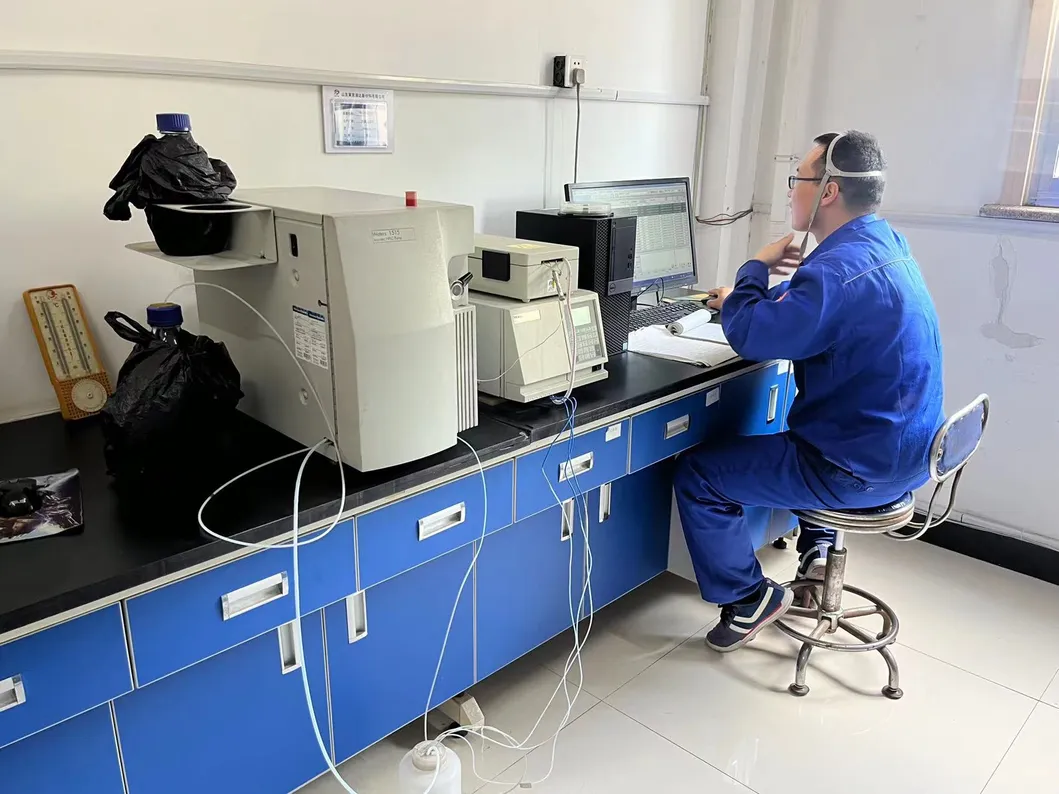
We conduct rigorous screening for friction characteristics, temperature resistance, and offer video inspections for transparency.
What is your daily production capacity?
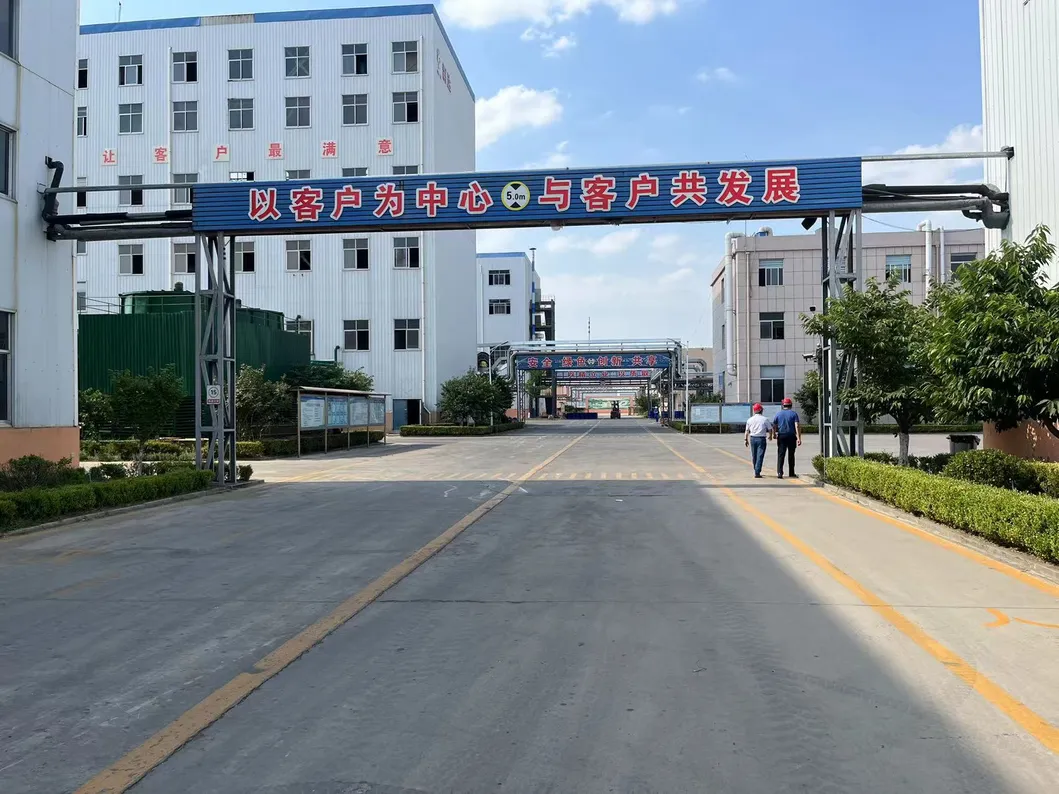
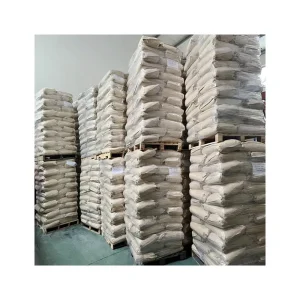
Our facility has a production capacity of 100 tons per day, ensuring reliable supply for large-scale requirements.
 MOAD AUTO