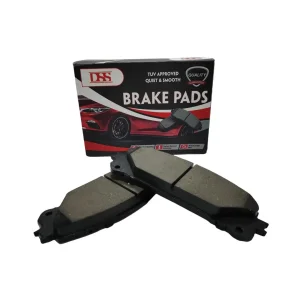
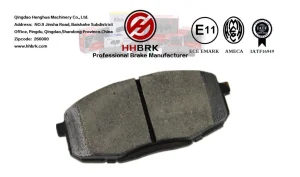
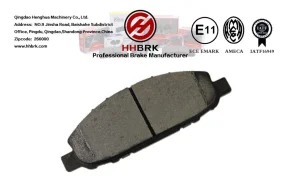
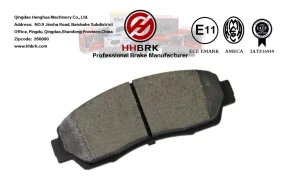
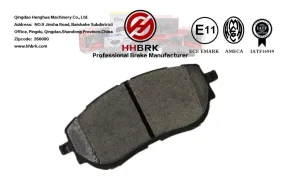
Hangzhou MOAD AUTO Co., Ltd. is a premier professional manufacturer specializing in the vanguard of brake system components. Based in the industrial hub of Hangzhou, China, we have established ourselves as a cornerstone in the global automotive supply chain. Our expertise spans from high-performance ceramic brake pads and precision-engineered brake rotors to advanced automotive friction materials.
By integrating cutting-edge Research and Development (R&D) with state-of-the-art production and rigorous quality control, MOAD AUTO delivers comprehensive braking solutions to international markets. Our mission is to redefine safety and durability in the automotive aftermarket and OEM sectors.
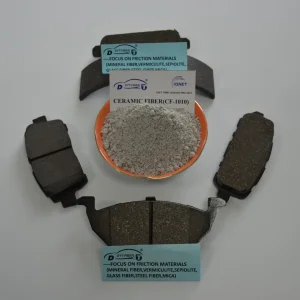
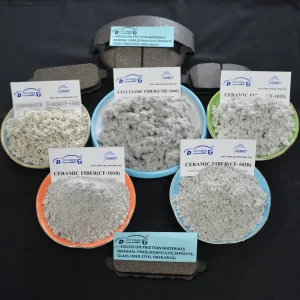
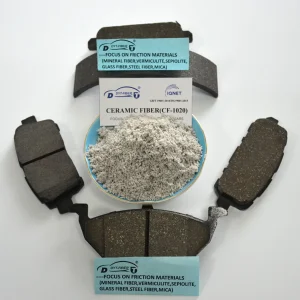
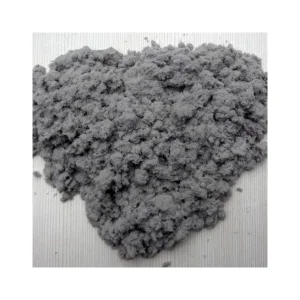
With a robust technical team and advanced manufacturing facilities, we are committed to meeting and exceeding strict industry standards. Every stage of production, from raw material selection—including premium Ceramic Fiber CF-1025 and CF-1035—to final inspection, is governed by a precise testing system. This ensures that every brake component we produce maintains stable performance under extreme driving conditions, whether for passenger vehicles or heavy-duty commercial fleets.
The global automotive industry is currently witnessing a tectonic shift from traditional semi-metallic braking systems to ceramic-based technology. As of 2024, the ceramic brake pads market is valued at billions of dollars, driven by the increasing consumer demand for low-noise, low-dust, and high-thermal stability braking solutions. In developed regions like North America and Europe, ceramic pads have become the standard for premium and luxury vehicle segments due to their superior NVH (Noise, Vibration, Harshness) characteristics.
Furthermore, the rise of Electric Vehicles (EVs) has accelerated the need for ceramic materials. EVs require braking systems that can handle different thermal profiles while remaining exceptionally quiet, as the absence of engine noise makes brake squeal more noticeable to the driver. This "silent performance" is where companies like MOAD AUTO lead the market, providing materials that integrate Graphene and High-Grade Ceramic Fibers.
Exporting Countries
Brake Pad Models
Strict QC Inspection
Safety Certified
Global environmental regulations, particularly in California and Washington (Better Brakes Act), are mandating the reduction of copper in friction materials. We have pioneered "NAO" (Non-Asbestos Organic) and low-copper ceramic formulas to meet these green standards.
The braking dynamics of EVs, utilizing regenerative braking, require pads that can resist corrosion and maintain friction stability despite less frequent use. Our ceramic compounds are specifically optimized for the EV lifecycle.
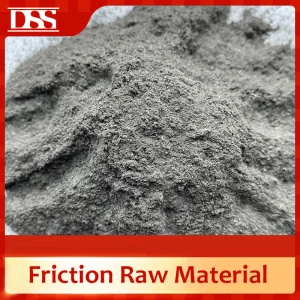
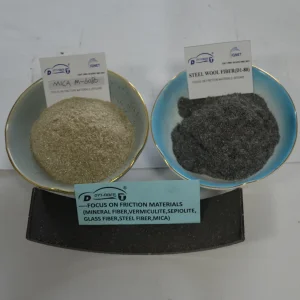
We utilize AI-driven data analysis to optimize the mixture of Steel Wool Fiber, Vermiculite, and Ceramic Fibers, ensuring that each batch has a consistent friction coefficient and wear rate.
Global procurement managers from regions like the Middle East, South America, and Southeast Asia increasingly look to China for high-quality brake system solutions. The advantage of a Chinese factory like MOAD AUTO lies in our integrated supply chain and cost-efficiency without compromising on technical excellence.
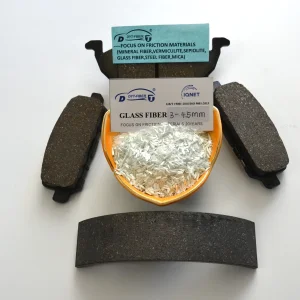
Essential for structural integrity and high-temperature resistance in friction linings.
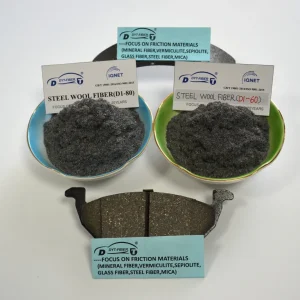
Provides the necessary thermal conductivity to dissipate heat rapidly from the rotor surface.
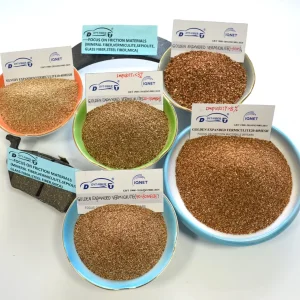
Acts as a lubricant and sound dampener, significantly reducing the "squeal" associated with braking.
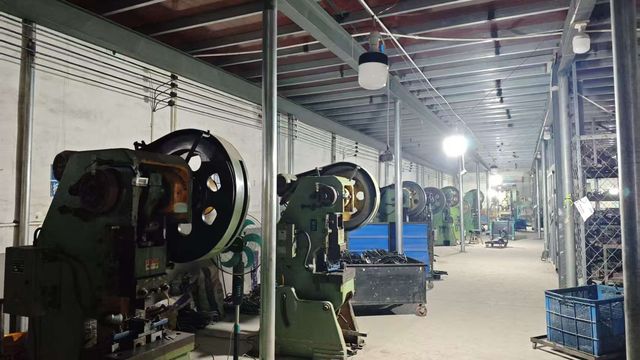
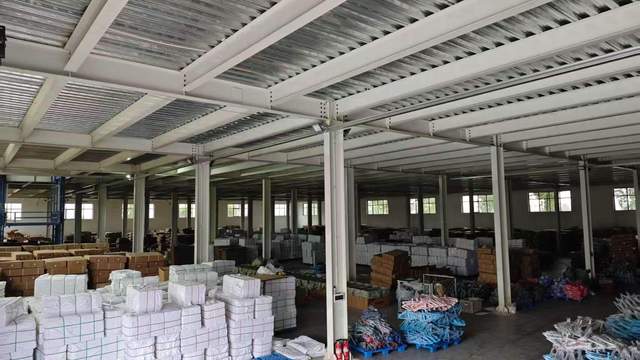
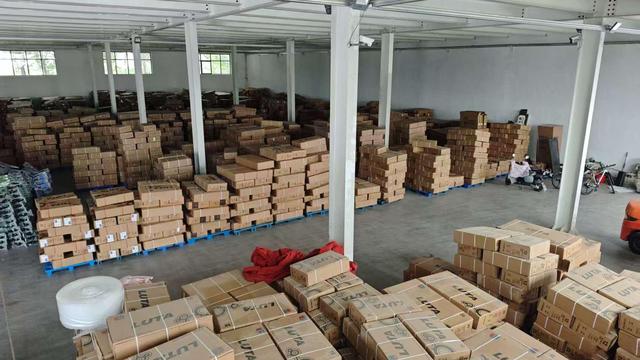
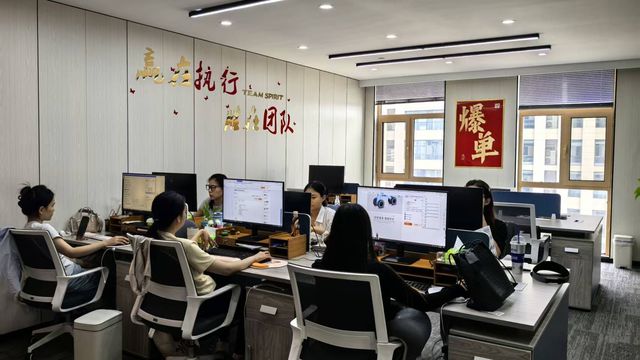
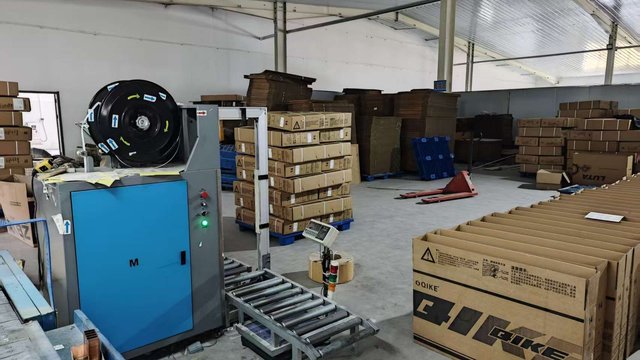
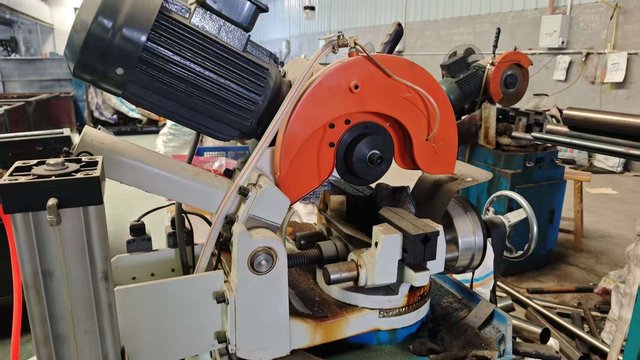
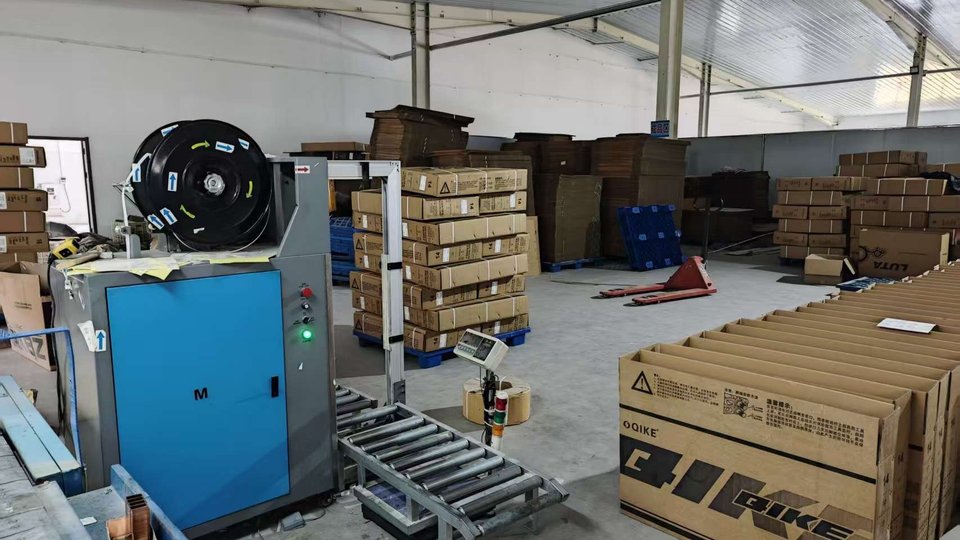
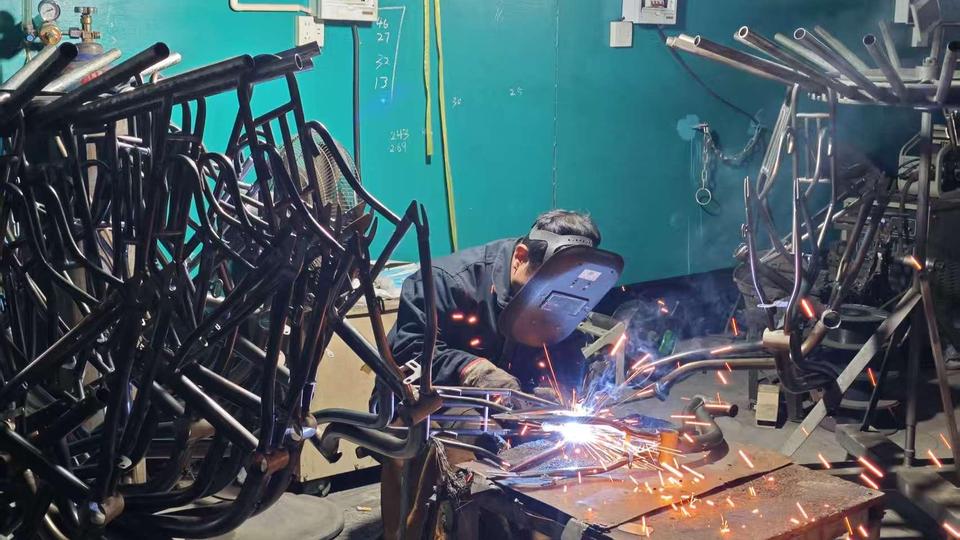
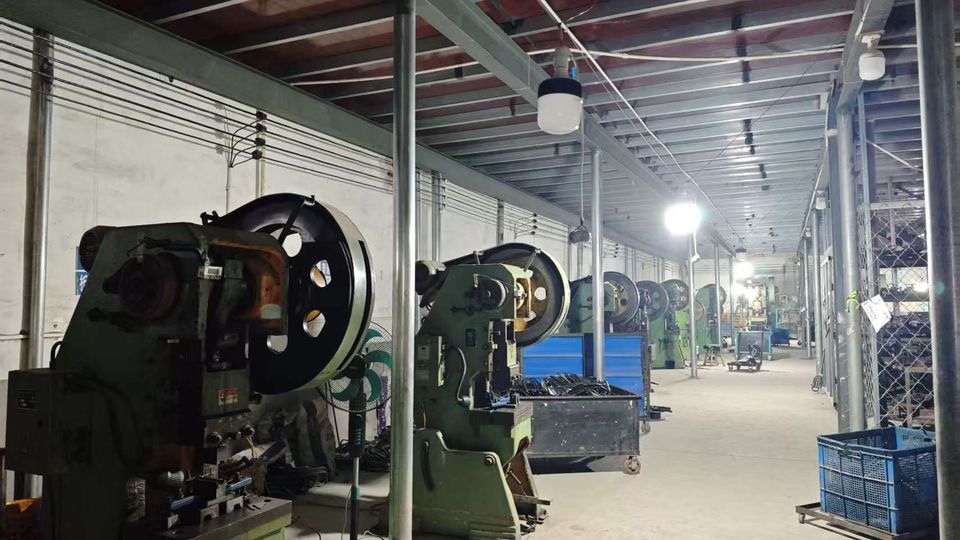
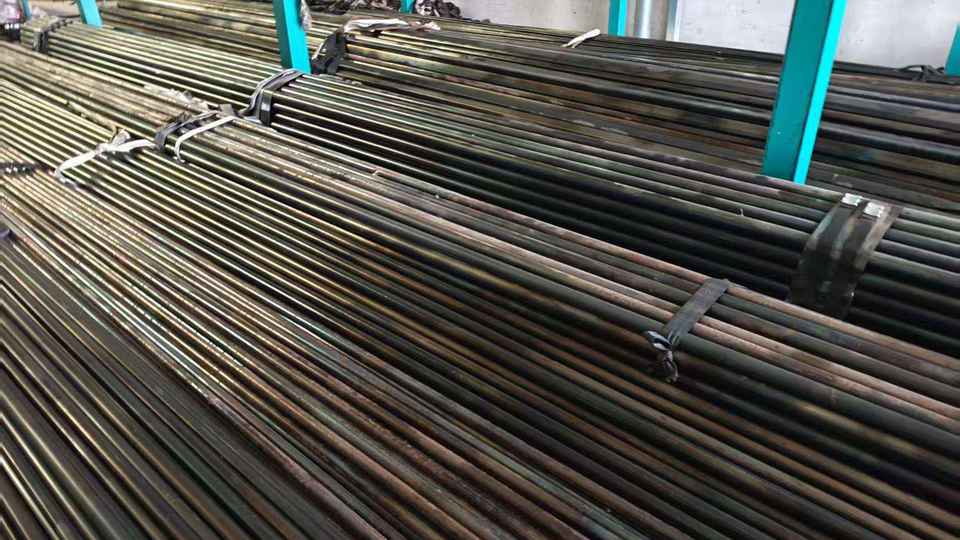
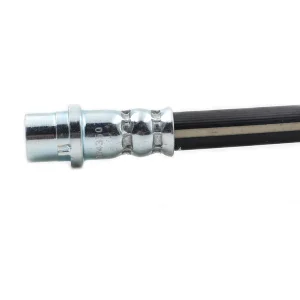
As a top-tier factory, Hangzhou MOAD AUTO Co., Ltd. prides itself on its Experience, Professionalism, and Reliability. Our DOT certification for hydraulic brake hoses and our adherence to international manufacturing protocols like IATF 16949 demonstrate our commitment to safety. We do not just sell parts; we provide a partnership.
From wholesale mixed powder semi-metallic compounds to high-performance graphene-infused pads, our product range reflects an in-depth understanding of friction dynamics. We support our global clients with detailed technical documentation, testing reports, and a supply chain that is resilient and transparent.
 MOAD AUTO