Explore our introductory line of smart electronic controls, featuring advanced processing capability, precision algorithms, and rugged hardware architectures.
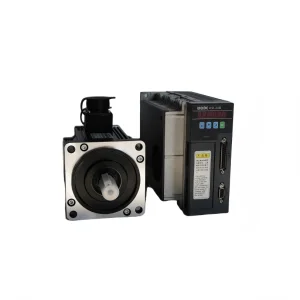
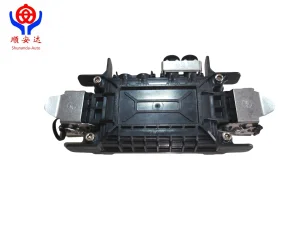
An engineering-focused analysis of how advanced EBS/ECU systems survive high-salinity marine atmospheres, fluctuating infrastructure, and remote logistics constraints.
Operating vehicle fleets and industrial systems in Kiribati—an equatorial nation composed of 33 coral atolls and islands—demands a radical reassessment of electronic component engineering. The geographic isolation of the islands (such as Tarawa and Kiritimati) translates to a fragile, localized supply chain where vehicle downtime can paralyze critical utility networks, maritime transshipments, and community infrastructure.
Typical terrestrial configurations for Brake Electronic Control Units (ECUs) and Electronic Braking Systems (EBS) fail prematurely in Kiribati due to the pervasive airborne salt spray, persistent relative humidity averaging above 80%, and unpaved, coral-dust routes. Coral dust acts as a highly abrasive particulate, while salt aerosols accelerate electrochemical corrosion on exposed pins, sensor brackets, and solenoid valves. Developing solutions for this market requires selecting materials that possess exceptional resistance to galvanic corrosion.
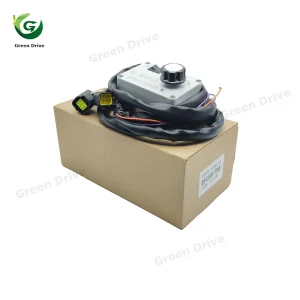
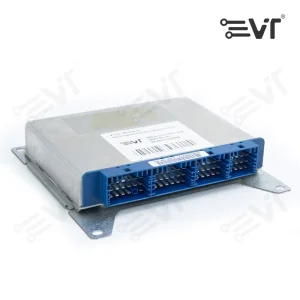
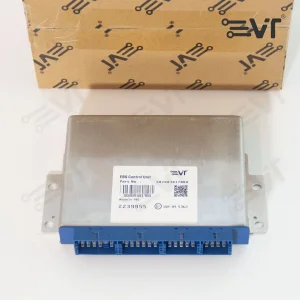
To address the severe maritime atmosphere of Kiribati, our latest generation of Brake Electronic Control Systems employs advanced hermetic sealing that meets IP69K ratings. Standard automotive enclosures rely on basic elastomeric gaskets that degrade under intense equatorial UV radiation. Our solutions feature high-performance fluorosilicone seals combined with pressure-equalizing ePTFE membranes that permit internal pressure release without letting moisture or salt crystals ingress.
Furthermore, PCB assemblies within our ECUs undergo dual-layer selective conformal coating using high-spec polyurethane and silicone materials. This process forms an impenetrable physical barrier against moisture condensation. Connectors are specified with gold-plated contact terminals to prevent oxidation and ensure stable CAN-bus communication under continuous exposure to marine air.
Corrosion Resistance: Verified via 960-hour salt spray testing conforming to ASTM B117 standards. This guarantees long-term durability on coastal road runs where vehicles are constantly exposed to seawater mist.
Voltage Stabilization: Built-in overvoltage protection circuitry designed to withstand power surges from erratic vehicle alternator behaviors or unstable local marine generator grids.
Thermal Cycling Robustness: Operating temperature range qualified from -40°C to +85°C, ensuring stability in tropical environments under heavy engine load conditions.
The global automotive and industrial sectors are transitioning from traditional pneumatic and hydraulic layouts to smart, decentralized Brake-by-Wire systems. This transition is driven by the integration of Advanced Driver Assistance Systems (ADAS) and the migration toward zero-emission vehicle platforms. In these modern architectures, the Brake Electronic Control System acts as the primary coordinator for vehicle stability control, dynamic torque vectoring, and energy regeneration.
Systems like our Euro6 EBS controllers utilize real-time sensor fusion to continuously calculate wheel slip, payload weight distribution, and trailer yaw rate. By processing these data points in milliseconds, the ECU modulates brake line pressure faster than traditional mechanical valves, reducing stopping distances by up to 30% in wet or variable-friction environments.
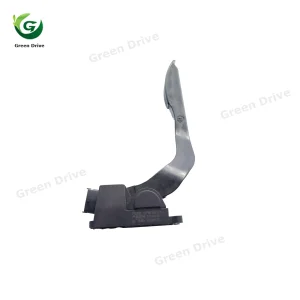
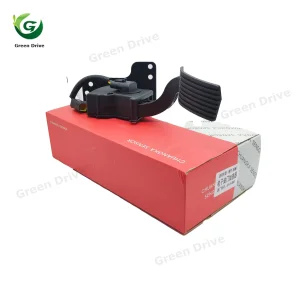
For operators in Kiribati, deploying modern EBS and smart throttle systems ensures that their equipment remains compatible with imported commercial truck chassis (such as Volvo FH/FM series, Renault, and Scania). Our product range bridges the technological gap by providing drop-in replacement units that integrate natively with existing J1939 CAN-bus communication standards.
Looking toward the future, our engineering division is developing IoT-enabled diagnostic modules. These modules allow fleet technicians in remote locations to pull real-time diagnostic codes via Bluetooth-enabled applications, reducing the reliance on highly specialized diagnostic scan tools that are difficult to procure in the Central Pacific.
A look inside our advanced manufacturing facilities, integration workshops, and quality testing labs where high-durability friction materials and electronics are produced.
Hangzhou MOAD AUTO Co., Ltd. is a professional manufacturer specializing in brake system components, including brake pads, brake rotors, automotive friction materials, and advanced electronic controls. Located in Hangzhou, China, the company integrates research and development, precision production, quality control, and global sales to provide reliable braking solutions for international automotive markets.
With a strong technical team and advanced manufacturing facilities, MOAD AUTO is committed to delivering high-performance products that meet strict industry standards for safety, durability, and consistency. Our brake components and ECUs are widely used in passenger vehicles, commercial vehicles, and various aftermarket applications, ensuring stable braking performance under diverse driving conditions. We strictly enforce a comprehensive testing regime, analyzing material density, shear strength, electronic signal response, and thermal dissipation properties.
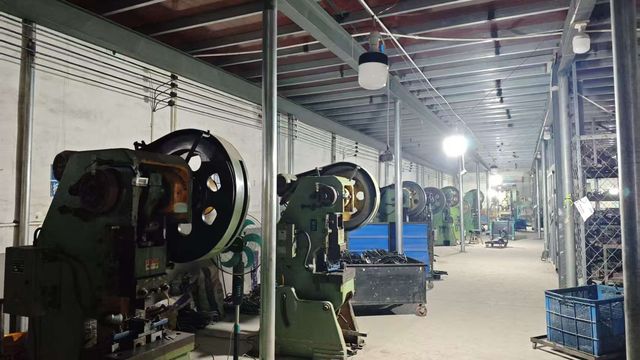
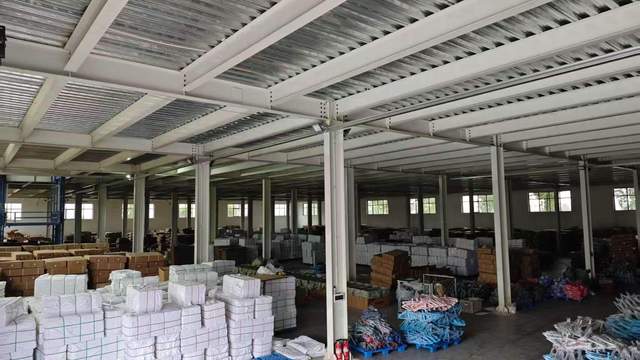
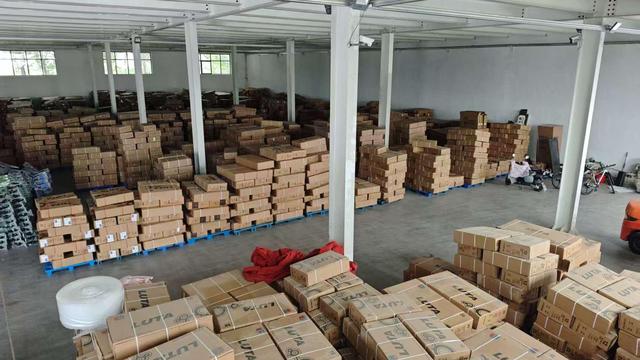

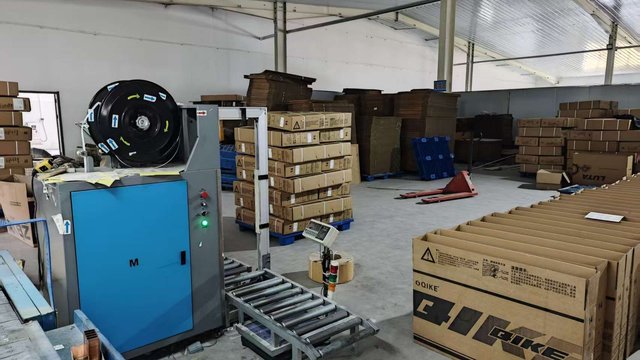
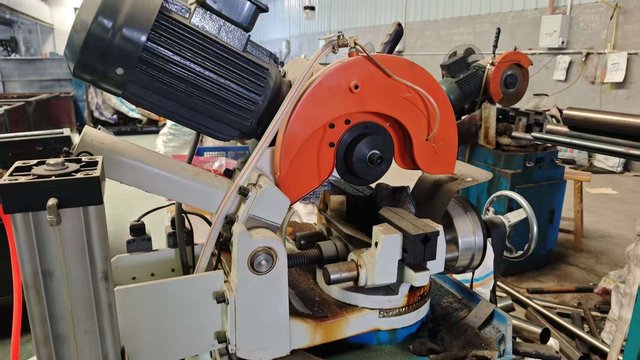
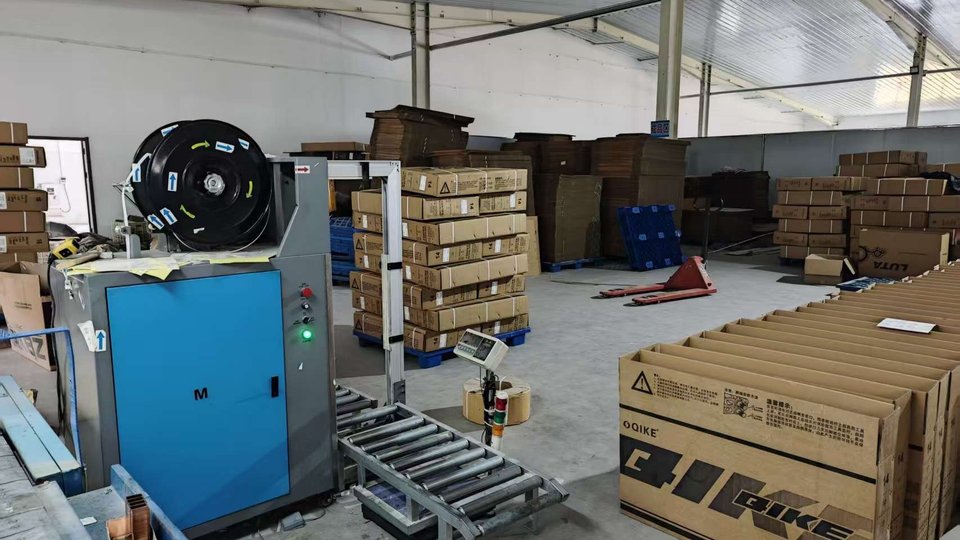
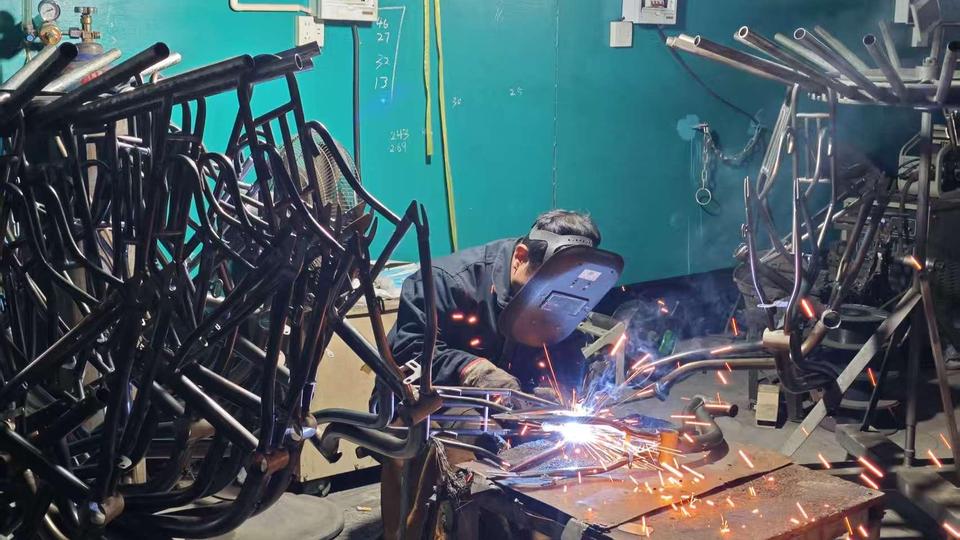
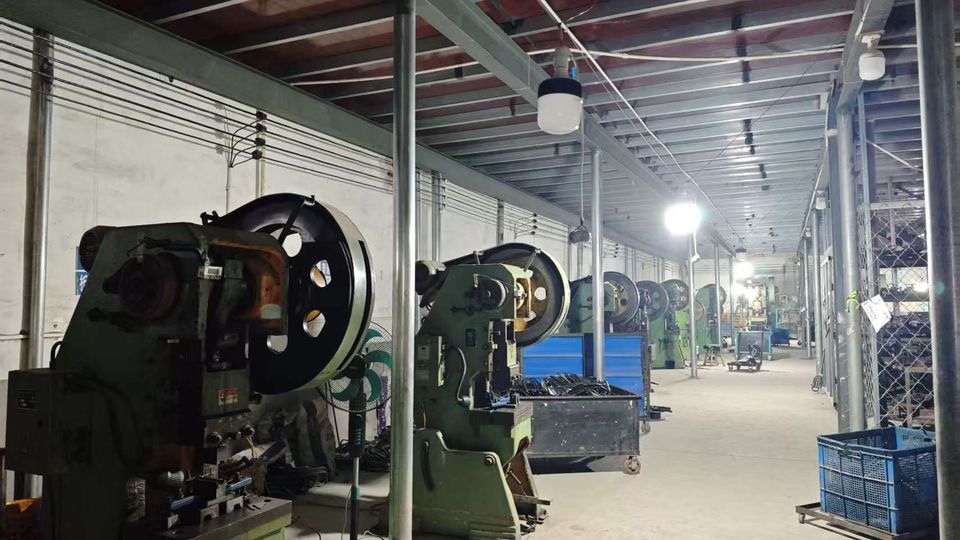
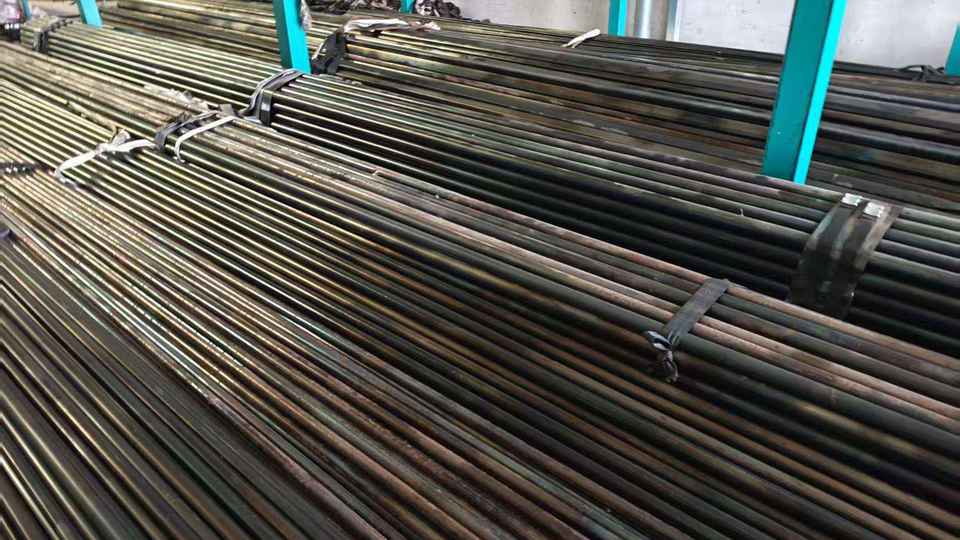
We also provide customized solutions to meet specific customer requirements, supporting OEM and aftermarket partners with flexible production capabilities and efficient supply chain services. Guided by the principles of quality, integrity, and customer satisfaction, MOAD AUTO is dedicated to building long-term partnerships and delivering dependable brake system solutions to clients worldwide, contributing to safer and more efficient mobility.
How we maintain zero-delay parts pipelines from our Hangzhou hub to South Tarawa (Betio) and Kiritimati Island.
Understanding the shipping frequencies to Kiribati is critical. We coordinate direct container logistics via major transshipment ports in Fiji, Australia, and New Zealand. By managing the customs documentation and export clearing in Ningbo/Shanghai ports, we minimize handling transit delays, ensuring that critical replacement parts arrive on schedule.
To prevent damage from the oceanic sea air during maritime transit, all electronic components are vacuum-packed in anti-static ESD bags with active moisture desiccant packs. Heavy mechanical parts, such as dynamometer plates or brake calipers, are packed in corrosion-inhibiting VCI stretch film before being crated in export-grade plywood boxes.
All electronic parts and EBS replacement controllers are calibrated to meet the exact firmware specifications of regional vehicles. By verifying chassis numbers prior to shipping, we eliminate diagnostic conflicts upon arrival, ensuring that local maintenance crews can install the units without needing additional online programming.
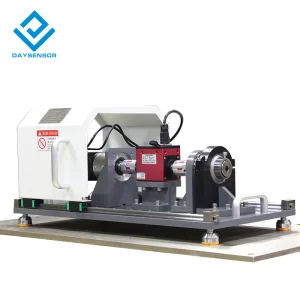
Browse our full range of vehicle control units, dynamometer software systems, and trailer safety modules engineered for long-term reliability.
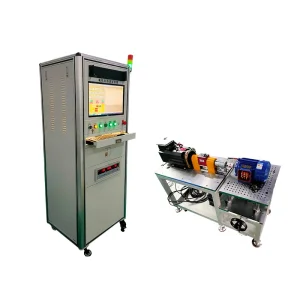
Direct answers to the most common questions regarding international logistics, environmental protection, and compatibility of vehicle electronic controls in the Pacific region.
Contact our engineering and sales teams today to discuss custom configurations, bulk pricing, or specialized logistics support for the Kiribati market.
Send Inquiry Now MOAD AUTO