The global automotive brake system market is projected to reach over $35 billion by 2028. As the critical safety mechanism of any vehicle, brake components undergo rigorous evolution. Today’s industrial landscape is no longer just about stopping power—it’s about thermal stability, noise reduction (NVH), and environmental sustainability. From the bustling automotive hubs in Germany and Japan to the manufacturing powerhouses in China, the demand for OEM (Original Equipment Manufacturer) quality ensures that vehicles operate within the strictest safety margins.
Electric vehicles rely on regenerative braking. This shifts the requirement for mechanical brakes toward better corrosion resistance and the ability to handle long periods of disuse while maintaining instant response.
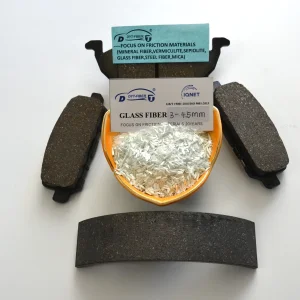
The transition to "Copper-Free" and "Low-Dust" ceramic fibers (like our CF-1025 and CF-1035) is mandatory in many regions to protect the environment and improve wheel aesthetics.
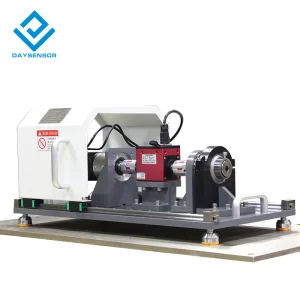
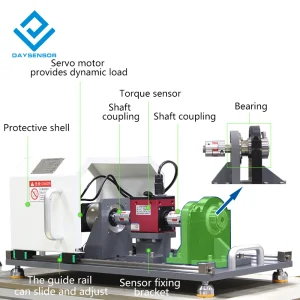
Utilizing Hysteresis Brake and Eddy Current Dynamometer systems to simulate real-world stress, ensuring every OEM component survives extreme heat and pressure.
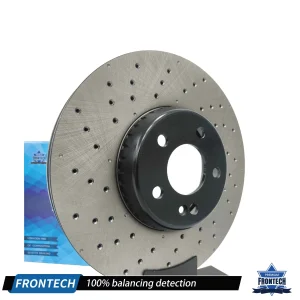
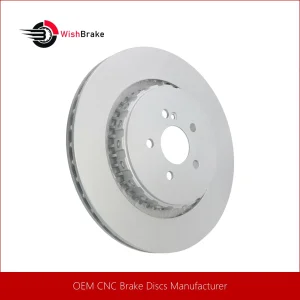
Reducing unsprung mass through high-performance brake rotors (like the 385mm Audi-spec rotors) to improve fuel efficiency and handling dynamics.
When identifying the top 10 OEM brake components manufacturers, industry experts look for a combination of history, technical innovation, and supply chain reliability. Here are the defining characteristics of leading global players:
Hangzhou MOAD AUTO Co., Ltd. stands out in this elite circle by bridging the gap between high-end R&D and cost-effective large-scale production in China.
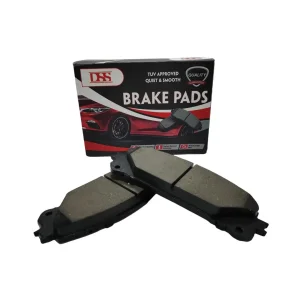
Hangzhou MOAD AUTO Co., Ltd. is a professional manufacturer specializing in brake system components, including brake pads, brake rotors, and automotive friction materials. Located in Hangzhou, China, the company integrates research and development, production, quality control, and global sales to provide reliable braking solutions for international automotive markets.
With a strong technical team and advanced manufacturing facilities, MOAD AUTO is committed to delivering high-performance products that meet strict industry standards for safety, durability, and consistency. Our brake components are widely used in passenger vehicles, commercial vehicles, and various aftermarket applications.
Every stage of production, from raw material selection to final inspection, is strictly controlled to ensure reliability and long service life. We support OEM and aftermarket partners with flexible production capabilities and efficient supply chain services.
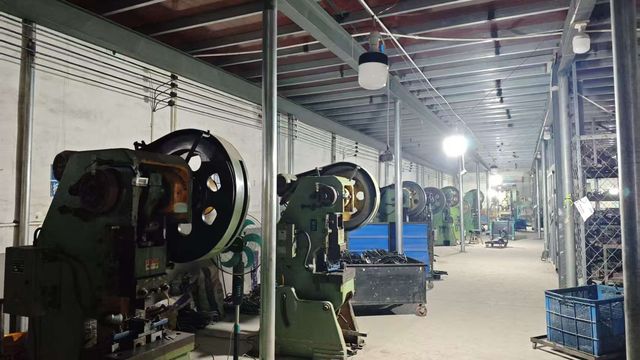
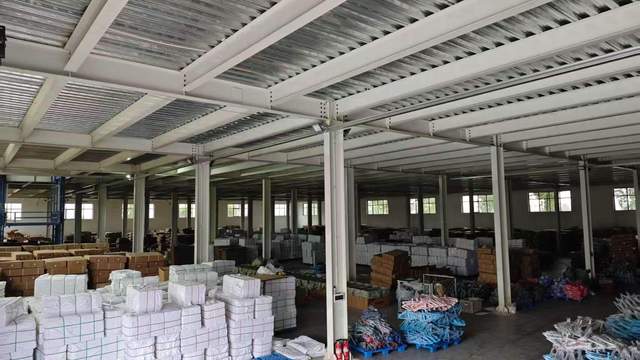
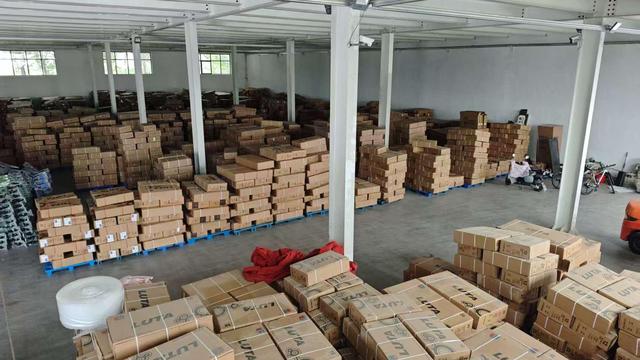

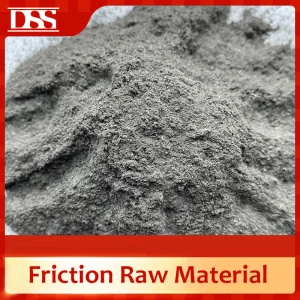
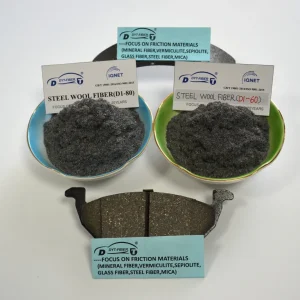
From raw friction materials (Ceramic Fiber, Steel Wool) to finished brake assemblies, we control the entire cost and quality structure.
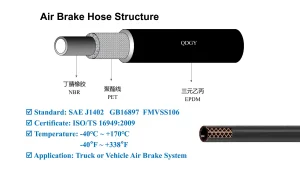
Our products strictly adhere to DOT (Department of Transportation) and SAE J1401/J1402 standards, ensuring legal compliance in the USA, EU, and beyond.
Whether it's a specific internal thread (M10x1) or a custom friction mix for heavy-duty trailers, our engineering team provides tailored blueprints.
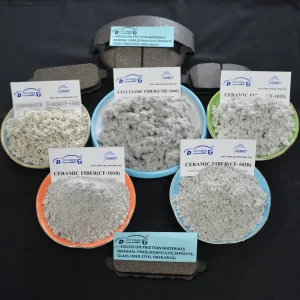
The "soul" of a brake pad lies in its chemical composition. At MOAD AUTO, we utilize advanced raw materials to ensure maximum safety:
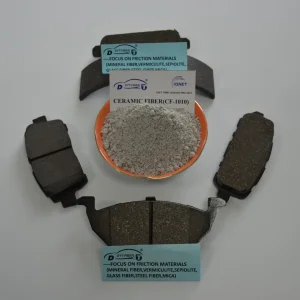
• Ceramic Fiber CF-1025/1035: High-temperature stability and excellent recovery properties. Ideal for luxury cars requiring a silent, dust-free experience.
• Steel Wool Fiber D1-80: Provides the necessary structural reinforcement and heat dissipation for semi-metallic pads used in heavy-duty applications.
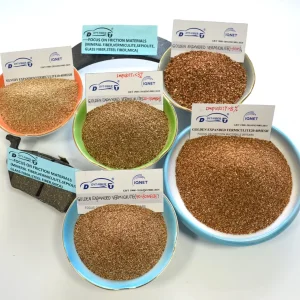
• Expanded Vermiculite: Acts as a high-performance filler to maintain friction coefficient stability across varying speeds.
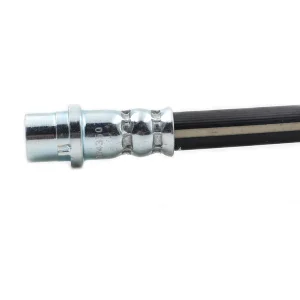
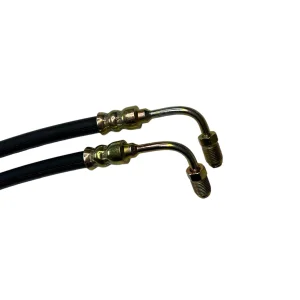
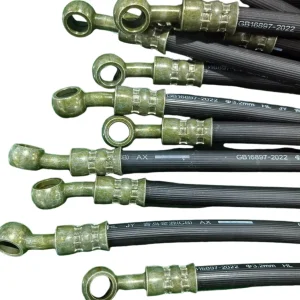
• PTFE Lined Pipelines: For hydraulic systems that require chemical resistance and zero-expansion performance under extreme pressure.
Professional buyers from North America, Europe, and Southeast Asia have distinct requirements. We specialize in:
Air brake systems (SAE J1402) for long-haul trucks and buses, designed for 24/7 operational reliability.
High-carbon rotors and ceramic pads for performance upgrades in the European car market (Audi, BMW, etc.).
Supplying dynamometer systems to international labs to verify motor and brake efficiency.
 MOAD AUTO