The global brake repair and maintenance industry is currently navigating a period of unprecedented transformation. As the backbone of automotive safety, brake repair solutions have evolved from simple mechanical replacements to highly complex systems integration. Globally, the market is driven by the increasing age of the vehicle fleet, particularly in North America and Europe, where the demand for high-quality aftermarket components—such as DOT-certified brake hoses and ceramic disc pads—is at an all-time high.
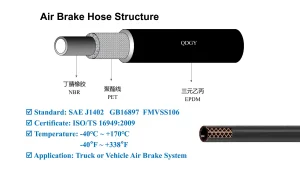
In the industrial sector, the rise of automation and heavy-duty logistics has necessitated the development of advanced braking technologies like Eddy Current Dynamometer Systems and high-pressure EPDM rubber air brake lines for buses and trucks. As urban centers expand, the frequency of "stop-and-go" driving increases, putting extreme thermal and mechanical stress on braking materials, which in turn accelerates the global demand for durable friction materials like steel wool fiber and ceramic linings.
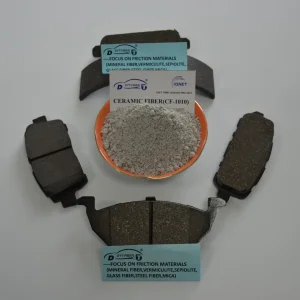
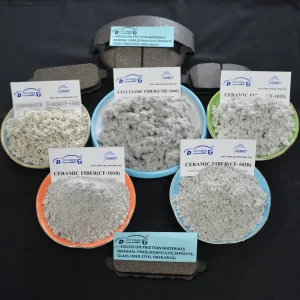
Transitioning toward copper-free and asbestos-free friction materials. Our use of Ceramic Fiber CF-1025 and CF-1035 aligns with global environmental regulations to reduce heavy metal runoff.
Electric vehicles rely on regenerative braking. This requires specialized brake pads and rotors that can handle different heat cycles and resist corrosion during periods of inactivity.
Integration of sensors into brake pads and hoses for real-time wear monitoring, reducing the risk of catastrophic failure through predictive maintenance.
The demand for PTFE-lined hydraulic systems is growing in heavy-duty applications due to their superior chemical resistance and high-pressure stability compared to traditional rubber.
Global procurement officers now prioritize E-E-A-T (Experience, Expertise, Authoritativeness, and Trustworthiness) when selecting brake component suppliers. The criteria have moved beyond mere price points to include rigorous certification compliance (SAE J1401, SAE J1402), supply chain transparency, and the ability to provide customized OEM/ODM solutions. For large-scale distributors in Europe and South America, the ability to source a complete range—from raw friction materials like expanded vermiculite to finished brake discs—is a significant competitive advantage.
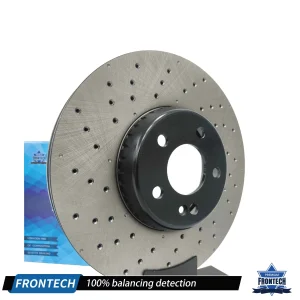
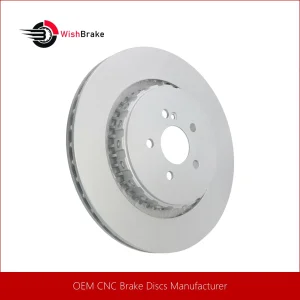
Braking solutions must be adapted to local environments. In humid Southeast Asian climates, corrosion resistance in brake rotors and high-pressure hoses is paramount. In the mountainous regions of Central Asia, thermal stability of the "Fishhook" style brake rotors and semi-metallic friction materials is crucial to prevent brake fade during long descents. Our products are engineered to excel in these specific localized scenarios, ensuring safety from the sub-zero temperatures of Scandinavia to the intense heat of the Middle Eastern deserts.
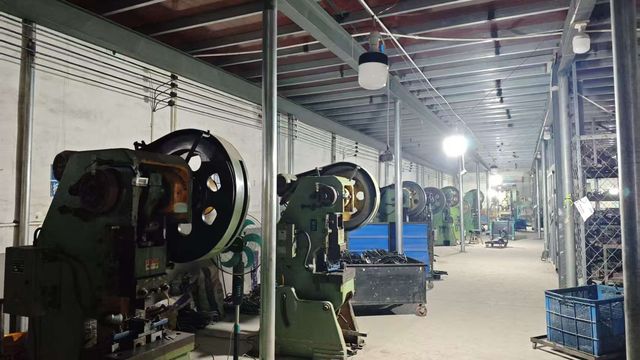
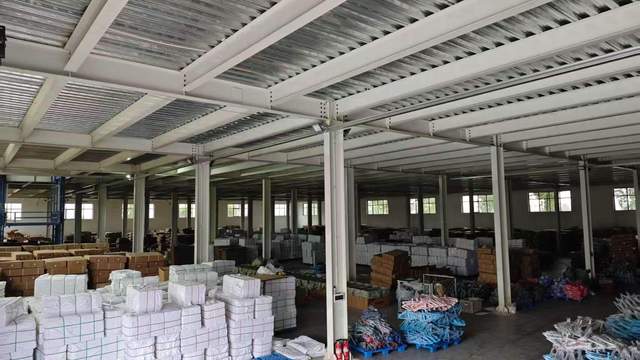
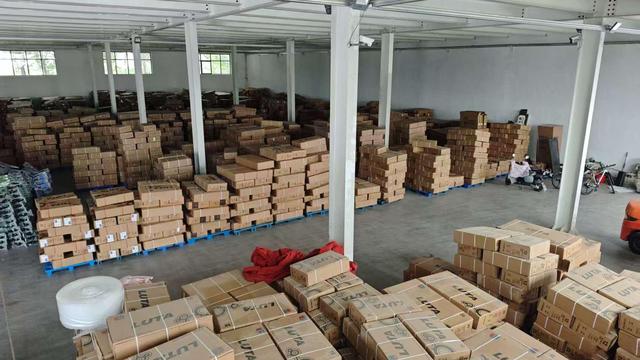
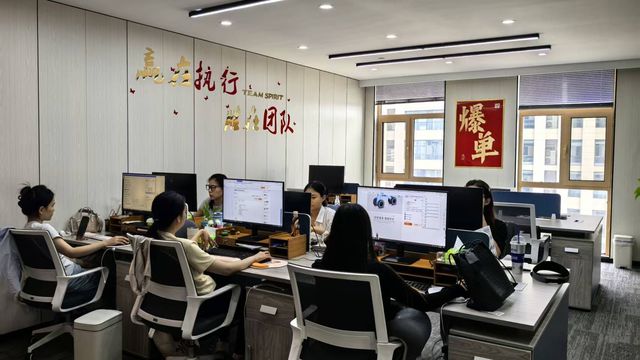
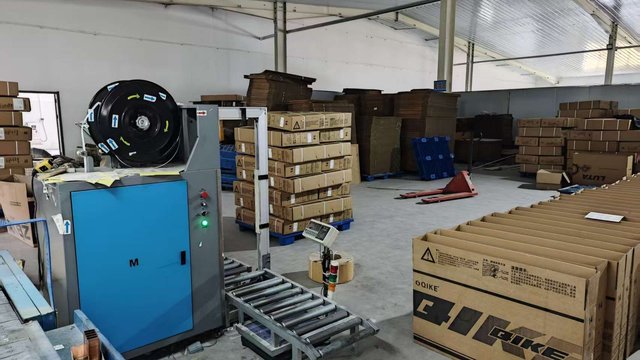
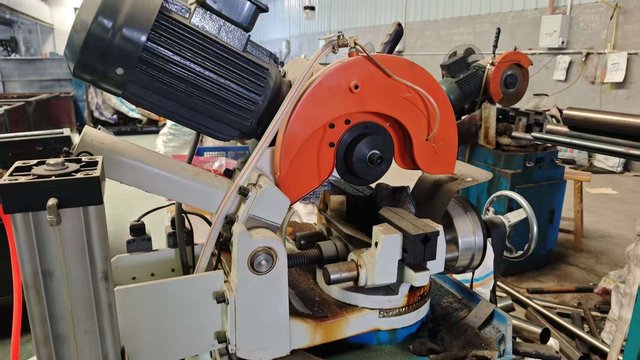
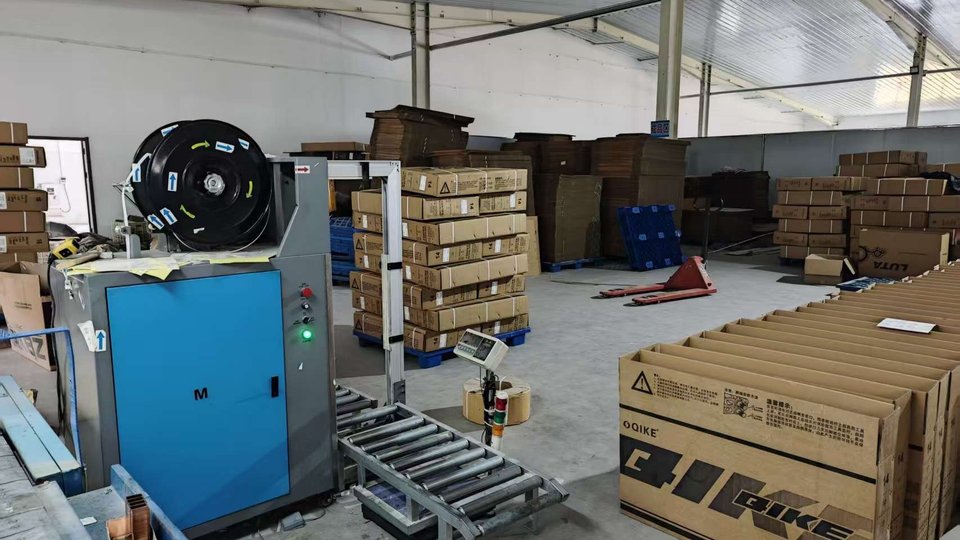
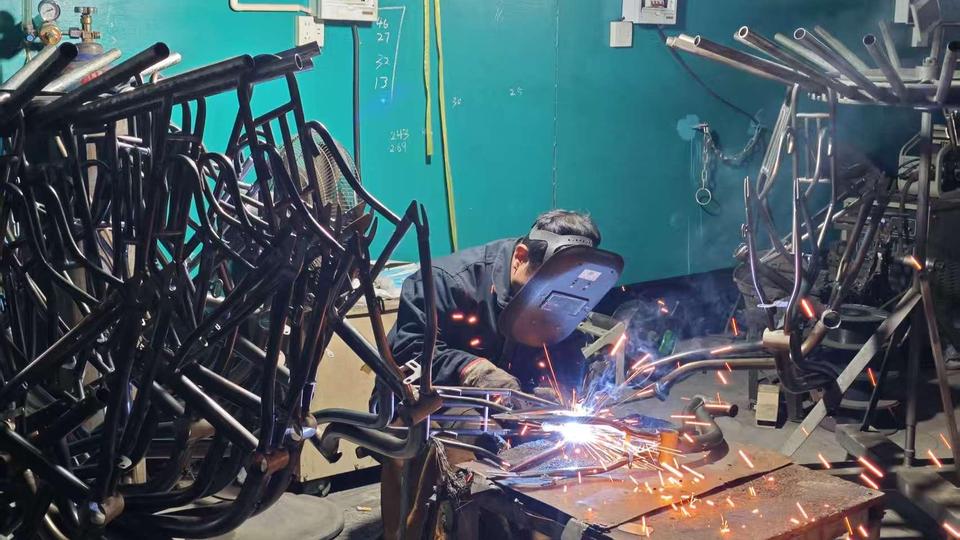
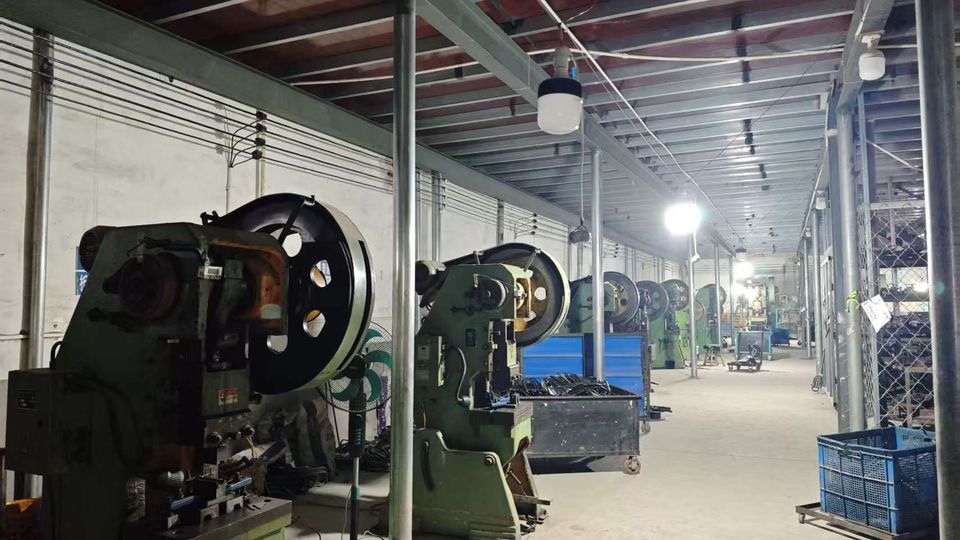
Hangzhou MOAD AUTO Co., Ltd. is a professional manufacturer specializing in brake system components, including brake pads, brake rotors, and automotive friction materials. Located in Hangzhou, China, the company integrates research and development, production, quality control, and global sales to provide reliable braking solutions for international automotive markets.
With a strong technical team and advanced manufacturing facilities, MOAD AUTO is committed to delivering high-performance products that meet strict industry standards for safety, durability, and consistency. Our brake components are widely used in passenger vehicles, commercial vehicles, and various aftermarket applications, ensuring stable braking performance under different driving conditions.
Hangzhou MOAD AUTO Co., Ltd. continuously invests in innovation and process improvement, utilizing modern equipment and precise testing systems to maintain consistent product quality. Every stage of production, from raw material selection to final inspection, is strictly controlled to ensure reliability and long service life. We also provide customized solutions to meet specific customer requirements, supporting OEM and aftermarket partners with flexible production capabilities and efficient supply chain services.
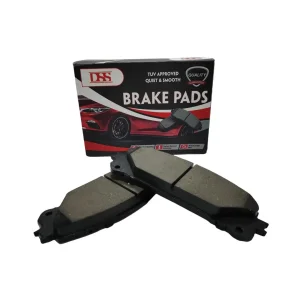
Advanced mix powder technology for Toyota and other leading brands. Provides low noise, minimal dust, and high friction coefficient across varying temperatures.
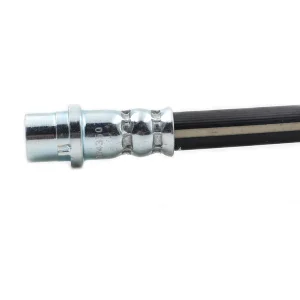
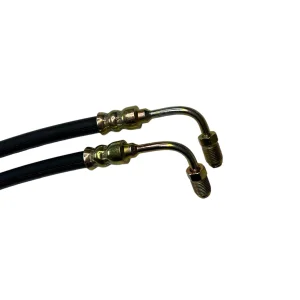
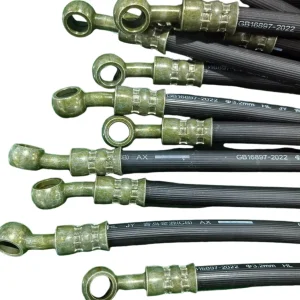
SAE J1401 and SAE J1402 compliant hoses featuring EPDM and PTFE linings. Tested for explosion-proof and corrosion-resistant properties in extreme environments.
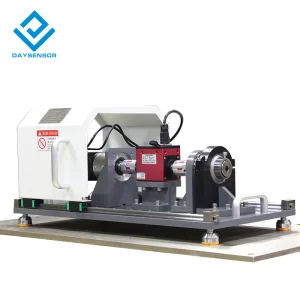
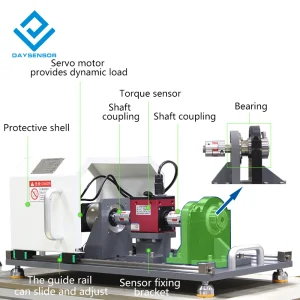
Hysteresis and Magnetic Powder test benches for motor testing, ensuring that every brake component meets the exact torque and heat dissipation specifications required.
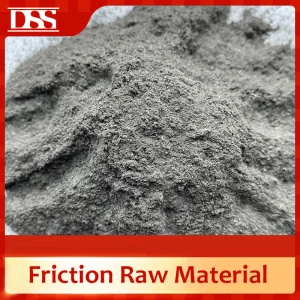
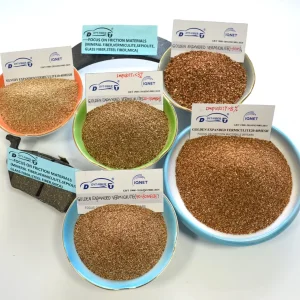
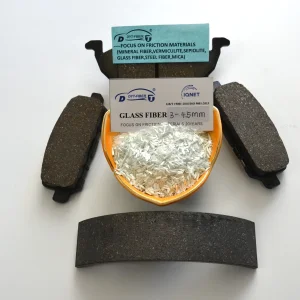
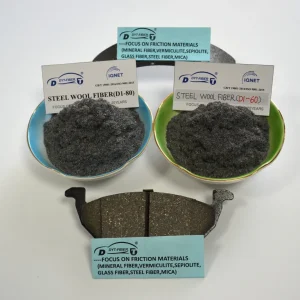
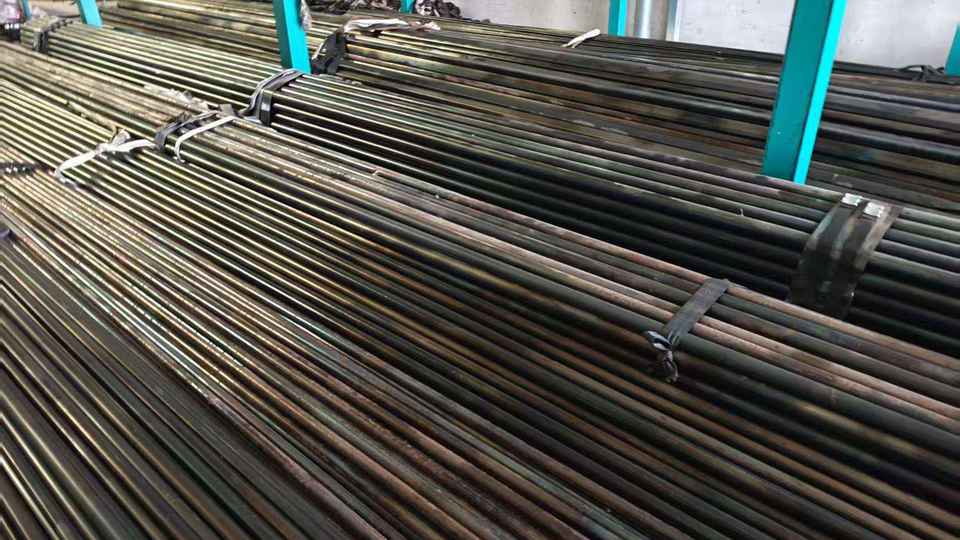
Our expertise extends to the very molecular level of friction materials. By utilizing Ceramic Fiber CF-1025/1035 and Steel Wool Fiber D1-80, we achieve a balance between aggressive stopping power and rotor longevity. The addition of expanded vermiculite and glass fiber 3-4.5mm ensures that our brake pads and linings maintain structural integrity even under the thermal stress of heavy-duty hauling or high-speed performance driving.
 MOAD AUTO