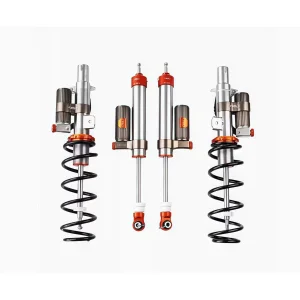
Engineered to exceed critical safety metrics under severe thermal stress and variable load conditions.
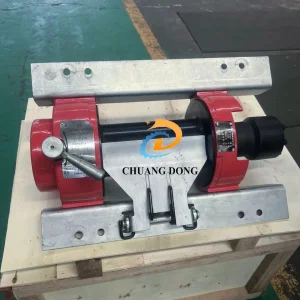
Hangzhou MOAD AUTO Co., Ltd. is an industry-leading manufacturer specializing in critical brake system components, including heavy-duty friction materials, brake rotors, and complex structural hardware. Based in Hangzhou, China, our operation integrates research and development, smart manufacturing, quality control, and global logistics channels to supply high-demand automotive markets across North America, Europe, and Asia-Pacific.
With a technical core focused on chemical composition and heat dissipation physics, MOAD AUTO delivers premium braking components that meet global safety regulations. From raw chemical formulation to computerized shear testing, our processes ensure every system performs predictably in extreme operating temperatures.
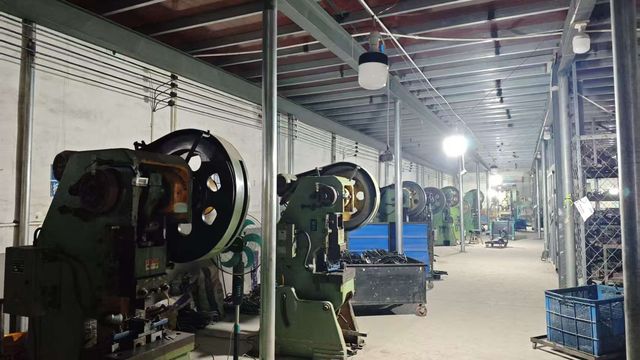
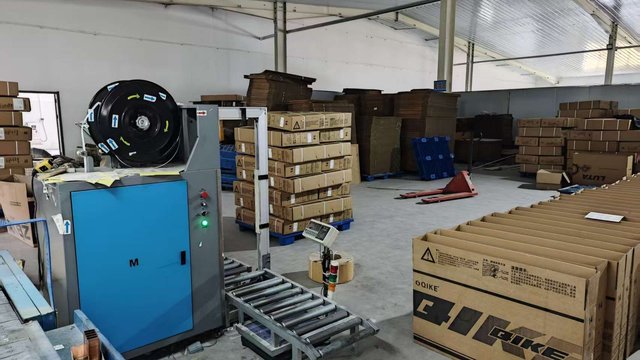
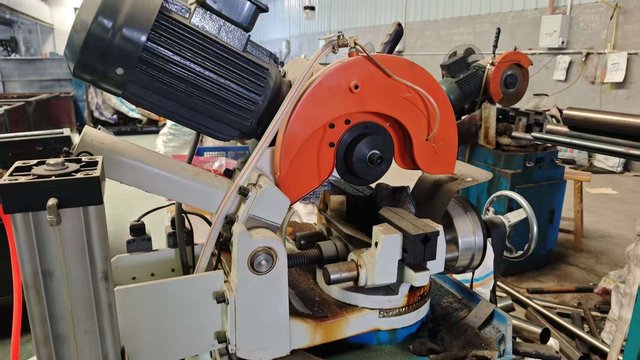
MOAD AUTO manufacturing floor: automated precision assembly of heavy vehicle safety components.
Optimized friction control engineering adapted to diverse operational environments, from mining fields to modern highways.
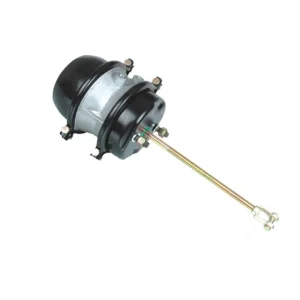
Designed for logistics trucks and long-haul buses. Air brake systems require highly durable chambers (like the T3030dd) capable of managing severe pneumatic cycling without mechanical deformation or air leakage, ensuring massive freight stops safely on steep descents.
Blending traditional hydraulic actuation with advanced regenerative braking systems. Solutions demand precise coordination between control modules and friction compounds to minimize dust release and combat corrosion during periods of low usage caused by regenerative motor braking.
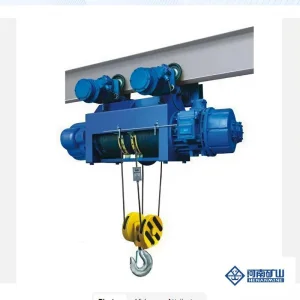
From horizontal axis wind turbine pitch systems requiring instant aerodynamic and mechanical locking to heavy industrial winch assemblies monitoring high tensile loads, precision-designed hydraulic and friction locks prevent system failures under harsh environment conditions.
Integrating raw material access, industrial automation, and cost advantages to deliver superior products.
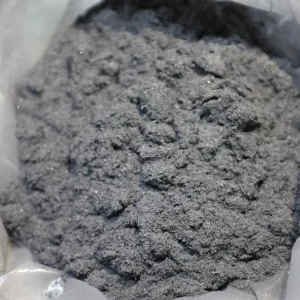
Proximity to domestic friction mineral resources allows us to source premium aramid fibers, graphite, and copper-free metal powders directly, ensuring complete control over formulation consistency.
Our facility runs automated hot press lines, precision CNC machining, and automated thermal scorching ovens to stabilize the friction matrix and remove volatile organic compounds early.
With an experienced in-house tooling division, we compress the transition from CAD design to physical casting and test samples to under three weeks for complex custom shapes.
By optimizing production waste and utilizing streamlined supply chains, we offer high-performance products at highly competitive prices, passing direct value to global distributors.
When designing high-performance brake systems, the main challenge is managing thermal energy. When kinetic energy is converted to thermal energy, brake pad surface temperatures can exceed 650°C. In poor quality components, this causes "thermal fade"—a sudden drop in the friction coefficient (μ), resulting in longer stopping distances.
MOAD AUTO pads are designed using a multi-phase ceramic matrix containing structured organic fibers, mineral binders, and metal particles. This compound maintains a stable coefficient of friction (between 0.35 and 0.42) across different temperatures, keeping braking response consistent and reliable.
We utilize high-pressure heat treatment to pre-cure the surface material, reducing the initial bedding-in time and minimizing gas generation during initial heavy stops, which prevents gas-cushion fade.
Automotive customers demand quiet, vibration-free operation. Brake squeal is caused by high-frequency vibrations resulting from unstable friction contact between the pad and disc. To prevent this, our engineering team uses three main design features:
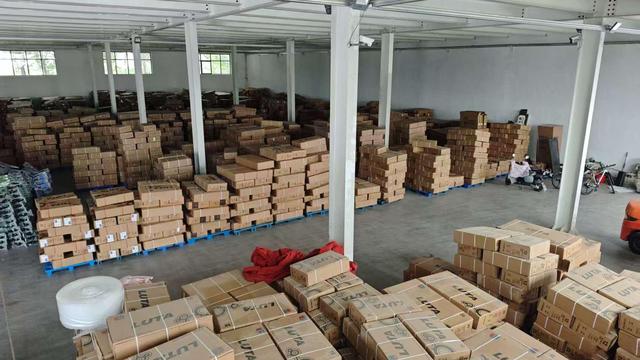
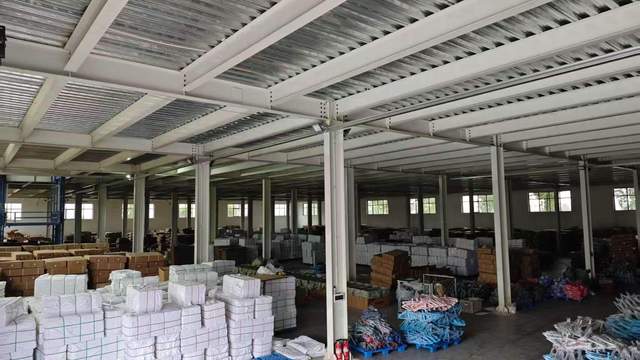
A look inside our quality control process, production systems, and modern facilities.
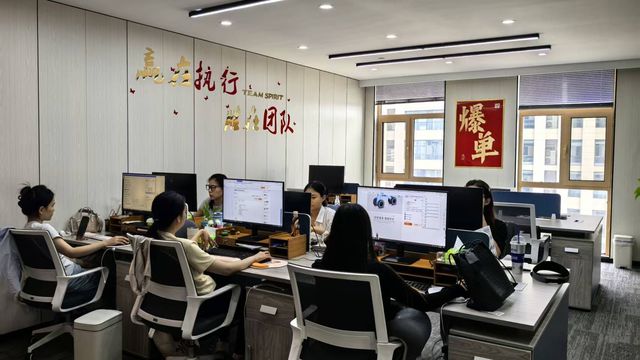
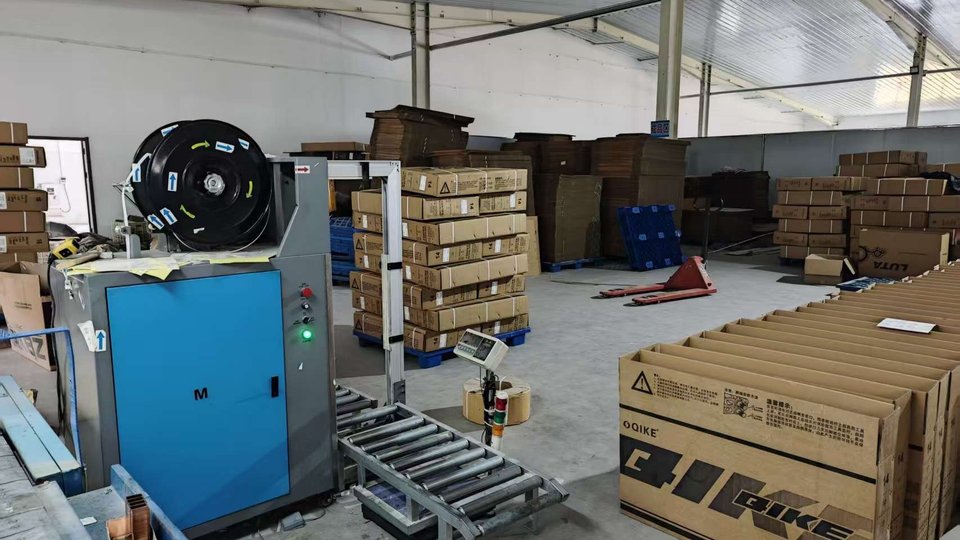
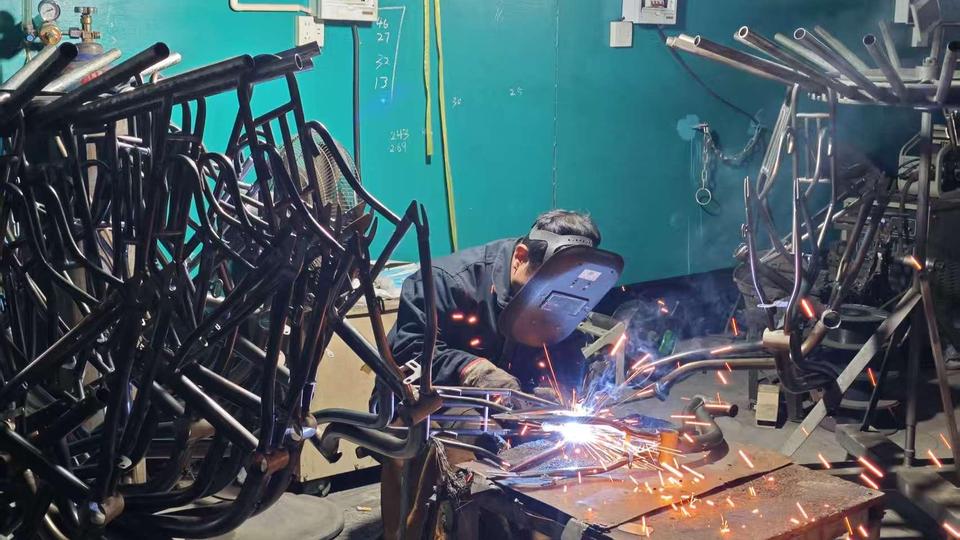
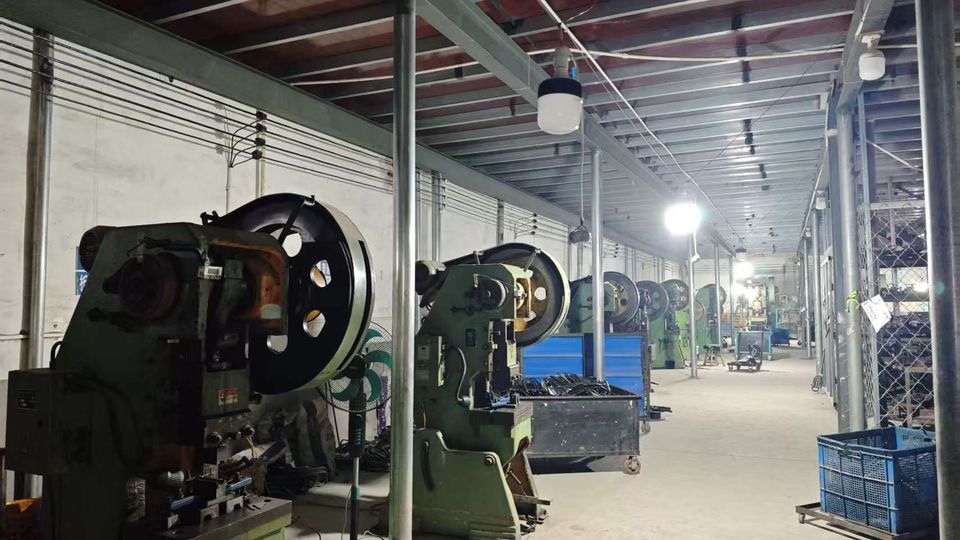
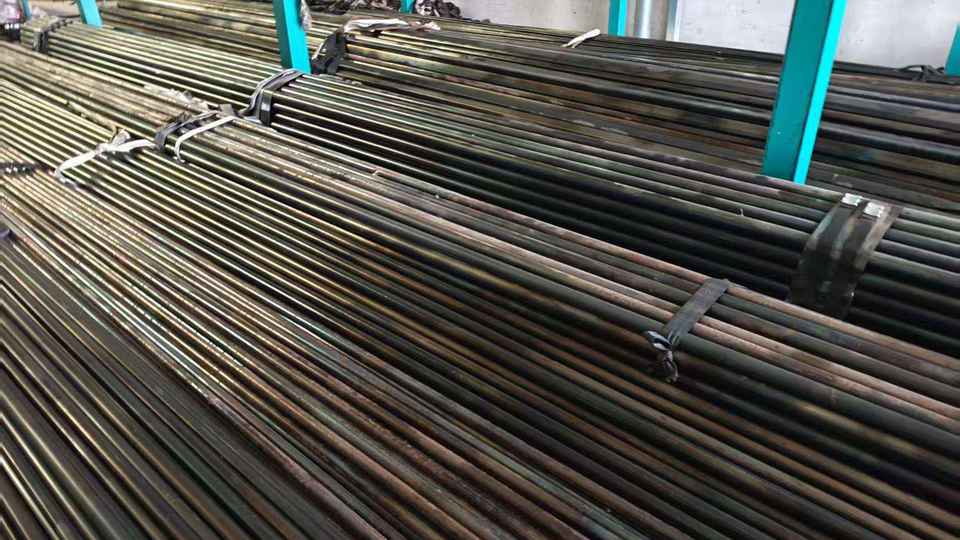
Providing technical solutions that meet changing environmental and regulatory demands globally.
Regulations in jurisdictions like California and Washington state require friction products to contain less than 0.5% copper by weight. Our advanced ceramic formulations replace copper with stable composite materials, meeting these environmental standards without sacrificing stopping power.
Modern fleets require real-time tracking of safety components. By adding wear sensors directly into the friction material and load cells to mechanical linkages, our systems help operators predict maintenance needs and avoid unexpected downtime.
To withstand road salts and humid conditions, our rotors are finished with specialized coatings like Geomet or electrostatic painting. This protection prevents corrosion on non-contact surfaces, maintaining structural integrity and appearance over a long service life.
Engineered to meet specific mechanical loads and local climate challenges around the world.
Vehicles operating in mountainous terrain like the Andes or Alps experience long, continuous downhill braking. Pneumatic air chambers must handle high thermal loads without seal degradation. Our T3030 double chambers use specialized synthetic rubber diaphragms that remain flexible from -40°C up to 120°C, ensuring reliable operation under high thermal stress.
Offshore wind turbines operate in highly corrosive marine air. Mechanical yaw and pitch locking systems must resist salt spray corrosion to prevent locking mechanism failures. We use multi-layer electroplated finishes and specialized seal materials to prevent corrosion, keeping systems reliable with minimal maintenance requirements.
In stop-and-go city traffic, electric buses rely heavily on regenerative braking. This means mechanical brakes are used less frequently and operate at lower temperatures, which can lead to glass-like glazing of the friction surface or surface oxidation. Our transit-specific friction formulas are designed to perform well in lower temperature ranges while maintaining enough abrasiveness to clean surface oxidation automatically.
Answers to common engineering, quality standards, and logistics questions from procurement directors.
We apply a cured synthetic resin adhesive layer between the backing plate and the friction material. We also use mechanical retention systems, including molded pins on the backing plate, to mechanically lock the friction material and prevent detachment under extreme shear stress.
Our products are tested to meet major global standards. Friction materials undergo SAE J661 (Chase testing) to confirm their friction coefficient class. For European markets, we provide ECE R90 certified formulations, ensuring aftermarket performance matches or exceeds OEM standards.
The T3030dd is a dual-diaphragm chamber. It integrates the service brake and spring-loaded emergency parking brake into a single unit. If pneumatic system pressure is lost, the heavy-duty internal steel spring automatically deploys, bringing the vehicle to a safe stop.
Yes. We adjust the ratio of ceramic fibers, metallic powders, and organic binders to tailor performance. We can design formulas for low-wear longevity in long-haul shipping or high-grip formulations for heavy construction machinery.
We coordinate production schedules with major shipping hubs. By maintaining stock of common backing plates and raw materials, we complete fabrication runs and load containers quickly, keeping transit timelines reliable for global distributors.
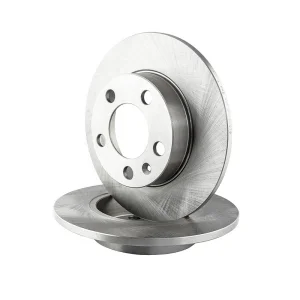
We check cast iron rotors for chemical balance, microstructural consistency, and balance. We monitor carbon equivalent values to prevent thermal cracking under load, and perform dynamic balancing on finished rotors to prevent brake pedal pulsation.
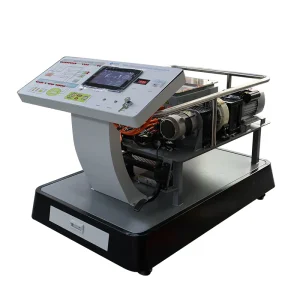
Explore our full line of friction raw materials, heavy vehicle components, and educational test benches.
 MOAD AUTO