Engineering-led brake components, electronic braking modules and friction materials for automotive OEMs, trailer and commercial-vehicle programs, railway maintenance, warehouse automation and industrial equipment. Explore a supplier approach built around safety evidence, global documentation and responsive OEM/ODM collaboration.
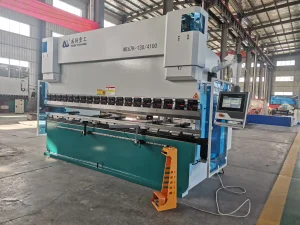
Eight representative solutions for global buyers comparing press-brake machinery, EBS control units, calipers, balancing equipment, axle assemblies, powersports braking, warehouse safety and low-dust drum systems.
Procurement teams compare suppliers on engineering clarity, process discipline and export readiness. These figures summarise the solution scope visible in this catalogue; final specifications, MOQ and compliance documents must be confirmed for each SKU and destination market.
The global brake system market is being reshaped by four forces: stricter safety regulation, electrified vehicle architectures, mixed-fleet aftermarket demand, and supply-chain localization. For buyers, the question is no longer whether a brake component can be produced at a low unit price; it is whether the supplier can demonstrate consistent fit, friction stability, corrosion resistance, low noise and dust, and full documentation across multiple production lots.
Electric brake systems and electronic braking components add another layer of complexity. EBS control units, extension modules, sensors, wiring harnesses and actuator-related parts must integrate with vehicle networks and service diagnostics. Mechanical components such as calipers, brake pads, rotors, slack adjusters and brake boom systems must still satisfy severe-duty durability and maintainability targets. MOAD AUTO's OEM/ODM model is designed to support this dual reality: mechanical manufacturing discipline plus electronic and system-level coordination.
This guide is written for sourcing managers, product engineers and aftermarket program owners who need a practical evaluation framework, not a generic catalogue description. It combines application context, technical roadmap, compliance considerations and supplier qualification questions so that international buyers can compare quotations on the same evidence base.
A brake quotation should be read as a risk statement. The most useful supplier conversation separates safety-critical characteristics, commercial variables and documentation responsibilities before samples are approved and volume is committed.
Across Europe, North America, Asia-Pacific and emerging markets, brake buyers are converging on a similar scorecard. The weighting changes by market, but the underlying questions are consistent.
Products must map to destination rules. For on-road friction, ECE R90 or FMVSS-related scenarios may apply; trailer programs may require ECE R13 and EBS diagnostics; industrial and rail applications often follow customer-specific standards. Ask for test reports, material declarations, dimensional records and traceability, not just a certificate image.
ICE, hybrid, electric, off-highway and mixed-fleet platforms all place different demands on brake packaging, thermal load, weight and service access. Suppliers should be able to handle caliper variants, EBS modules, custom harnesses and material changes without losing process control.
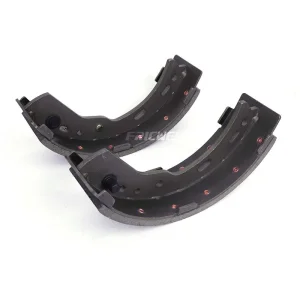
Low noise and lower dust are commercial requirements as well as comfort features. NAO friction formulas, drum shoe design and rotor balancing must be supported by lot-to-lot consistency, not only a single laboratory result. Buyers should review acceptance criteria for friction coefficient, wear, noise and dust.
Repair shops and fleet operators value fast replacement, clear labelling, kitting and service information. A supplier that understands aftermarket workflows can reduce mis-installation, returns and downtime, especially for multi-brand commercial vehicle and passenger car ranges.
Global buyers increasingly plan around regional warehouses, consolidated mixed-SKU shipments and forecast-based inventory. Flexible production, selective low-MOQ support and private-label packaging can help distributors respond faster without holding excessive stock.
Unit price is only one line in the landed-cost model. Packaging, Incoterms, duties, certificate of origin, barcode labels, inspection costs and after-sales handling all influence programme profitability. A supplier that can document these details early reduces surprises at customs and in the warehouse.
A useful RFQ separates must-have safety characteristics from commercial variables. If a supplier cannot explain how a change in friction material, piston material, seal compound or electronic module sourcing affects validation, the lowest quote may create the highest lifecycle cost.
Brake systems are not a single product category. The application environment determines material choice, validation focus, packaging and compliance evidence. The following solution map helps global buyers position each SKU within a broader programme.
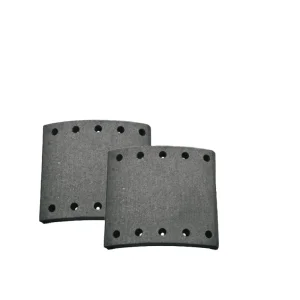
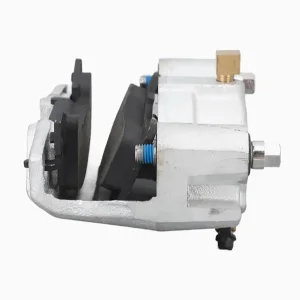
Brake calipers, rotors, pads and friction materials for passenger cars, performance applications and aftermarket programmes. OE-grade casting, piston and seal design, low-dust NAO formulations and low-MOQ options support distributors and private-label brands. Cross-reference accuracy and warranty documentation are essential for aftermarket success.
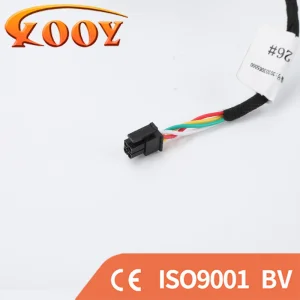
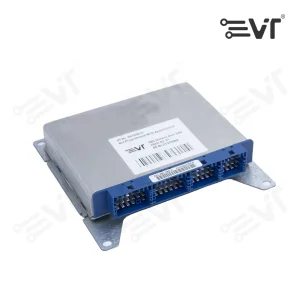
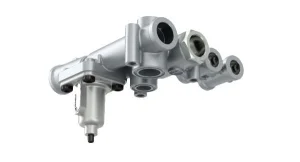
EBS control units, extension modules, sensors and wiring solutions for Renault, Volvo and trailer platforms. Buyers need cross-reference accuracy, connector quality, environmental protection and diagnostic compatibility. For fleets, downtime risk is often more important than the initial module price.
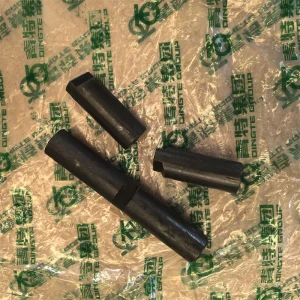
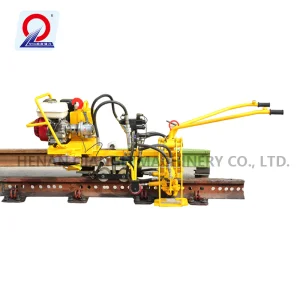
Slack adjusters, brake wrenches and service components for locomotive and coach repair. The priority is repeatable adjustment performance, robust steel selection and maintenance documentation. Railway procurement teams typically require clear inspection records and long-term spare-part availability.
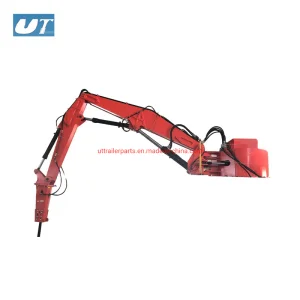
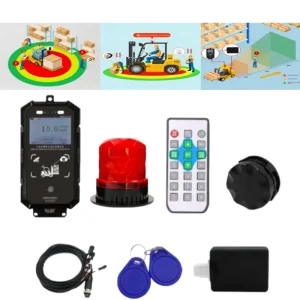
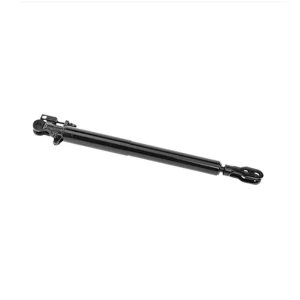
Forklift anti-collision systems, hydraulic brake boom systems, axles and power-steering assemblies for material handling and heavy equipment. Integration, operator safety and service access are central. Harsh-duty environments demand robust seals, corrosion protection and practical troubleshooting support.
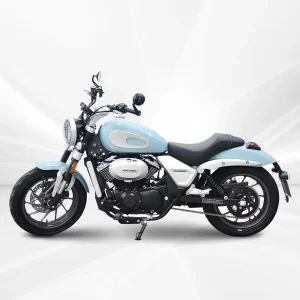
EEC-certified racing motorcycle suspension and braking systems for performance builds and specialty distributors. Validation should cover thermal load, lever feel, corrosion and assembly consistency. For niche programmes, sample iteration speed and clear technical communication can matter as much as scale.
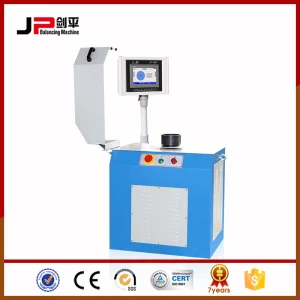
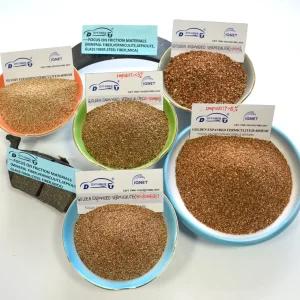
CNC press brake solutions, brake-disc balancing equipment, steel wool fiber, vermiculite and friction raw materials for brake pad and lining production. Process capability and material consistency matter as much as the finished part, especially when buyers are building their own friction formulations.
The roadmap below is a procurement planning tool, not a product claim. It helps buyers ask the right questions about today's catalogue and tomorrow's programme requirements.
Low-noise, low-dust NAO friction; caliper dimensional repeatability; rotor balance; corrosion protection; EBS module quality; barcode traceability; and packaging suitable for long ocean transit. Buyers should expect controlled drawings, inspection criteria and change notification discipline.
Wear sensors, temperature sensing, electronic parking-brake subcomponents, trailer EBS extension modules, custom harnesses and diagnostic data are becoming part of mainstream sourcing discussions. Suppliers must control mechanical tolerances while coordinating electronic component sourcing and service information.
Electro-mechanical brakes, regenerative braking coordination, lightweight materials, recycled content, digital twins and predictive maintenance are shaping the next development cycle. These require validation partnerships, cybersecurity awareness and formal change-control processes. Transparent capability boundaries are safer than broad promises.
For global buyers, the practical implication is to separate current production needs from future platform requirements. A supplier that can explain what is validated today, what is under development and what requires a joint engineering programme is easier to qualify.
Brake programmes are global, but buying behaviour is regional. A compliant product in one market may require different documentation, packaging or validation emphasis in another.
ECE R13/R90 documentation, CO2 and noise pressure, high expectations for traceability and after-sales support. Buyers often consolidate suppliers that can manage multiple languages, packaging formats, delivery windows and technical files for distributors and workshops.
FMVSS-related expectations, severe-duty cycles, low-dust or low-noise preferences, private-label programmes and stable inventory for repair shops. Cross-reference accuracy, warranty handling and core-return processes can be important in the aftermarket channel.
Rapid sample cycles, strong manufacturing clusters and growing domestic aftermarket demand. Buyers scrutinise consistency as volumes scale and require clear IP agreements, quality plans and responsive engineering communication for custom programmes.
Heat, dust, road conditions, import compliance, serviceability and long shelf life influence design and packaging. Local distributors value flexible MOQ, consolidated shipments and practical after-sales support for mixed-brand fleets.
A globally optimised brake programme is therefore not a single specification copied across markets. It is a product family with controlled variants, documented deviations and a clear plan for localization, inventory and service.
Compliance is not a logo on a brochure. For safety-critical brake products, it is a chain of evidence: drawing control, material traceability, process monitoring, testing, packaging and after-sales records. MOAD AUTO supports OEM and aftermarket partners with flexible production and supply-chain services; specific certifications, standards and test protocols should be confirmed SKU-by-SKU for each target market.
Buyer drawings, OE references, application data and target volumes are reviewed for manufacturability, material choice, tolerance stack-up and packaging requirements. Early engineering feedback reduces sample loops and prevents specification drift.
Control plans, inspection criteria, gauges and sampling procedures should be agreed before mass production. For custom programmes, an APQP/PPAP-style workflow can help align drawing control, process capability and approval documentation.
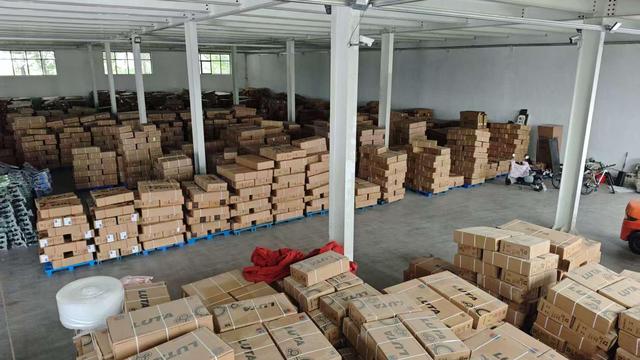
Raw material, casting, friction batch, electronic module batch and final inspection records support problem solving and warranty review. Traceability should link the shipped carton or pallet to the production lot and inspection record.
Depending on the SKU, buyers may request dimensional reports, material certificates, performance testing, corrosion checks, noise and dust evaluation or durability evidence. The correct standard depends on product and market; documentation must match the actual claim.
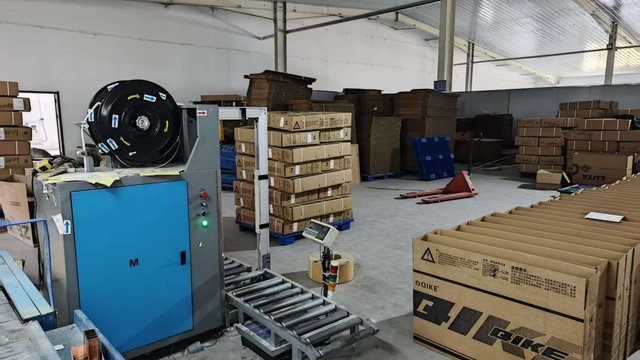
Private-label cartons, barcodes, multilingual labels, moisture protection and pallet configuration protect product quality and help distributors receive goods efficiently. Packaging validation can be as important as product validation for long-distance export.
Any change in supplier, material, process or packaging should be communicated through a formal change-notification process. Clear warranty handling, replacement-part support and technical response routes protect long-term programme stability.
Use this framework to compare suppliers beyond catalogue photos and unit price. It is designed for sourcing, engineering and quality teams that need a repeatable decision record.
Document vehicle type, load, duty cycle, climate, road condition, service expectations and destination market. Identify which standards, labels and test evidence are required before asking for a quotation. This single step prevents comparing products that are not equivalent.
Agree on friction coefficient range, wear limits, thermal stability, noise criteria, dust targets, corrosion hours, pressure integrity and dimensional tolerances. For electronic parts, define connector, voltage, communication and diagnostic requirements.
Review production equipment, inspection methods, calibration, material control, lot traceability and change notification. Ask for evidence that the same specification can be repeated across lots, not just in a golden sample.
Model packaging, shipping, inventory, warranty, spare parts and future engineering changes. A supplier with a clear lifecycle plan can support market expansion better than a supplier that competes only on initial price.
Original manufacturer information is retained below for transparency, with supporting context for global B2B buyers.
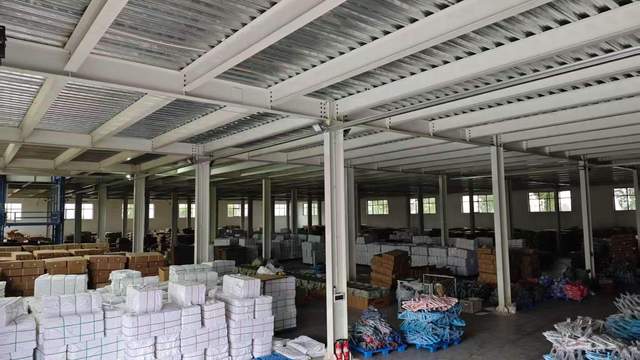
Hangzhou MOAD AUTO Co., Ltd. is a professional manufacturer specializing in brake system components, including brake pads, brake rotors, and automotive friction materials. Located in Hangzhou, China, the company integrates research and development, production, quality control, and global sales to provide reliable braking solutions for international automotive markets.
With a strong technical team and advanced manufacturing facilities, MOAD AUTO is committed to delivering high-performance products that meet strict industry standards for safety, durability, and consistency. Our brake components are widely used in passenger vehicles, commercial vehicles, and various aftermarket applications, ensuring stable braking performance under different driving conditions.
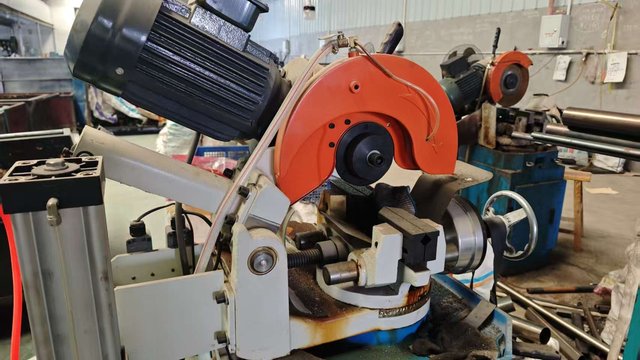
Hangzhou MOAD AUTO Co., Ltd. continuously invests in innovation and process improvement, utilizing modern equipment and precise testing systems to maintain consistent product quality. Every stage of production, from raw material selection to final inspection, is strictly controlled to ensure reliability and long service life.
We also provide customized solutions to meet specific customer requirements, supporting OEM and aftermarket partners with flexible production capabilities and efficient supply chain services. Guided by the principles of quality, integrity, and customer satisfaction, MOAD AUTO is dedicated to building long-term partnerships and delivering dependable brake system solutions to clients worldwide, contributing to safer and more efficient mobility.
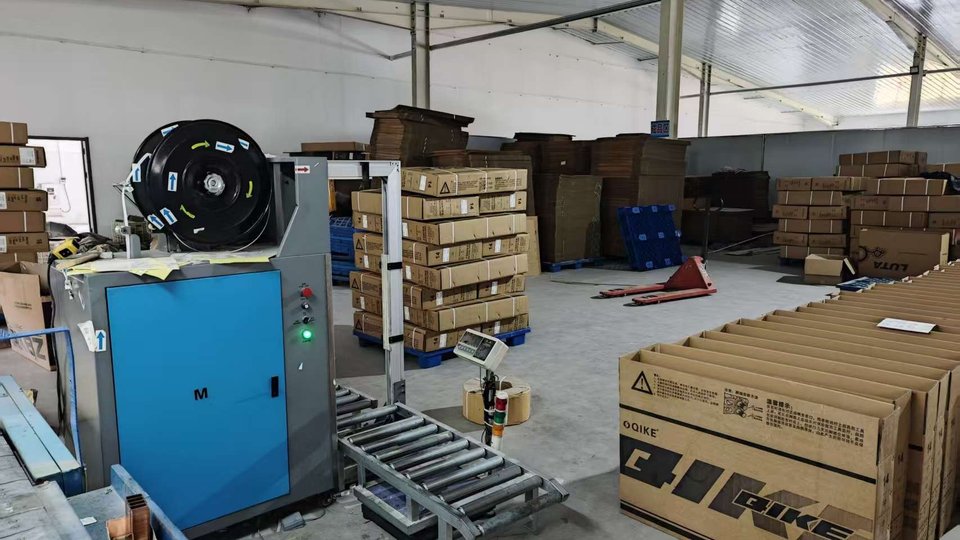
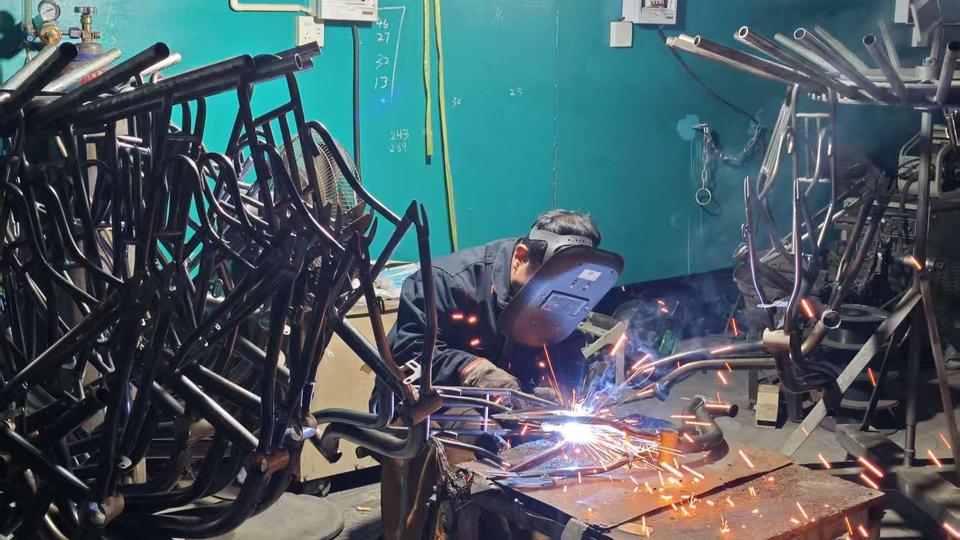
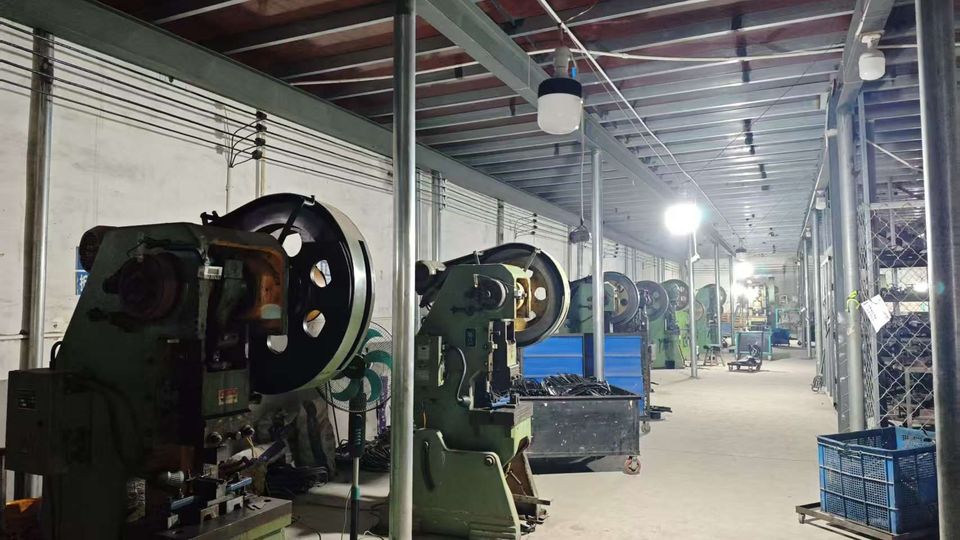
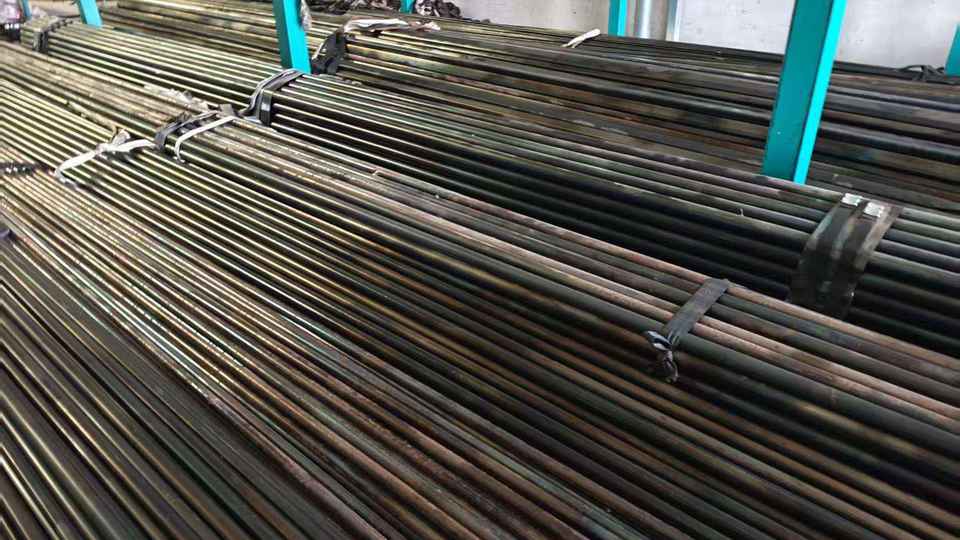
Manufacturer-supplied images are displayed in their original aspect ratio, without forced compression or cropping.

These answers are written for procurement and engineering teams evaluating OEM/ODM brake solutions. Commercial terms, standards and test evidence should always be confirmed for the specific product and market.
OEM supply is typically built to the buyer's drawing, specification and packaging requirements. ODM supply starts from a manufacturer's existing design or platform and adapts it to the buyer's market, branding or performance target. Both models require clear IP ownership, validation criteria, change control and approved samples before volume production.
Request drawings, control plans, material declarations, inspection reports, sample test results, packaging specifications and change-notification procedures. For regulated markets, confirm which standard applies and ask for evidence that matches the SKU. A factory audit and a pre-production sample approval are useful safeguards for safety-critical brake components.
Customized solutions and flexible production are part of the MOAD AUTO positioning, and selected products are presented with low-MOQ options. Actual MOQ depends on material, tooling, packaging and whether the item is standard or customized. Buyers should request a written quotation with packaging artwork, barcode requirements and inspection terms.
Relevant examples include EBS control units, trailer EBS extension modules, electronic braking system parts, wiring harness solutions, brake pads and selected friction components. Cross-reference accuracy, connector quality, diagnostic compatibility and environmental protection should be confirmed before fleet or OE approval.
Include vehicle or machine application, OE number, drawings or samples, target material, performance requirements, destination market, estimated annual volume, packaging needs, labelling rules, required test reports and target delivery schedule. The clearer the input, the faster the engineering and commercial review.
A practical programme links the shipped carton or pallet to production lot records, raw material batches, inspection results and packaging details. Any change in material, process, supplier or packaging should be communicated before shipment. Buyers should define the approval process for engineering changes and keep signed samples as the reference standard.
Agree Incoterms, packaging validation, barcode rules, pallet configuration and documentation before the first order. For distributors, consolidated mixed-SKU shipments and private-label packaging can reduce handling costs. After-sales support should include a clear contact route, warranty terms, replacement-part process and technical response expectations.
Separate mature mechanical components from electronic or brake-by-wire development projects. For electronic braking, ask about validation plans, diagnostic requirements, cybersecurity awareness, supplier qualification and change control. For friction and mechanical parts, continue to verify lot consistency, NVH, dust, corrosion and service life as electrified vehicles change duty cycles.
The second group of eight featured products covers industrial safety, railway maintenance, trailer electronics, friction raw materials and multi-brand aftermarket support. Every original product URL and image is retained below.
 MOAD AUTO