CE Certified Brake Component Design Factory & Suppliers
Leading Global Safety Architecture, Precision Friction Engineering & IATF 16949 Compliant OEM/OES Industrial Solutions
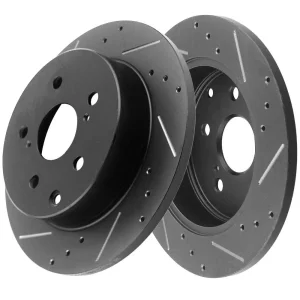
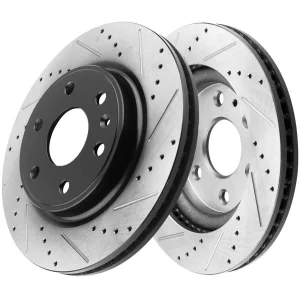
Featured Engineering Components (Section A)
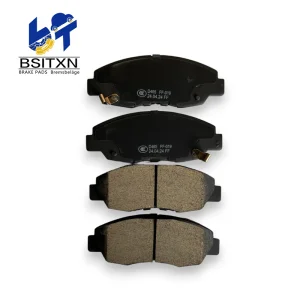
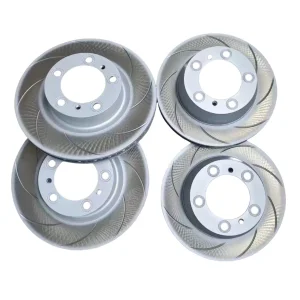
Explore our premium selection of certified braking components, engineered for light vehicles, heavy industrial machinery, and precision robotic systems.
Engineering Safe Mobility: An Industry Whitepaper on Brake System Design and Compliance
Braking systems represent the single most safety-critical system in modern passenger, commercial, and industrial transportation architectures. As modern drivelines transition toward electrification and higher performance demands, the engineering of friction materials and hydraulic pathways undergoes significant structural evolution. Achieving high performance while assuring adherence to strict certification standards, such as the European CE marking and specific rail-industry indicators (like EN 15085-2), requires an integrated approach to design, metallurgy, and macromolecular chemical formulations.
Whitepaper Perspective: Friction science (tribology) is not merely about stopping; it is about energy transformation. Converting kinetic energy into thermal energy safely, predictably, and with minimal NVH (Noise, Vibration, and Harshness) represents the primary engineering threshold for contemporary component manufacturers.
1. Global Procurement Dynamics & Strategic Supply Chain Integration
Global procurement teams in the automotive and industrial machinery sectors face a triple challenge: regulatory compliance, supply chain elasticity, and cost-to-performance optimization. Modern Tier-1 suppliers and OES distributors require factories that do not merely manufacture products but act as engineering partners capable of rendering full failure-mode and effects analysis (FMEA) reports alongside initial samples.
Key drivers in current procurement programs include:
Regulatory Traceability: Mandatory validation against ECE R90, CE directives, and local chemical safety benchmarks (such as California's low-copper legislation).
Operational Resiliency: Dual-sourcing strategies combined with agile localized hubs to mitigate logistics blockages and ensure Just-in-Time (JIT) delivery.
Structural Customization: The demand for components engineered to specific operating envelopes—e.g., severe heavy-duty cycles in mining machinery or ultra-low volumetric expansion in high-performance motorcycle hydraulic brake systems.
2. Macro-Level Braking Solutions Across Diverse Verticals
Braking system solutions must cater to specific thermodynamic demands across varied industrial ecosystems:
Automotive OEM/OES: Passenger vehicle brake pads require balanced tribological attributes, combining high friction coefficient stability over wide temperature envelopes (50°C to 650°C) with low disc wear. Carbon fiber ceramic formulations represent the premium path, preventing micro-structural thermal fatigue on brake discs.
Heavy Railway & Rolling Stock: Heavy-duty components must endure high impact forces and operate in harsh temperatures. Components optimized for rail application must pass rigorous Charpy impact testing (e.g., 45J at -40°C) and secure certifications such as EN 15085-2, proving high structural weld durability up to 1,000,000+ lifecycle operations.
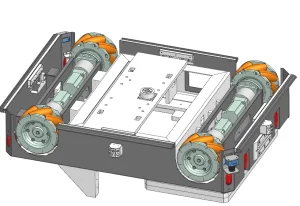
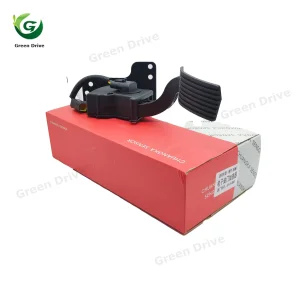
High-Speed Industrial Robotics & AGVs: The rise of automated guided vehicles, using advanced Mecanum wheel configurations, requires integrated micro-braking controls and precision electronic throttles. These devices interface directly with automated drive units, ensuring millisecond-level stops with minimal vibration.
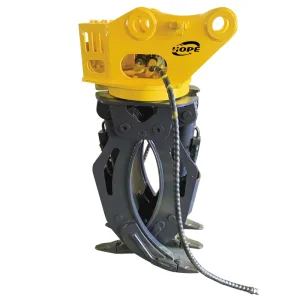
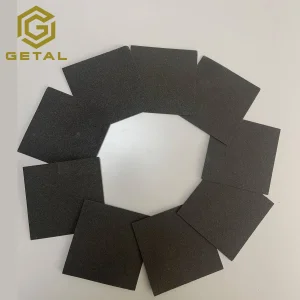
Heavy Construction and Forestry Equipment: Forestry log grapples and planetary gearboxes in heavy machinery necessitate high-torque holding brakes. These often use wet paper-based friction plates submerged in oil cooling circuits to dissipate the immense kinetic energy of high-torque loads.
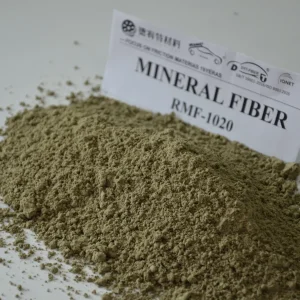
The friction material industry is shifting from traditional semi-metallic compounds toward multi-component fiber formulations. Our engineering matrix utilizes several advanced materials to meet modern performance specifications:
Basalt Fiber Compositions
Replaces ceramic and glass fibers to offer superior thermal insulation and high shear resistance at elevated operating temperatures, preventing structural failure under extreme loads.
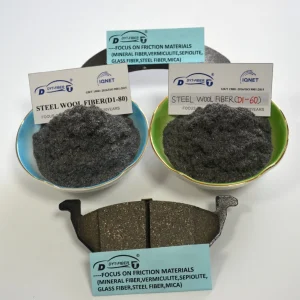
Steel Wool Fiber (D1-80)
Provides a key structural reinforcement grid within semi-metallic and low-metallic friction compounds. Boosts heat dissipation and ensures stable friction properties under cyclic loading.
Carbon Ceramic Composites
Offers superior performance for premium vehicles. Delivers high friction levels, reduces overall weight by 50% compared to cast iron rotors, and virtually eliminates thermal warping.
In addition to raw material advancements, the transition to electric vehicles (EVs) introduces new braking challenges. Due to regenerative braking systems, primary friction brakes remain unused for longer periods, increasing the risk of oxidation and pad corrosion. At the same time, the added weight of EV batteries increases kinetic energy during emergency stops. This demands higher thermal threshold reserves and advanced corrosion protection, such as galvanic steel backing plates and customized zinc-based adhesive coatings.
Hangzhou MOAD AUTO Co., Ltd. is a professional manufacturer specializing in brake system components, including brake pads, brake rotors, and automotive friction materials. Located in Hangzhou, China, the company integrates research and development, production, quality control, and global sales to provide reliable braking solutions for international automotive markets.
With a strong technical team and advanced manufacturing facilities, MOAD AUTO is committed to delivering high-performance products that meet strict industry standards for safety, durability, and consistency. Our brake components are widely used in passenger vehicles, commercial vehicles, and various aftermarket applications, ensuring stable braking performance under different driving conditions.
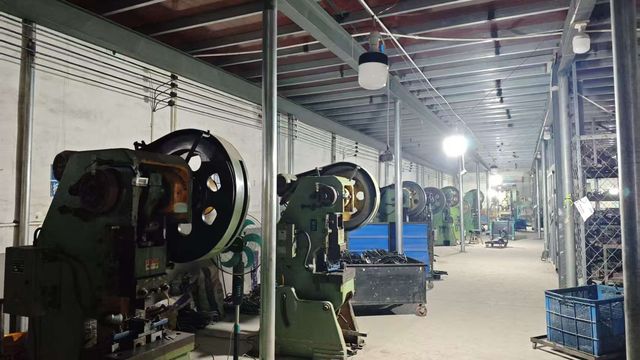
Hangzhou MOAD AUTO Co., Ltd. continuously invests in innovation and process improvement, utilizing modern equipment and precise testing systems to maintain consistent product quality. Every stage of production, from raw material selection to final inspection, is strictly controlled to ensure reliability and long service life.
We also provide customized solutions to meet specific customer requirements, supporting OEM and aftermarket partners with flexible production capabilities and efficient supply chain services. Guided by the principles of quality, integrity, and customer satisfaction, MOAD AUTO is dedicated to building long-term partnerships and delivering dependable brake system solutions to clients worldwide, contributing to safer and more efficient mobility.
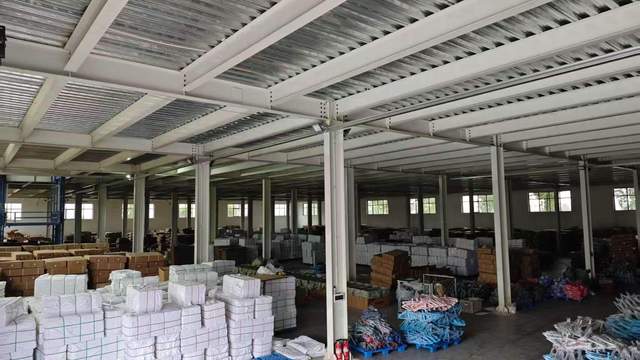
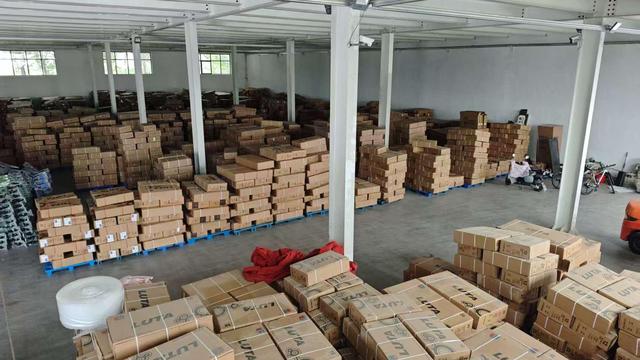
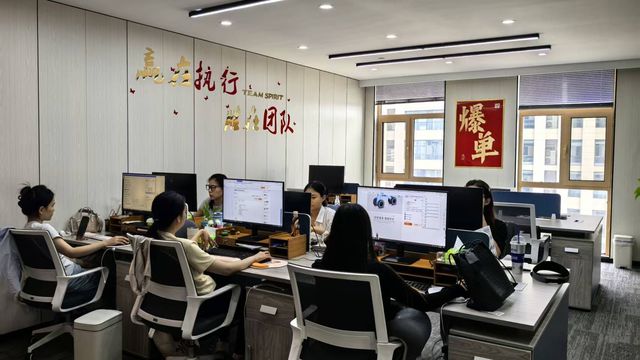
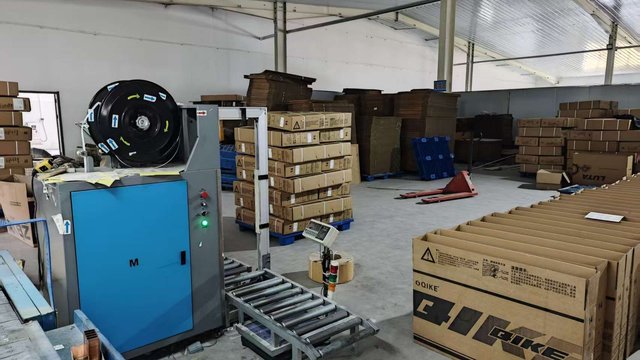
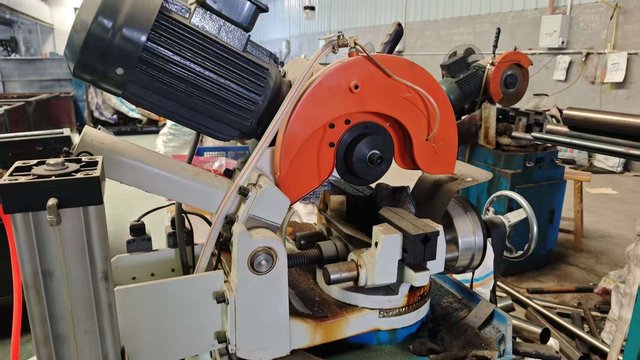
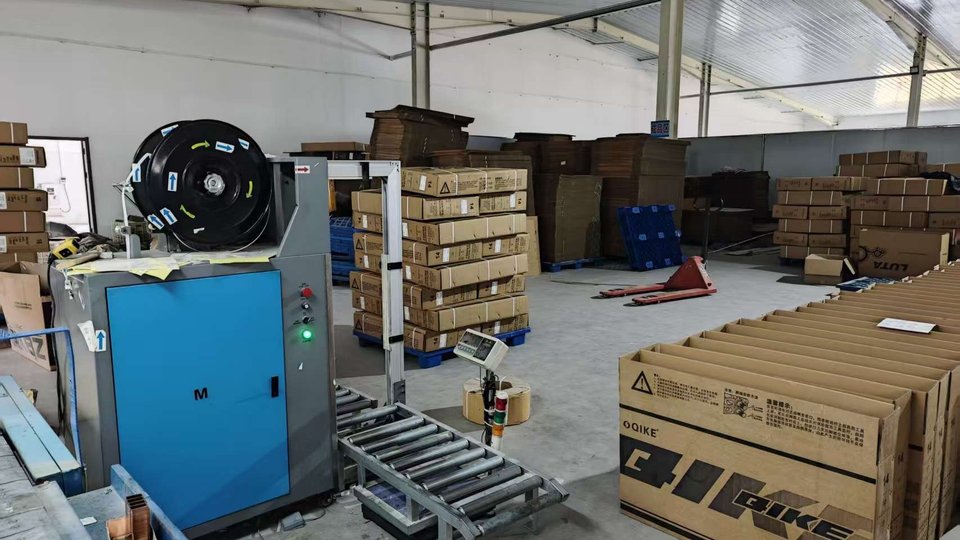
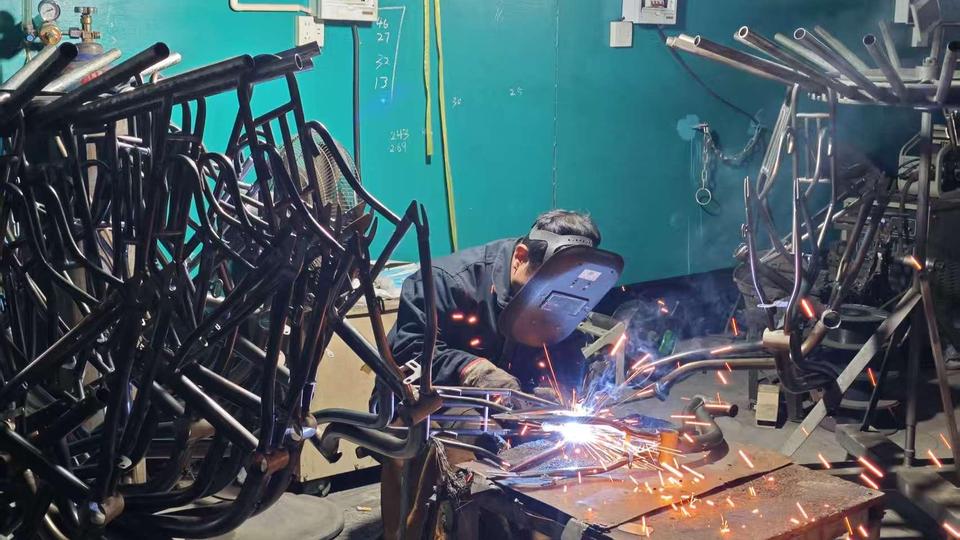
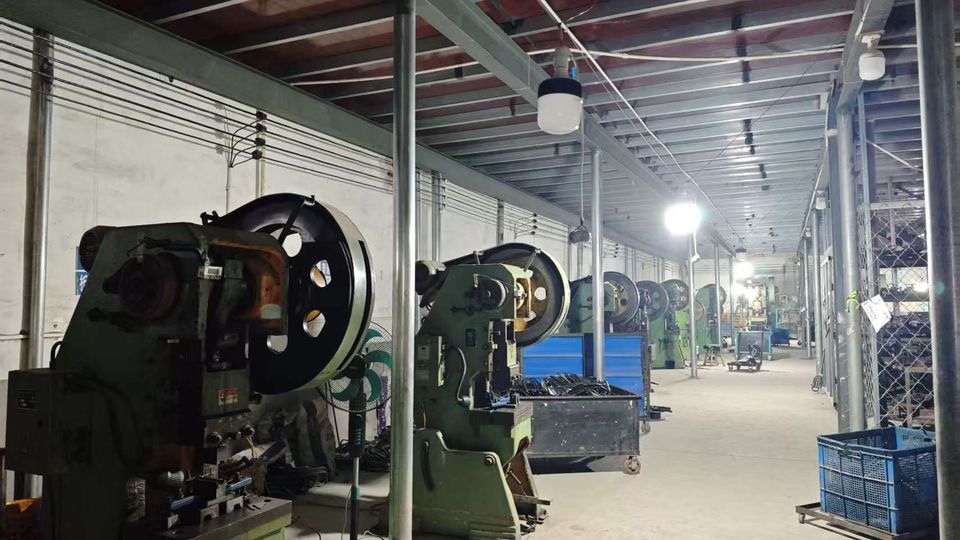
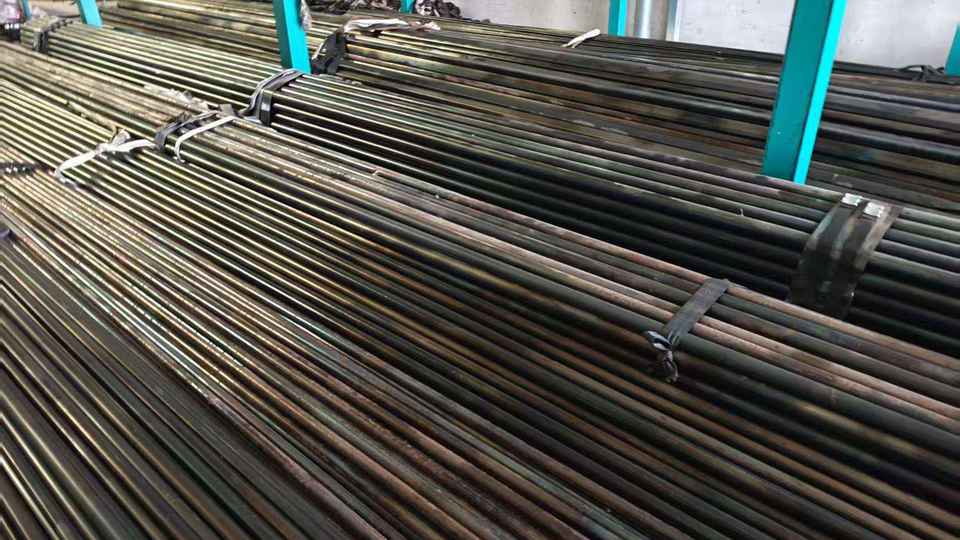
Factory Facilities & Production Inspection Gallery
5. Localized Support & Compliance Frameworks
Entering international markets demands strict adherence to localized technical standards. Hangzhou MOAD AUTO Co., Ltd. ensures regulatory alignment through rigorous engineering testing:
Europe (EEA): CE marking and ECE R90 certifications ensure our friction materials perform within ±15% of original equipment components under extreme thermal loads.
North America: Alignment with SAE J661 (Link Chase testing) ensures stable friction levels under friction-fade-recovery cycles, combined with NSFI registration for low-copper formulations.
Heavy Railway Infrastructure: Welding operations for high-strength steel backing plates and linkages comply with the EN 15085-2 standard. Under low-temperature environments, components maintain impact performance down to -40°C (Charpy 45J).
6. Frequently Asked Questions (FAQ)
Q1: What are the main benefits of using basalt fiber over glass fiber in brake linings?
A1: Basalt fiber offers superior thermal stability and maintains its mechanical strength at temperatures exceeding 600°C. It provides better friction stability, less brake fade, and lower noise compared to traditional glass fibers. Additionally, it is an environmentally friendly, natural material that meets REACH and environmental standards.
Q2: Why is the EN 15085-2 certification critical for railway brake components?
A2: The EN 15085-2 standard regulates the welding of railway vehicles and components. Since railway braking systems must withstand extreme cyclical stress and high dynamic loads, this certification ensures the welded joints meet strict safety, durability, and crack-resistance standards.
Q3: How does wet paper-based friction material compare to semi-metallic options?
A3: Wet paper-based friction materials are designed for oil-immersed multi-plate brakes, which are common in heavy agricultural machinery and industrial transmission clutches. They offer a stable friction coefficient, smooth engagement, and high energy absorption. Semi-metallic materials, by contrast, are used in dry braking applications that require direct exposure to air cooling.
Q4: How does carbon fiber ceramic formulation prevent brake fade?
A4: Carbon fiber ceramic pads combine the high tensile strength of carbon fibers with the wear and heat resistance of silicon carbide. This structure prevents material degradation under high heat, maintaining a stable coefficient of friction and preventing the brake fade common in traditional organic or low-metallic compounds.
Q5: Can you customize brake lines and assemblies for specific applications?
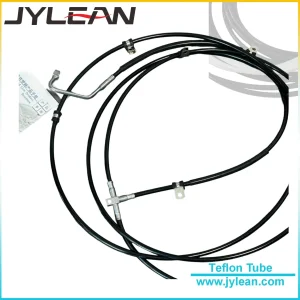
A5: Yes. We manufacture custom-length PTFE braided brake line assemblies designed to handle high pressures. The braided stainless steel outer sheath prevents volumetric line expansion, delivering quick response times and a firmer brake pedal feel.
Featured Engineering Components (Section B)
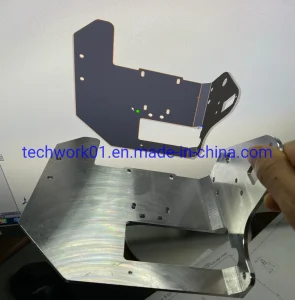
Our technical range continues with specialized rotors, heavy-duty clutch systems, carbon ceramic components, and precision CNC assemblies.
 MOAD AUTO