Engineered for absolute thermal efficiency, precise control, and high shear strength. Explored below is our core product catalog for global vehicle manufacturers.
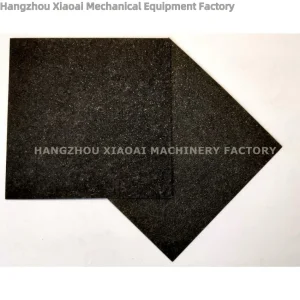
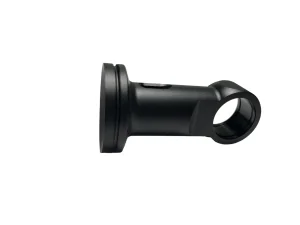
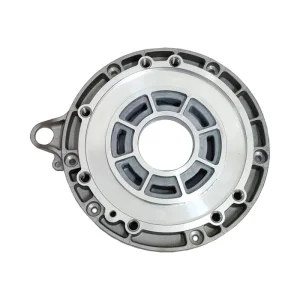
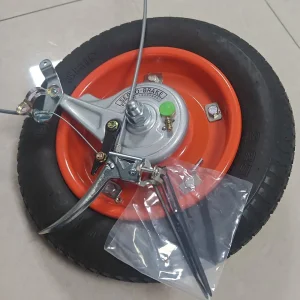
Modern automotive brake systems operate under extreme thermodynamic and mechanical stress. An OEM-certified custom brake pad or rotor is not merely a piece of metal or a block of composite material; it is a highly engineered safety component designed to manage Kinetic Energy Dissipation (KED). When a vehicle decelerates, the kinetic energy is converted into thermal energy via friction. The coefficient of friction (denoted as μ) must remain highly stable across varying temperatures, sliding speeds, and humidity conditions to avoid the dangerous phenomenon known as "brake fade."
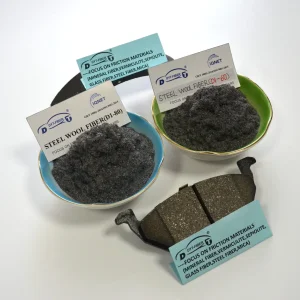
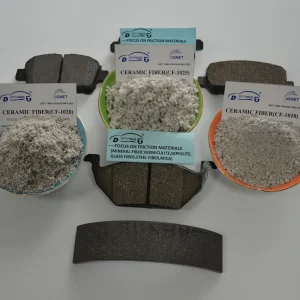
In designing advanced aftermarket and OEM brake solutions, engineers evaluate three primary classes of friction formulations: Non-Asbestos Organic (NAO), Low-Metallic, and Semi-Metallic/Ceramic. Low-Metallic compounds utilize a blend of organic materials reinforced with steel wool and iron fibers (typically 10-30%), which improves heat transfer and mechanical durability. However, to meet the stringent demands of modern electric vehicles (EVs) and high-performance sedans, manufacturers are shifting toward advanced ceramic fiber compositions. These formulations employ potassium titanate, synthetic graphite, and high-performance binders that maintain friction coefficients (typically between 0.35 and 0.45) at continuous operating temperatures exceeding 650°C.
Under heavy braking, the bond between the backing plate and the friction material is subjected to severe shear forces. International standard ISO 6312 dictates the minimum shear stress a brake pad must withstand prior to bonding failure. Our OEM manufacturing facility incorporates hot-press curing cycles and advanced adhesive primer layers to achieve shear strength limits that exceed standard OEM regulations by up to 25%.
China has become the global nexus for automotive component manufacturing. Industrial zones in Zhejiang Province, particularly around Hangzhou, provide a highly dense automotive supply ecosystem. The advantage of sourcing OEM brake components from this region extends far beyond competitive pricing; it centers on raw material availability, advanced metallurgical processing, and vertical manufacturing integration.
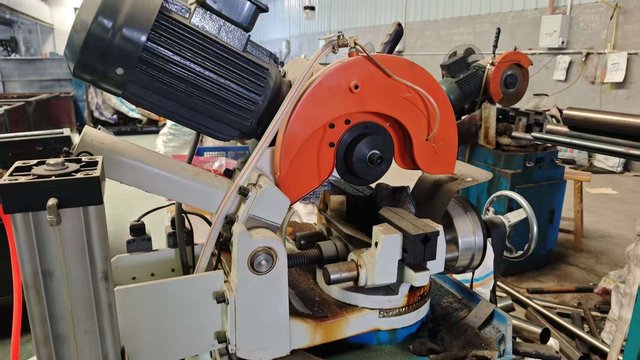
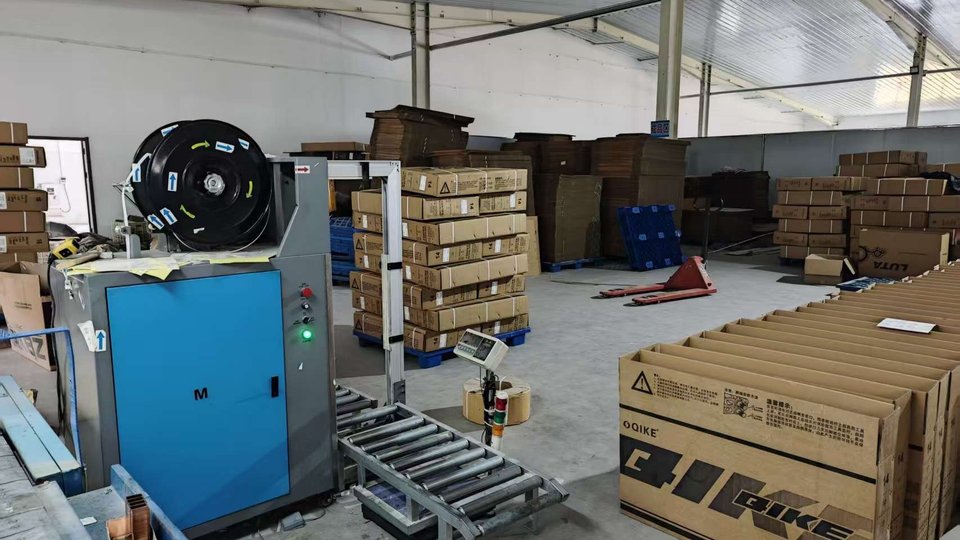
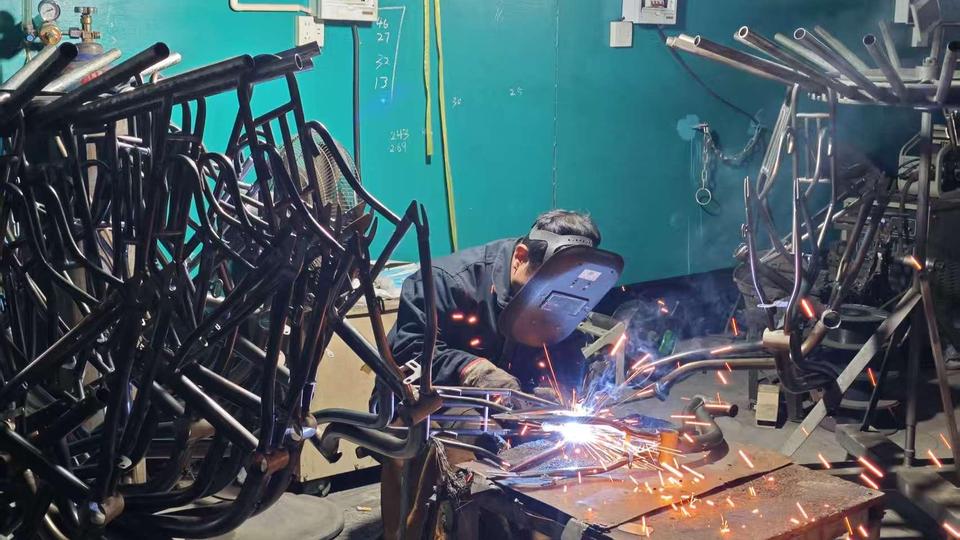
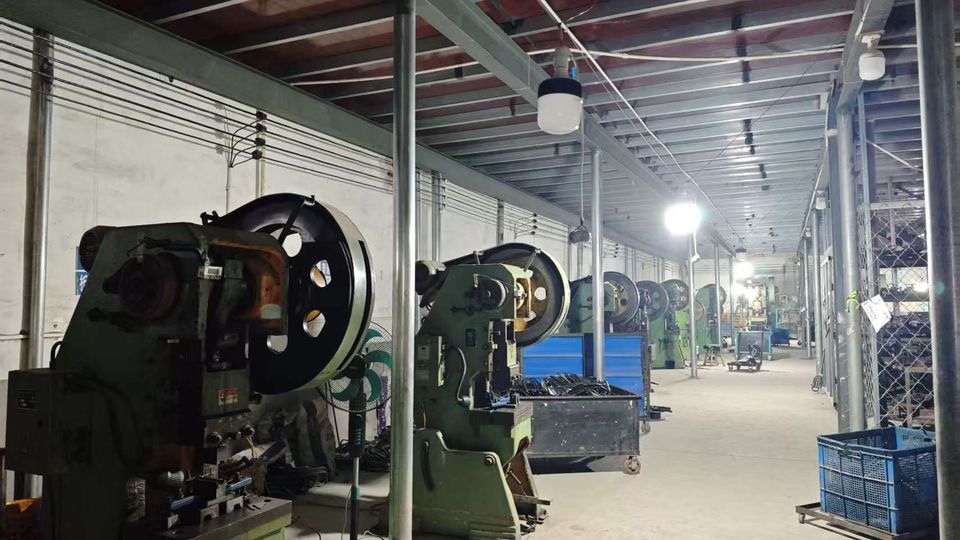
The manufacturing process at a modern Chinese brake factory utilizes automated powder dispensing, computer-controlled dry-mixers, high-precision thermal hot presses, and inline thermal scorching lines. By scorching the surface of the friction pad—exposing the outer 1–2mm of the pad to 600°C–700°C via infrared plates—the volatile resins are pre-carbonized. This eliminates the traditional "bedding-in" or break-in period for the end customer, guaranteeing immediate initial friction response and maximum safety right out of the box.
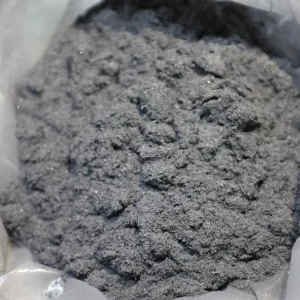
Sourcing premium-grade steel wool fibers (such as D1-80 and D1-60 grade), cellulose fibers, and specialized paper friction materials directly from domestic chemical centers allows for optimized cost structures and precise control over raw material composition.
Our casting facilities implement high-pressure and gravity die casting methods for brake caliper housings and suspension components. This process controls porosity, ensuring high tensile strength and superior NVH (Noise, Vibration, Harshness) performance.
From zinc plating and powder coating to electronic E-coating, our inline surface treatment lines ensure that metal brackets, backing plates, and caliper links resist severe road salt spray and oxidation for up to 10 years.
Procuring custom brake systems on a B2B scale requires meticulous compliance checks to satisfy liability, performance, and legal safety standards in destination markets. Global buyers from the EU, North America, and Japan must ensure their selected factories adhere to the following technical and operational verification criteria:
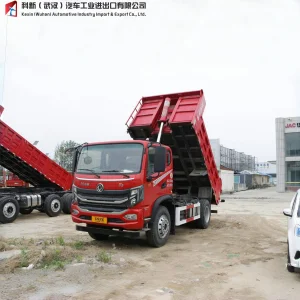
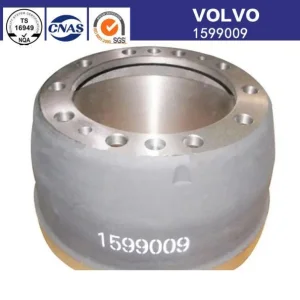
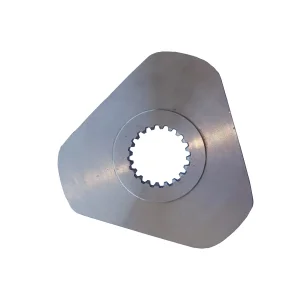
Braking solutions must be customized to fit the exact load and duty cycles of the vehicle. For example, a heavy-duty mining dump truck, such as the 180 HP Dongfeng Huashen T3, operates under continuous payloads in highly dust-intensive settings. The brake system for such vehicles relies heavily on large-diameter pneumatic drum brakes. These systems feature heavy-cast backing plates and S-cam mechanisms, which are designed to provide maximum torque multiplication under low air pressure.
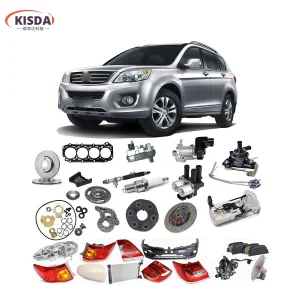
Conversely, modern electric passenger cars require braking systems optimized for regeneration integration. The friction material must survive extended periods of inactivity due to electric motor regenerative braking, which can lead to rotor oxidation and pad glazing. In these applications, custom-engineered aluminum die-cast brake components and specialized non-metallic pads are critical. They help to maintain dry-contact friction and prevent surface glazing, even when the brakes are infrequently applied.
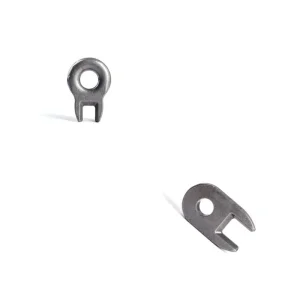
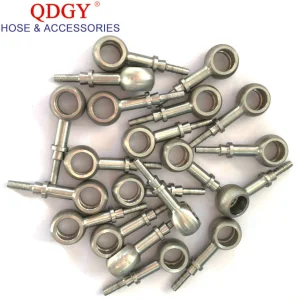
Furthermore, off-highway and agricultural machinery require specialized solutions, such as wet brake configurations. These systems utilize paper-based friction discs submerged in an oil bath to dissipate heat and prevent water ingress in muddy environments. Meanwhile, rail transport and heavy freight wagons demand heavy-duty eye brake rods that comply with ISO 148-1 mechanical testing standards to withstand severe vibrational forces.
The automotive industry is moving rapidly toward autonomous drive systems, ADAS-guided emergency braking, and Brake-By-Wire (BBW) architectures. These technologies eliminate mechanical linkages, replacing them with electro-hydraulic actuators that generate braking force within milliseconds. In this environment, the consistency of the friction material's performance becomes even more critical. Because the driver no longer feels the brake pedal directly, the system cannot self-correct for brake fade; the friction material must perform reliably under all conditions.
Furthermore, NVH engineering has become a key point of differentiation for premium passenger car brands. Manufacturers are utilizing laser scanning vibrometry to analyze microscopic brake pad vibrations that cause squealing. To counteract this, modern OEM factories employ multi-layered damping shims, chamfered edge profiles, and custom slot configurations designed to tune the natural frequency of the brake pad. This helps to prevent high-frequency resonance in the caliper assembly.
Hangzhou MOAD AUTO Co., Ltd. is a professional manufacturer specializing in brake system components, including brake pads, brake rotors, and automotive friction materials. Located in Hangzhou, China, the company integrates research and development, production, quality control, and global sales to provide reliable braking solutions for international automotive markets.
With a strong technical team and advanced manufacturing facilities, MOAD AUTO is committed to delivering high-performance products that meet strict industry standards for safety, durability, and consistency. Our brake components are widely used in passenger vehicles, commercial vehicles, and various aftermarket applications, ensuring stable braking performance under different driving conditions.
Hangzhou MOAD AUTO Co., Ltd. continuously invests in innovation and process improvement, utilizing modern equipment and precise testing systems to maintain consistent product quality. Every stage of production, from raw material selection to final inspection, is strictly controlled to ensure reliability and long service life.
We also provide customized solutions to meet specific customer requirements, supporting OEM and aftermarket partners with flexible production capabilities and efficient supply chain services. Guided by the principles of quality, integrity, and customer satisfaction, MOAD AUTO is dedicated to building long-term partnerships and delivering dependable brake system solutions to clients worldwide, contributing to safer and more efficient mobility.
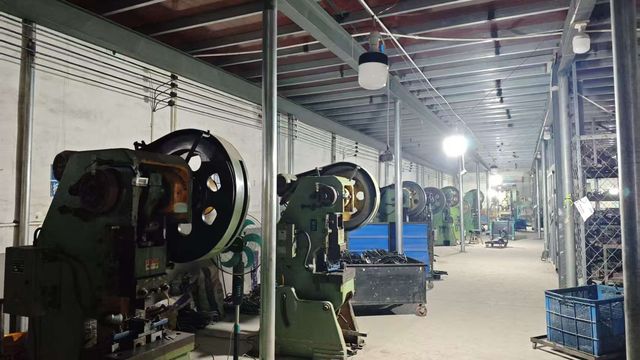
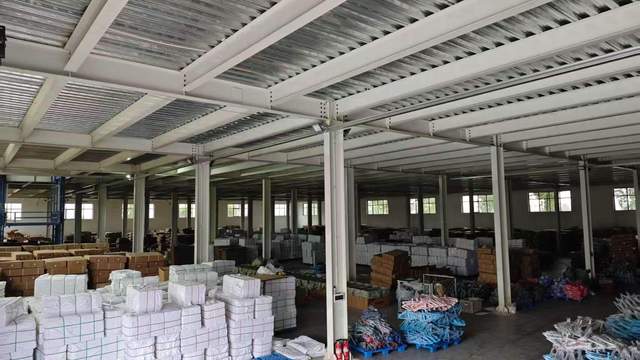
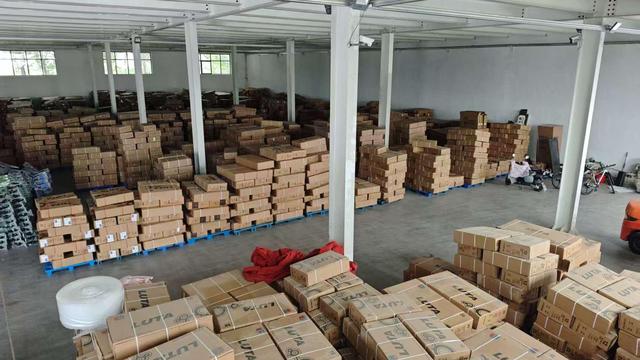

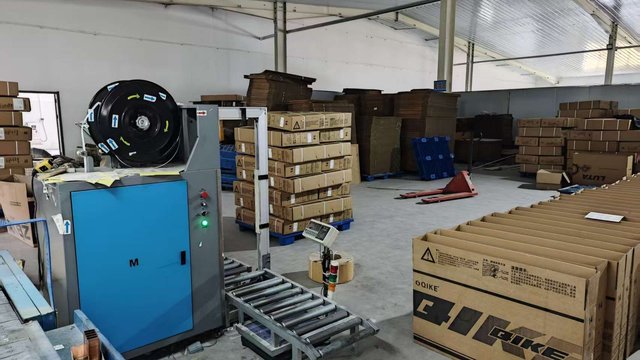
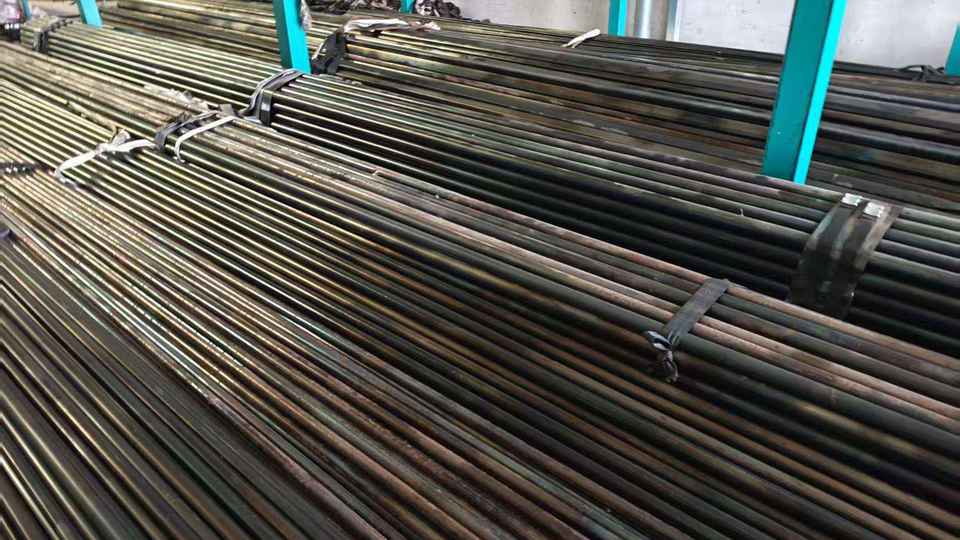
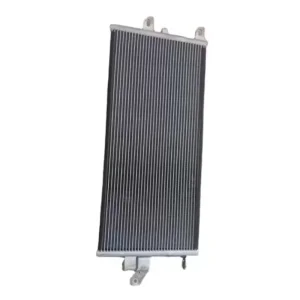
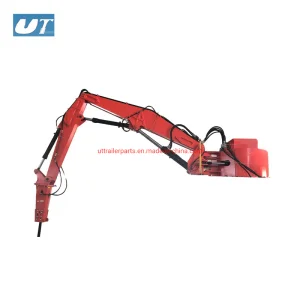
Explore our expanded catalog, including raw materials, cooling components, and vehicle hydraulic systems built to tier-1 OEM specifications.
 MOAD AUTO