

Venezuela is currently navigating a distinct evolutionary phase in its automotive and transport sectors. While historic structural issues have limited rapid consumer EV adoption, there is a substantial, targeted acceleration in the deployment of electric commercial fleets, municipal transport micro-mobility solutions, and localized heavy industries. In major economic hubs like Caracas, Maracaibo, and Valencia, high cargo operational costs have spurred intense commercial interest in low-maintenance, high-efficiency drivetrains—specifically electric utility vehicles, two-wheeled delivery networks, and municipal shuttle retrofitting programs.
However, the rugged geographical topography of Venezuela presents major challenges for standard vehicle braking designs. The Caracas-La Guaira highway, for example, represents a steep drop from over 1,000 meters above sea level to coastal levels within a short 30km stretch. Standard friction-only hydraulic brake systems operating on EVs under these continuous downhill conditions face severe thermal stress, leading to rapid brake fade and mechanical failure. Consequently, there is an urgent and critical demand for high-reliability, heavy-duty brake systems specifically designed to handle sustained thermal load, manage regenerative braking feedback loops, and operate under high ambient heat and humidity typical of Venezuelan coastal and agricultural regions.
Key Insight: Fleet operators in Venezuela are rapidly transitioning from legacy hydraulic setups to integrated Regenerative Braking Systems (RBS). This not only guarantees reliable deceleration on severe slopes but recovers up to 30% of kinetic energy, expanding the driving range of commercial fleets operating far from sparse charging networks.
The engineering roadmap for EV braking systems in Latin American markets is defined by smart integration, component weight reduction, and advanced heat dissipation. Because electric vehicles do not rely on an internal combustion engine to generate vacuum pressure, traditional vacuum-assisted braking systems are obsolete. Manufacturers are shifting to Electromechanical Brake Boosters (iBooster models) and fully integrated Brake-by-Wire (BbW) systems.
In a BbW architecture, the physical connection between the brake pedal and the calipers is replaced by a digital electrical signal. This configuration is critical for modern ADAS (Advanced Driver Assistance Systems) and supports sophisticated ESP (Electronic Stability Program) adjustments required for slippery, wet coastal highways in Venezuela. The primary technical roadmap highlights include:
Integrating regenerative torque from the electric motor with traditional friction brake systems requires high-speed CAN-bus or Ethernet communication. When the driver presses the brake pedal, the vehicle controller calculates the deceleration demand and applies regenerative braking force first. If the demand exceeds the motor's capacity, the hydraulic control unit seamlessly applies caliper pressure, ensuring consistent braking feel and maximum energy recapture.
Due to the prolonged downhill braking demands of Venezuelan mountainous highways, brake rotors and caliper housings require advanced thermal management. Ventilated, cross-drilled rotors combined with carbon-ceramic or semi-metallic friction materials prevent the temperature of the braking interface from exceeding the critical 400°C threshold, where traditional organic brake pads begin to gasify and experience severe fade.
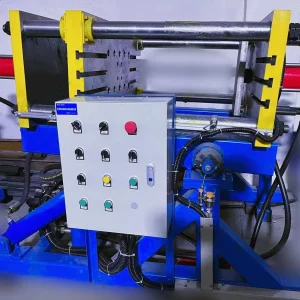
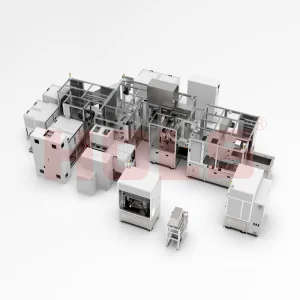
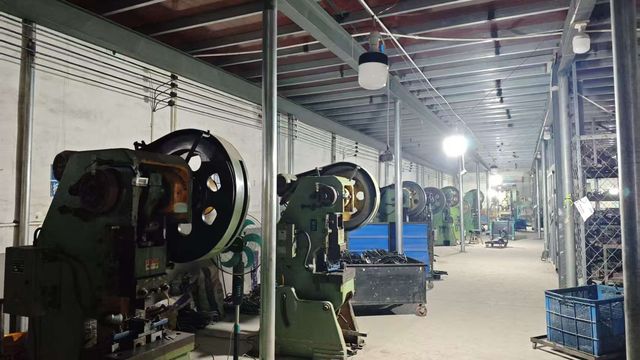
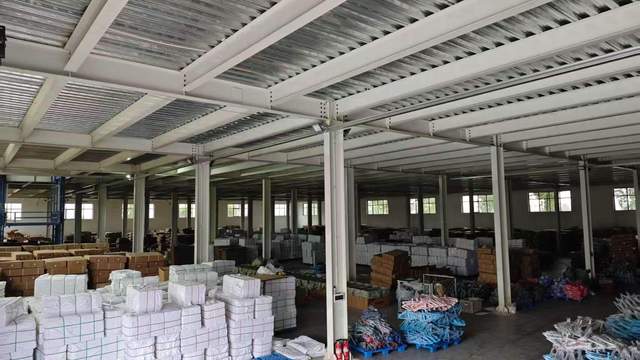
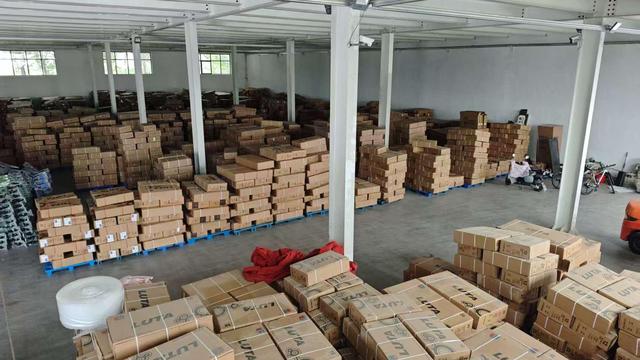
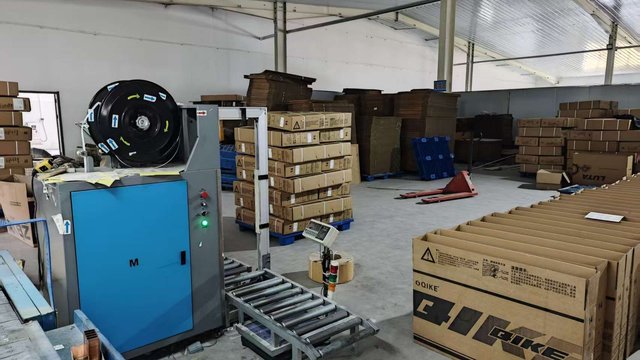
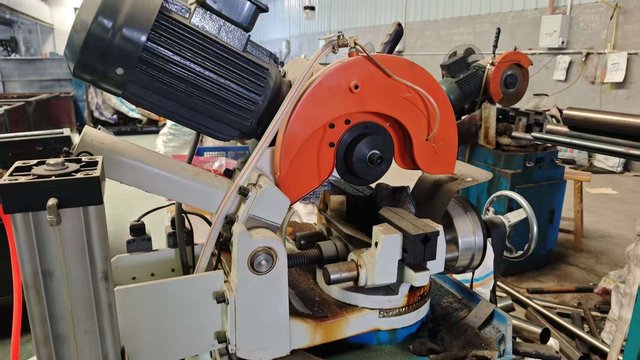
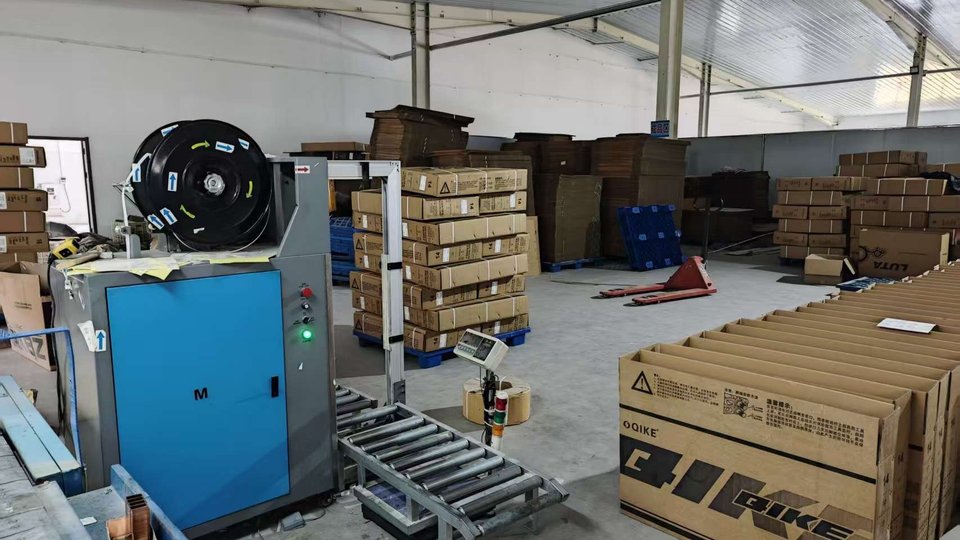
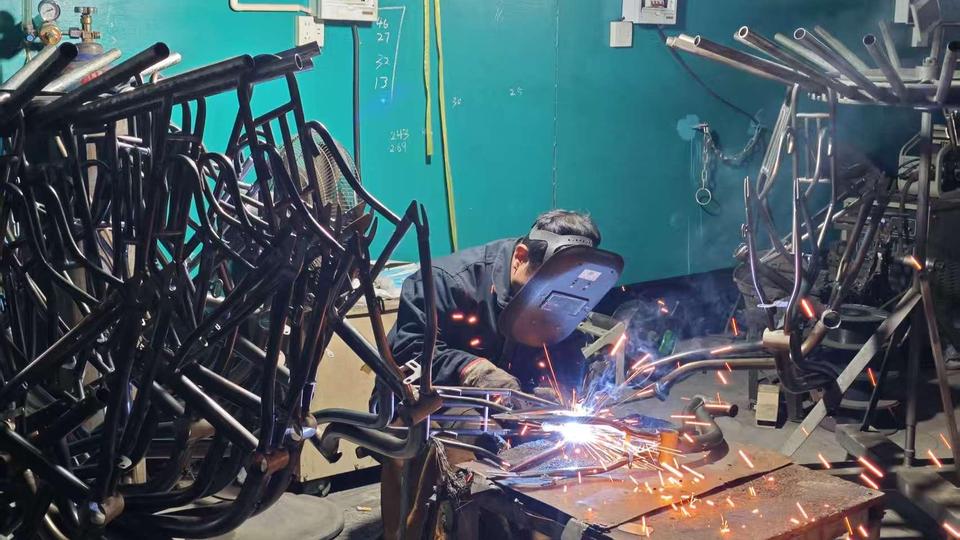
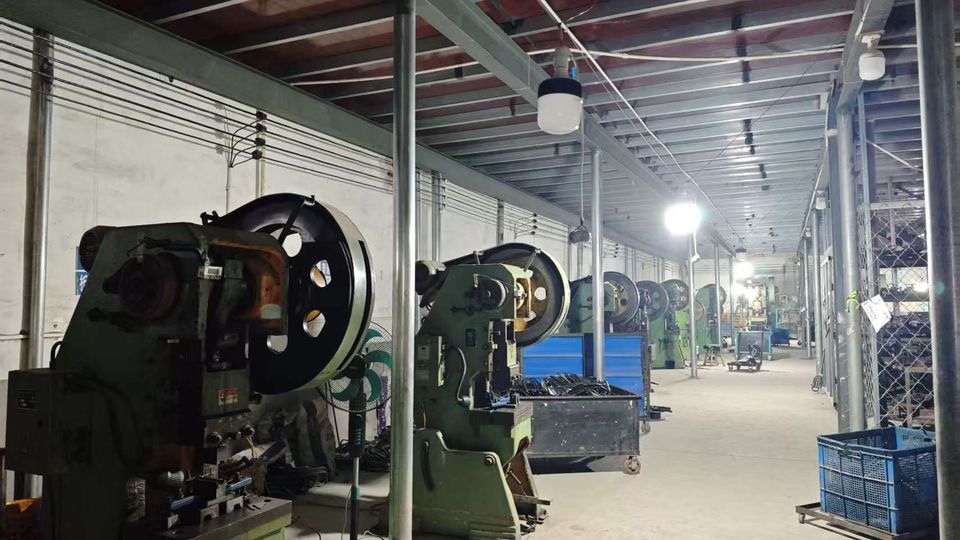
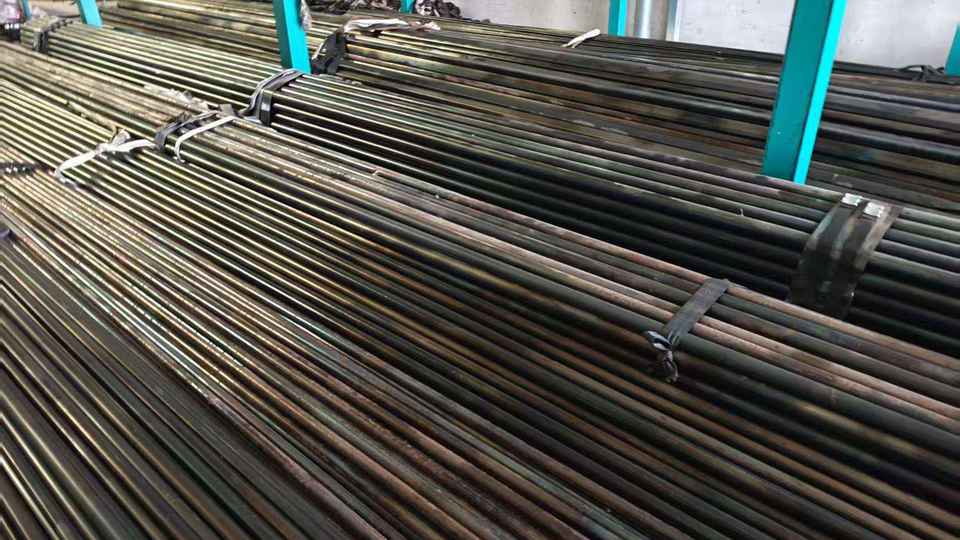
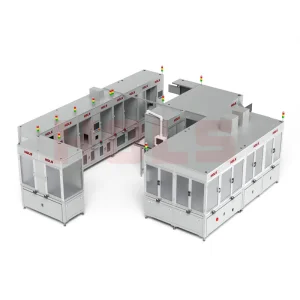
At Hangzhou MOAD AUTO Co., Ltd., based in Hangzhou, China, our advanced production complex exemplifies the principles of Smart Manufacturing (Factory 4.0). Specializing in automotive friction materials, brake rotors, and precision calipers, we manage the entire lifecycle from raw casting and chemistry formulation to automated CNC milling and non-destructive quality testing.
Our facility utilizes robotic gravity casting lines and multi-axis CNC machines to achieve tolerances of under 0.005mm. This degree of manufacturing precision is essential for electric vehicle components, where the quiet operation of the electric motor highlights any micro-vibrations or noise from the braking system. All processes operate under strict compliance with the ISO/IATF 16949 international automotive quality standard, ensuring every component exported to Venezuela is reliable, durable, and highly secure.

Operating successfully in the Venezuelan automotive market requires deep alignment with regional regulatory frameworks. All safety-critical braking components, including friction materials and brake lines, must strictly comply with SENCAMER (Servicio Autónomo Nacional de Normalización, Calidad, Metrología y Reglamentos Técnicos) directives and the COVENIN quality standards. Our product catalog is engineered to exceed these guidelines, carrying international certifications (ECE R90, FMVSS 135, and IATF 16949) which facilitates fast-track customs clearance at primary ports of entry like Puerto Cabello and La Guaira.
Additionally, we understand the economic dynamics of the Venezuelan market. To support local distributors and fleet operators facing liquidity and currency fluctuations, Hangzhou MOAD AUTO Co., Ltd. offers flexible financial arrangements. By leveraging stable USD-pegged pricing, flexible Letter of Credit (L/C) structures, and strategic shipping consolidations from Chinese ports (Ningbo and Shanghai), we shield our Venezuelan business partners from regional inflationary spikes and minimize their total cost of ownership.
For municipal operators, commercial logistics organizations, and mining transport sites across states like Bolívar and Zulia, braking reliability directly impacts operational profitability. Electric conversion programs for aging heavy duty transit systems demand specialized components, including custom pneumatic-hydraulic assemblies and electronic safety firewalls that match legacy platforms.
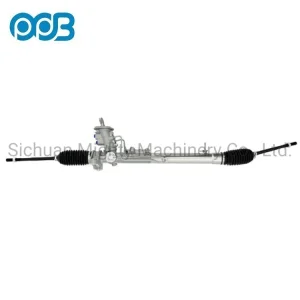
Our comprehensive logistics solutions span high-capacity air suspension systems, steering racks, and custom brake lines designed to resist corrosion from high humidity and marine environments. By supplying components built from marine-grade alloys and high-purity vulcanized rubber, we ensure that heavy mining vehicles and intercity cargo transporters achieve up to 300,000 km of service life between major overhaul intervals, drastically reducing maintenance downtime in remote Venezuelan regions.
 MOAD AUTO