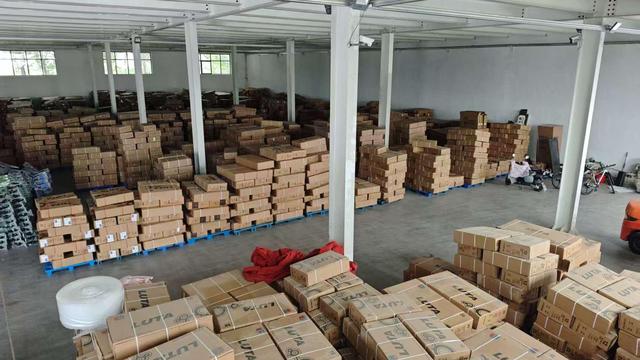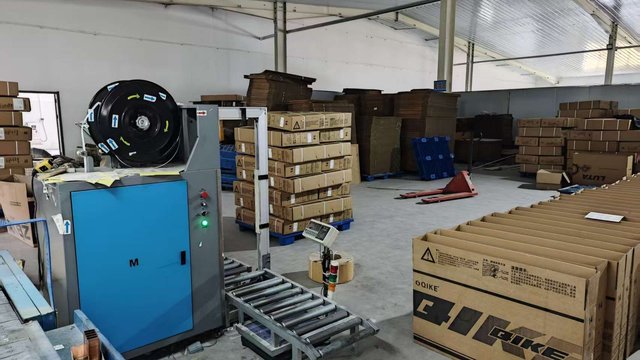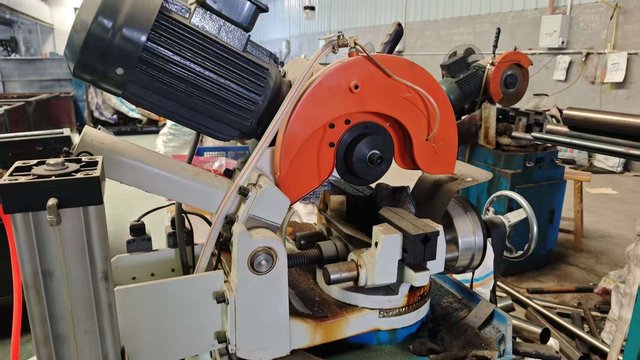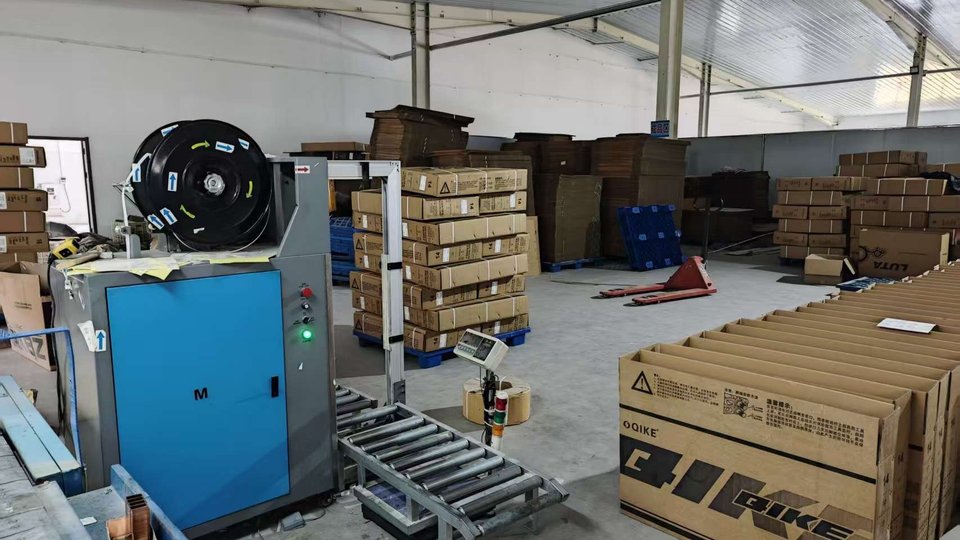

Custom OEM/ODM Braking Infrastructure & Supply Chain Solutions

Electric Vehicle Brake Systems Manufacturer & Suppliers for the Calgary Market

Connect with Our Engineering Team

Executive Summary: The Electrification Paradigm in Albertan Industrial Logistics

The automotive and heavy transport sectors in Calgary, Alberta, are experiencing an unprecedented structural transition. Under the framework of the City of Calgary Climate Strategy Pathways to Net-Zero, municipal transit systems, last-mile commercial delivery fleets, and resource-extraction utility vehicles are moving towards full electrification. However, the operational environment of Western Canada presents exceptional physical challenges.

Unlike conventional internal combustion engine (ICE) vehicles, Electric Vehicles (EVs) present distinct kinetic profiles. The integration of high-voltage battery packs increases gross vehicle weight (GVW) by 20% to 30%, which significantly increases kinetic energy storage during transit. In response, modern engineering demands advanced braking solutions capable of handling higher thermal and mechanical loads while maximizing regenerative capacity.

-30°C
Sub-Zero Tested Limit
98%
Regenerative Recovery Efficiency
30%
Friction Lifespan Increase
Zero
Copper Formulation Compliance

Calgary's Extreme Climate & Operating Environment Challenges

Braking dynamics in Calgary are heavily influenced by the local geography and climate. With elevations averaging over 1,000 meters above sea level and winter temperatures dropping below -30°C, commercial and passenger fleet operations encounter extreme conditions. The application of road salt (magnesium chloride) and abrasive gravel mixtures on icy roads accelerates the chemical degradation of standard cast-iron brake assemblies.

Thermal Shock and Micro-Fissuring in Castings

In cold climates, rapid thermal variations are common. During downhill descents or high-speed stops on highways like the Stoney Trail or Deerfoot Trail, brake rotors can heat from sub-zero temperatures to over 300°C in seconds. This thermal shock causes micro-fissuring and surface fatigue in lower-grade alloys. MOAD AUTO addresses this by engineering casting processes utilizing high-carbon grey iron compositions (FC250/G3000), which feature improved thermal conductivity and vibration-damping characteristics.

Regenerative Braking Calibration Under Battery Thermal Limits

In sub-zero environments, the Battery Management System (BMS) of an electric vehicle restricts regenerative charging rates to protect lithium-ion cells from plating. As a result, the physical friction brakes must handle the full braking force when the battery is cold. This transition requires highly responsive electronic braking systems (EBS) and durable friction materials that provide a consistent friction coefficient across both cold and elevated temperature ranges.

Friction Coefficient (µ) Stability Over Temperature Ranges

Comparative analysis of standard friction compounds versus MOAD AUTO Arctic-grade formulations under variable thermal loads.

MOAD AUTO High-Carbon formulation (-40°C to 500°C) µ 0.42 (Stable)
Standard Semi-Metallic Compounds µ 0.31 (Fades at high temp)

Technical Roadmap & Future Outlook: Next-Generation Brake-by-Wire

The transition toward automated driving systems and high-efficiency drivetrains is steering the industry toward Brake-by-Wire (BbW) systems. Conventional vacuum-assisted boosters are being replaced by electro-hydraulic and fully electromechanical actuators.

MOAD AUTO is currently engineering advanced systems that decouple the brake pedal from the hydraulic circuit. Decoupled braking allows the controller to prioritize motor-generator deceleration during braking events, engaging the physical calipers only when necessary. This technology can extend electric transit vehicle ranges by up to 15% through optimized energy recovery.
Hangzhou MOAD AUTO Co., Ltd.

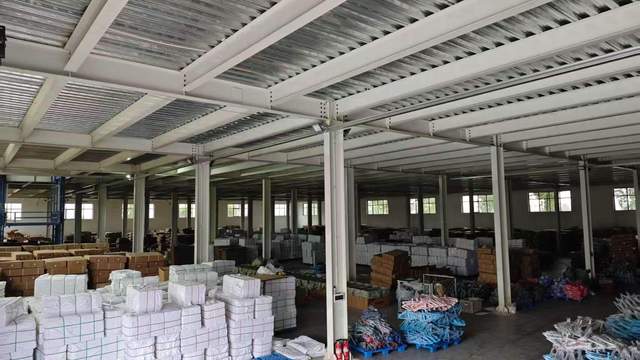
A professional manufacturer specializing in brake system components, including brake pads, brake rotors, and automotive friction materials. We integrate research, production, and quality control to deliver braking solutions for international markets.

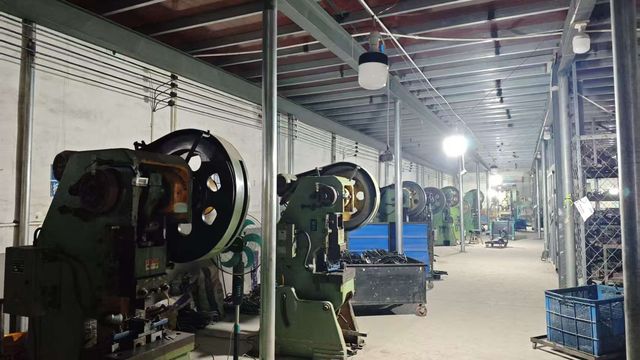
Our manufacturing plants utilize advanced testing protocols to meet global safety standards. Our laboratory performs full-scale dynamometer tests (conforming to AK-Master and SAE J2522 standards) to evaluate noise, vibration, and harshness (NVH) profiles, ensuring stable performance across diverse temperature ranges.

For industrial machinery and heavy commercial transit lines, we offer custom caliper engineering and casting services. Our engineering team collaborates with partners from early design phases to final validation, ensuring compatibility with complex vehicle platforms.

Global Engineering & Supplementary Components

To complement our braking systems, we supply steering, suspension, and driver assistance integrations designed to meet high vehicle dynamics requirements. For example, our EPS Electric Power Steering Rack Gear Assembly and Automotive Regenerative Braking Training System are designed to support fleet engineers, training centers, and academic institutions in implementing clean transit systems.

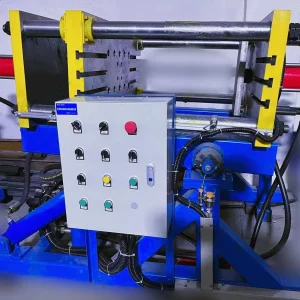
For long-haul transport configurations, we integrate fuel systems and engine parts to support range-extended architectures. Solutions such as the Premium Fuel Injector System and our Precision Brake Caliper Production Line help maintain quality across hybrid platforms operating in challenging conditions.

Technical FAQ & Sourcing Strategy

Engineering Answers for Calgary Fleet Managers & Purchasing Officers

How do MOAD AUTO friction materials perform under Calgary's winter conditions?
Our specialized cold-weather compounds are engineered to maintain a stable coefficient of friction (µ) down to -40°C. They contain thermal-damping materials that prevent glazing under low-duty cycles (common in heavy regenerative braking) and resist micro-cracking caused by sudden heating when mechanical brakes engage.
What anti-corrosion treatments are applied to rotors to resist road salt?
We offer Geomet® zinc-aluminum flake coatings, which provide salt spray resistance for over 600 hours according to ASTM B117 standards. This prevents corrosion on the non-friction cooling vanes and mounting hats, which is crucial for preventing rust buildup during Calgary winters.
How does the shipping logistics chain work from Hangzhou to Calgary, Alberta?
We manage bulk shipping through ocean freight to the Port of Vancouver, followed by direct rail transport via the CPKC intermodal corridor into Calgary. This logistics route supports regular stock replenishment and allows local warehouses to maintain consistent inventory levels.
Are MOAD AUTO brake systems compliant with Canadian Motor Vehicle Safety Standards (CMVSS)?
Yes. All brake system components intended for commercial and passenger use are designed and tested to meet or exceed CMVSS 105 and 121 standards, as well as SAE standards for hydraulic and pneumatic brake systems.
Can you manufacture customized caliper castings for custom EV designs?
Yes. We provide full OEM/ODM services, including engineering support from CAD design and metallurgical formulation to CNC machining, testing, and final quality control.

Ready to Optimize Your Fleet's Braking Performance?

Consult with our engineering team today to discuss sub-zero thermal testing, bulk procurement rates, and customized casting projects tailored for the Calgary market.

Send Inquiry Now