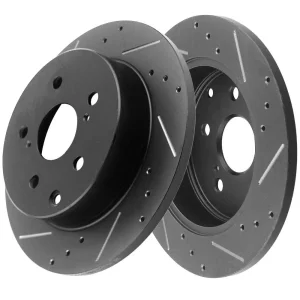
High-performance disc and rotor configurations designed to withstand abrasive Namib dust, steep inclines, and heavy-payload freight operations.
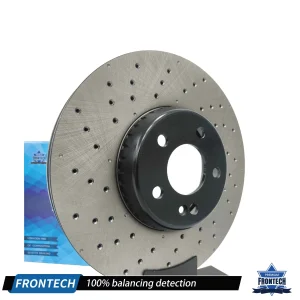
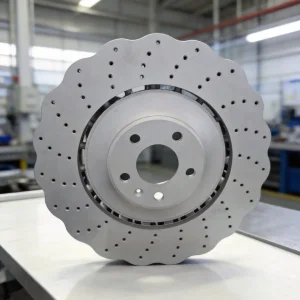
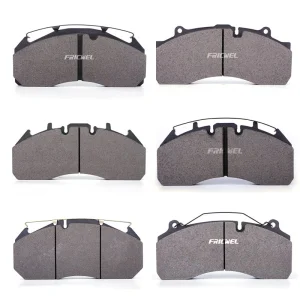
The logistics, mining, and passenger transport sectors in Namibia face some of the most unforgiving environmental conditions in the Southern African Development Community (SADC) region. Running heavy-duty operations across the Trans-Kalahari corridor to Botswana and South Africa, or navigating coastal transport corridors like Walvis Bay, Swakopmund, and Lüderitz, requires absolute braking consistency. The prevailing conditions expose vehicle braking assemblies to accelerated mechanical and thermal stresses that standard passenger grade aftermarket components cannot withstand.
Vast stretches of Namibian transport corridors comprise unpaved gravel roads or sit in close proximity to the Namib and Kalahari deserts. Fine silica-rich sand easily penetrates open wheel housings, settling inside the ventilation ducts and contact areas of brake rotors. Standard grade casting alloys wear down prematurely, experiencing grooving and uneven thickness deviation (DTV) when sand particles act as an abrasive medium between the brake pads and the rotor surface. To mitigate this, specialized metallurgy and cooling duct configurations are vital.
Summertime operating temperatures in Namibia's interior can exceed 40°C. For heavy commercial vehicles hauling mineral freight from uranium mines (such as Husab and Rössing) or transporting maritime cargo from the Port of Walvis Bay, long descent grades generate friction temperatures exceeding 650°C at the brake disc surface. Insufficient dissipation leads to thermal cracking and brake fade. High-carbon cast iron formulation is essential to dissipate thermal energy rapidly, ensuring stable friction levels and stopping distance security.
We deploy advanced grey cast iron chemical compositions and surface geometries to guarantee performance security in harsh environments.
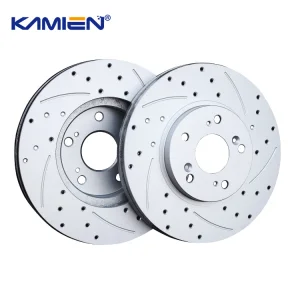
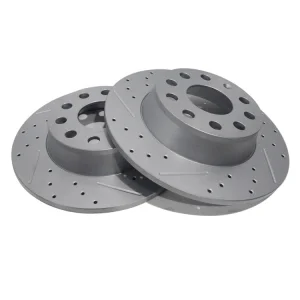
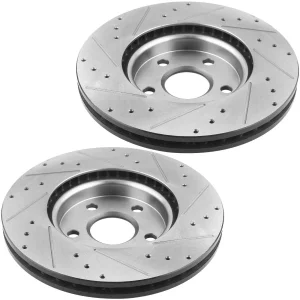
Our brake rotor manufacturing relies on a optimized grey cast iron formulation with high-carbon concentrations. Elevating carbon content to 3.2% - 3.8% alongside silicon, manganese, and trace chromium/nickel increases the thermal conductivity of the rotor by up to 25% compared to standard replacement products. This enables rapid thermal dissipation and mitigates structural deformation (warping) during high-payload descents.
Coastal logistics routes, especially those originating from Walvis Bay, expose chassis components to dense salt fog and high humidity. We supply brake rotors with environmental water-based zinc flake coatings (similar to Geomet 321 or 500 options). This thin barrier is applied across the entire rotor surface, including cooling vents, to prevent red rust buildup without affecting heat-transfer dynamics or brakepad interface properties.
Disc Thickness Variation (DTV) and lateral runout are the primary causes of brake pedal pulsation and vibrations. Every single casting rotor leaving our production line undergoes computerized double-sided dynamic balancing. The allowed lateral runout is restricted to less than 0.05mm, resulting in seamless deceleration curves, reduced cabin vibration, and prolonged pad wear cycles.
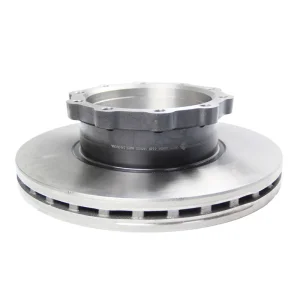
Conventional straight-vane cooling channels frequently experience thermal air trapping. Our heavy-duty rotors incorporate advanced pillar-vent structures or directional curved vanes that generate a centrifugal cooling effect. By drawing fresh air through the hub area and ejecting it outward, running temperatures are kept up to 80°C cooler than basic standard-vent configurations.
| Alloy Parameter | Typical Carbon (C) % | Silicon (Si) % | Manganese (Mn) % | Tensile Strength (Min) | Hardness Range (HB) |
|---|---|---|---|---|---|
| G3000 Standard | 3.10 - 3.40% | 1.90 - 2.30% | 0.60 - 0.90% | 207 MPa | 187 - 241 |
| High-Carbon (HC) | 3.40 - 3.80% | 1.60 - 2.10% | 0.50 - 0.80% | 220 MPa | 190 - 248 |
| Heavy Duty Alloy (Cr/Cu added) | 3.35 - 3.65% | 1.80 - 2.20% | 0.60 - 0.90% | 241 MPa | 207 - 255 |
Hangzhou MOAD AUTO Co., Ltd. is a professional manufacturer specializing in brake system components, including brake pads, brake rotors, and automotive friction materials. Located in Hangzhou, China, the company integrates research and development, production, quality control, and global sales to provide reliable braking solutions for international automotive markets.
With a strong technical team and advanced manufacturing facilities, MOAD AUTO is committed to delivering high-performance products that meet strict industry standards for safety, durability, and consistency. Our brake components are widely used in passenger vehicles, commercial vehicles, and various aftermarket applications, ensuring stable braking performance under different driving conditions.
Hangzhou MOAD AUTO Co., Ltd. continuously invests in innovation and process improvement, utilizing modern equipment and precise testing systems to maintain consistent product quality. Every stage of production, from raw material selection to final inspection, is strictly controlled to ensure reliability and long service life.
We also provide customized solutions to meet specific customer requirements, supporting OEM and aftermarket partners with flexible production capabilities and efficient supply chain services. Guided by the principles of quality, integrity, and customer satisfaction, MOAD AUTO is dedicated to building long-term partnerships and delivering dependable brake system solutions to clients worldwide, contributing to safer and more efficient mobility.
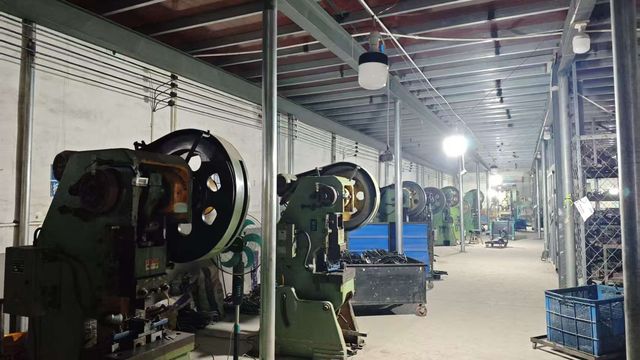
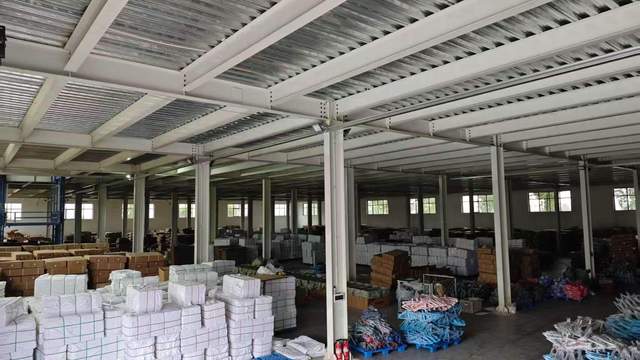
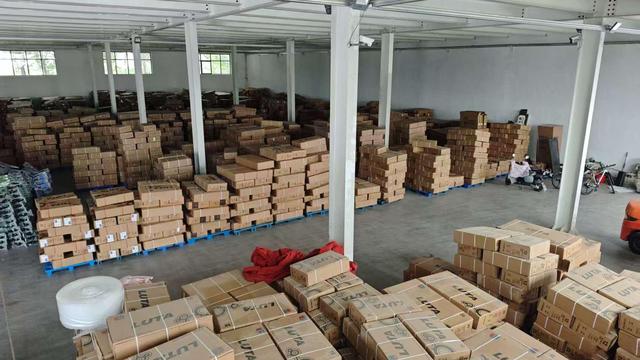

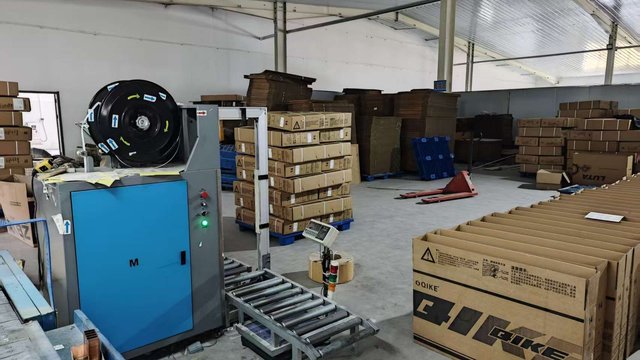
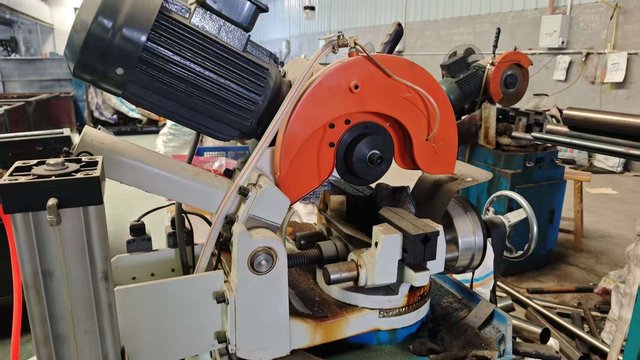
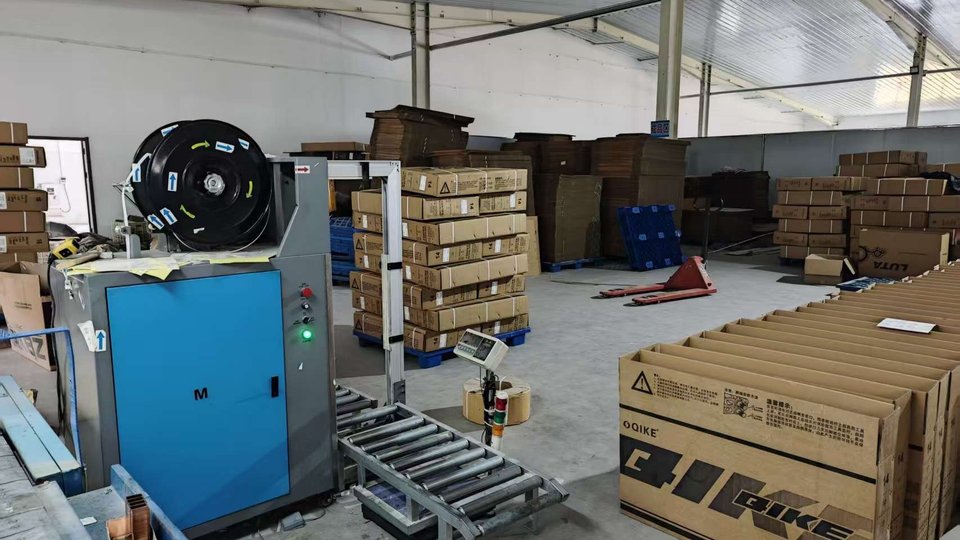
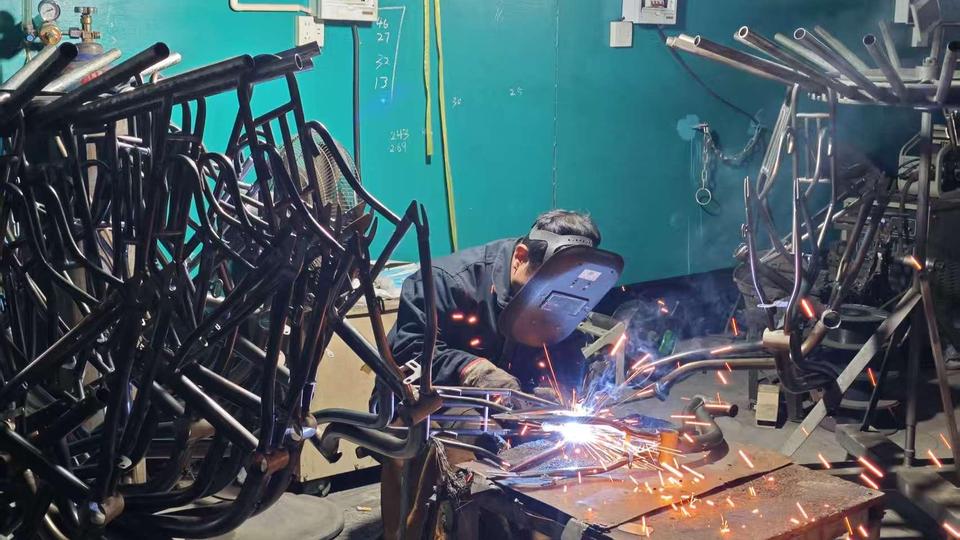
Tailoring high-performance components to meet regional logistics, infrastructure, and mining parameters.
For freight haulers operating between Windhoek and neighboring SADC trade points. Our heavy-duty brake disc rotors offer optimized thermal capacities and minimal structural deflection under continuous heavy loads, securing SABS compliance and longer intervals between replacement cycles.
Open-pit mining machinery and logistical trailers operating in remote Namib regions encounter severe abrasive hazards. The high-carbon chemistry of our brake components delivers high resistance against scoring, micro-cracking, and mechanical stress caused by dust penetration.
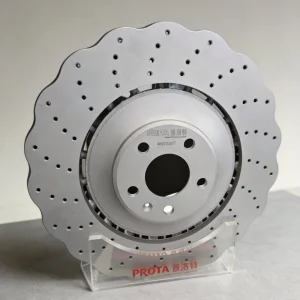
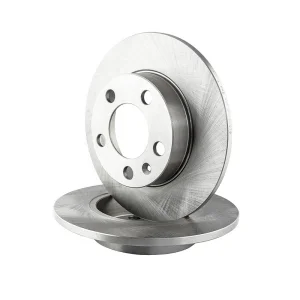
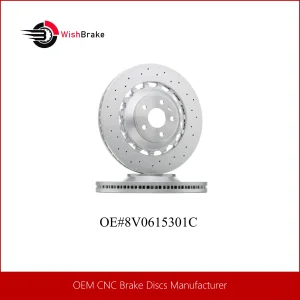
German-engineered passenger vehicles are widely utilized across Namibian cities like Windhoek. We supply exact-fit OEM replacement rotors for Audi, BMW, Volkswagen, and Mercedes-Benz lines, engineered to match European vehicle performance and response tolerances.
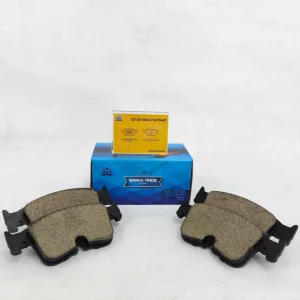
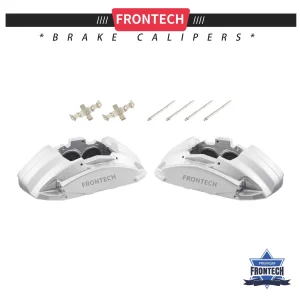
Find high-durability brake pads, balancing equipment, and specialized vehicle replacement assemblies built for international export.

Importing friction components into Namibia calls for strict alignment with cross-border vehicle safety standards and SADC commercial regulations. Roadworthiness audits conducted by the Namibian authorities heavily depend on South African Bureau of Standards (SABS) and equivalent ISO benchmarks to certify imported components. Ordering sub-standard parts can trigger customs delays or compliance issues during vehicle safety inspections.
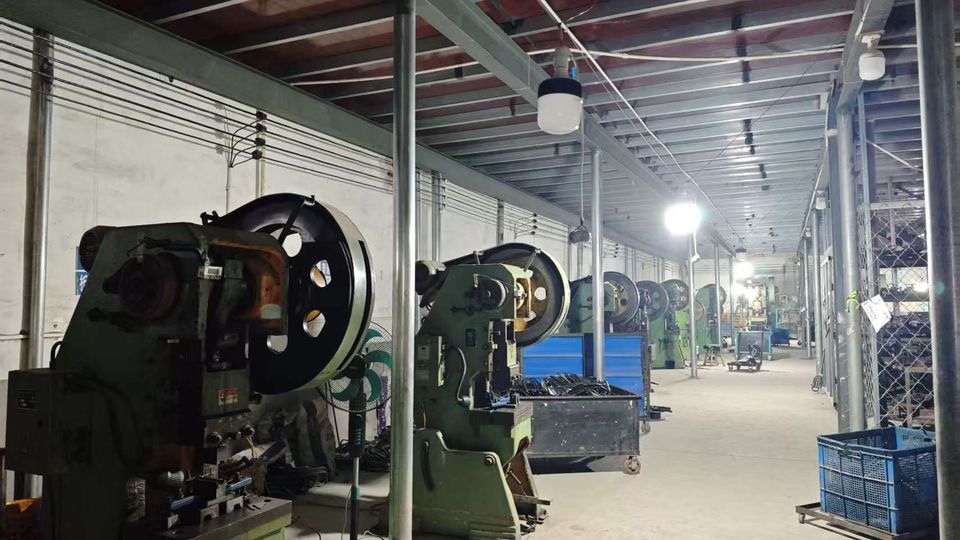
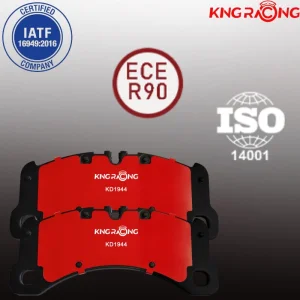
All items sourced from Hangzhou MOAD AUTO Co., Ltd. are manufactured in plants operating under IATF 16949 quality management protocols. This automotive-specific quality code ensures that casting, mechanical machining, heat treatment, and balancing procedures comply with standard parameters, limiting defective units to parts-per-million levels. We also conduct spectrochemical analysis on raw iron melts to confirm carbon matrix values prior to pouring the castings.
We provide full customs support for shipments entering Walvis Bay Port or passing through overland ports of entry like Ariamsvlei and Noordoewer. All export crates are treated under ISPM-15 wood packaging standards and marked with clear part indexing codes, OEM part cross-references, and detailed product specifications. This detailed documentation speeds up clearance processes, keeping your inventory transit schedules on track.
Technical and logistics answers for commercial importers, parts distributors, and workshop owners in Namibia.
Contact Hangzhou MOAD AUTO Co., Ltd. today to discuss custom technical parameters, bulk pricing options, and dedicated shipping schedules to Namibia.
Send Inquiry Now MOAD AUTO