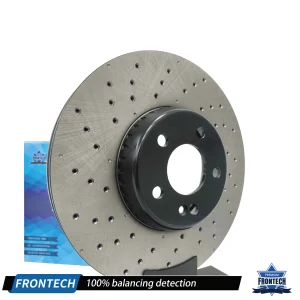
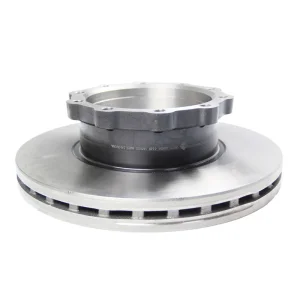
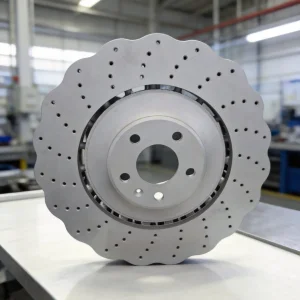
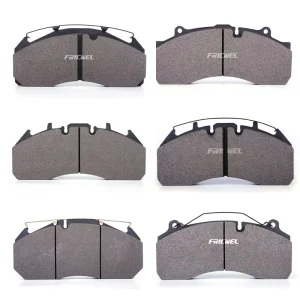
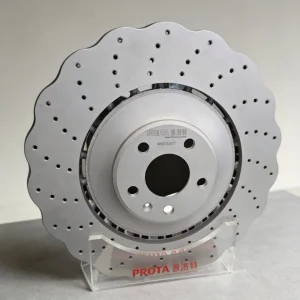
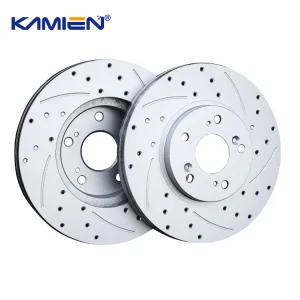
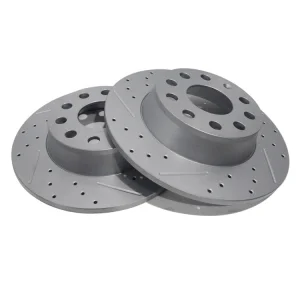
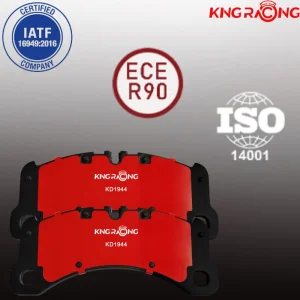
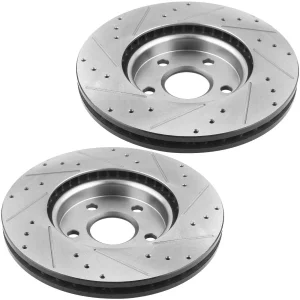
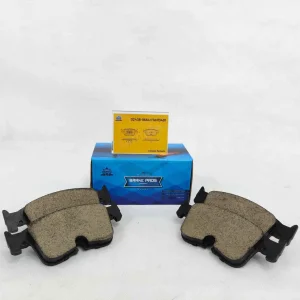
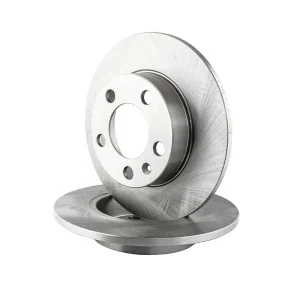
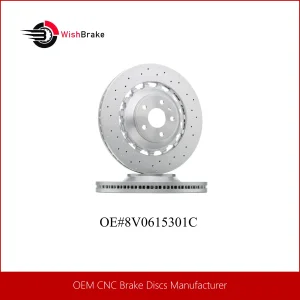
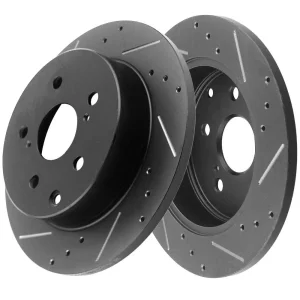
Ebeye Island, located within the Kwajalein Atoll of the Republic of the Marshall Islands, represents a unique microcosm of high-density urban infrastructure combined with demanding island-environment operating parameters. Due to its tropical maritime climate characterized by high humidity, saline air corrosion, and stop-and-go municipal traffic conditions, automotive and commercial fleet assets operating in and around Ebeye face severe metallurgical stressors. Brake rotor systems, in particular, require exceptional corrosion resistance, superior thermal dissipation capacity, and high tensile structural integrity to prevent premature warping, surface pitting, and catastrophic thermal shock degradation.
In response to these localized operational challenges, procurement specialists, municipal fleet managers, and aftermarket distributors in the region are increasingly shifting away from generic replacement components. Instead, they demand highly engineered, precision-milled brake rotor systems that comply with international quality benchmarks such as ISO/TS 16949, ECE R90, and OEM metallurgical specifications. Sourcing robust automotive friction solutions directly from world-class manufacturing powerhouses—specifically integrated industrial factories in China—allows regional operators to secure premium metallurgical formulations at highly competitive global price points without compromising on safety or lifespan.
China's automotive component manufacturing sector has achieved unprecedented maturity, driven by decades of metallurgical research, advanced computer-numerical-control (CNC) machining automation, and rigorous spectral analysis quality control protocols. Leading production facilities utilize high-grade gray cast iron (specifically G3000/FC250 specifications) and specialized alloy compositions infused with high carbon content. This precise metallurgy ensures exceptional dampening capacity, resistance to thermal cracking, and optimal friction coefficient retention under aggressive braking frequencies.
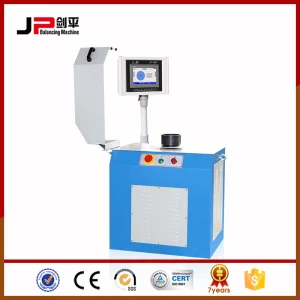
Furthermore, state-of-the-art Chinese manufacturing plants integrate automated dynamic balancing equipment, laser runout measurement systems, and anti-corrosion protective coatings (such as geometric and zinc plating). These technological advancements effectively protect brake rotors against the aggressive coastal saline atmosphere prevalent in regions like Ebeye. By combining economies of scale with advanced R&D capabilities, Chinese suppliers offer unparalleled value propositions, catering to diverse vehicle applications ranging from European luxury passenger cars and heavy-duty commercial buses to specialized utility trailers and regional transport fleets.
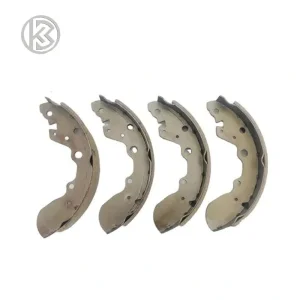
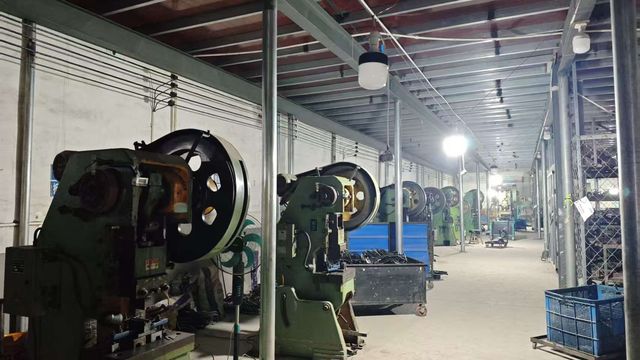
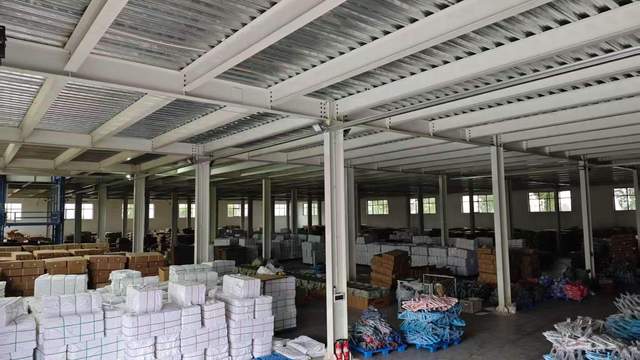
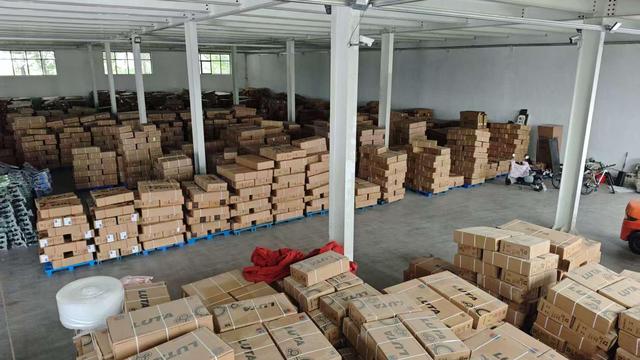
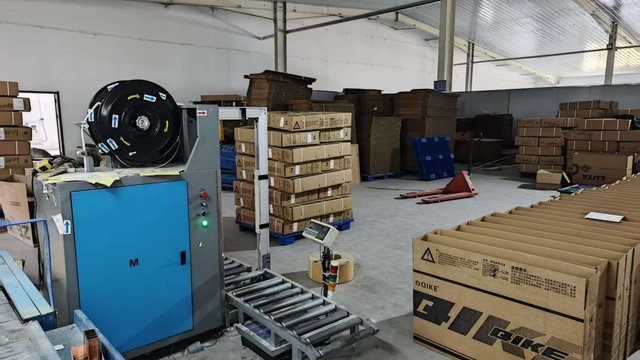
Hangzhou MOAD AUTO Co., Ltd. is a professional manufacturer specializing in brake system components, including brake pads, brake rotors, and automotive friction materials. Located in Hangzhou, China, the company integrates research and development, production, quality control, and global sales to provide reliable braking solutions for international automotive markets.
With a strong technical team and advanced manufacturing facilities, MOAD AUTO is committed to delivering high-performance products that meet strict industry standards for safety, durability, and consistency. Our brake components are widely used in passenger vehicles, commercial vehicles, and various aftermarket applications, ensuring stable braking performance under different driving conditions.
Hangzhou MOAD AUTO Co., Ltd. continuously invests in innovation and process improvement, utilizing modern equipment and precise testing systems to maintain consistent product quality. Every stage of production, from raw material selection to final inspection, is strictly controlled to ensure reliability and long service life.
We also provide customized solutions to meet specific customer requirements, supporting OEM and aftermarket partners with flexible production capabilities and efficient supply chain services. Guided by the principles of quality, integrity, and customer satisfaction, MOAD AUTO is dedicated to building long-term partnerships and delivering dependable brake system solutions to clients worldwide, contributing to safer and more efficient mobility.

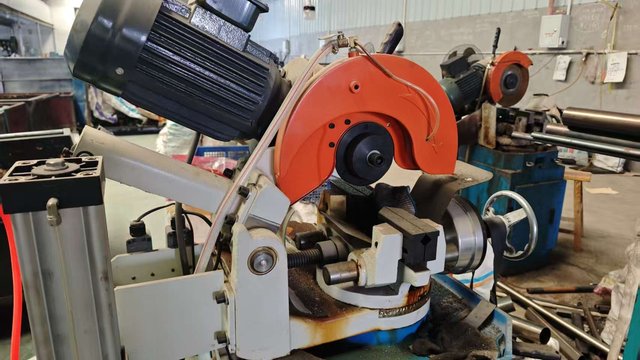
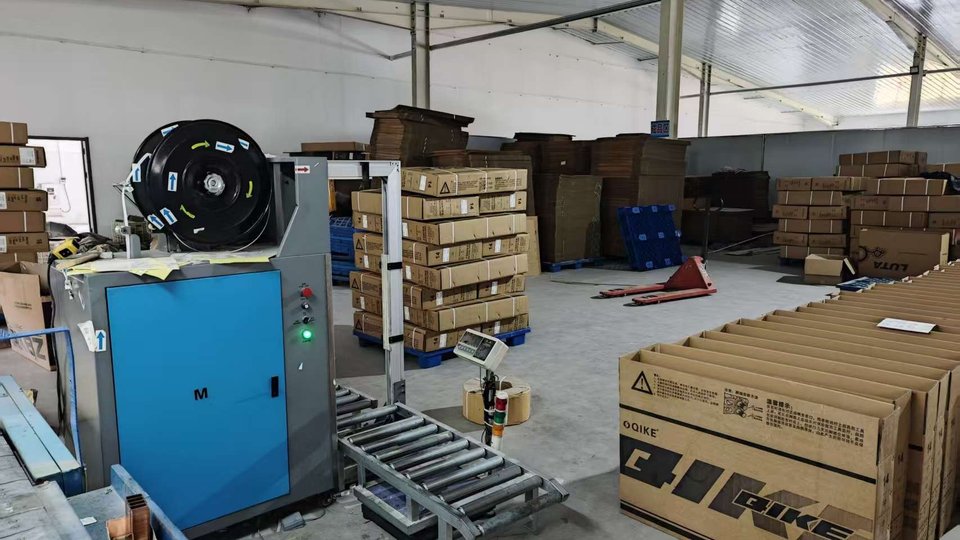
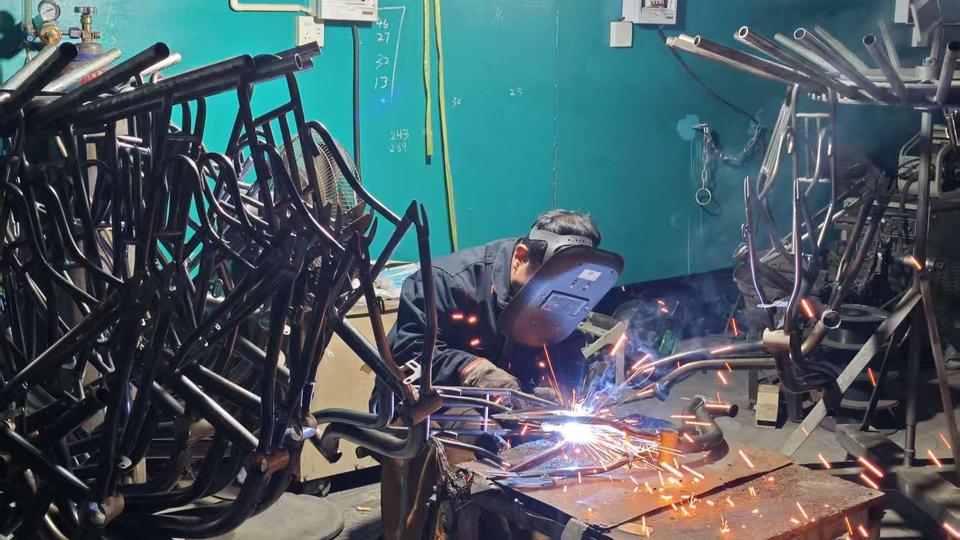
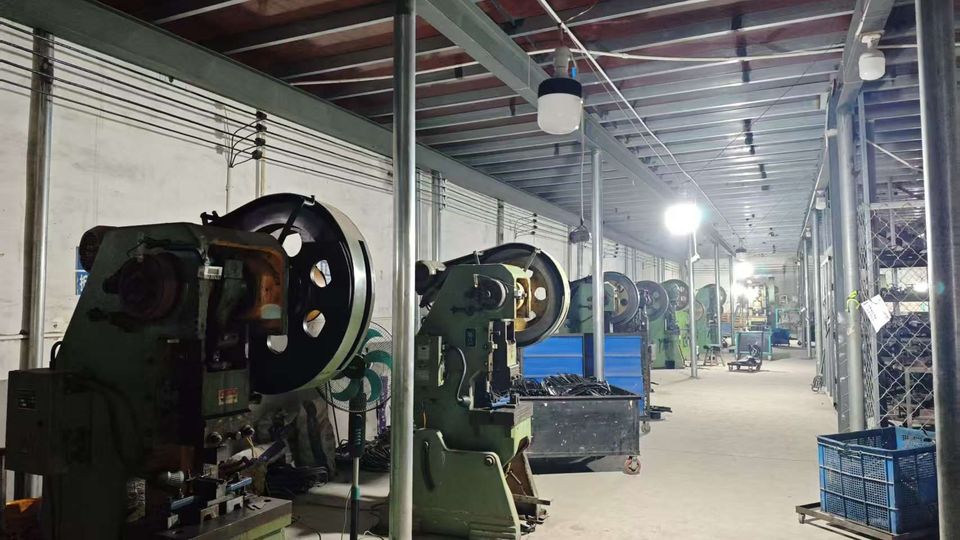
The global automotive braking system market is undergoing a rapid evolution, driven by the proliferation of Electric Vehicles (EVs), stricter environmental regulations, and the rising demand for lightweight, high-durability components. Modern brake rotor manufacturing increasingly emphasizes advanced metallurgy, such as high-carbon alloys and specialized thermal diffusion treatments, which significantly reduce brake fade and operational noise while extending maintenance intervals.
For localized deployment in constrained island environments like Ebeye, application scenarios demand specialized anti-corrosion treatments. Standard untreated iron rotors often suffer from severe surface oxidation within weeks of exposure to salt spray. Premium suppliers now offer coated and vented rotor configurations that resist marine oxidation, ensure consistent friction engagement, and guarantee maximum safety for passenger transit, light commercial logistics, and municipal utility vehicles.
 MOAD AUTO