MOAD AUTO

⚙️ The Evolution of EV Braking Systems
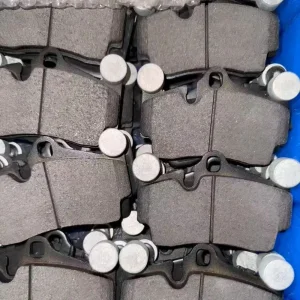
The transition to electric vehicles (EVs) has fundamentally altered the requirements for braking components. Unlike internal combustion engine (ICE) vehicles, EVs rely heavily on **regenerative braking systems**. This creates a unique set of challenges: reduced brake usage leads to potential corrosion, and the immediate, high-torque nature of EVs requires specialized friction materials that perform instantly without the "warm-up" period needed in traditional brakes.
🏭 Industry Leadership: Hangzhou MOAD AUTO Co., Ltd.
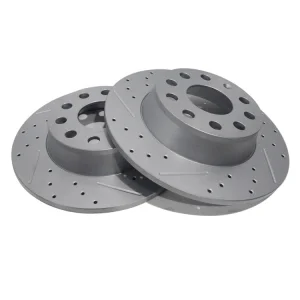
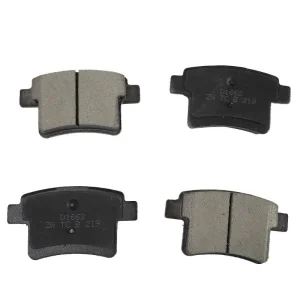
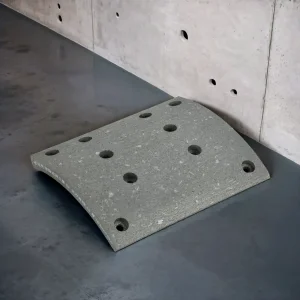
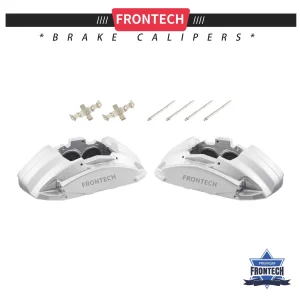
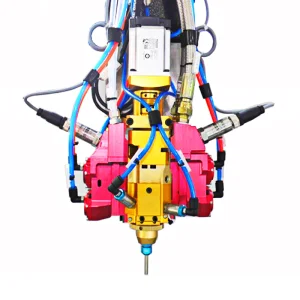
Hangzhou MOAD AUTO Co., Ltd. stands at the forefront of this technological shift. Specializing in advanced brake pads, rotors, and friction materials, the company integrates end-to-end R&D with manufacturing excellence. By leveraging modern automated production lines and rigorous testing protocols, MOAD AUTO ensures that every component—whether for passenger cars or heavy-duty commercial EVs—meets international safety and durability benchmarks.
E-E-A-T Commitment: MOAD AUTO bridges the gap between high-volume manufacturing and precision engineering. By maintaining a deep focus on material science, they mitigate issues like "brake judder" and noise in EVs, ensuring the quiet, smooth ride modern consumers demand.
🌍 Global Sourcing & Supply Chain Resilience
For international procurement teams, the challenge lies in balancing cost with strict regulatory compliance (such as ECE R90 standards). MOAD AUTO addresses this by offering:
- Localized Compliance: Products engineered to meet the specific safety mandates of diverse global markets.
- Scalable R&D: Custom solutions that allow Tier 1 and aftermarket clients to prototype specialized brake systems rapidly.
- Supply Chain Stability: Leveraging a robust production hub in Hangzhou to guarantee consistent lead times, even amidst fluctuating global logistics.
🚀 Technical Roadmap & Future Outlook
The future of braking lies in "Smart Braking." As autonomous driving technologies integrate with vehicular control units (VCU), braking systems must become more communicative. MOAD AUTO is actively researching sensor-integrated brake pads and sustainable friction materials that minimize PM10 (particulate matter) emissions, contributing to the broader goal of truly eco-friendly mobility.
❓ Frequently Asked Questions (FAQ)
EV pads require superior corrosion resistance and higher initial bite force due to the vehicle's weight and the use of regenerative braking, which allows the pads to cool down more frequently.
Through a comprehensive quality loop: from strict raw material screening to state-of-the-art testing equipment, ensuring every unit adheres to global safety standards.