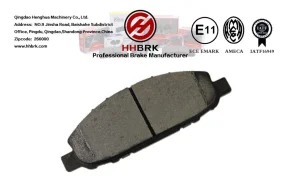
In the competitive landscape of commercial vehicle braking manufacturing, the "CE" mark (Conformité Européenne) represents more than just a regulatory hurdle; it is a hallmark of safety, reliability, and global market access. For procurement managers and fleet operators, sourcing from CE-certified manufacturers is the primary safeguard against mechanical failure in heavy-duty logistics.
Commercial vehicles operate under extreme thermal conditions and high-load cycles. A braking system is not merely a consumable part; it is a mission-critical component that determines the total cost of ownership (TCO) for logistics providers. Our engineering analysis suggests that integrating high-performance friction materials, verified through strict CE testing, reduces stopping distances by up to 15% in emergency scenarios.
Hangzhou MOAD AUTO Co., Ltd. stands at the forefront of the Chinese automotive supply chain, integrating R&D, production, and quality control to deliver premium braking solutions. Located in the heart of China’s automotive manufacturing hub, we leverage economies of scale without compromising on technical precision.
Our Core Competencies:
Our commitment to "Quality, Integrity, and Innovation" allows us to provide customized OEM/Aftermarket services, supporting global partners in building safer and more efficient fleets.
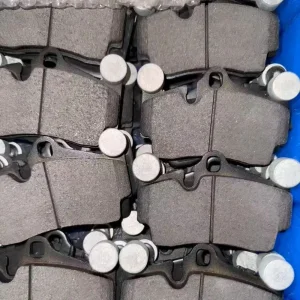
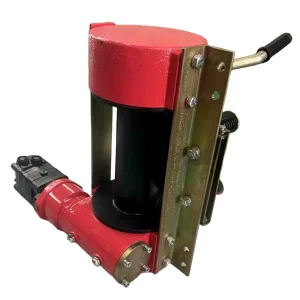
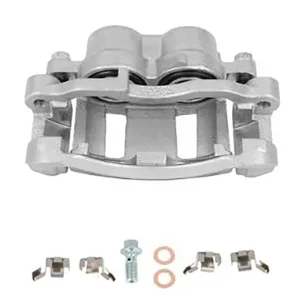
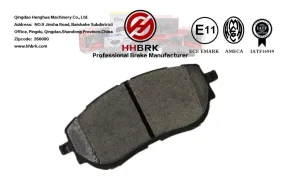
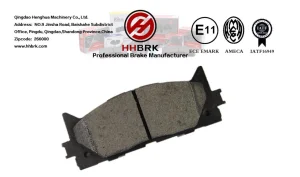
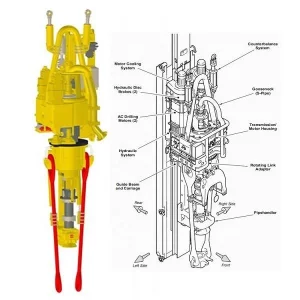
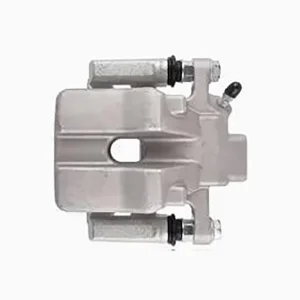
The transition toward Electric Vehicles (EV) has fundamentally altered braking requirements. Unlike traditional ICE vehicles, EVs utilize regenerative braking, putting different thermal stresses on friction materials. We are at the cutting edge of developing "Low-Noise, High-Durability" pads specifically designed for the EV market. Furthermore, for heavy-duty trucks, our hydraulic winch systems and dual-piston calipers provide the robustness required for recovery vehicles and long-haul transportation.
Audited manufacturers ensure that the friction formula, bonding strength, and casting tolerances meet the strict European directives. By partnering with MOAD AUTO, you gain access to standardized quality control protocols that align with international automotive regulatory frameworks.
We focus on "Information Gain"—providing detailed technical datasheets, wear-rate projections, and material composition insights. This transparency allows fleet managers to predict maintenance cycles, significantly reducing downtime and lowering total operational costs.
 MOAD AUTO