Explore our flagship mechanical and pneumatic braking assemblies optimized for global light and heavy transport.
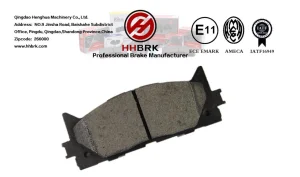
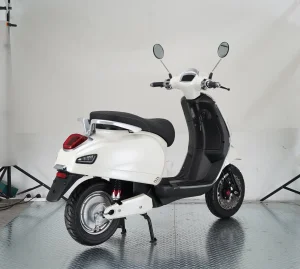
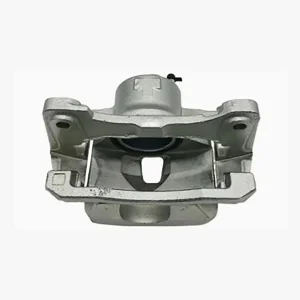
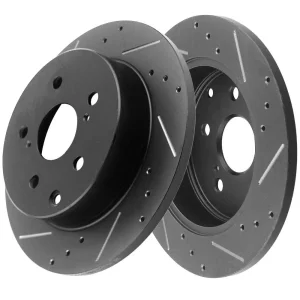
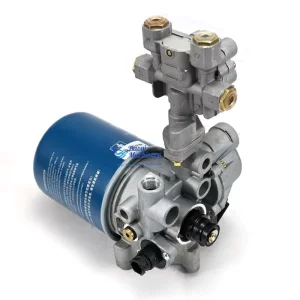
Within modern heavy transport, logistics, and high-frequency mobility, safety and compliance are paramount. Mechanical safety cannot tolerate compromises. The European Union's Conformité Européenne (CE) mark acts as a crucial benchmark, validating that key braking components—including raw friction materials, cast iron floating calipers, and pneumatic air treatment modules—comply with rigorous environmental, health, and vehicle safety protocols.
Hangzhou MOAD AUTO Co., Ltd. leads this manufacturing shift by pairing state-of-the-art metallurgy with innovative organic friction chemistry. Our R&D processes are engineered to satisfy global criteria, from regional ECE R90 standards to comprehensive CE declarations. This methodology guarantees stable friction coefficients, minimized heat fade, and robust structural integrity across various driving environments.
Charting the technological path of automotive deceleration systems towards digitalization and green targets from 2025 to 2030.
Prioritizing the elimination of hazardous heavy metals. Incorporating advanced copper-free semi-metallic compounds, carbon-ceramic composites, and bio-soluble binders to achieve stable braking performance without generating micro-dust particles.
Replacing traditional hydraulic fluids with dry, electric actuator calipers. This reduces vehicle weight, speeds up brake response time down to 90 milliseconds, and enables seamless integration with autonomous vehicle sensor suites.
Introducing active brake dust filtration alongside dust-resistant rotor coatings (such as High-Velocity Oxygen Fuel carbide coatings). This engineering approach targets a 90% reduction in particulate emissions to comply with impending EU legislation.
How we solve logistical challenges and safety issues across diverse transport and commercial vehicle sectors.
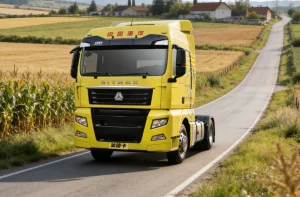
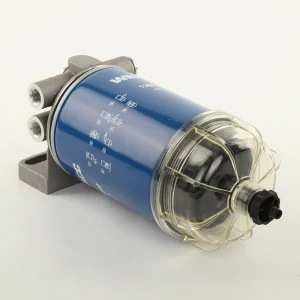
Our commercial truck air-brake systems, featuring high-capacity air dryers and heavy-duty calipers, prevent safety failures in demanding line-haul freight transport.
Supporting regenerative braking layouts with optimized pads that prevent corrosion and preserve friction profiles during long periods of low-load operation.
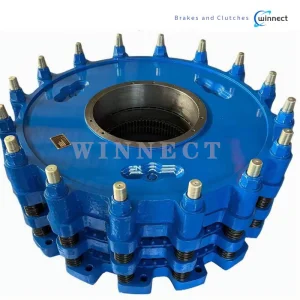
Providing robust, water-cooled braking solutions (such as our WCB series) to ensure mining, agricultural, and construction equipment operates reliably under high thermal stresses.
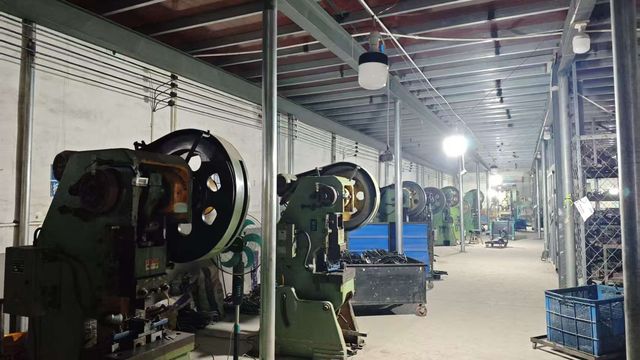
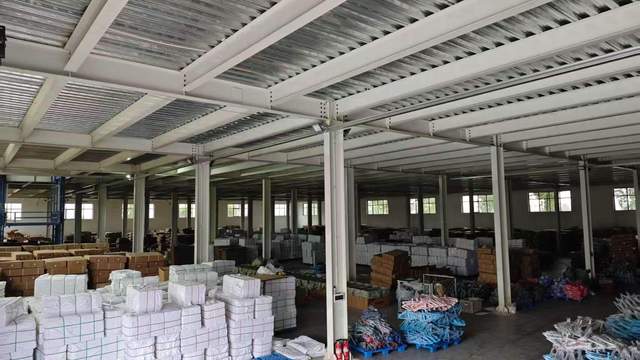
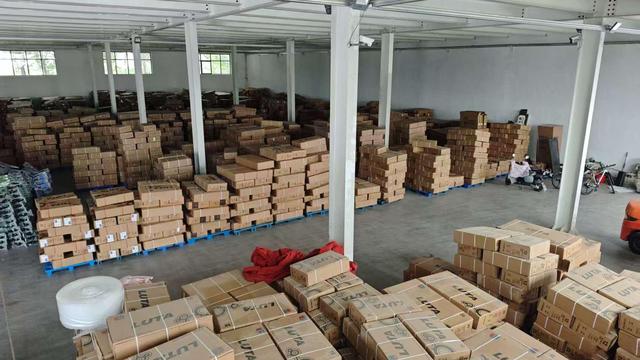
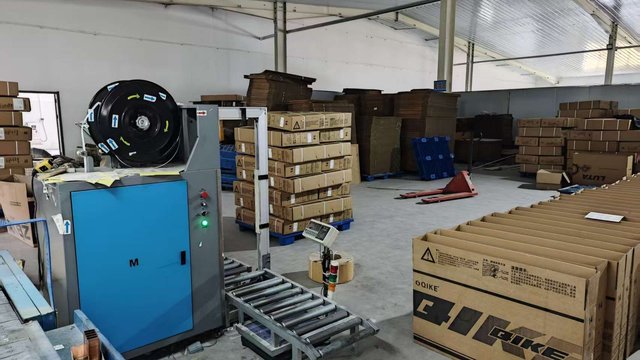
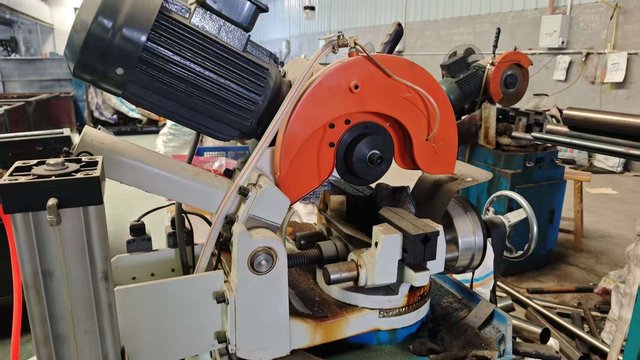
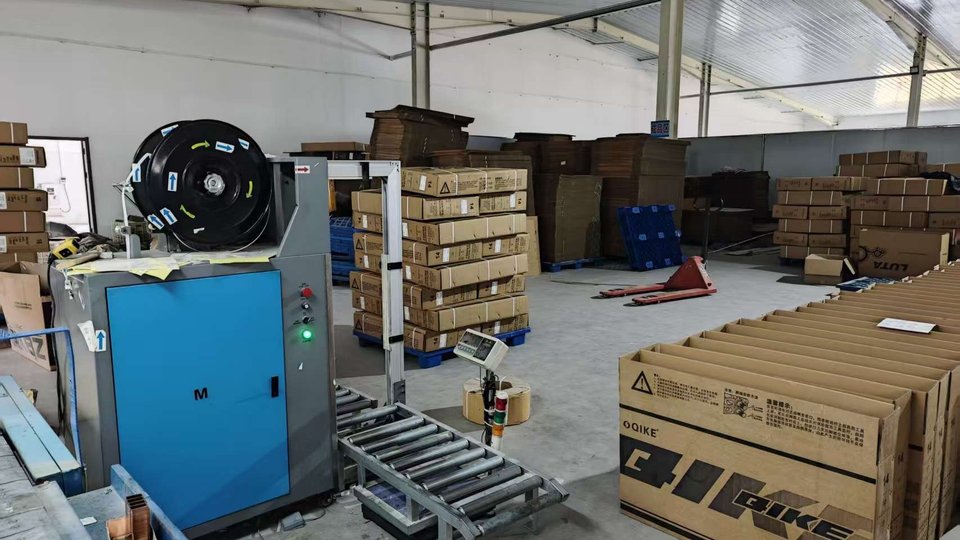
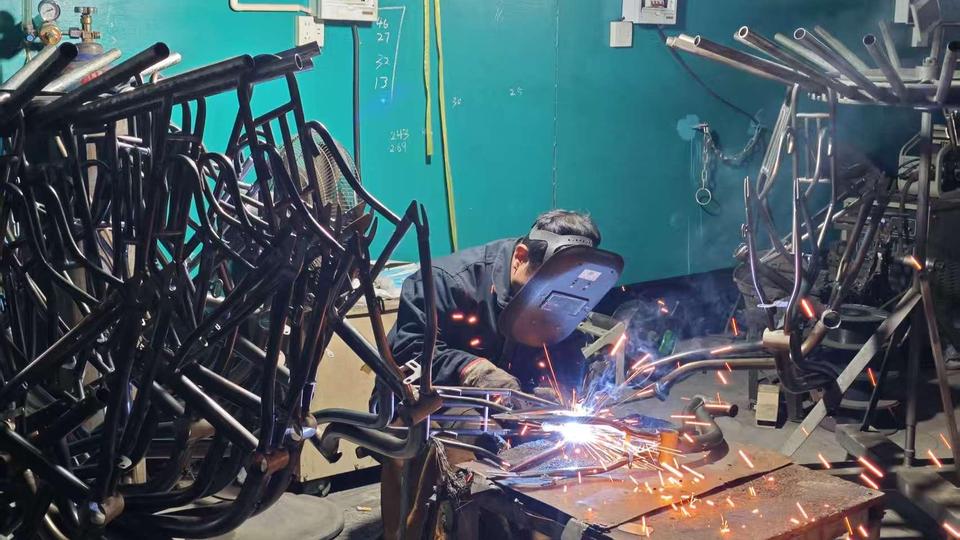
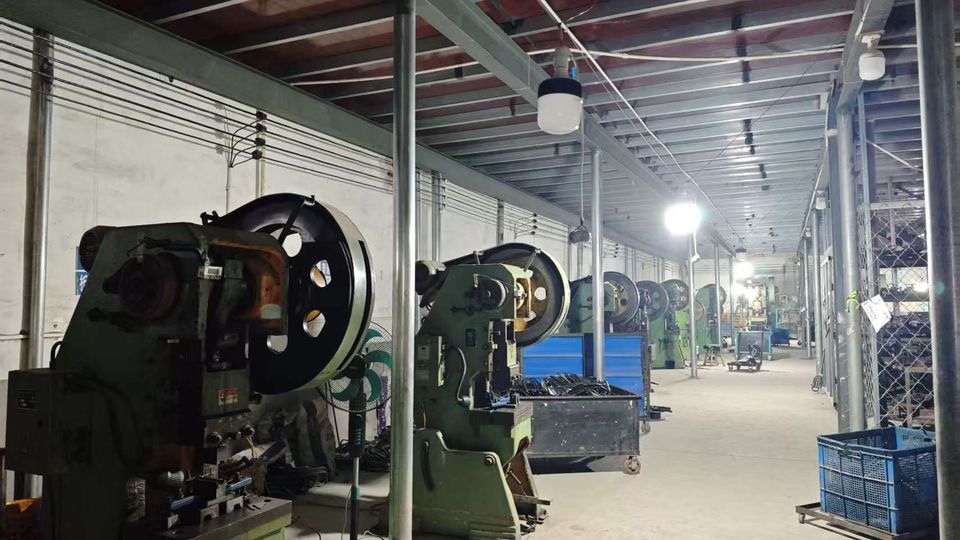
Combining modern automation with rigorous QA protocols inside Hangzhou MOAD AUTO Co., Ltd.'s manufacturing facilities.
Hangzhou MOAD AUTO Co., Ltd. is a professional manufacturer specializing in brake system components, including brake pads, brake rotors, and automotive friction materials. Located in Hangzhou, China, the company integrates research and development, production, quality control, and global sales to provide reliable braking solutions for international automotive markets.
With a strong technical team and advanced manufacturing facilities, MOAD AUTO is committed to delivering high-performance products that meet strict industry standards for safety, durability, and consistency. Our brake components are widely used in passenger vehicles, commercial vehicles, and various aftermarket applications, ensuring stable braking performance under different driving conditions.
Hangzhou MOAD AUTO Co., Ltd. continuously invests in innovation and process improvement, utilizing modern equipment and precise testing systems to maintain consistent product quality. Every stage of production, from raw material selection to final inspection, is strictly controlled to ensure reliability and long service life. We also provide customized solutions to meet specific customer requirements, supporting OEM and aftermarket partners with flexible production capabilities and efficient supply chain services. Guided by the principles of quality, integrity, and customer satisfaction, MOAD AUTO is dedicated to building long-term partnerships and delivering dependable brake system solutions to clients worldwide, contributing to safer and more efficient mobility.

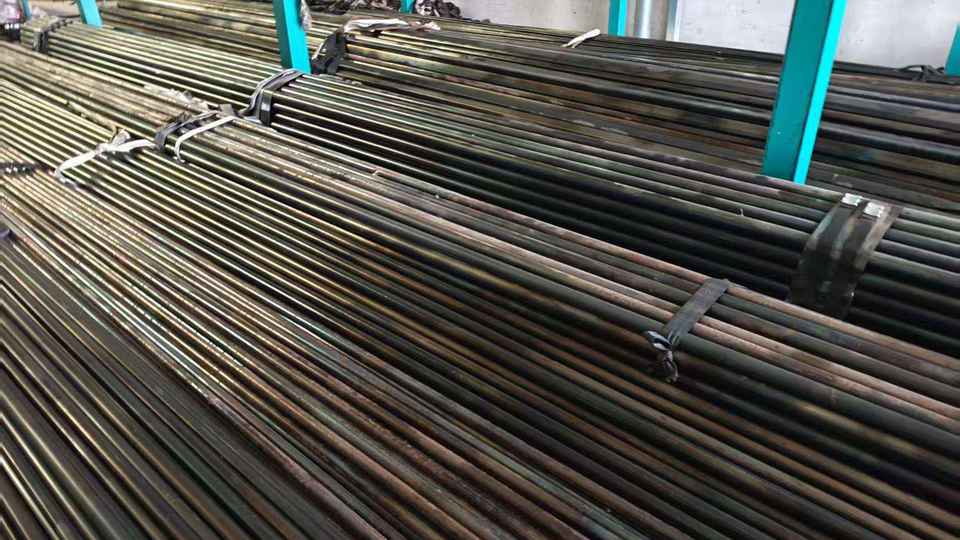
Navigating international supply chains for safety critical components requires clear regulatory alignment. At MOAD AUTO, we streamline this process through structured compliance steps:
We supply formal ECE R90 documentation alongside CE safety filings to clear custom ports across the EU and Americas smoothly.
Our ERP system coordinates raw materials and press queues, providing predictable shipping dates and stable pricing.
We perform shear testing and Link-DMS dynamometer verification on each batch to ensure consistent performance before shipment.
| Parameter | Specification |
|---|---|
| Minimum Order (MOQ) | 100 sets per item; custom runs negotiable |
| Friction Material Formulas | Semi-metallic, Low-metallic, Ceramic |
| Lead Time | 30–45 Days for standard factory production |
| Custom Branding (OEM) | Laser marking, private labels & custom boxes |
| Testing Compliance | ECE R-90, ISO 9001:2015, CE declarations |
Our engineering team answers key questions about regulatory compliance, material science, and manufacturing protocols.
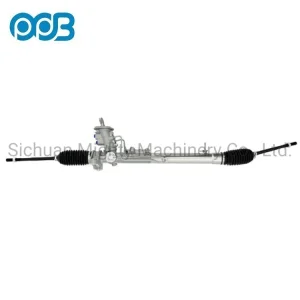
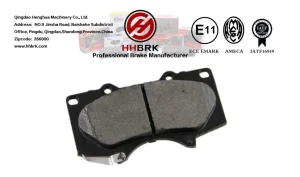
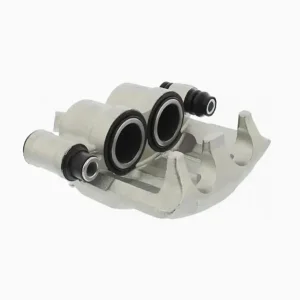
Complete your supply chain with our specialized replacement components, hydraulic calipers, and steering rack modules.
 MOAD AUTO