Explore our top-tier core mechanical assemblies, testing platforms, and locomotive control valves built to exceed OEM regulatory criteria.
How mechanical modifications, advanced raw material sourcing, and validation methodologies impact kinetic dissipation.
Maximizing kinetic energy dissipation is a core challenge in modern mechanical engineering. Brake Efficiency Improvement involves optimizing the entire kinetic-to-thermal transfer mechanism. This process requires maintaining a stable Coefficient of Friction (CoF) across a wide range of operating temperatures, minimizing thermal fade, and reducing NVH (Noise, Vibration, and Harshness) anomalies.
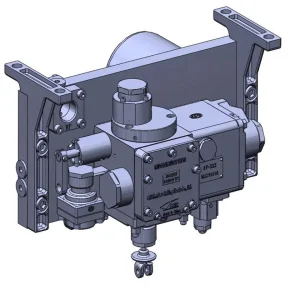
For global OEMs, achieving these performance targets requires a comprehensive systems-level engineering approach. The integration of high-performance brake systems, structural castings, and optimized friction materials must be designed to withstand high pressure and thermal loading. In critical transit segments, such as rail transport, compliance with UIC standards for elements like mud distributor valves and angle cocks is essential to protect pneumatic lines from system pressure failures.
At the center of this engineering effort is the material science of friction. By adjusting the ratios of ceramic, semi-metallic, and low-metallic binders, manufacturers can fine-tune friction coefficients to meet specific application requirements. For example, incorporating steel wool fibers and high-durability glass fibers helps stabilize the transfer film on the brake rotor surface, reducing high-frequency vibrations and wear. This structural optimization ensures consistent braking torque and extends the service life of both the rotor and the pad.
Understanding key macroeconomic drivers, the shift toward electrification, and the rising demand for heavy-duty friction materials.
The rise of regenerative braking in electric vehicles has changed the demands placed on mechanical brakes. Brakes now experience longer periods of inactivity, followed by sudden, high-stress stopping requirements. Additionally, stricter global environmental regulations have made low-dust and zero-copper friction materials a key priority for European and North American automotive supply chains.
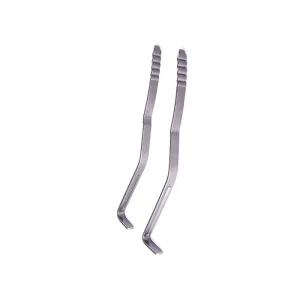
Heavy rail networks are operating at higher speeds and carrying heavier loads than ever before. This requires braking systems that comply with international UIC standards. To prevent pneumatic pressure drop failures, critical components like control valves and forged shoe keys must maintain precise mechanical properties under continuous exposure to vibrational stress and environmental fatigue.
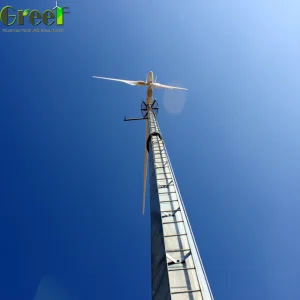
Industrial wind power installations rely on mechanical braking assemblies to control variable pitch settings and secure turbines during extreme weather conditions. These specialized systems require durable friction linings and calipers that can reliably hold high torque loads for extended periods without slipping or experiencing thermal deformation.
Our strategic pathway for material integration, automated testing, and next-generation braking technologies.
We are transitioning from traditional semi-metallic materials to engineered hybrid ceramics. By incorporating high-purity carbon matrices and steel wool fibers (specifically D1-60 grade), we can minimize micro-cracking during extreme thermal cycles, ensuring a more stable and reliable friction profile.
Our engineering team uses high-frequency dynamometer testing to study structural vibrations in real time. This allows us to optimize multi-layered elastomeric shims, targeting and eliminating noise at its source to improve overall vehicle NVH levels.
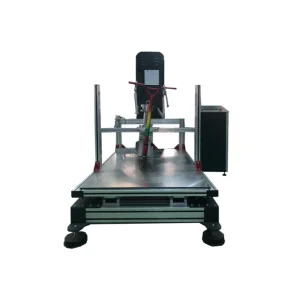
Using our custom-built Brake Pad/Disc Wear and Effectiveness Life Cycle Test Systems, we can simulate up to 500 hours of continuous high-stress braking. This automated testing process accelerates development times and provides the reliable data sheets required by OEM partners.
Looking forward, we are developing drive-by-wire hydraulic braking integrations. These systems utilize electronic feedback loops to adjust caliper pressure dynamically based on pad temperature and wheel speed, maximizing safety and performance.
With raw material integration and state-of-the-art testing systems, we deliver high-performance braking components to the global market from Hangzhou, China.
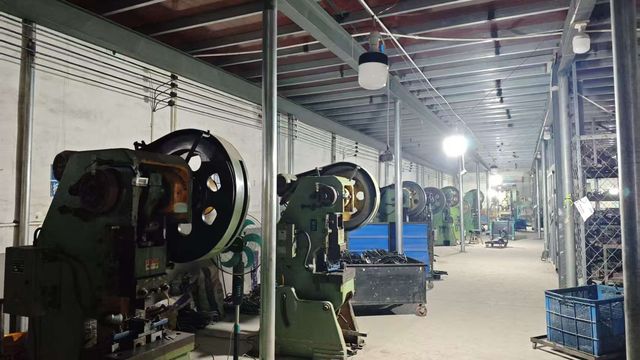
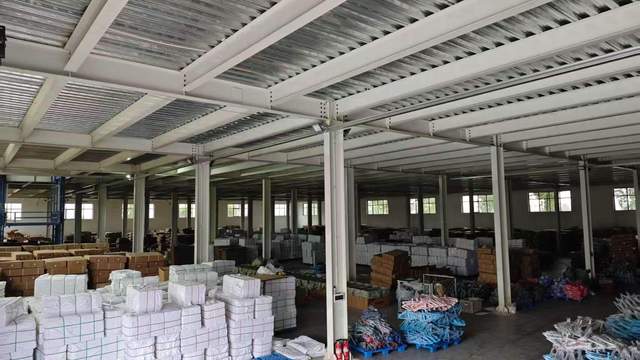
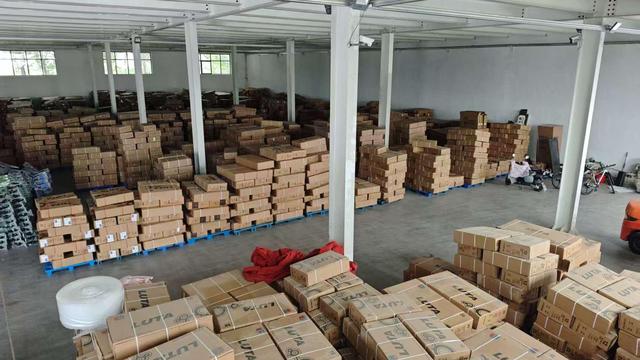
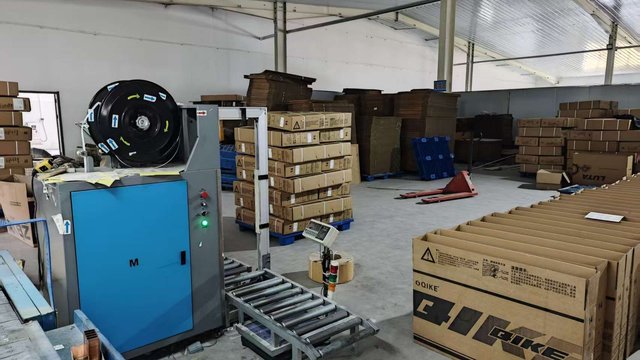
Hangzhou MOAD AUTO Co., Ltd. is a professional manufacturer specializing in brake system components, including brake pads, brake rotors, and automotive friction materials. Located in Hangzhou, China, the company integrates research and development, production, quality control, and global sales to provide reliable braking solutions for international automotive markets.
With a strong technical team and advanced manufacturing facilities, MOAD AUTO is committed to delivering high-performance products that meet strict industry standards for safety, durability, and consistency. Our brake components are widely used in passenger vehicles, commercial vehicles, and various aftermarket applications, ensuring stable braking performance under different driving conditions.
Hangzhou MOAD AUTO Co., Ltd. continuously invests in innovation and process improvement, utilizing modern equipment and precise testing systems to maintain consistent product quality. Every stage of production, from raw material selection to final inspection, is strictly controlled to ensure reliability and long service life. We also provide customized solutions to meet specific customer requirements, supporting OEM and aftermarket partners with flexible production capabilities and efficient supply chain services. Guided by the principles of quality, integrity, and customer satisfaction, MOAD AUTO is dedicated to building long-term partnerships and delivering dependable brake system solutions to clients worldwide, contributing to safer and more efficient mobility.

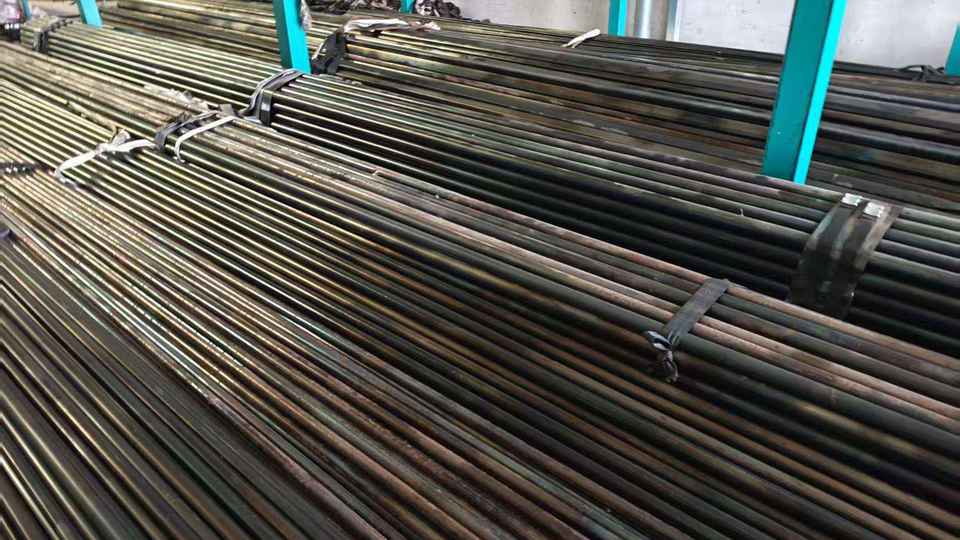
Optimizing braking performance to handle extreme conditions worldwide, from cold regions to hot, humid coastlines.
Sub-zero temperatures can make metal components brittle and lead to structural failures. To address this, our cast-iron brake calipers and locomotive forged keys are engineered to maintain high impact strength and resist cracking in extreme cold. Additionally, our specialized friction formulations prevent ice and moisture buildup on rotor surfaces, ensuring consistent cold-start braking performance.
Descending long mountain passes generates extreme thermal energy, which can cause heat buildup and thermal fade. Our high-performance front brake systems feature advanced ventilated rotors and carbon-ceramic linings that rapidly dissipate heat. This design helps maintain a stable coefficient of friction and prevents pedal fade during extended downhill braking.
Salt-heavy marine air accelerates galvanic corrosion, which can cause brake pads to seize within caliper guides. We apply advanced anti-corrosion coatings to all backing plates and hardware, ensuring long-term rust protection and reliable operation in wet, humid coastal environments.
Our compliance processes ensure our products meet or exceed the performance and safety requirements of global markets.
All replacement brake components destined for the European market must meet strict ECE R90 requirements. Our friction formulations undergo comprehensive testing to ensure their performance matches original equipment standards within narrow, regulated margins.
For the North American market, our components are tested and certified to comply with federal motor vehicle safety standards. We perform rigorous thermal fade, recovery, and structural integrity evaluations to ensure safety across passenger and commercial vehicle classes.
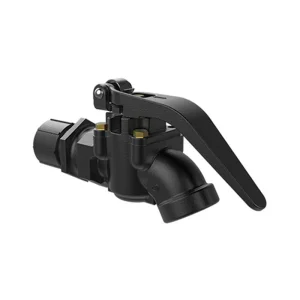
Our heavy rail and wagon brake system components are engineered to meet international UIC specifications. This ensures our angle cocks, mud distributor valves, and brake shoe assemblies can integrate seamlessly into European and Asian national rail networks.
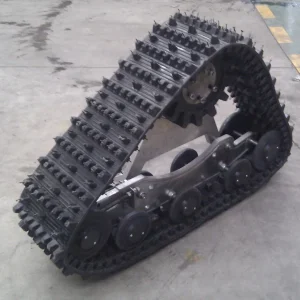
Specialized raw fibers, UTV tracks, custom floating calipers, and eco-friendly raw friction components designed for specific OEM applications.
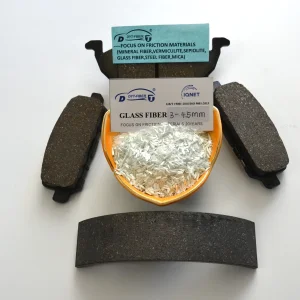
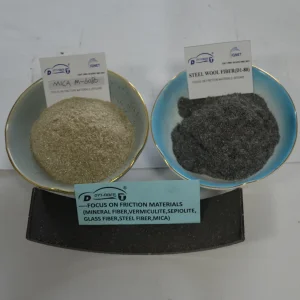
Key technical answers regarding raw material composition, validation testing, and customization options.
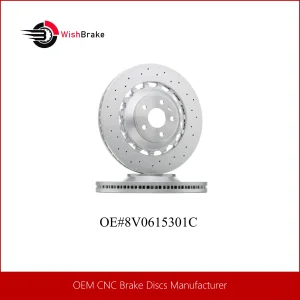
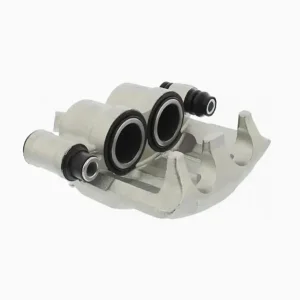
Brake efficiency is determined by three main factors: thermal management, material consistency, and structural stiffness. High-performance braking systems use ventilated, larger-diameter rotors (such as 369mm setups) to improve airflow and heat dissipation. Caliper stiffness is also critical; components like floating cast-iron calipers help reduce mechanical flexing, ensuring uniform pressure distribution across the pad surface.
Steel wool fibers (such as D1-60 grade) help conduct heat away from the friction surface, reducing localized thermal hotspots. Glass fibers provide structural reinforcement, helping to keep the friction block stable at elevated temperatures. By balancing these fibers with high-durability binders, we can maintain a stable coefficient of friction and extend product service life.
We use automated Brake Pad/Disc Wear and Effectiveness Life Cycle Test Systems to run customized profiles. These programs simulate real-world driving conditions, measuring friction wear, shear strength, compressibility, and noise generation. This testing ensures our production batches meet strict international safety standards.
Yes. Our railway wagon air brake angle cocks and mud distributor valves are engineered to comply with UIC standards. This ensures compatibility with existing pneumatic control systems. Additionally, our forged brake shoe keys are heat-treated to resist failure under high vibrational loads.
We provide comprehensive engineering support, from initial CAD modeling and die-casting design to custom friction formulation and validation. Drawing on our production resources in Hangzhou, China, we can adjust formulations and tooling configurations to match specific customer requirements.
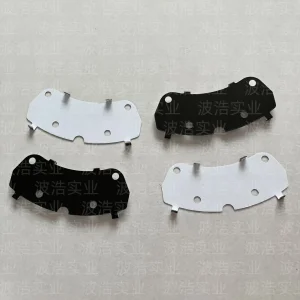
We offer customized elastomeric brake shims that fit onto the back of the pads. These shims isolate vibration and prevent it from turning into high-frequency brake squeal. Combined with optimized chamfers and slots on the friction block, these solutions significantly improve overall vehicle NVH levels.
 MOAD AUTO