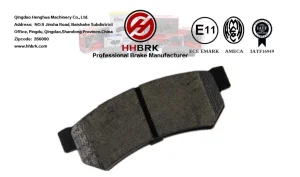
Explore our foundational range of brake pads, friction materials, heavy-duty machinery parts, and specialized hydraulic assemblies engineered for maximum safety and performance.
Modern automotive and industrial engineering demands more than component-level supply; it requires comprehensive system integration. Safety-critical sectors, ranging from light commercial passenger vehicles to heavy railway transportation networks, are rapidly transitioning from legacy hydraulic architectures to unified, smart braking solutions.
This paradigm shift is driven by three main factors: the electrification of drivetrains, the requirement for lightweight components to meet strict fuel efficiency and range targets, and the necessity of structural stability under extreme operating conditions. As a leading exporter from China's premier manufacturing hubs, Hangzhou MOAD AUTO Co., Ltd. utilizes state-of-the-art tooling, advanced compound formulation, and comprehensive system engineering to deliver integration-ready braking units to Tier-1 suppliers and vehicle OEMs globally.
By blending advanced metallurgical research with precision digital controls, we help our partners minimize integration friction, lower total cost of ownership, and satisfy demanding international standards.
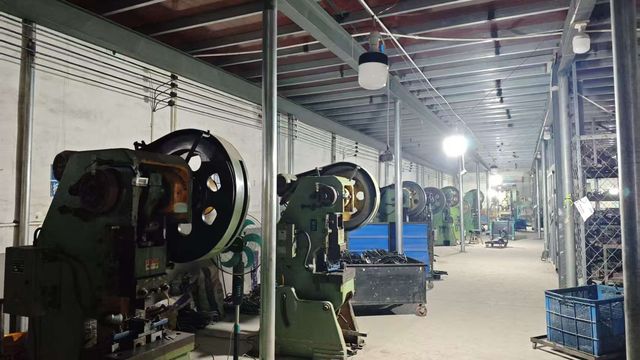
Brake systems are no longer isolated mechanical assemblies. Today's market is defined by technological convergence, environmental compliance, and high-precision automation.
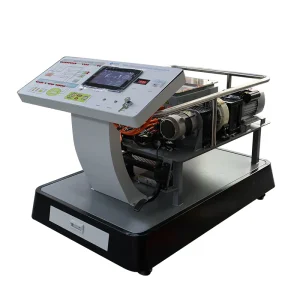
The rise of Hybrid and Battery Electric Vehicles (EVs) requires friction brake systems to work in perfect synchronization with electric motor recuperation. This transition calls for advanced regenerative braking simulators and training frameworks that prepare technicians and developers for complex kinetic energy recovery algorithms.
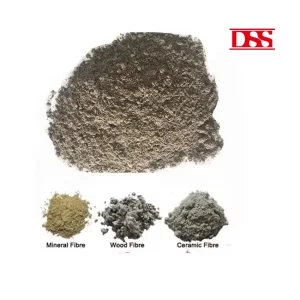
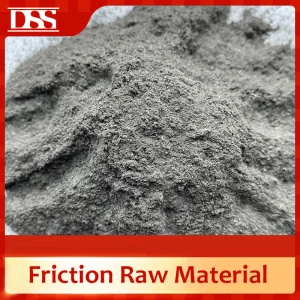
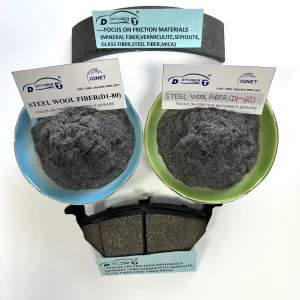
To reduce particulate matter and satisfy global regulations, the industry is adopting advanced hybrid formulations. Integrating materials such as steel wool fiber D1-60 and chopped carbon fiber into semi-metallic and ceramic bases ensures stable friction coefficients, reduced noise, and lower environmental impact.
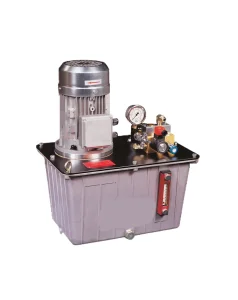
Heavy duty trucks and industrial machinery require cross-platform hydraulic integration. High-pressure testing configurations, CNC-machined stainless fittings, and robust control systems ensure zero-leak operation and long-term durability in challenging working environments.
A premier Chinese manufacturer specializing in OEM and aftermarket brake system engineering, materials development, and international supply chain distribution.
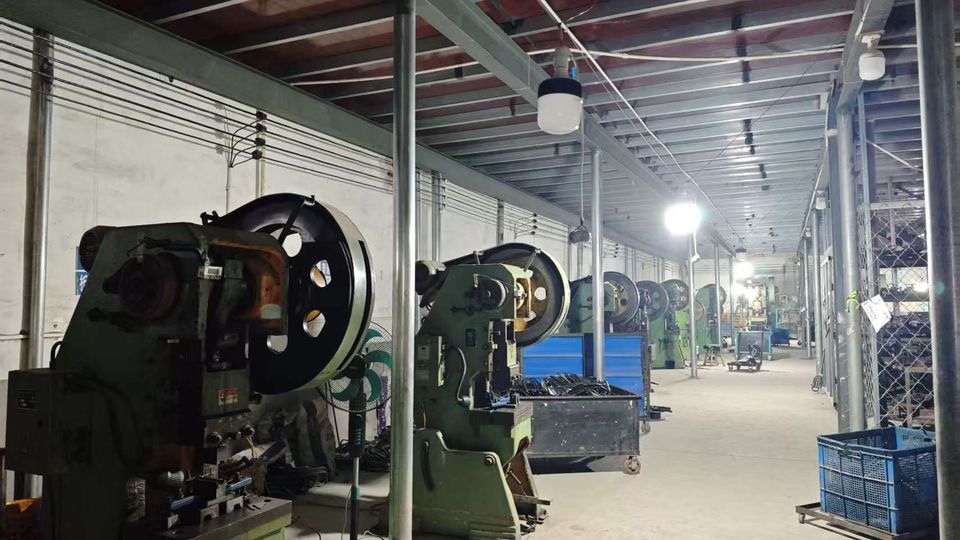
Based in Hangzhou, China, Hangzhou MOAD AUTO Co., Ltd. is an established industrial force integrating research & development, state-of-the-art manufacturing, strict quality control protocols, and global logistics execution. We serve passenger vehicles, commercial heavy transport, railway networks, and specialized industrial automation platforms.
Our engineering team focuses on developing low-noise, high-durability friction materials and high-precision structural steel assemblies. We utilize advanced testing rigs to simulate extreme heat, high stress, and variable friction conditions, ensuring every component meets global safety standards.
Through close collaboration with international Tier-1 partners, we supply both custom OEM configurations and robust aftermarket replacements. Our logistics and customer service workflows ensure seamless delivery and compliance across North America, Europe, Asia, and other key global regions.
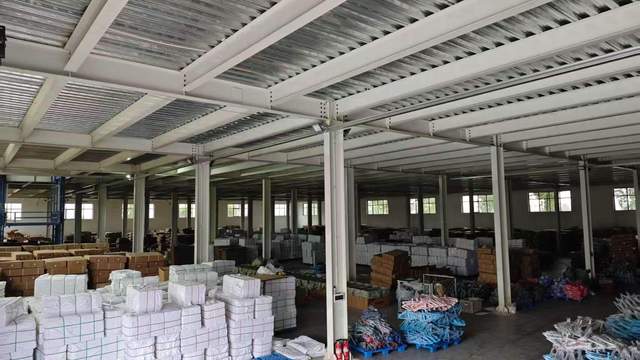
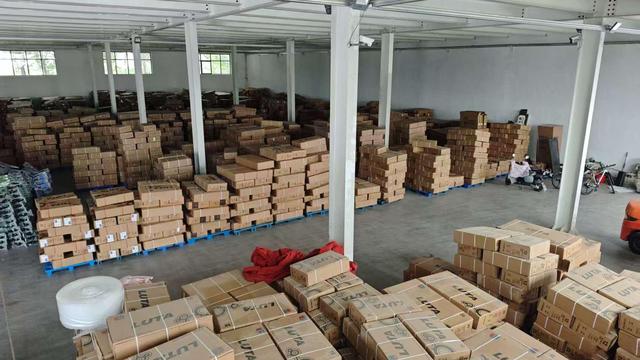
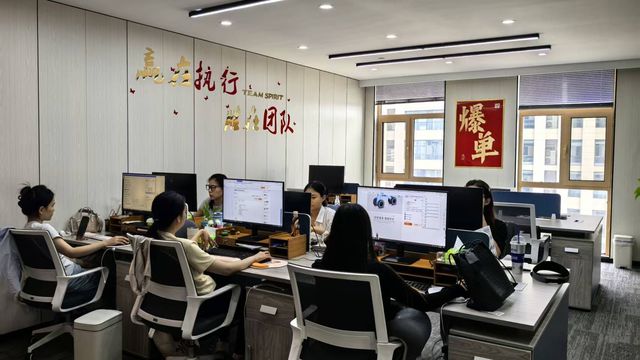
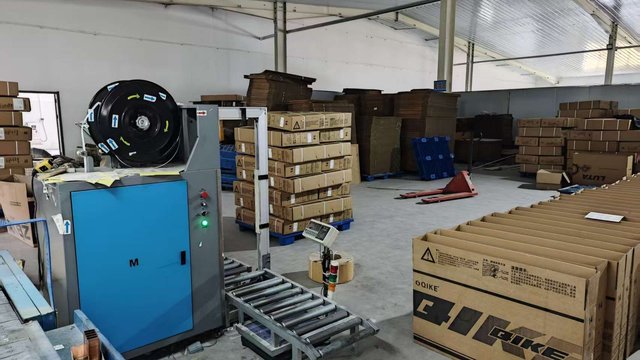
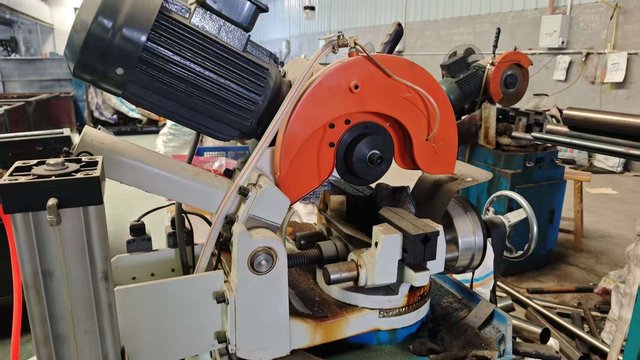
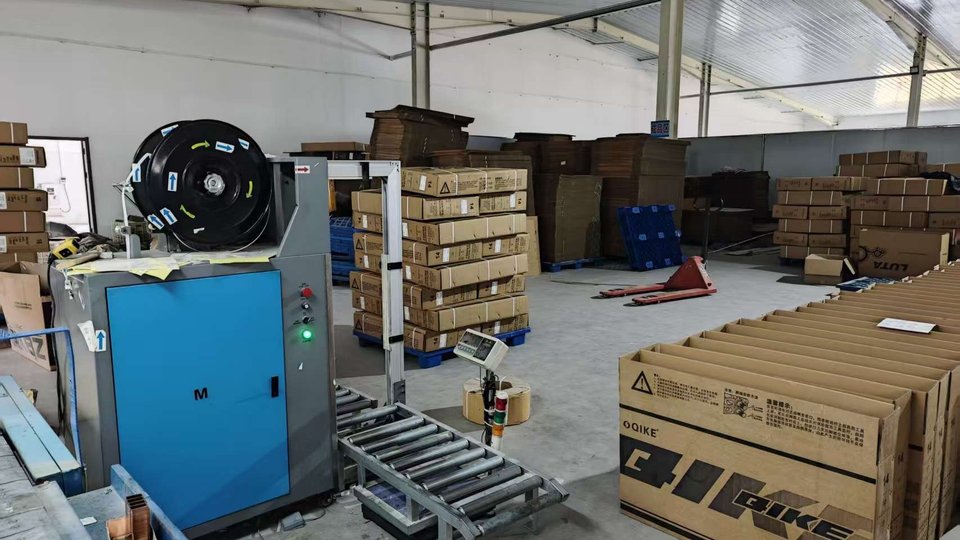
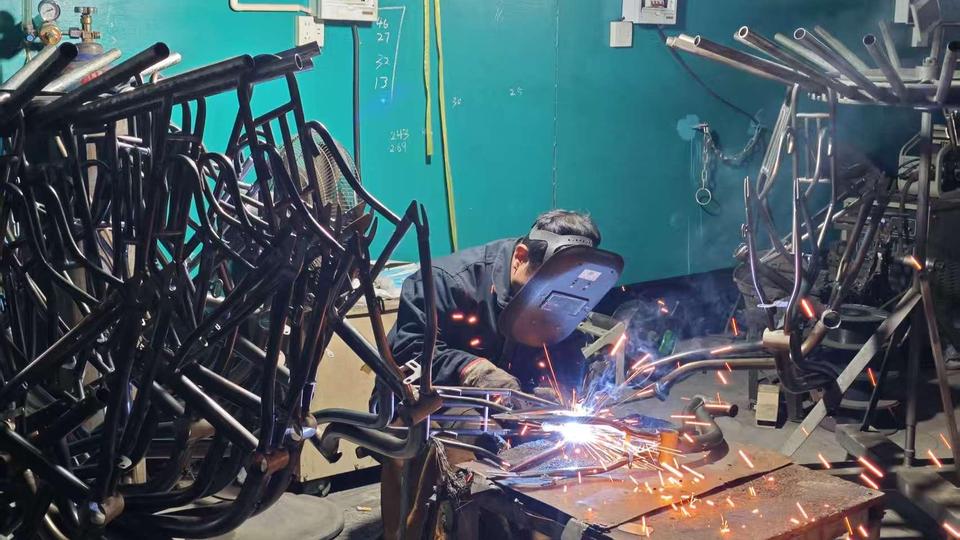
International sourcing teams demand reliable engineering partners who can deliver consistency, supply-chain transparency, and compliance with strict safety frameworks.
| Procurement Parameter | OEM & Tier-1 Standard Requirements | Hangzhou MOAD AUTO Compliance Strategy |
|---|---|---|
| Traceability & QA | Full batch traceability, raw material certifications, and 100% automated inspection. | IATF 16949-aligned barcode tracking from raw fibers/metals to the finished assembly. |
| Environmental Regulations | Zero-copper and low-heavy-metal friction formulations matching REACH, NSF, and EPA standards. | Asbestos-free and copper-free organic and ceramic blends verified by third-party testing labs. |
| Structural Durability | High resistance to thermal shear and mechanical fatigue across diverse operating temperatures. | Formulated with steel wool fiber D1-60 and carbon fiber matrix networks to ensure structural stability. |
| Technical Integration | Precision physical fitment, zero-leak fluid connectors, and reliable electrical interfaces. | CNC machining tolerances within 0.005mm and rigorous pressure testing for all hydraulic sub-assemblies. |
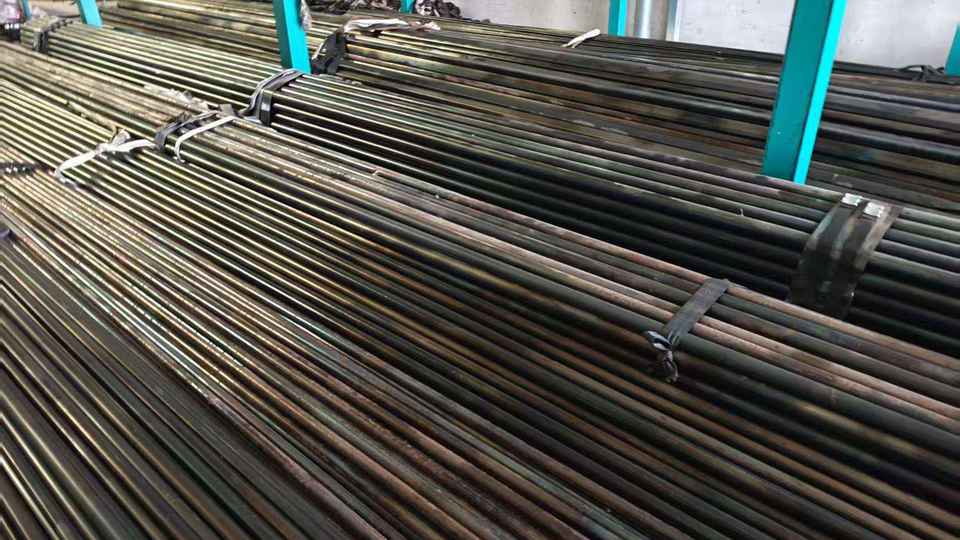
Global logistics demand predictable lead times. Our strategically located warehouse facilities near Ningbo and Shanghai ports facilitate streamlined sea transport. Furthermore, our flexible production scheduling helps minimize bottlenecks during market fluctuations, ensuring raw materials such as semi-metallic powders and steel backplates remain steadily stocked to support high-volume manufacturing demands.
We work closely with clients to optimize formulations and designs, balancing high-performance requirements with cost efficiency. By engineering components to match precise application stresses—whether for a lightweight passenger car or a heavy-duty freight wagon—we help clients avoid over-specifying, leading to reduced material waste and lower overall manufacturing costs.
Braking integration varies significantly across industries. Here is how we customize our engineering solutions to meet diverse industrial demands.
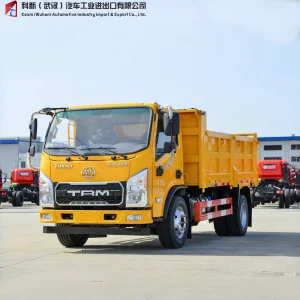
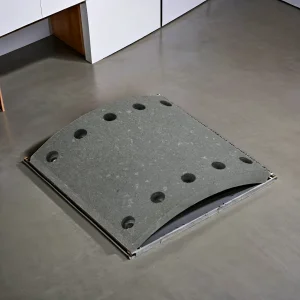
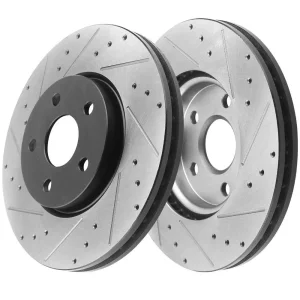
Heavy trucks, dump trucks, and recovery rigs face high thermal stress and continuous load cycles. Our systems employ advanced air-brake integration, cast-iron rotors with high thermal capacity, and heavy-duty friction materials designed to prevent brake fade on steep descents.
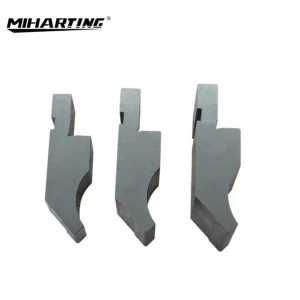
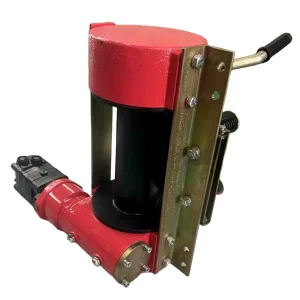
Precision control is essential for modern press brakes. Using products like the Vila Advanced Tool Clamping System, our industrial division supports stamping and metal-forming systems. This ensures reliable lock-in force, uniform clamping distribution, and rapid tool exchanges.
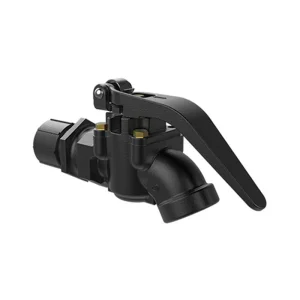
Railway operations require compliance with international safety protocols. We export UIC-standard wagon components, including high-precision angle cocks and mechanical linkages. These parts are engineered to perform reliably in extreme temperatures ranging from -40°C to +70°C.
The braking industry is shifting from pure mechanical hydraulic designs to smart, electronically-controlled, and environmentally friendly solutions.
Driven by strict environmental regulations in North America and Europe, we are transitioning our entire friction material production to eco-friendly formulations. By replacing copper and heavy metal fibers with a mix of synthetic ceramics, aramid, and treated steel fibers, we maintain high thermal friction coefficients while protecting aquatic ecosystems from highway run-off contamination.
As steering and driving inputs become digital, braking is following suit. We are investing in R&D to support Brake-by-Wire configurations, focusing on fast-acting hydraulic control valves, electronic actuator housings, and high-pressure sensor lines that deliver rapid response times for autonomous driving systems.
The future of safety lies in real-time monitoring. We are prototyping brake pads with embedded wear-indicator channels and thermal sensors. These smart pads communicate with the vehicle's central ECU, notifying operators of wear levels and thermal stress before component failures occur, minimizing fleet downtime.
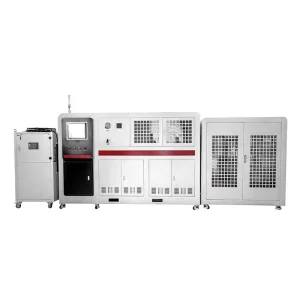
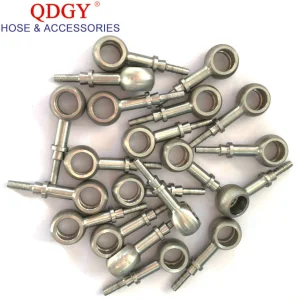
We are upgrading our testing centers with PC-controlled hydraulic hose fatigue and burst testers. This advanced equipment simulates millions of cycles under high pressures, verifying that our brake lines, Banjo fittings, and connection systems perform reliably in extreme industrial and automotive applications.
Exporting to diverse regions requires compliance with local standards. We ensure all components meet the specific legal and mechanical regulations of our target markets.
Our passenger car and light commercial brake pads are designed to comply with ECE R90 requirements, ensuring aftermarket parts perform within 15% of the original equipment equivalent.
For the North American market, our components are tested against FMVSS 135 protocols for stopping distance, wet-recovery performance, and parking brake stability under load.
Our train air brake assemblies, linkage lines, and angle cocks comply with international UIC standards, meeting the performance and interchangeability demands of global rail networks.
Get answers to common technical, manufacturing, and shipping questions about our brake system integration services.
We manufacture a range of formulations including semi-metallic, low-metallic, NAO organic, and ceramic matrix compounds. For heavy-duty applications, we incorporate chopped carbon fibers, aramid fibers, and steel wool fiber D1-60 to improve shear strength, thermal dissipation, and wear life.
Our factories operate under IATF 16949 and ISO 9001 quality management systems. Raw materials are tested before production, key parameters are monitored by automated systems during hot pressing, and finished products undergo ultrasonic shear testing to ensure bond integrity.
Yes. We specialize in custom CNC-machined components, including SS304/SS316 banjo fittings, high-pressure coupling adapters, and custom brake line routings. All fittings are design-verified using computer-aided fluid testing systems.
Standard tooling development and prototype sampling typically require 25 to 45 days. Once approved, production runs are completed within 30 to 45 days, depending on batch sizes and scheduling requirements.
Our research labs have developed low-copper and copper-free friction formulas (containing less than 0.5% copper by weight), allowing us to supply components that meet environmental regulations in California, Washington state, and the European Union.
Explore our selections for heavy logistics, mechanical clamping setups, and custom-tailored braking components designed for various automotive and industrial applications.
 MOAD AUTO