Precision-engineered components delivering maximum kinetic absorption, anti-fade thermal management, and long-service reliability across industrial and automotive sectors.

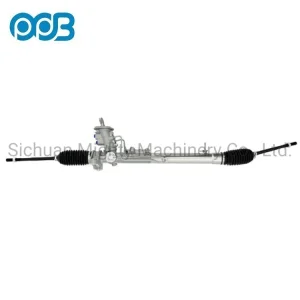
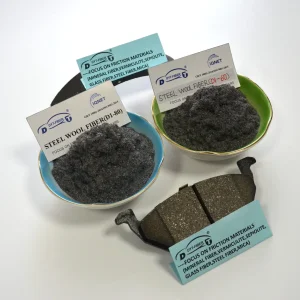
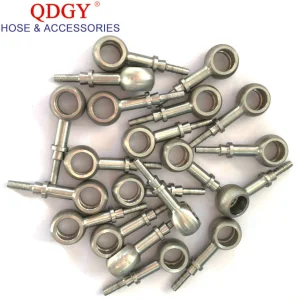
The global brake engineering matrix is experiencing a paradigm shift driven by stringent vehicle safety mandates, the acceleration of Electric Vehicle (EV) adoption, decarbonization initiatives in heavy industry, and the demanding precision of modern automated manufacturing. Braking is no longer evaluated as a standalone mechanical friction interface; it has evolved into a fully integrated mechatronic system combining high-energy kinetic absorption, thermal fade resistance, material friction tribology, and micro-second electron control response.
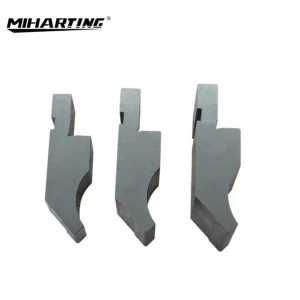
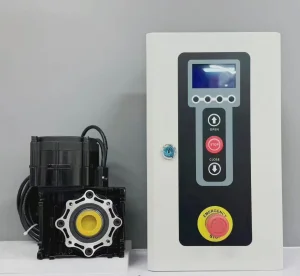
In modern industrial applications—such as multi-megawatt wind turbine pitch controls, precision sheet metal press brakes, high-torque commercial transport air lines, and high-speed automated logistics doors—the performance criteria for braking solutions require extreme customized engineering. OEM procurement teams and industrial system integrators face increasing pressure to balance zero-defect reliability, thermal endurance under severe load cycles, NVH (Noise, Vibration, Harshness) compliance, and cost-effective scalability.
Global demand is rapidly leaning toward eco-friendly friction formulations (zero-copper and low-dust ceramics), ultra-high-pressure hydraulic/air fluid lines with extended chemical resistance, and advanced tool clamping systems engineered for high-tonnage sheet metal processing.
Industrial systems and automotive platforms require highly specialized braking physics depending on operating duty cycles, climate exposure, and dynamic shear stresses:
Advanced matrix formulation using structural steel wool fibers, synthetic graphite, and carbon-fiber reinforcement to ensure zero thermal decay and consistent coefficient of friction under extreme duty cycles.
Integrating electronic power steering (EPS) racks, hydraulic quick-response banjo fittings, and pneumatic valves tailored for seamless pairing with automated driver assist systems (ADAS).
Fully certified testing protocols including Link Dynamometer thermal dissipation runs, SAE J1402 burst pressures, ECE R90 compliance, and automated bench testing for fluid components.
China has solidified its position as the global powerhouse for brake engineering research, friction raw material synthesis, and high-precision CNC machining. The convergence of complete localized supply chains, advanced metallurgy industries, massive automated manufacturing infrastructure, and competitive engineering talent provides unmatched economic and technical benefits to global importers and OEMs.
From raw friction materials like structural steel wool fiber (D1-80, D1-60 grade) and carbon fiber composites to high-purity cast iron for ventilated rotor discs, Chinese manufacturing clusters eliminate cross-border raw material delays. This vertical integration allows precise metallurgical adjustments on demand, catering to specific regional braking requirements (e.g., rust-resistant rotors for Nordic markets vs. high-heat semi-metallic pads for heavy mining transport in South America).
With fully integrated CAD/CAM engineering workflows, high-precision tooling for specialized press brake clamping systems or unique hydraulic banjo hose fittings can transition from blueprint to physical prototype within 7 to 14 business days—a speed advantage 3x to 4x faster than traditional European or North American facilities.
Modern Chinese tier-1 brake facilities deploy automated optical inspection (AOI) for dimensional tolerances, computerized shear testing machines for friction plate bonding, and 100% pressure-impulse testing for high-pressure EPDM air brake lines. This guarantees PPM (Parts Per Million) defect rates that easily satisfy demanding automotive Tier-1 requirements.
Economies of scale, optimized energy usage, highly sophisticated tooling automation, and streamlined logistics access through deep-water ports (such as Ningbo-Zhoushan and Shanghai) reduce total cost of ownership (TCO) by 25% to 40% compared to Western manufacturing hubs.
| Evaluation Parameter | China Brake Engineering Hubs | Traditional Western Manufacturers | Global OEM Advantage |
|---|---|---|---|
| Tooling Lead Time | 10 – 18 Days | 45 – 60 Days | Accelerated time-to-market for new vehicle/machine models |
| Raw Material Sourcing | 100% Localized (Friction materials, steel wool, EPDM) | Multi-country fragmented supply chain | Shielded from international freight inflation & tariffs |
| Production Capacity & Agility | Scalable from low-volume custom runs to 1M+ units/mo | Rigid high-MOQ batch requirements | Flexible inventory management and optimized cash flow |
| Customization Capability | High (Custom friction coefficients, bespoke hardware) | Standardized catalog specifications | Engineered precisely to specific operational load limits |
To assist global procurement officers, fleet managers, and mechanical engineering directors, the following breakdown highlights the core engineering specs and material sciences behind leading brake solutions offered by top Chinese manufacturers.
The core of any friction-based braking system is its friction lining composition. Modern brake engineering relies on multi-ingredient composite matrices carefully balanced for friction stability, low wear rate, and minimal rotor abrasion.
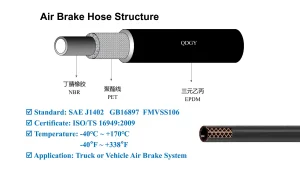
Brake force transmission relies entirely on fluid dynamics and pneumatic integrity. Any pressure drop or hose expansion results in soft pedal feel or delayed braking response.
Beyond automotive platforms, industrial machinery requires heavy kinetic dissipation and mechanical locking security:
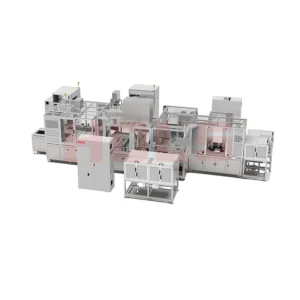
Integrating precision R&D, automated production lines, continuous friction material testing, and global export service to supply world-class automotive and industrial braking components.
Hangzhou MOAD AUTO Co., Ltd. is a premier manufacturer specializing in brake system components, including brake pads, brake rotors, precision fluid line hardware, and automotive friction materials. Strategically located in Hangzhou, China, the company integrates end-to-end research and development, high-precision manufacturing, rigorous quality testing, and international supply chain logistics to serve tier-1 automotive brands, OEM truck manufacturers, and global aftermarket distributors.
With a robust technical engineering team and modern manufacturing facilities, MOAD AUTO delivers high-performance braking solutions that comply strictly with international safety, durability, and environmental benchmarks (including ISO/TS 16949, ECE R90, and SAE standards). Our brake components are broadly deployed across passenger vehicles, heavy-duty commercial fleets, wind energy turbines, and automated industrial machinery worldwide.
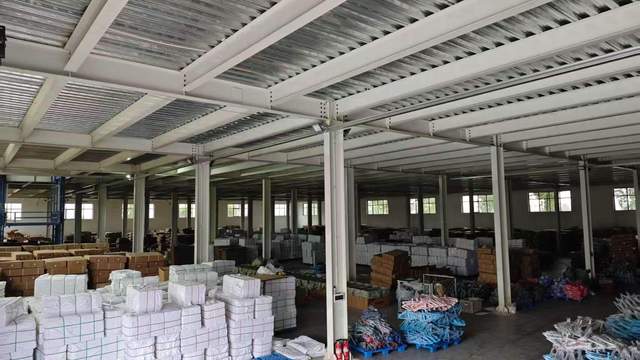
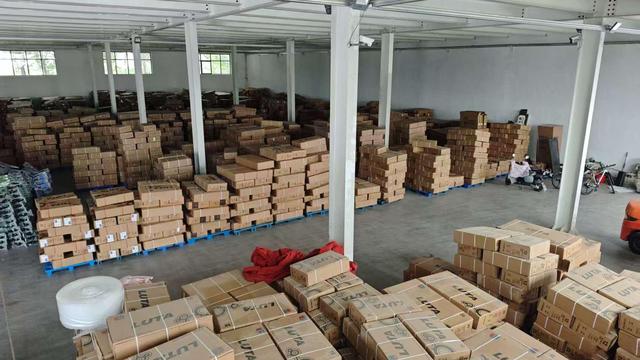
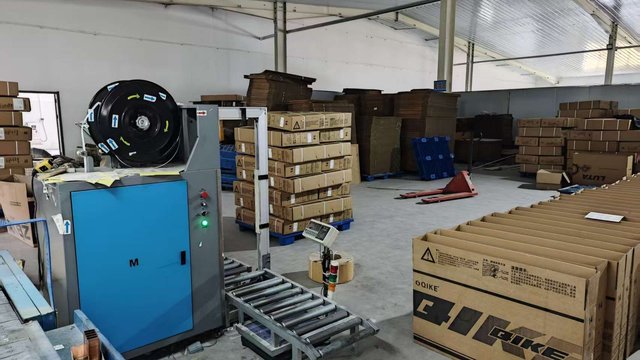
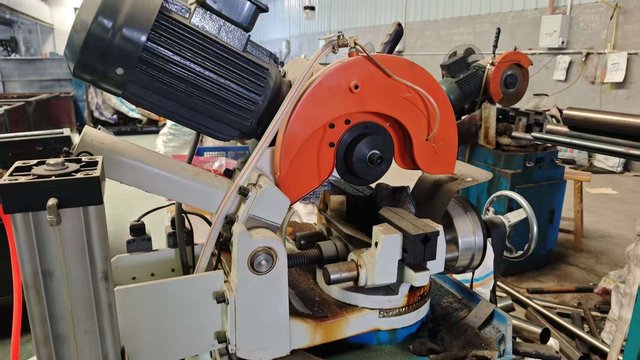
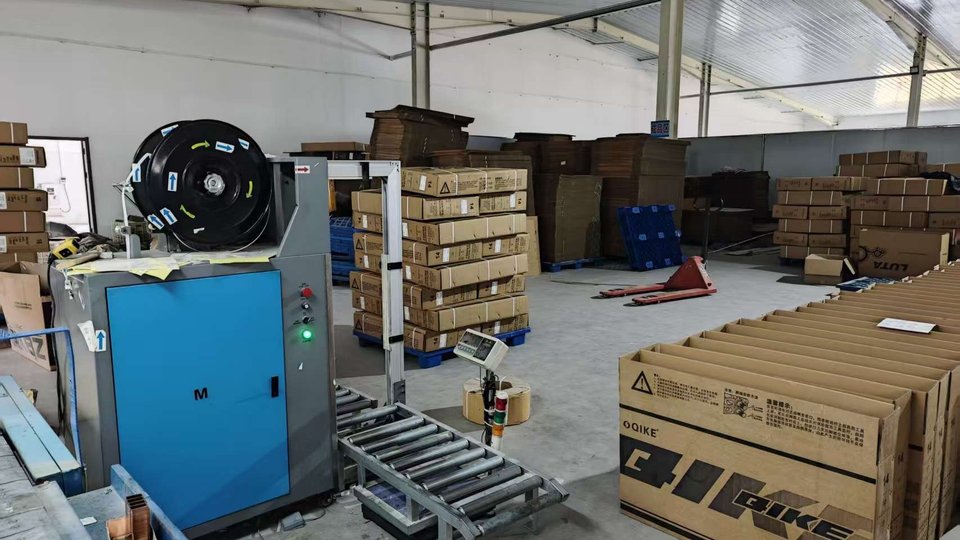
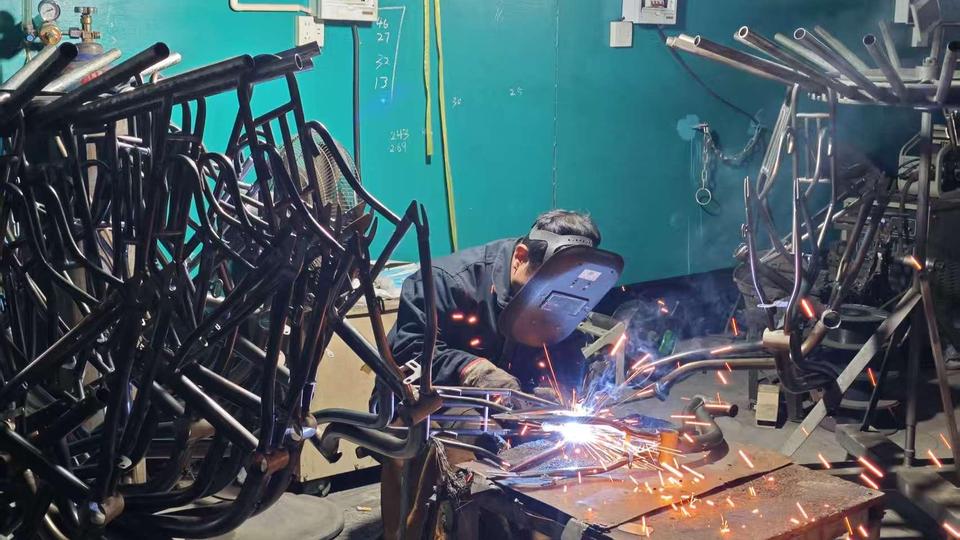
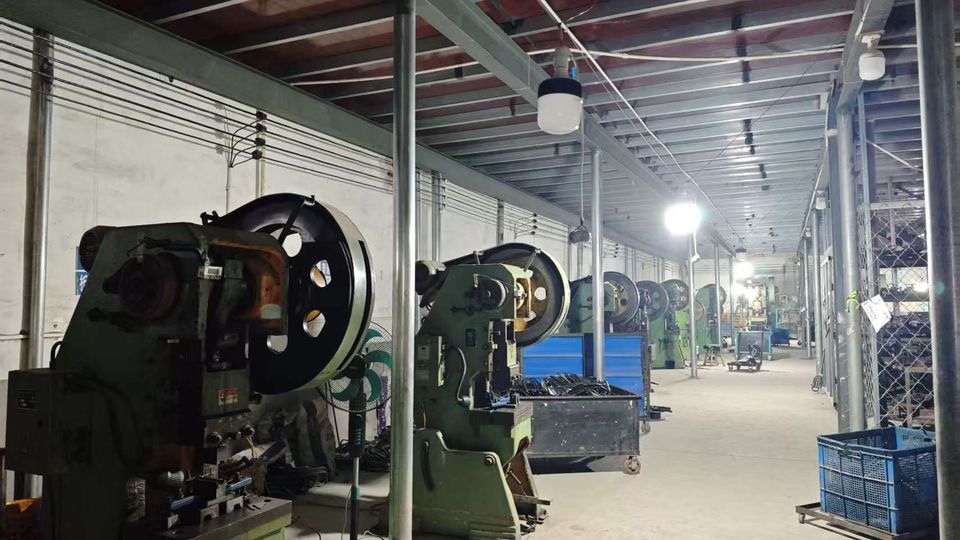
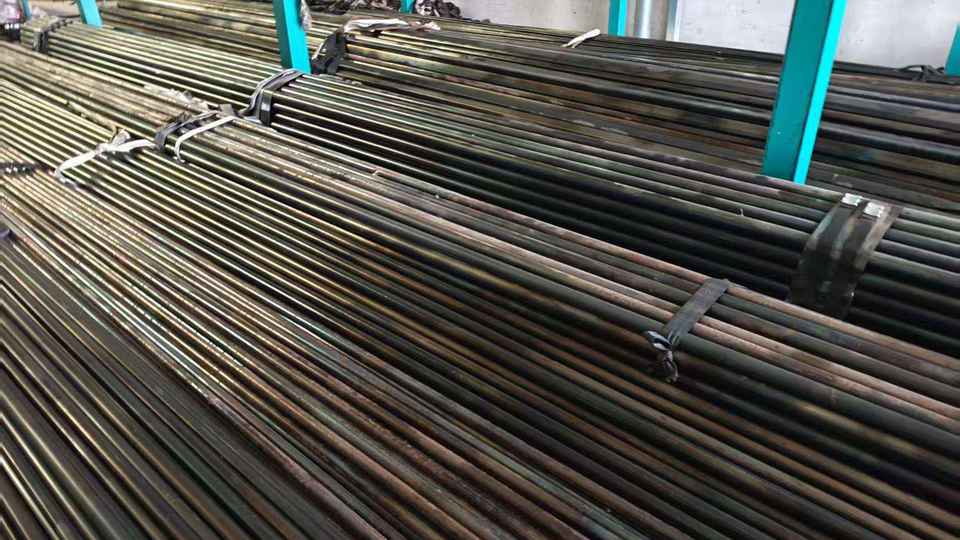
MOAD AUTO continuously invests in production technology and testing equipment. Every manufacturing stage—from raw material screening and powder blending to positive pressing, heat treatment, precise CNC grinding, and final ultrasonic defect inspection—is rigorously managed to guarantee consistent frictional performance and extended service longevity.
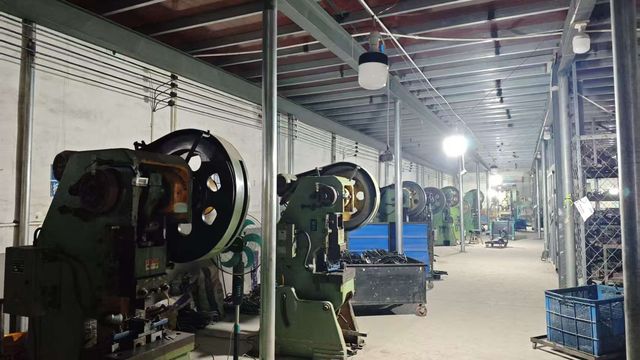

When sourcing industrial and automotive brake components from China, international buyers must establish rigorous procurement protocols to verify material purity, structural integrity, and regulatory compliance. Below is the framework recommended by leading automotive engineers:
Require Krauss or Chase friction dynamometer reports. Verify that friction coefficient ($\mu$) remains stable across cold (100°C), hot (350°C), and extreme thermal fade recovery tests (up to 650°C). Check for shear strength parameters (>2.5 MPa bonding strength between backplate and lining).
Confirm that rubber brake lines comply strictly with SAE J1402 or FMVSS 106. Ensure dynamic whip testing, cold bend testing at -40°C, and fluid compatibility tests (DOT3, DOT4, and mineral oils) are fully certified by independent testing bodies.
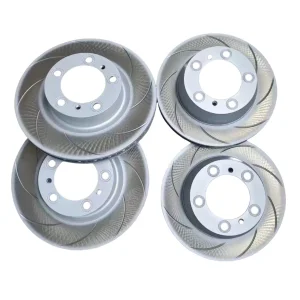
Specify gray iron metallurgies (e.g., HT250 / G3000) for brake rotors to prevent thermal cracking. Ensure strict dimensional runout limits (< 0.05 mm) and dynamic balancing to eliminate brake pedal vibration at highway speeds.
Chinese manufacturers like Hangzhou MOAD AUTO Co., Ltd. build components conforming to the following global standards:
As the automotive and industrial sectors evolve, modern brake engineering is adapting to three major technological disruptions.
Global environmental laws mandate less than 0.5% copper content by weight in friction materials. Chinese R&D centers lead the industry in substituting copper with advanced ceramic matrix composites, synthetic graphite, and basalt fiber blends without sacrificing heat dissipation.
Electric vehicles rely heavily on regenerative braking, reducing standard disc usage but introducing rust accumulation issues due to under-use. Modern engineering utilizes zinc-nickel anti-corrosion coatings, lightweight titanium exhaust/caliper brackets, and integrated electronic steering racks (EPS) for seamless electro-hydraulic blending.
Next-generation commercial truck brake assemblies feature embedded micro-sensors for real-time monitoring of pad wear, temperature spikes, pressure loss in EPDM lines, and rotor vibration, enabling predictive maintenance for fleet operators.
Expert answers regarding custom manufacturing, technical specifications, order logistics, and quality assurance for global purchasers.
Semi-metallic pads contain 30% to 65% metal (such as steel wool fibers) and offer exceptional heat dissipation and durability, ideal for heavy-duty commercial trucks and towing vehicles. Ceramic pads utilize mineral fibers, non-ferrous materials, and ceramic compounds; they are significantly quieter, produce minimal dust, and extend rotor life, making them popular for passenger cars. Low-metallic pads blend organic friction compounds with small amounts of copper or steel (10-30%), offering high braking performance at extreme temperatures but generating slightly more dust.
MOAD AUTO follows strict IATF 16949 quality management protocols. Every batch of raw friction materials undergoes shear testing, thermal expansion analysis, and density checks. Finished components—such as EPDM air brake hoses and hydraulic banjo fittings—are 100% pressure-tested. Dynamic friction performance is audited on Link Dynamometers before mass production, guaranteeing adherence to original equipment tolerances.
EPDM (Ethylene Propylene Diene Monomer) provides outstanding resistance to ozone degradation, atmospheric weathering, high-heat oxidation (up to 125°C), and water absorption. When combined with PET reinforcement braiding, EPDM resists dynamic volumetric expansion under high pressure spikes, ensuring immediate pneumatic impulse transmission to heavy-duty trailer brake chambers.
Yes. China's mature engineering ecosystem utilizes flexible CNC machining centers and rapid tooling techniques. Hangzhou MOAD AUTO Co., Ltd. supports both high-volume automotive production runs and customized low-to-medium batch engineering projects for specialized industrial machinery, offering custom CAD design assistance, rapid 3D prototyping, and customized alloy selection.
Standard catalog components (such as popular aftermarket brake pads or hydraulic banjo fittings) usually ship within 15 to 25 days. Custom OEM tooling and customized friction formulation orders generally take 30 to 45 days, including full sample validation and dynamometer reporting prior to container loading.
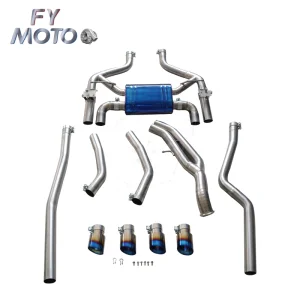
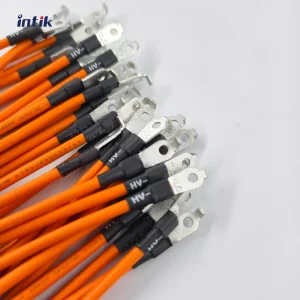
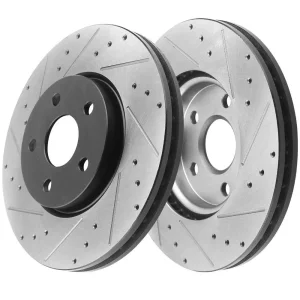
Explore our full array of trailer brake assemblies, floating calipers, low-dust ceramic pads, carbon friction materials, and automated testing equipment.
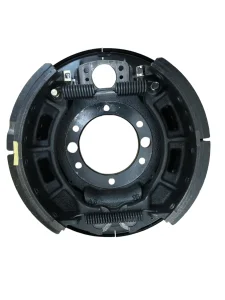
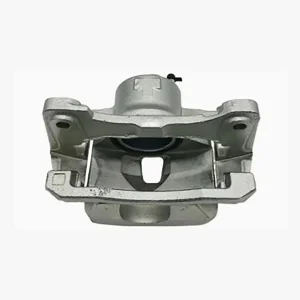
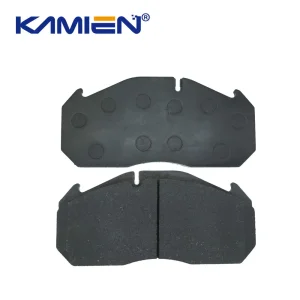
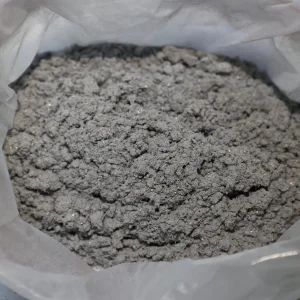
Whether you require custom friction formulations, high-pressure hose assemblies, wind turbine pitch systems, or OEM replacement components, Hangzhou MOAD AUTO Co., Ltd. provides guaranteed quality and competitive direct-factory pricing.
Request Technical Consultation & OEM Quote MOAD AUTO