Engineered to exact OEM configurations and international safety standards. Select a sub-system for detailed design files, technical datasets, and bulk procurement options.
Brake dynamics are the foundation of modern mechanical safety. In high-speed rail, heavy commercial transport, and passenger vehicles, braking systems convert massive amounts of kinetic energy into thermal energy. This conversion relies on complex tribological interactions at the friction interface. As global logistics networks expand and vehicles move faster, demands on braking systems have intensified. Today's systems must maintain a stable friction coefficient (μ) across extreme temperature gradients while preventing structural failures like thermal cracking and pad shear.
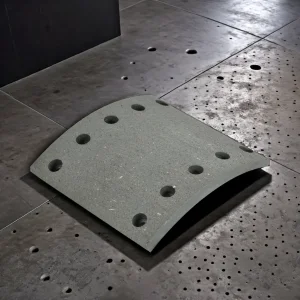
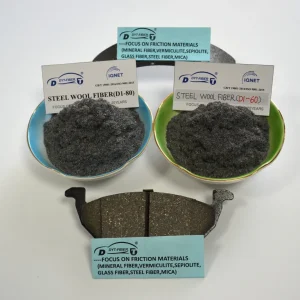
For industrial engineering and supply chains, finding high-performance friction pairings is critical. Modern brake dynamics require advanced materials science. In commercial transport, brake linings and pads endure temperatures over 650°C during descent cycles. Under these loads, standard cast iron and organic pad formulations can suffer from thermal fade, where the friction coefficient drops. To combat this, precision manufacturing utilizes advanced metallurgy (such as high-carbon alloyed gray cast iron with lamellar graphite) and sophisticated composite chemistry (incorporating synthetic fibers, ceramic materials, and metallic structures like steel wool fiber).
Geopolitically, China has emerged as a key hub for engineering and manufacturing high-performance brake dynamics. Chinese manufacturers have evolved from simple component casters into key R&D partners for global tier-1 automotive suppliers and railway corporations. By combining local supply chains, advanced automated casting facilities, and rigorous testing laboratories (which use Link dynamometers for Chase and Krauss tests), companies like Hangzhou MOAD AUTO Co., Ltd. deliver OEM-grade quality that meets European ECE R90, American FMVSS 121, and global ISO/TS 16949 standards.
Key technological shifts reshaping the brake engineering landscape, focusing on environmental standards, electric vehicles, and intelligent safety controls.
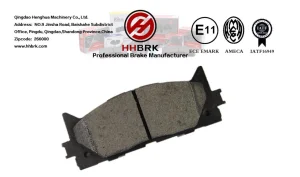
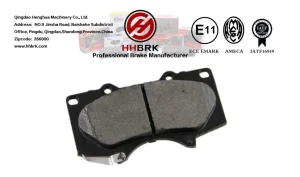
Strict environmental laws (such as California's SB 346 and Washington's SB 6557) restrict copper content in friction materials. We design low-steel and ceramic pads with less than 0.5% copper, maintaining high thermal shear resistance and braking torque.
EV braking relies largely on regenerative motors, causing friction pads to run colder and accumulate oxidation. Our EV-specific pad solutions feature protective layers that prevent surface oxidation and ensure instant bite during emergency mechanical stops.
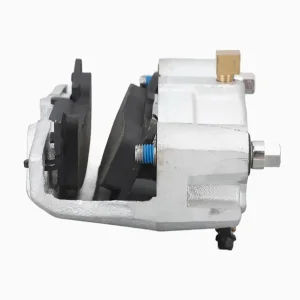
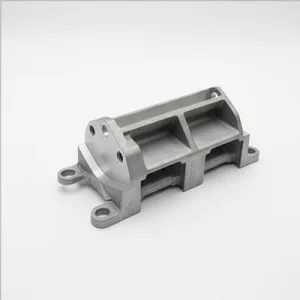
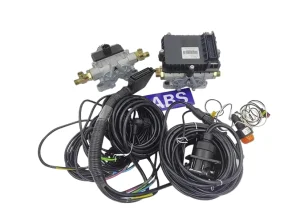
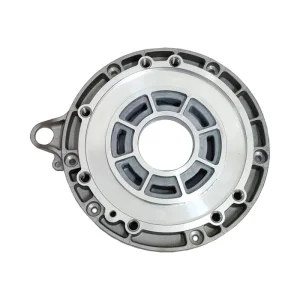
Modern hydraulic braking systems are transitioning to drive-by-wire configurations. We specialize in precision brake calipers, electronic actuator plates, and ABS/ESP control valves to support modern electronic brake architectures.
A trusted technical manufacturer in modern automotive and industrial friction systems.
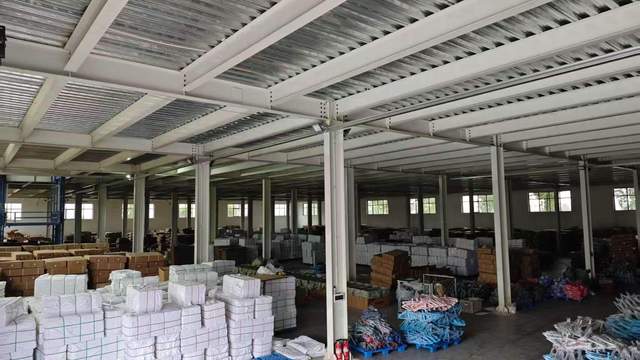
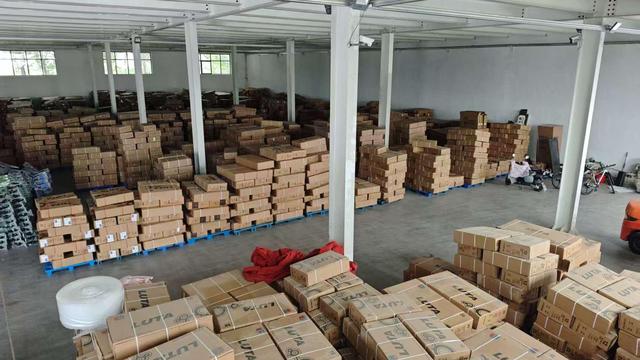
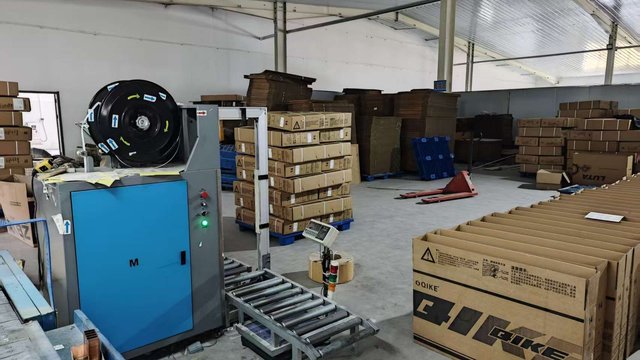
Hangzhou MOAD AUTO Co., Ltd. is a leading professional manufacturer specializing in brake system components, including brake pads, brake rotors, and automotive friction materials. Headquartered in Hangzhou, China, the company integrates advanced research and development, production, strict quality control, and global logistics to provide reliable braking solutions for the international automotive aftermarket and OEM sectors.
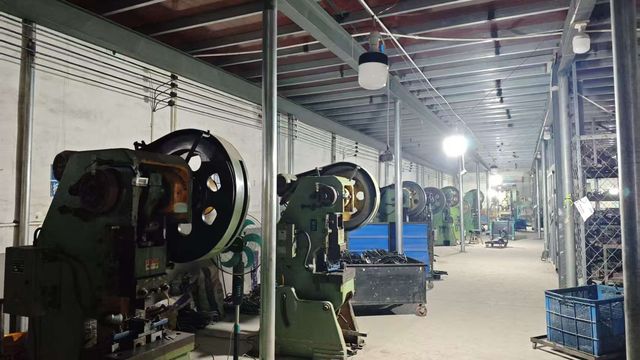
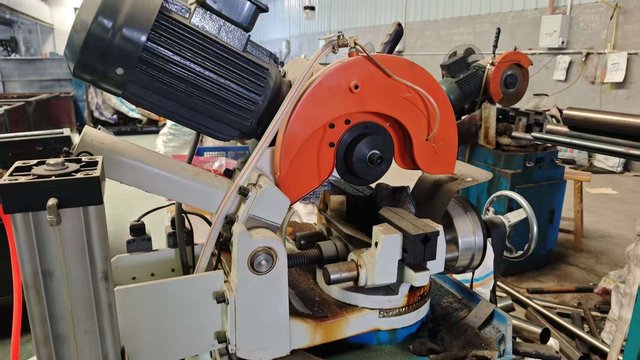
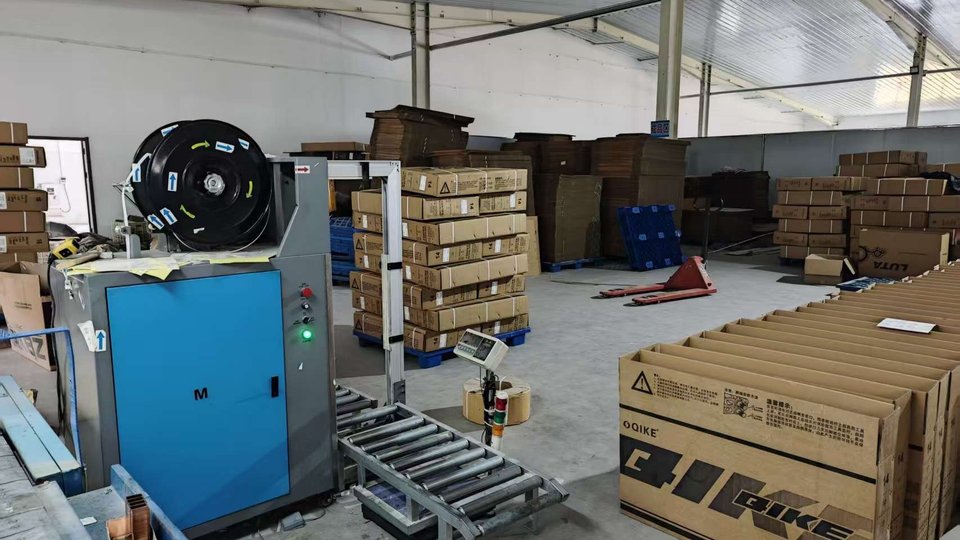
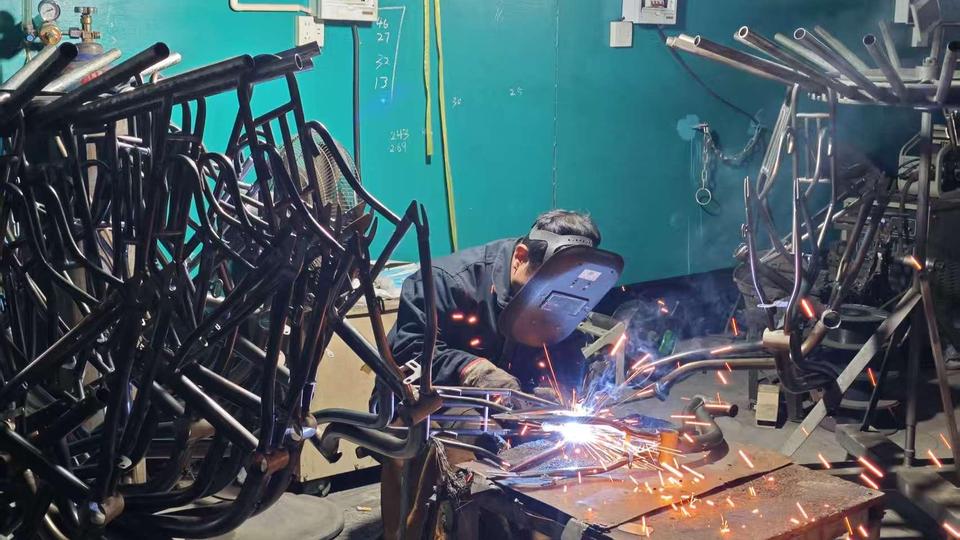
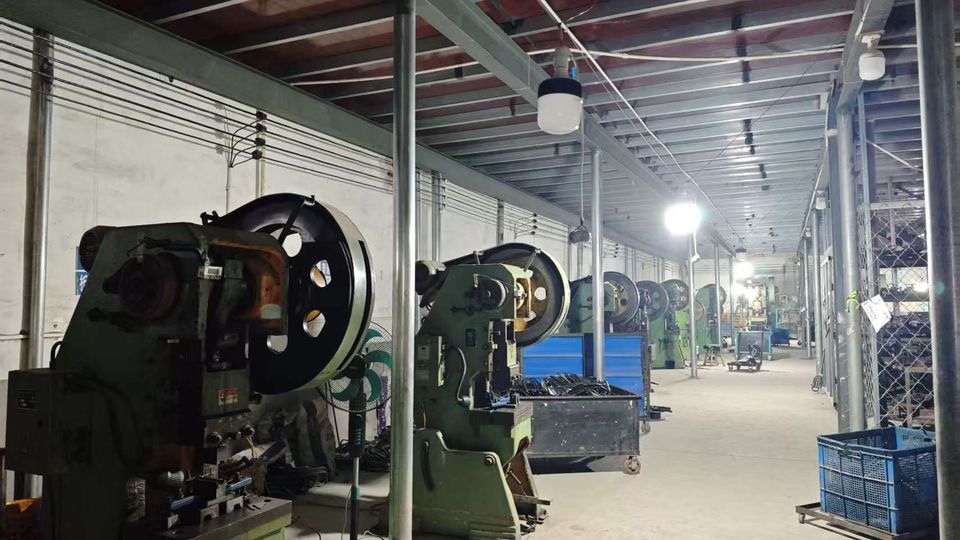
With an expert technical engineering team and modern manufacturing facilities, MOAD AUTO delivers high-performance components that meet international safety, wear life, and NVH (Noise, Vibration, Harshness) requirements. Every step—from mixing raw materials in automated batching plants to high-pressure hot pressing, curing, grinding, and powder coating—is monitored using strict statistical process controls (SPC).
To maintain consistent quality, Hangzhou MOAD AUTO Co., Ltd. invests in automated machinery and advanced testing equipment. All production steps comply with international standards. We perform rigorous shear testing, compressibility testing, and full-scale dynamometer evaluations to guarantee stable friction performance across all operating conditions.
We also provide customized engineering solutions to support OEM partners and global aftermarket distributors. Our services include custom CAD/CAM design for cast-iron brake calipers, tailored friction formulations for heavy-duty commercial haulers, and fast prototyping. Driven by quality, integrity, and safety, MOAD AUTO develops long-term technical partnerships worldwide.

Braking dynamics are not a one-size-fits-all engineering discipline. Frictional demands and thermal stresses vary significantly across different industrial applications:
Heavy duty logistics and multi-axle freight demand brake components that can handle continuous, high-temperature operation. We engineer pneumatic valve manifolds, ABS distribution units, and high-mass brake pads that prevent thermal glazing during steep, heavy descents.
Train deceleration relies on strict mechanical standards (such as DIN 8621). Our components are designed to withstand massive shear stress and operate reliably in extreme winter temperatures, providing consistent performance for passenger and freight rail networks.
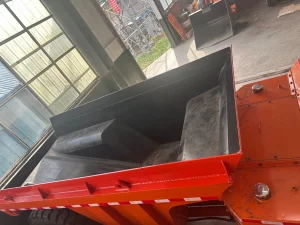
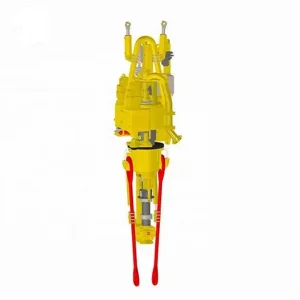
Underground mining loaders, heavy earthmovers, and oil drilling rigs need braking systems that can handle dusty, high-vibration, and wet environments. Our heavy-duty brake calipers and enclosed wet-disc systems provide reliable stopping power, even under FOPS (Falling Object Protective Structures) configurations.
For standard passenger vehicles (such as Toyota, Nissan, and Haval platforms), drivers expect low noise, low dust, and immediate response. Our multi-layered shim designs and ceramic formulas reduce noise frequencies below 15 kHz, virtually eliminating brake squeal.
The next decade will demand cleaner, lighter, and more responsive braking solutions. The engineering roadmap is driven by two main factors: reducing particulate emissions and developing intelligent chassis systems.
Brake dust emissions are a key regulatory target, particularly in Europe. Future standards will measure and limit particulate matter (PM2.5 and PM10) from braking systems. To meet these rules, manufacturers are developing hard-coated brake rotors (such as high-velocity oxygen fuel (HVOF) tungsten carbide coatings) paired with specialized ceramic pads. This pairing reduces wear volume by up to 90%, virtually eliminating airborne brake dust.
Technical guidance for design engineers, procurement specialists, and global distributors seeking high-performance friction and brake systems.
Explore our highly specialized commercial transport friction elements, safety valves, oilfield hardware, and casting solutions.
 MOAD AUTO