The global automotive braking system industry is undergoing its most significant structural shift in a century. Modern systems are no longer purely mechanical or hydraulic setups; they are complex, integrated configurations designed to handle extreme thermomechanical stress, environmental requirements, and electronic control integration. With the rapid expansion of Electric Vehicles (EVs), Hybrid Electric Vehicles (HEVs), and Autonomous Driving technologies, the demand for highly reliable, ultra-responsive OEM and ODM braking components has escalated.
From an industrial perspective, safety compliance standards like FMVSS (Federal Motor Vehicle Safety Standards) in the United States, ECE R90 regulations in Europe, and GB standards in China dictate stringent benchmark tests for brake pads, rotors, chambers, and dynamic control lines. Modern commercial transport, heavy shipping, and passenger fleets demand zero-defect tolerance. Our globalized supply chain operates under these strict guidelines, assuring that raw metallurgical components, high-friction formulations, and safety valves perform consistently under intense industrial pressure.
The geographical distribution of automotive braking manufacturing highlights China as the hub of global production capacity and manufacturing modernization. Advancements in die casting, friction formulation, and robotic assembly have allowed OEM/ODM factories to deliver components that combine cost efficiency with elite engineering standards. This ensures high-performance output for demanding commercial systems across Europe, North America, and emerging markets.
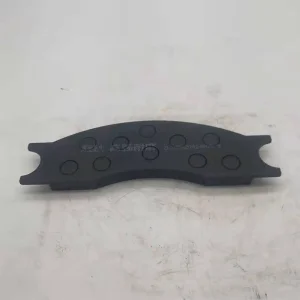
Hangzhou MOAD AUTO Co., Ltd. is a professional manufacturer specializing in brake system components, including brake pads, brake rotors, and automotive friction materials. Located in Hangzhou, China, the company integrates research and development, production, quality control, and global sales to provide reliable braking solutions for international automotive markets.
With a strong technical team and advanced manufacturing facilities, MOAD AUTO is committed to delivering high-performance products that meet strict industry standards for safety, durability, and consistency. Our brake components are widely used in passenger vehicles, commercial vehicles, and various aftermarket applications, ensuring stable braking performance under different driving conditions.
Hangzhou MOAD AUTO Co., Ltd. continuously invests in innovation and process improvement, utilizing modern equipment and precise testing systems to maintain consistent product quality. Every stage of production, from raw material selection to final inspection, is strictly controlled to ensure reliability and long service life.
We also provide customized solutions to meet specific customer requirements, supporting OEM and aftermarket partners with flexible production capabilities and efficient supply chain services. Guided by the principles of quality, integrity, and customer satisfaction, MOAD AUTO is dedicated to building long-term partnerships and delivering dependable brake system solutions to clients worldwide, contributing to safer and more efficient mobility.
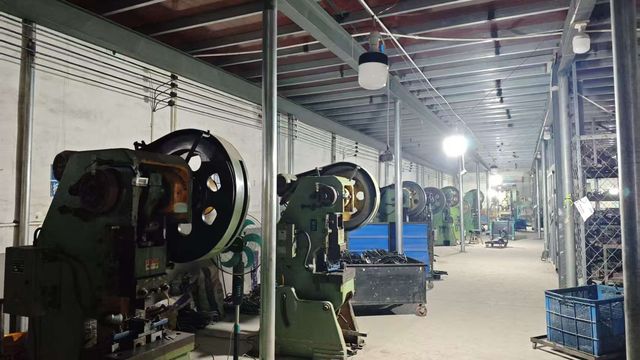
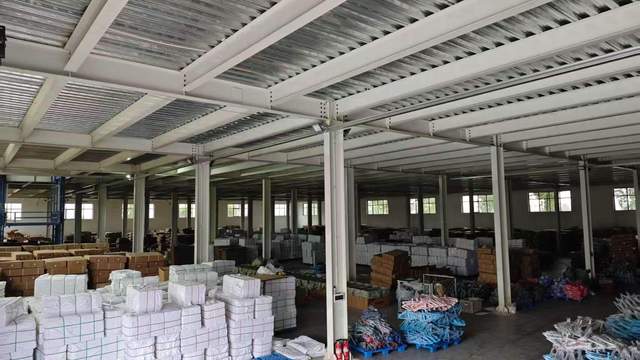
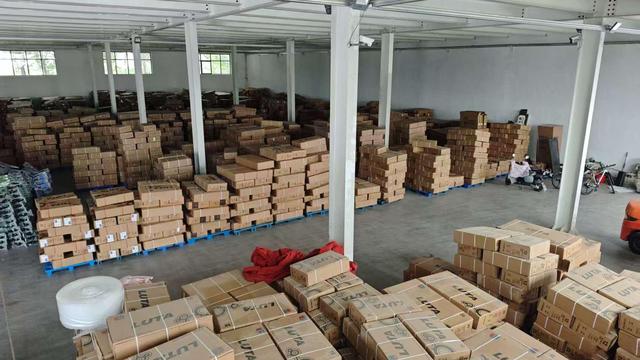
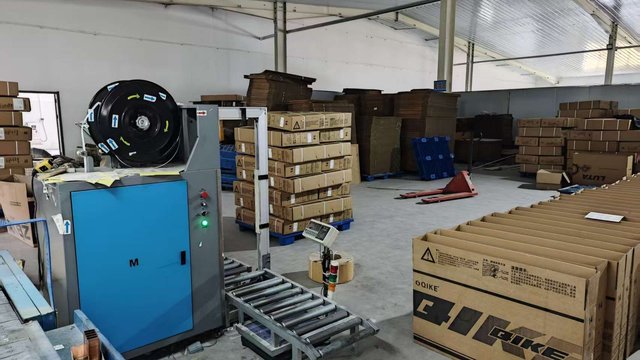
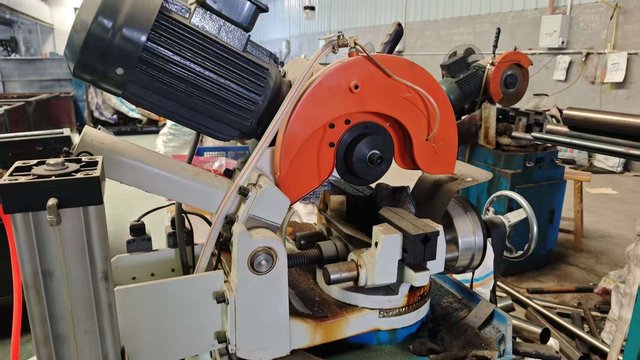
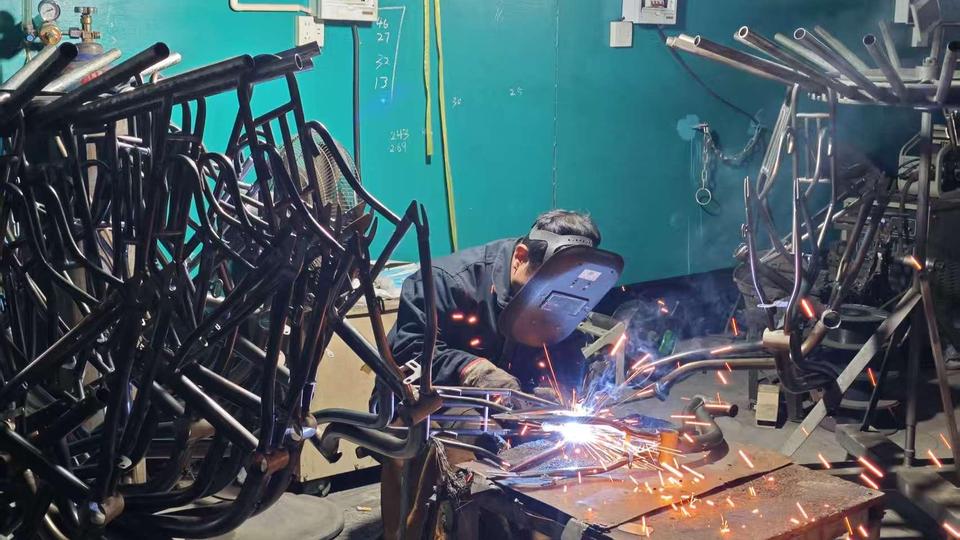
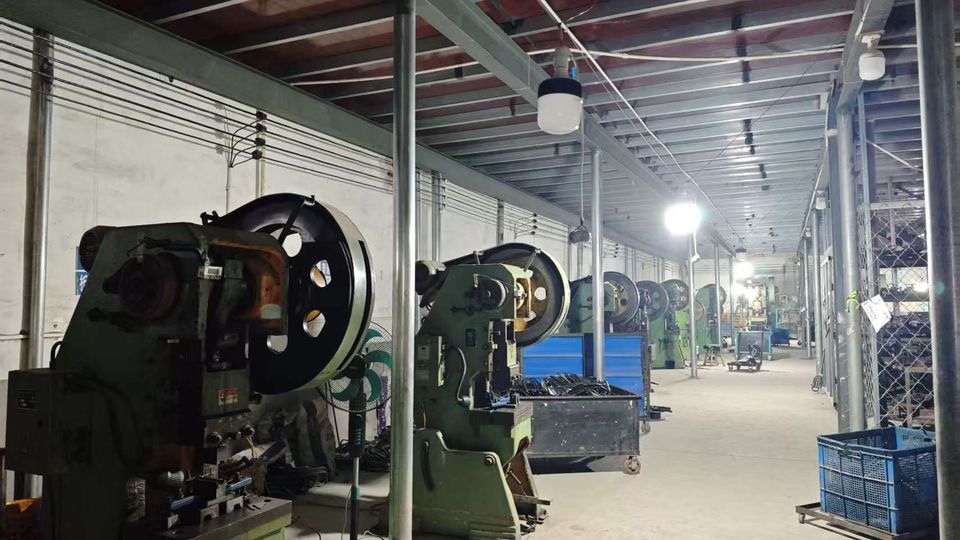
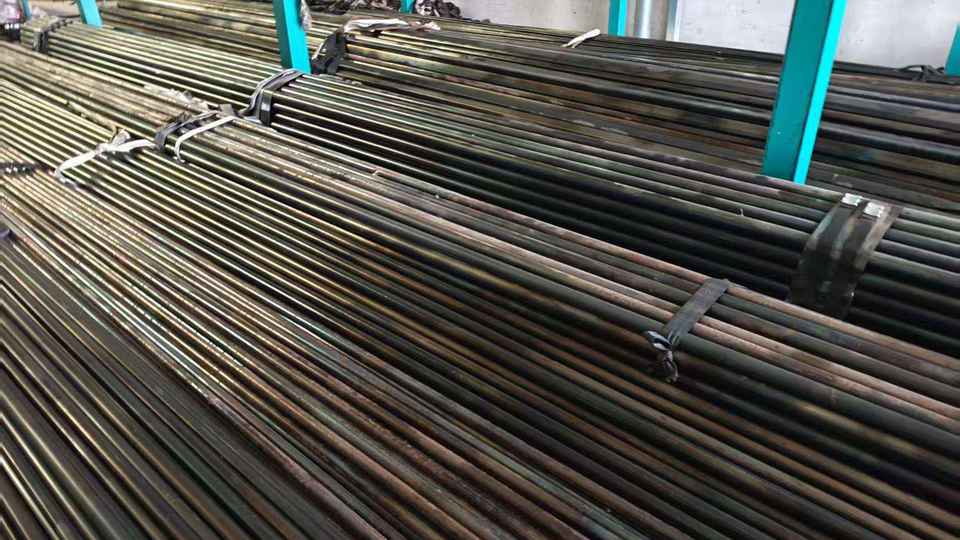
Our manufacturing and processing lines feature high-accuracy machinery, automated testing benches, and advanced metallurgy controls to guarantee quality at scale.
The braking industry is transitioning through distinct technological eras, matching the intelligence and propulsion shifts of vehicles. We map this trajectory through three main criteria: mechanical efficiency, structural longevity, and system communication capability. The integration of electronic controls into air systems and traditional hydraulic pathways is key to these advancements.
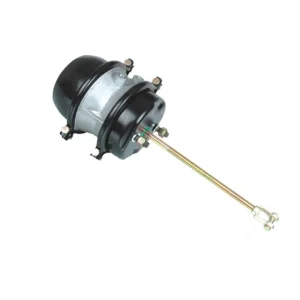
For instance, heavy-duty commercial freight relies heavily on advanced pneumatic loops where components like the T3030dd Brake Chamber and air systems protectors play a critical role in preventing lockups and ensuring consistent pressure regulation. As drive-by-wire gains popularity in autonomous trucking, mechanical pneumatic actuators are evolving to interface with advanced electronic braking systems (EBS).
| Era / Technology Generation | Core Mechanism | Environmental Control Focus | Integration Status |
|---|---|---|---|
| Legacy Mechanical & Hydraulic | Direct pressure, basic hydraulic lines, semi-metallic materials | Thermal dissipation under repetitive high-load stopping | Standard Aftermarket replacement |
| Pneumatic EBS & Smart Protectors | Multi-circuit safety valves, active moisture protection, low-copper friction | Minimizing system leaks, reduction of wear particulates | Current global OEM standard for logistics fleets |
| Electro-Mechanical Brake (EMB) | Brake-by-wire actuator, zero-fluid lines, regenerative blending | Zero emissions, lightweight alloys, micro-dust collection | Emerging OEM phase for EV passenger vehicles |
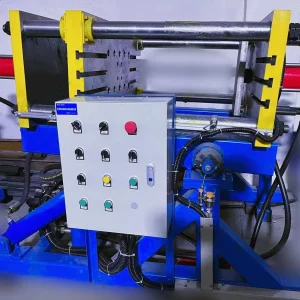
This roadmap highlights the necessity of producing components capable of handling thermal cycling without micro-cracking or structural deformation. Our factory optimizes casting density using high-performance aluminum and zinc die-casting machinery, which reduces overall vehicle unsprung mass while maintaining robust tensile strength.
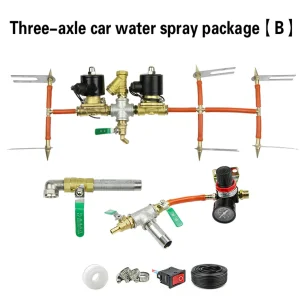
Long-haul trucks crossing mountain ranges or operating in high-humidity zones face extreme brake fading risks. In response, operators utilize customized cooling solutions, such as truck modified water spray systems, to maintain safe hub operating temperatures. This system prevents localized thermal spikes, extending the lifespan of critical parts like drums, rotors, and calipers.
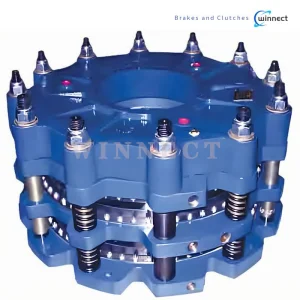
Unlike standard highway transport, off-road applications operate in mud, high dust, and abrasive environments. Agricultural machinery requires high-quality axle castings to support heavy payloads without causing axial deflection. In these heavy-duty environments, industrial water-cooled brake systems (like the WCB series) offer reliable torque transmission and high thermal capacity.
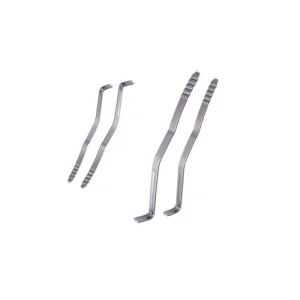
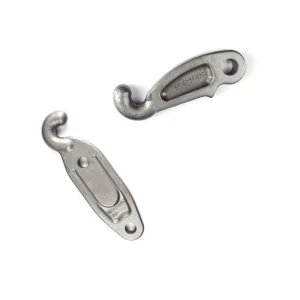
Rail freight and passenger lines demand certified consistency. Components like AAR M-919 certified locomotive brake shoe keys ensure high security under severe vibration and shear stresses. Precision casting of levers and structural link components must adhere to strict international standards to prevent fatigue failure during long service life cycles.
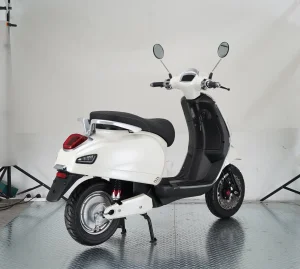
The urban micro-mobility segment requires lightweight brake caliper castings, precise hydraulic lines, and friction formulations tailored for stop-and-go commuting. These components must deliver immediate stopping power under wet and dry conditions, avoiding lockups even on lightweight scooter frames.
As a global OEM/ODM provider, our focus extends beyond manufacturing individual components to developing holistic systems that integrate seamlessly with the modern vehicle chassis.
System Solution A: Clean Air Management & Protection
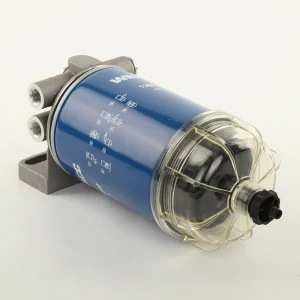
Air systems are the heart of commercial pneumatic brakes. If oil, moisture, or particulate matter enters the air supply line, it can lead to valve corrosion or freezing, risking system failure. Integrating an air system protector preserves the integrity of downstream multi-circuit valves, ensuring prompt reaction times in emergency stopping situations.
System Solution B: Precision Hydraulic Conveying
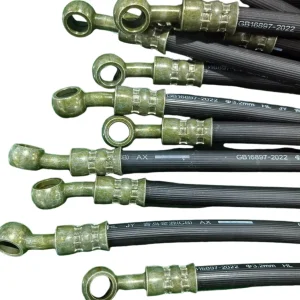
For motorcycles, utility trailers, and performance passenger vehicles, hydraulic pressure transmission must operate without volumetric expansion. Utilizing DOT certified, SAE J1401 compliant PTFE-lined hydraulic brake pipelines prevents pressure loss and maintains pedal feel. This structure resists chemical aging, extreme temperatures, and mechanical stress.
System Solution C: Auxiliary Systems & Materials
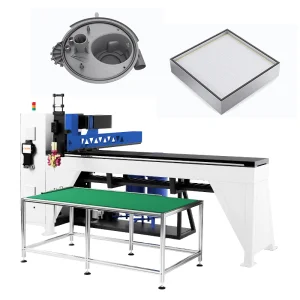
We specialize in providing critical structural components that meet precise engineering tolerances. For example, our custom polyurethane (PU) foam gasket dispensing machinery ensures reliable seal execution on electrical boxes and filters, shielding key electronics from moisture and dirt ingress. High-precision friction discs, such as the Eaton auxiliary series (e.g., 508725), provide reliable kinetic energy absorption for specialized drilling and industrial gear equipment.
 MOAD AUTO