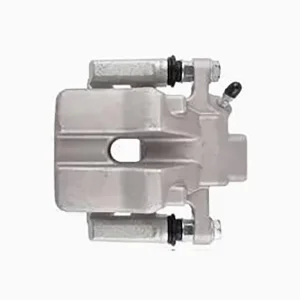
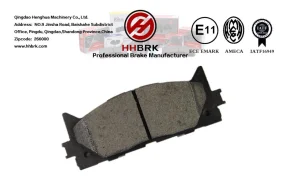
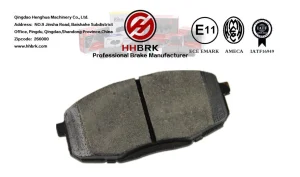
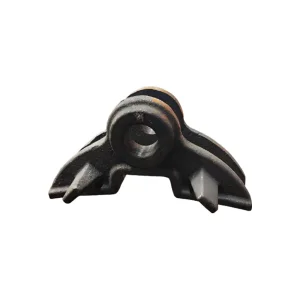
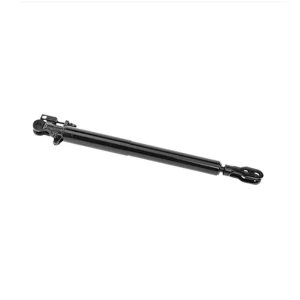
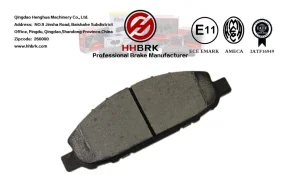
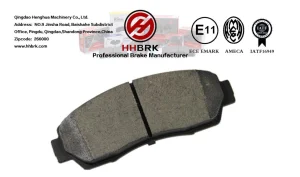
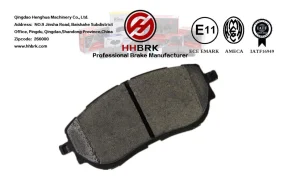
The commercial intent behind this page is not a simple product search. A Novosibirsk distributor, fleet buyer, workshop owner, or private-label brand is usually asking a deeper question: can this factory deliver the right passenger car brake system, at the right landed cost, with batch consistency, technical documentation, packaging discipline, and a realistic logistics route into Siberia? The four products below are practical starting points for a Novosibirsk RFQ, but they should be specified by vehicle platform, axle, brake code, driving profile, target certification, and annual volume rather than by unit price alone.
Novosibirsk is not only a demographic centre; it is a logistics and industrial decision point. As one of Siberia’s largest cities and a key node on the Trans-Siberian Railway, it connects wholesale distributors, repair networks, municipal fleets, construction companies, mining supply chains, agricultural machinery users, and e-commerce sellers across surrounding regions. For brake-system suppliers, this means the city is both a local aftermarket and a redistribution gateway. A part number approved in Novosibirsk may move onward to Omsk, Tomsk, Kemerovo, Barnaul, Krasnoyarsk, and smaller industrial towns where local stock is thinner and buyers rely on trusted regional wholesalers.
The local vehicle parc is mixed. European sedans and SUVs, Japanese and Korean crossovers, Chinese passenger cars, light commercial pickups, and used imported vehicles all compete for workshop attention. This diversity creates a practical procurement problem: coverage without excessive inventory. A distributor cannot stock every possible pad and caliper variant, so the winning factory partner must help build a rational fitment matrix, support mixed-container orders, and provide clear product data, photos, dimensions, and application notes. For Novosibirsk, the most valuable supplier is not merely the one with the lowest quotation; it is the one that reduces guessing, returns, installation complaints, and dead stock.
Winter conditions amplify technical requirements. Road salt, sand, slush, freeze-thaw cycles, and long idling periods can affect caliper pistons, guide pins, pad backing plates, shims, and friction surfaces. Drivers expect predictable cold braking, low noise, moderate dust, and stable pedal feel. Taxi and ride-hailing fleets add high-cycle stop-and-go duty, while intercity drivers and logistics operators demand fade resistance and consistent wear. For this reason, a semantic-search-optimized brake-system page should speak not only to product names but to real search intent: “winter brake pads for Novosibirsk,” “semi-metal vs ceramic for Siberia,” “brake caliper supplier for Ford Ranger,” “low-noise pads for taxi fleet,” and “China brake factory export to Russia.”
Local business demand is also shaped by procurement behaviour. Distributors want private-label packaging and stable repeat batches. Repair chains want quick reference by vehicle model and axle. Fleet garages want documentation, warranty clarity, and dependable replenishment. Online sellers want clean images, barcodes, and market-specific descriptions. The same factory must therefore combine manufacturing discipline with export communication discipline. That is where a focused Chinese brake-system factory and exporter can add measurable value to the Novosibirsk market.
The global passenger car brake-system industry is driven by safety regulation, vehicle mix, electrification, aftermarket consolidation, and supply-chain resilience. Brake pads, brake calipers, rotors, hoses, sensors, and related friction components are safety-critical parts. Buyers therefore evaluate suppliers across a wider matrix than price: friction coefficient stability, cold and hot performance, noise, vibration and harshness control, dust, wear rate, corrosion resistance, rotor friendliness, packaging protection, batch traceability, and document completeness.
In mature markets, regulatory and customer expectations are formalized through standards and approval processes. Depending on the destination market and product claim, buyers may request ECE R90-related friction approval, IATF 16949 or ISO 9001 quality-system evidence, REACH and RoHS documentation, material safety data, batch traceability, and packaging tests. In CIS and Russian aftermarket channels, buyers often combine formal documents with practical field feedback: how the pad behaves in winter, whether it squeals after salt exposure, whether the caliper piston retracts cleanly, and whether the box survives multimodal handling.
Global procurement demand is shifting from transactional buying toward risk-managed sourcing. Distributors want fewer supply surprises. Fleet operators want consistent stopping performance across batches. Private-label brands want packaging and product differentiation without losing engineering credibility. This creates an opportunity for factories that can document their process, respond to technical questions quickly, and support RFQs with clear specifications rather than vague catalog claims.
At the same time, the global aftermarket is not uniform. North American buyers may emphasize pickup and SUV coverage, European buyers focus on ECE compliance and low-dust performance, Middle East buyers prioritize heat resistance, and Siberian buyers pay close attention to cold-climate behaviour and corrosion. A factory serving multiple regions must therefore avoid “one-size-fits-all” friction formulations. The better approach is a platform-based portfolio: semi-metal friction for robust everyday performance and load-bearing use, ceramic friction for lower dust and comfort-oriented applications, and caliper families that match popular vehicle platforms.
For Novosibirsk buyers, global benchmarking is useful but not sufficient. The market rewards suppliers who understand landed cost, customs documentation, mixed SKU consolidation, rail-road logistics, and after-sales communication. A quotation that looks attractive at EXW may become less attractive after packaging damage, missing certificates, or slow technical replies. The real competitive advantage belongs to factories that treat export as an engineering and service process, not just a shipment.
China’s brake-system manufacturing base benefits from an unusually dense industrial ecosystem. Friction materials, castings, machining, rubber seals, shims, surface treatment, packaging, tooling, and testing services are often located within a manageable supplier radius. This proximity compresses development cycles. A new private-label pad program, a caliper finish adjustment, a shim change, or a packaging update can move from drawing to sample to pilot batch faster than in fragmented supply chains. The efficiency advantage is therefore not only labour cost; it is coordination speed.
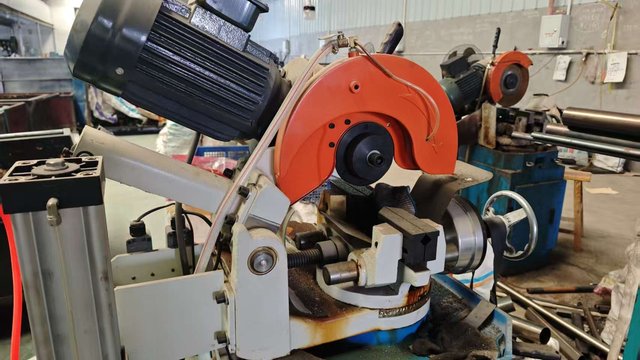
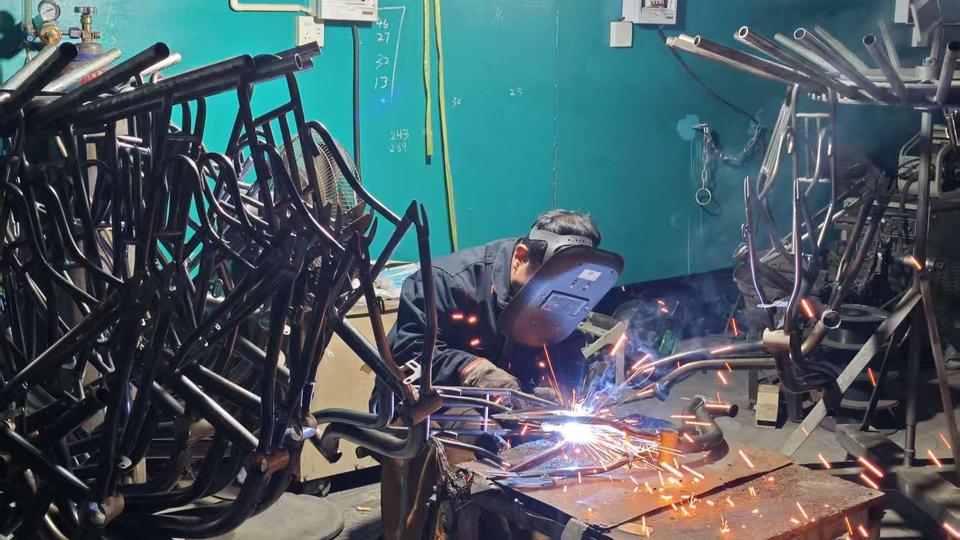
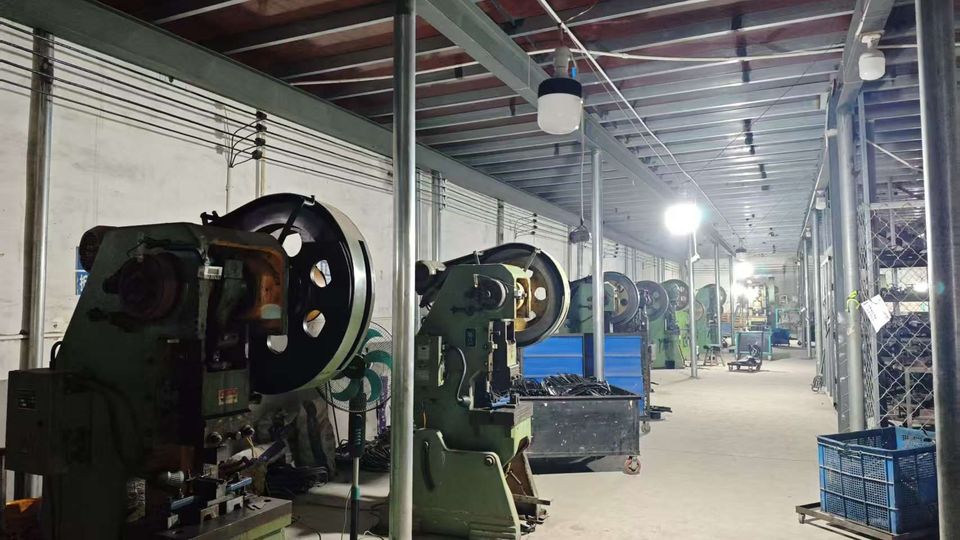
Hangzhou MOAD AUTO Co., Ltd., as a brake-system manufacturer based in Hangzhou, China, integrates research and development, production, quality control, and global sales. This integrated model is important for Novosibirsk buyers because it allows technical questions, samples, production planning, and export documents to be handled through one commercial and engineering channel. When a distributor needs a mixed shipment of passenger car brake pads and selected calipers, or a fleet buyer needs repeatability across several vehicle platforms, an integrated factory can consolidate specifications, packaging, and inspection before shipment.
Chinese factories also tend to be strong in flexible order configuration. Buyers can often combine different SKUs, labels, languages, and carton configurations in one production plan, subject to MOQ and material availability. For a Novosibirsk distributor, this flexibility can reduce inventory risk: instead of committing to one large slow-moving batch, the buyer can build a balanced container with fast-moving pads, selected calipers, and complementary service items. The key is to plan early and provide accurate annual demand forecasts, because efficiency comes from coordination rather than last-minute changes.
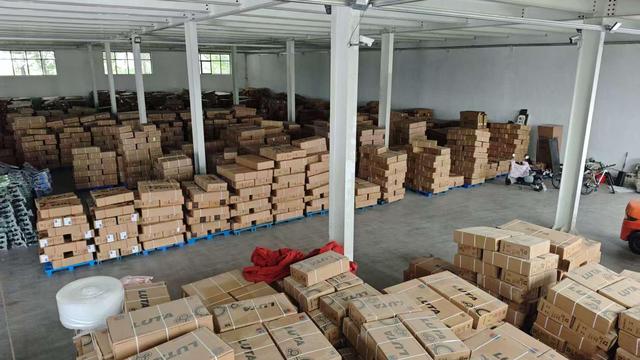
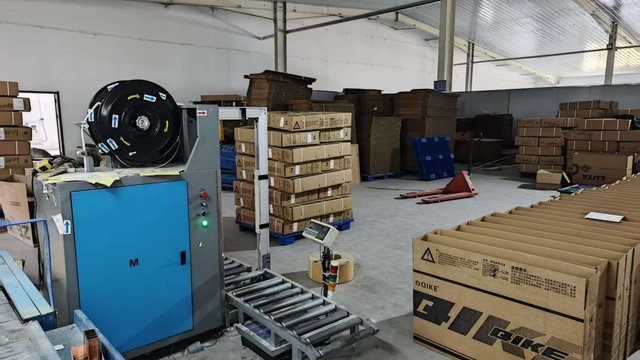
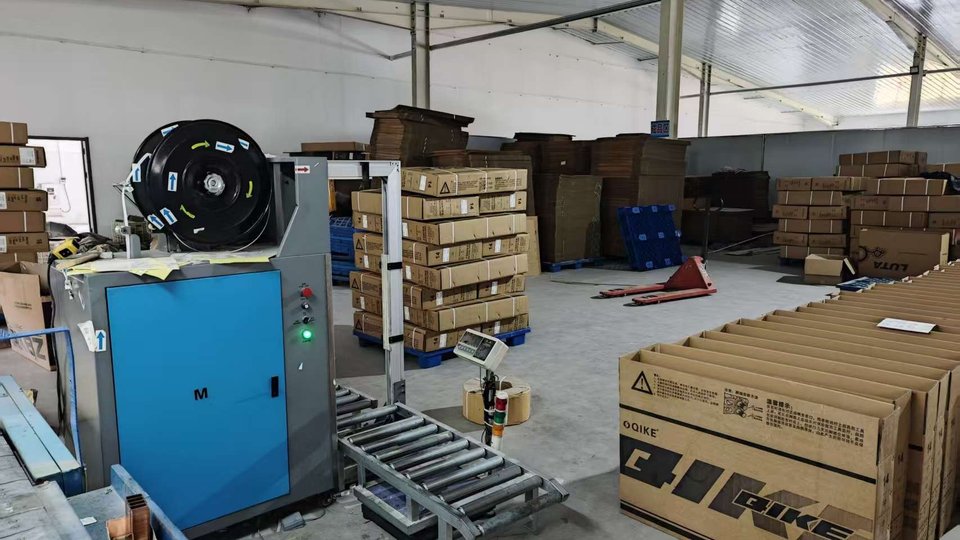
Another advantage is export learning. Experienced Chinese brake exporters understand common RFQ requirements: model-year mapping, brake code confirmation, packing lists, HS codes, commercial invoices, certificate of origin, carton marks, palletization, and photo inspection before shipment. They also understand that goods moving to Siberia may face long transit, multiple handling points, and cold-weather storage. Packaging must therefore be engineered for moisture, impact, and label durability. Efficiency without packaging discipline is false efficiency; the best factories treat protective packaging as part of product quality.
That said, professional buyers should verify rather than assume. Ask for factory audit evidence, production photos, test reports, sample evaluation records, and references where available. A credible factory will welcome technical questions. A credible buyer will specify the vehicle application, target market, expected annual volume, certification needs, and packaging standard. This mutual clarity is the foundation of a reliable China–Novosibirsk supply relationship.
Faster sample review, fitment clarification, material discussion, and packaging customization for distributor programs.
Consolidated production and container loading can reduce inventory risk for Novosibirsk wholesalers and repair chains.
Export paperwork, carton marks, inspection photos, and batch records help reduce customs and after-sales friction.
Daily commuter cars and crossovers. Novosibirsk drivers face winter cold, road salt, and frequent short trips. A pad that works well only when hot is a poor match. Buyers should prioritize predictable cold friction, corrosion-resistant backing plates, stable shims, and low noise after salt exposure. Ceramic and well-formulated semi-metal options can both work, but the final choice depends on vehicle weight, driver expectations, rotor condition, and price positioning.
Taxi and ride-hailing fleets. High mileage and stop-and-go duty make noise, dust, and wear visible to drivers and customers. Fleet managers often prefer a balanced semi-metal or ceramic product with consistent pedal feel and predictable wear. For these accounts, batch consistency matters more than a dramatic one-off sample result. A factory that can hold tolerance across repeat orders becomes a strategic supplier.
Repair shops and multi-brand workshops. Workshops need coverage, clear application data, and fast availability. They do not want to explain to a customer why a pad fitted to a popular crossover squeals after two weeks. Product cards should be supported by vehicle fitment notes, brake code references, and packaging that protects the shims and hardware. For Novosibirsk, local language support and quick technical replies can be as valuable as a small price difference.
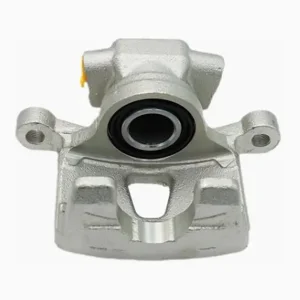
Used imported vehicles and performance platforms. The original product portfolio includes caliper applications associated with vehicles such as BMW Z4, Mercedes-AMG GT, Ford Ranger, and Nissan Navara. These examples illustrate an important market reality: Novosibirsk buyers may need aftermarket support for European performance cars, pickups, and crossovers imported from other regions. Caliper fitment must be confirmed by OEM number, mounting points, piston diameter, brake disc thickness, and vehicle-year range. A photo alone is not enough.
Municipal, utility, and logistics fleets. These buyers value uptime. They need documented specifications, stable packaging, and a supplier who can respond when a replenishment order is urgent. In winter, brake service can be delayed by weather and workshop congestion, so planning should start before the peak season. A proactive factory can help ship early, consolidate SKUs, and prepare inspection records before the Novosibirsk winter rush.
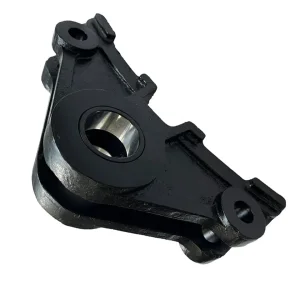
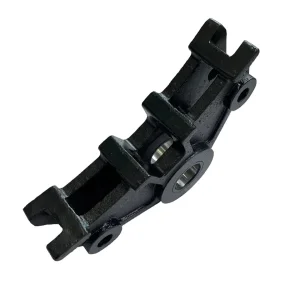
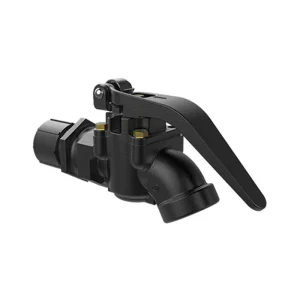
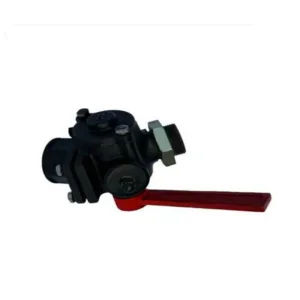
Rail and industrial accounts. The original portfolio also includes railway braking components, block holders, angle cocks, coupling cocks, and slack adjusters. These products support distributors and industrial buyers who serve rail depots and wagon maintenance operations. While the primary focus of this page is passenger car brake systems, retaining these complementary products helps a diversified Novosibirsk importer serve multiple maintenance channels without changing suppliers.
Beyond the four starting products above, these SKUs help distributors build a more complete passenger-car brake program. They are especially relevant for workshops that need coverage across daily drivers, family SUVs, and comfort-oriented vehicles. Each product link is retained exactly from the original portfolio so buyers can move directly from market research to product review and inquiry.
For safety-critical brake products, trust must be engineered. A professional supplier should be able to explain how incoming raw materials are verified, how friction formulations are controlled, how batches are mixed and pressed, how heat treatment and surface protection are managed, and how finished parts are inspected. The exact process depends on the product family, but the principle is consistent: evidence before claims. Buyers should ask for product-specific information rather than accept generic statements such as “high quality” or “best price.”
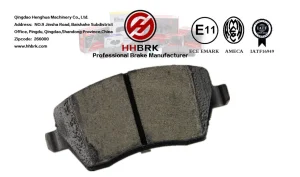
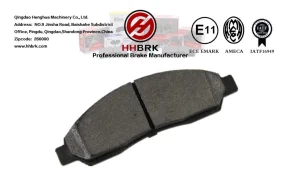
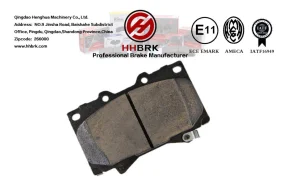
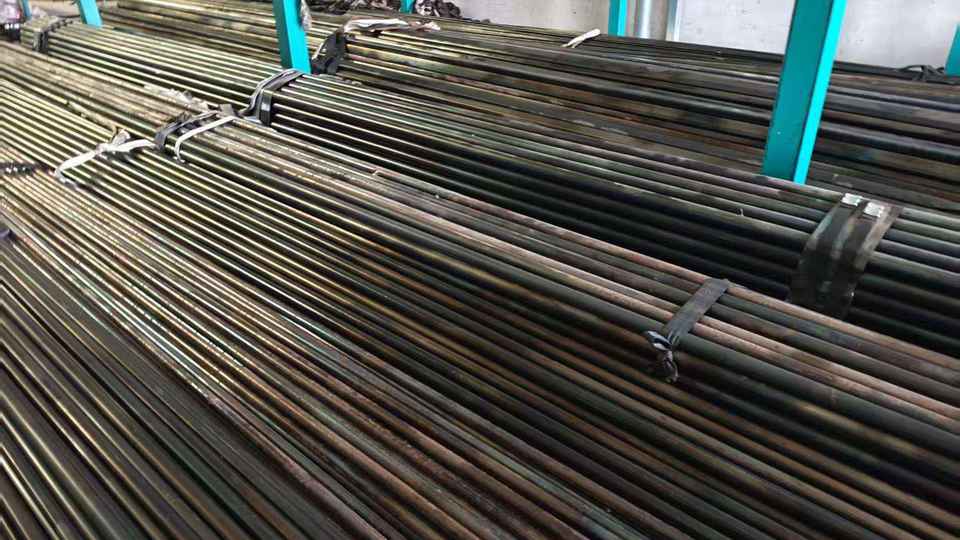
For brake pads, useful validation points include friction coefficient stability, cold and hot performance, compressibility, shear strength, hardness, wear behaviour, noise and vibration evaluation, dust tendency, backing-plate corrosion protection, shim adhesion, and packaging protection. For calipers, important factors include casting quality, machining accuracy, piston and seal compatibility, guide-pin protection, pressure testing, surface finish, and fitment confirmation. For railway components in the original portfolio, buyers should request material grades, dimensional inspection, and application-specific standards where applicable.
Documentation supports E-E-A-T because it makes the supply chain auditable. Depending on the product and destination, a buyer may request ISO 9001 or IATF 16949 evidence, ECE R90-related information, material declarations, REACH and RoHS statements, inspection reports, batch codes, packing lists, certificates of origin, and commercial invoices. A credible supplier will be precise about what is available, what is product-specific, and what must be confirmed before order. This transparency is more valuable than overbroad certification claims.
| Buyer Concern | Practical Evidence to Request | Why It Matters in Novosibirsk |
|---|---|---|
| Cold braking confidence | Friction formulation data, cold-performance test discussion, field feedback, sample evaluation plan | Winter starts and early driving require predictable response before full brake temperature is reached. |
| Corrosion and salt resistance | Backing-plate coating specification, salt-spray or corrosion test information where available, shim and piston protection | Road salt and slush can accelerate visible corrosion and affect long-term serviceability. |
| Batch consistency | Batch code, mixing records, process controls, inspection reports, retained samples | Repeat orders for fleets and distributors must behave consistently across seasons. |
| Noise and dust | NVH evaluation, shim design, friction material type, vehicle application notes | Taxi, ride-hailing, and premium vehicle owners notice squeal and dust quickly. |
| Fitment accuracy | OEM reference, dimensions, vehicle-year range, axle position, installation notes | Mixed vehicle parc and imported cars increase the risk of wrong-part returns. |
| Export readiness | Carton drop protection, moisture barrier, labels, HS codes, packing list, pre-shipment photos | Long multimodal transit to Siberia requires packaging that protects safety-critical parts. |
Electric and hybrid vehicles use friction brakes less often, but low-use conditions can increase corrosion and noise risk. Buyers will increasingly value friction materials that remain clean and responsive in mixed-use duty.
Vehicle weight and performance increase thermal load. Caliper strength, pad fade resistance, and rotor compatibility become more important in product selection.
Workshops, fleets, and consumers increasingly ask about dust, noise, and material declarations. Environmental documentation is becoming part of commercial evaluation.
Batch codes, QR labels, inspection photos, and digital product data help distributors manage recalls, warranty conversations, and repeat orders.
Distributors want their own brand, language, barcodes, and carton design without losing technical credibility. Packaging becomes a marketing asset.
Buyers evaluate total landed cost, container fill rate, rail-road routing, seasonal stock planning, and supplier responsiveness — not just FOB price.
Define the application profile. Identify vehicle platforms, annual demand, winter duty, fleet versus retail positioning, and target price band.
Validate the technical path. Confirm semi-metal or ceramic direction, caliper fitment, certification needs, and sample evaluation criteria.
Design the order structure. Plan mixed SKUs, MOQ, private-label packaging, carton marks, and inspection points before production.
Control the shipment. Review pre-shipment photos, packing list, documents, and palletization to reduce transit and customs friction.
Review field results. Collect workshop feedback, return reasons, noise reports, and wear observations to refine the next order.
Global buyers increasingly treat brake-system sourcing as a risk-management exercise. They want a supplier who can answer technical questions, hold repeatable quality, protect the brand with good packaging, and provide documents that support customs and after-sales processes. This is especially true for distributors serving multiple vehicle brands and for fleet operators who cannot afford inconsistent brake behaviour across vehicles.
The strongest RFQs usually include clear volumes by SKU, target certification, sample requirements, packaging language, label design, and delivery schedule. Buyers also compare factories on responsiveness. A supplier that replies with a precise question list is often more credible than one that immediately promises the lowest price. Engineering dialogue is a leading indicator of long-term reliability.
For Novosibirsk, procurement demand is also seasonal. Winter preparation, fleet maintenance cycles, and year-end inventory planning can create peaks. Buyers should share forecasts early, reserve production capacity, and consider mixed containers that balance fast-moving brake pads with selected calipers and complementary products. A factory with flexible production planning can help smooth these peaks, but only if the buyer provides realistic demand data.
Finally, global buyers expect transparent boundaries. A good supplier states what is standard, what is optional, what requires new tooling, what certification is product-specific, and what lead time is realistic. This honesty protects both sides. In safety-critical categories, reliability of communication is part of product reliability.
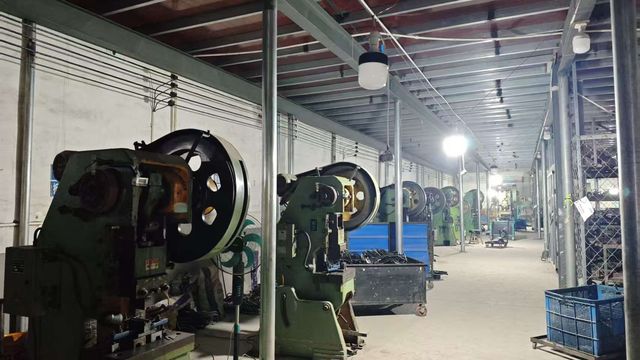
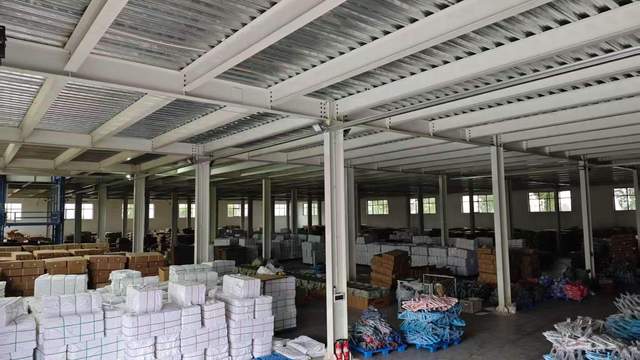
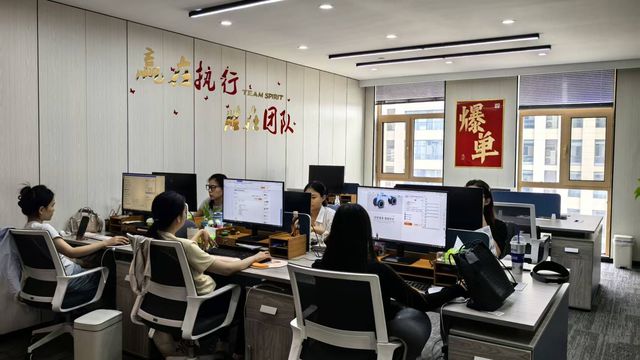
Hangzhou MOAD AUTO Co., Ltd. is a professional manufacturer specializing in brake system components, including brake pads, brake rotors, and automotive friction materials. Located in Hangzhou, China, the company integrates research and development, production, quality control, and global sales to provide reliable braking solutions for international automotive markets.
With a strong technical team and advanced manufacturing facilities, MOAD AUTO is committed to delivering high-performance products that meet strict industry standards for safety, durability, and consistency. Our brake components are widely used in passenger vehicles, commercial vehicles, and various aftermarket applications, ensuring stable braking performance under different driving conditions.
Hangzhou MOAD AUTO Co., Ltd. continuously invests in innovation and process improvement, utilizing modern equipment and precise testing systems to maintain consistent product quality. Every stage of production, from raw material selection to final inspection, is strictly controlled to ensure reliability and long service life.
We also provide customized solutions to meet specific customer requirements, supporting OEM and aftermarket partners with flexible production capabilities and efficient supply chain services. Guided by the principles of quality, integrity, and customer satisfaction, MOAD AUTO is dedicated to building long-term partnerships and delivering dependable brake system solutions to clients worldwide, contributing to safer and more efficient mobility.
Yes, provided the product is correctly specified. Novosibirsk winters require predictable cold friction, corrosion protection, stable shims, and good noise control after salt exposure. Buyers should avoid choosing by price alone and should request product-specific cold-performance discussion, sample evaluation, and application confirmation for the target vehicle platforms.
Semi-metal pads are often selected for robust everyday performance, load-bearing use, and cost-sensitive applications. Ceramic pads can offer lower dust and comfort advantages for passenger cars and premium vehicles. The right choice depends on vehicle weight, driving profile, rotor condition, customer expectations, and target price. A mixed portfolio is usually more commercially effective than a single material strategy.
Document availability depends on the product and destination market. Common requests include ISO 9001 or IATF 16949 evidence where applicable, ECE R90-related information for relevant friction products, material declarations, REACH and RoHS statements, inspection reports, packing lists, certificates of origin, and commercial invoices. A professional supplier should clearly distinguish between standard documents and product-specific approvals.
MOQ and lead time depend on the SKU mix, packaging, private-label requirements, and whether tooling or new material development is needed. For mixed orders, factories usually need a clear annual forecast and a confirmed container plan. Buyers should request a written production schedule before deposit and allow additional time for inspection and logistics during peak seasons.
Ask for batch codes, production records, raw-material controls, inspection reports, and retained samples. For repeat orders, request the same material specification and packaging standard. Pre-shipment photos and sealed samples can help both parties compare future shipments. Traceability is not a single certificate; it is a process of records and communication.
Yes, private-label packaging, multilingual labels, barcodes, carton marks, and distributor brand designs can usually be discussed, subject to MOQ and artwork approval. For Novosibirsk, packaging should be designed for long transit, cold storage, moisture protection, and clear identification. Buyers should provide final artwork, label rules, and market-specific information before production.
Shipment mode depends on volume, urgency, and the buyer’s logistics partner. Common options include rail-road multimodal transport, trucking through border crossings, and consolidated container shipping with onward delivery. The supplier should prepare robust export packing and complete documents. Buyers should confirm Incoterms, customs responsibilities, and transit insurance before order confirmation.
The original product portfolio includes caliper references associated with these vehicle families. Fitment must be confirmed by OEM number, vehicle year, axle position, brake disc specification, mounting points, and piston configuration. Do not rely on the vehicle name alone. Send a clear enquiry with VIN or brake code where possible, and request a fitment confirmation before ordering.
Yes. A technical selection process can start from VIN, OEM number, brake code, photos of the old part, dimensions, and vehicle details. The more precise the input, the lower the risk of a wrong fitment. For fleet or distributor programs, a fitment matrix with annual demand is the most efficient way to build a balanced order.
Yes. The original portfolio includes railway braking components such as block holders, angle cocks, coupling cocks, and slack adjusters. These products are relevant for diversified distributors and industrial buyers serving rail maintenance channels. They should be quoted separately from passenger car brake pads and calipers, with application-specific dimensional and material confirmation.
The original product portfolio also includes railway and industrial braking components plus additional ceramic pad options. These eight products are retained for buyers who serve diversified maintenance, wagon, depot, workshop, and aftermarket channels. The passenger car brake-system focus remains the primary Novosibirsk opportunity, while this broader portfolio supports distributors that sell into multiple maintenance categories.
 MOAD AUTO