Premium metal casting and 3D printing components configured for heavy duty, aerospace, and motorsport performance demands.
Rwanda is rapidly positioning itself as the technology and logistics hub of East Africa. Under the umbrella of the Kigali Special Economic Zone (KSEZ) and national initiatives like Vision 2050, the country is transitioning from an import-dependent economy into an active assembly and manufacturing node. The entry of major global automotive players assembling passenger cars and commercial fleets in Kigali has catalysed a critical need for local, regional, and global supply lines of safety-critical parts.
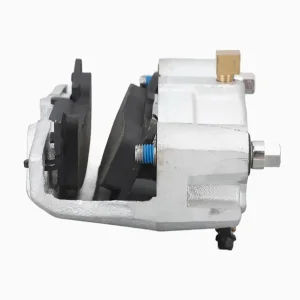
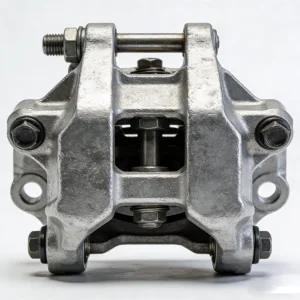
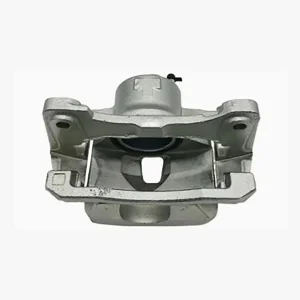
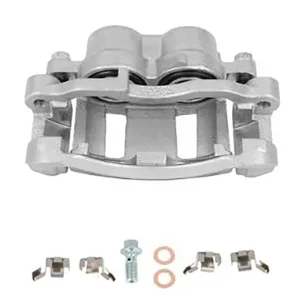
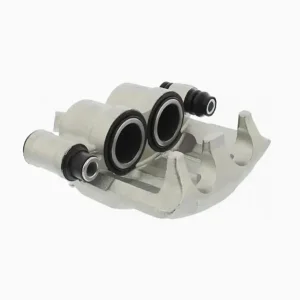
Brake systems, and specifically brake calipers, represent the peak of safety-critical engineering. Due to Rwanda's notoriously hilly and mountainous geography, local logistics vehicles, public transport fleets, and personal automobiles undergo extreme braking cycles. High duty-cycle operations under steep descents subject caliper castings to severe thermal fatigue and mechanical stress. Sourcing caliper components with high thermal dissipation capacities, precise casting grain structures, and certified metallurgy is no longer optional—it is a regulatory and functional baseline.
Failure Tolerance in Safety Critical Castings
Strict Manufacturing Quality Standard
Corrosion Protection via Advanced Coating
Logistical Hub via KSEZ Corridors
Modern vehicle architectures—including hybrid power units, Battery Electric Vehicles (BEVs), and heavy industrial machinery—have shifted the design paradigms of brake caliper components. The integration of regenerative braking in modern vehicles reduces continuous friction braking events, yet places extreme demands on the mechanical systems during panic stops or cold runs. Additionally, reducing unsprung mass has become a paramount design metric to improve EV driving range and vehicle dynamics.
These requirements have driven advanced manufacturing technologies to the forefront:
To support high-stress mechanical designs, it is vital to balance weight, thermal limits, and cost-effectiveness. Below is an engineering comparison of the primary materials used in modern brake caliper housings and bracket assemblies:
| Material Category | Tensile Strength (MPa) | Thermal Conductivity (W/m·K) | Weight Reduction vs Cast Iron | Primary Industrial Application |
|---|---|---|---|---|
| Grey Cast Iron (GG25) | 220 - 260 | 45 - 50 | Baseline (0%) | Heavy Passenger, Commercial Fleets |
| Ductile Cast Iron (GJS500) | 450 - 520 | 35 - 38 | 10% - 15% | Dual Piston, Heavy Off-Road Vehicles |
| Aluminum Alloy (A356/ADC12) | 240 - 290 | 140 - 160 | 35% - 45% | High Performance EVs, Custom Engineering |
| Titanium Alloy (Ti-6Al-4V) | 890 - 950 | 6.7 - 7.5 | 40% - 50% | High-End Motorsport, Aerospace Prototypes |
Engineered to sustain continuous high-frequency braking operations in rugged terrains and high-performance environments.
Hangzhou MOAD AUTO Co., Ltd. integrates advanced metallurgical labs and precision CNC lines to export dependable braking systems globally.
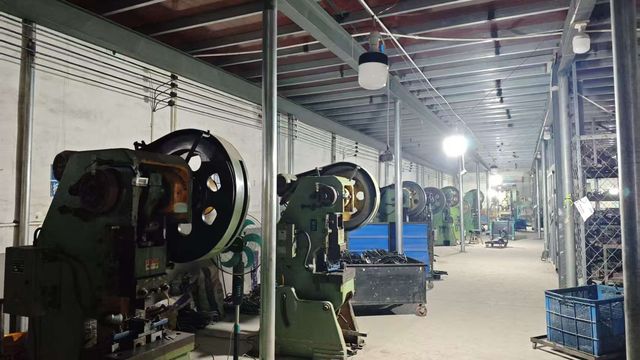
Hangzhou MOAD AUTO Co., Ltd. is a professional manufacturer specializing in brake system components, including brake pads, brake rotors, and automotive friction materials. Located in Hangzhou, China, the company integrates research and development, production, quality control, and global sales to provide reliable braking solutions for international automotive markets.
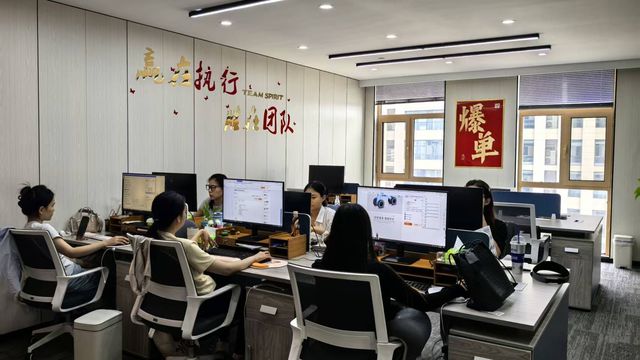
With a strong technical team and advanced manufacturing facilities, MOAD AUTO is committed to delivering high-performance products that meet strict industry standards for safety, durability, and consistency. Our brake components are widely used in passenger vehicles, commercial vehicles, and various aftermarket applications, ensuring stable braking performance under different driving conditions.
Hangzhou MOAD AUTO Co., Ltd. continuously invests in innovation and process improvement, utilizing modern equipment and precise testing systems to maintain consistent product quality. Every stage of production, from raw material selection to final inspection, is strictly controlled to ensure reliability and long service life.
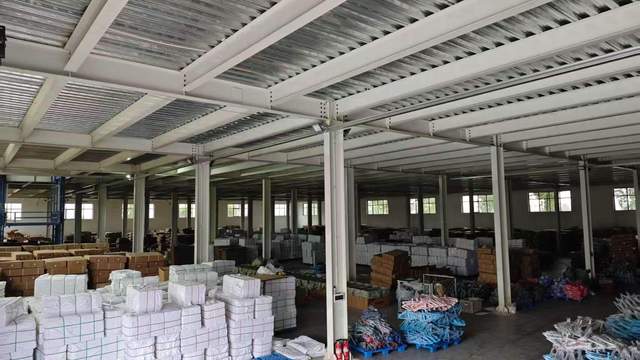
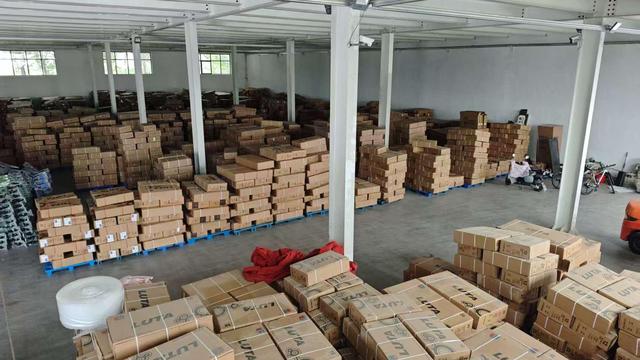
We also provide customized solutions to meet specific customer requirements, supporting OEM and aftermarket partners with flexible production capabilities and efficient supply chain services. Guided by the principles of quality, integrity, and customer satisfaction, MOAD AUTO is dedicated to building long-term partnerships and delivering dependable brake system solutions to clients worldwide, contributing to safer and more efficient mobility.
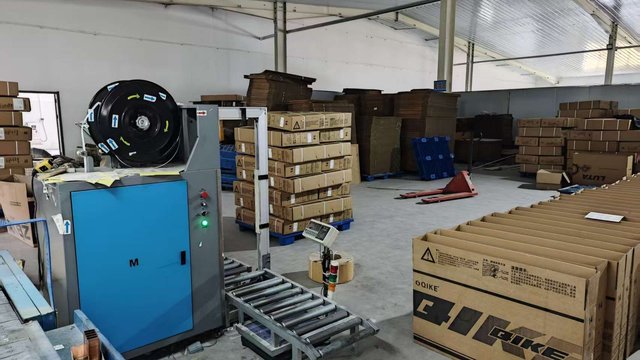
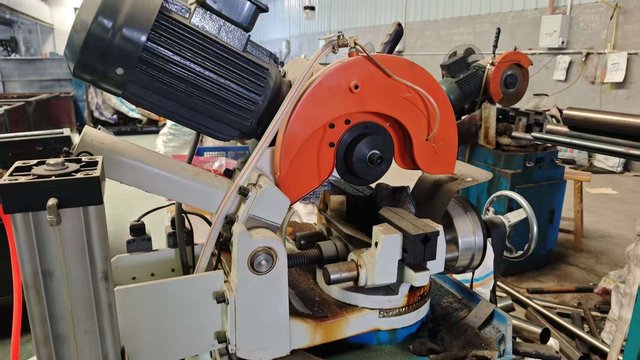
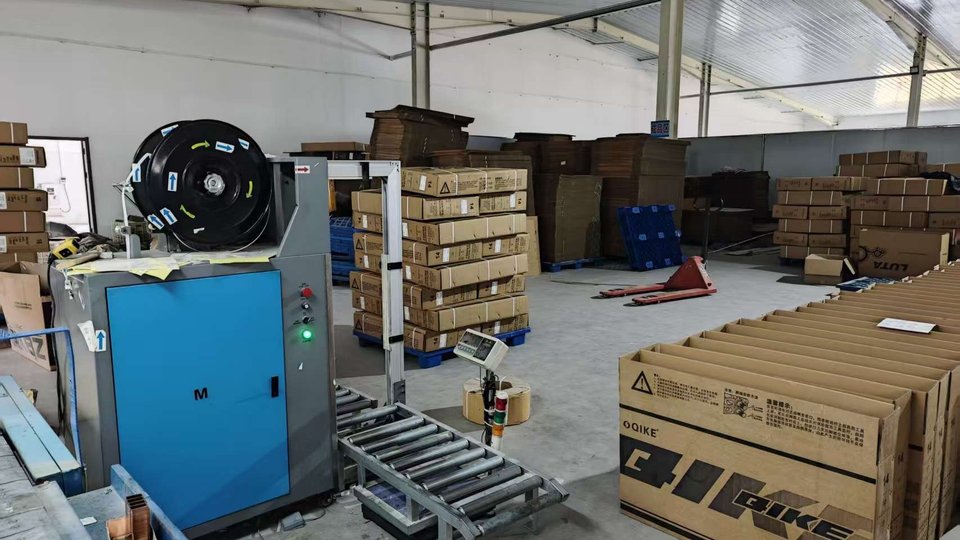
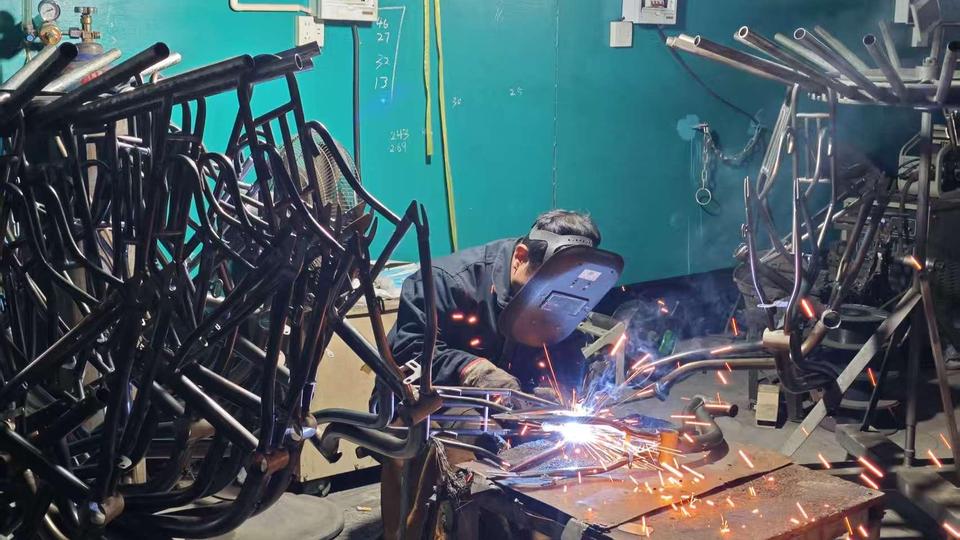
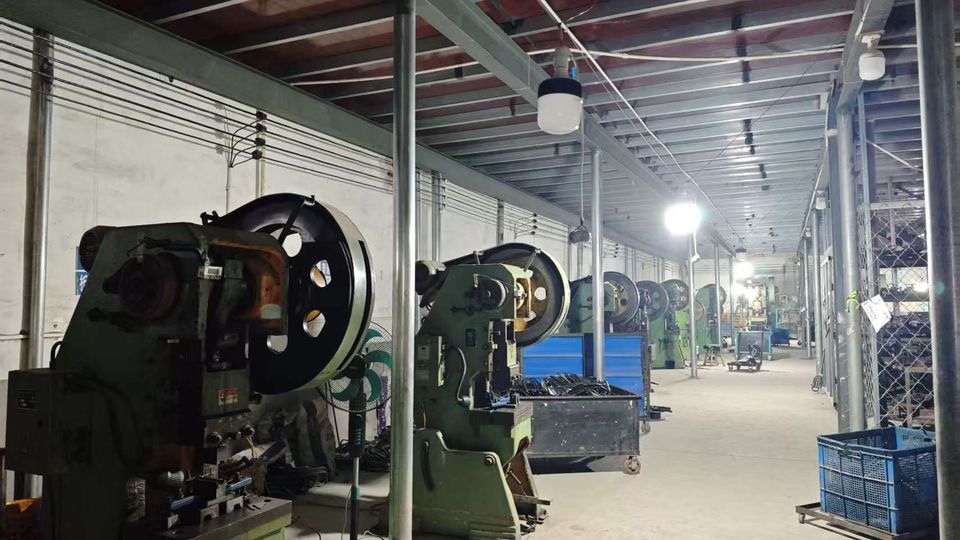
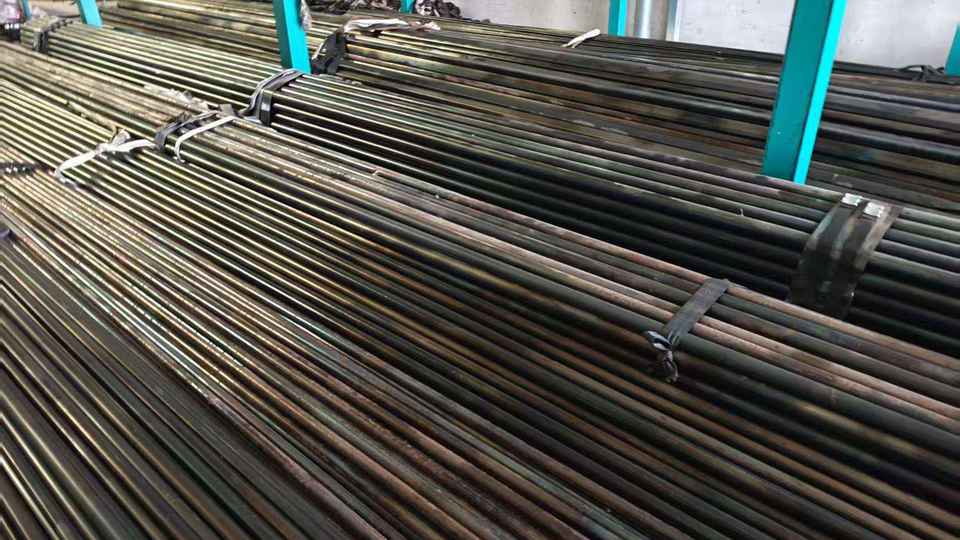
Original equipment and high-performance casting components for commercial fleet operators and global aftermarket distributors.
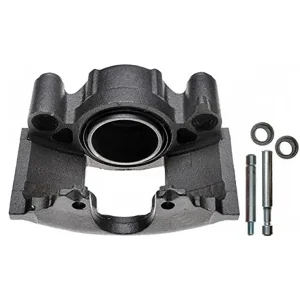
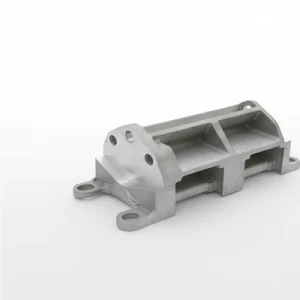
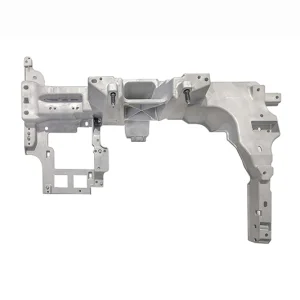
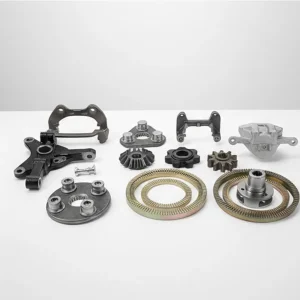
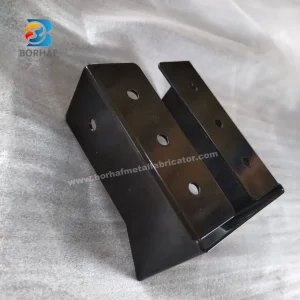
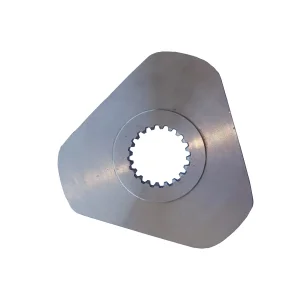
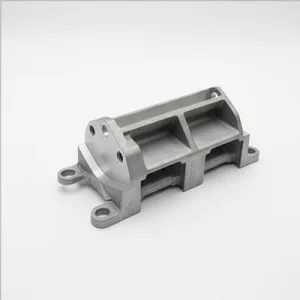
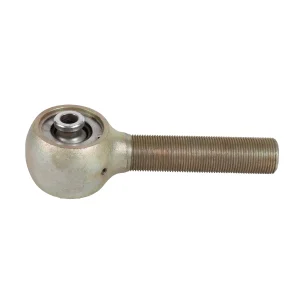
Producing OE-spec caliper housings demands deep metallurgical consistency. Raw materials must be cast without micro-porosities, as gas pockets under hydraulic brake loads can compromise pressure holding and lead to failure. Our factory maintains highly controlled cooling rates and uses high-density nodular castings to eliminate micro-cracks before they start.
All cast iron and aluminum alloy formulations undergo spectrometry analysis to verify the exact chemical layout. Carbon equivalent ratios are tightly managed, and nodularity in ductile iron is kept above 90% to prevent stress concentration under heavy duty applications.
Piston bores are bored and honed using multi-axis CNC machines to a tolerance level below 15 microns. This precise control ensures that piston seals and boot seating surfaces maintain hydraulic sealing up to 180 bars of pressure, even in dusty or wet environments.
Due to the humid environments and mud profiles of sub-Saharan logistical lanes, components are finished with trivalent chromate coatings or premium anti-rust zinc-nickel plating, reaching over 240 hours of salt spray testing resistance.
Expert technical answers addressing brake engineering, supply line logistics, and material selection requirements.
Ductile cast iron incorporates graphite nodules rather than flakes, providing much higher tensile strength and yield performance. This prevents structural deflection of the caliper under peak hydraulic pressures, resulting in a firm pedal feel and stable braking performance under high loads.
Titanium 3D printing (additive manufacturing) allows for complex topological optimization, removing material where stress is minimal. This results in up to 40% reduction in unsprung mass, reducing wear on suspension elements while maintaining high thermal thresholds and resistance to mechanical deformation.
Every batch of castings undergoes spectral chemical analysis, ultrasonic testing for internal voids, and coordinate measuring machine (CMM) inspections. Completed assemblies undergo pressure-cycle and leak testing at 1.5 times their maximum operating envelope.
We deliver shipments via regional trade routes, utilizing sea transport to the ports of Mombasa (Kenya) or Dar es Salaam (Tanzania), followed by land transport along the northern or central corridors directly into the Kigali Special Economic Zone (KSEZ).
Optimize your parts supply chain with high-performance castings, custom OEM packaging, and competitive lead times.
Send Inquiry Now MOAD AUTO