Explore our flagship international export portfolio, featuring OEM-spec railway friction keys, dual-piston calipers, aramid friction matrices, and low-NVH rotor assemblies.
The global automotive and industrial mobility market is undergoing a seismic structural transformation. As heavy commercial transport, high-speed rail networks, and electric passenger vehicles demand unprecedented kinetic energy dissipation standards, the micro-engineering of brake components has evolved into an interdisciplinary science encompassing tribology, metallurgy, macromolecular synthesis, and thermo-mechanical dynamics. Within this global ecosystem, China has emerged not merely as a high-volume assembly base, but as the premier global engine for brake component innovation, automated metallurgical casting, and friction formulation technology.
To understand the competitive advantages modern OEM buyers and tier-1 distributors derive from China's specialized brake manufacturing corridors, one must evaluate the convergence of raw material access, integrated supply chain hubs, and aggressive R&D investment. Factories in key industrial clusters—most notably in Hangzhou, Zhejiang—have redefined global standards for structural torque capacity, thermal fatigue resistance, and acoustic comfort (NVH optimization).
Our engineering ecosystem resolves the fundamental paradox of braking: achieving maximum stopping power while minimizing rotor wear, acoustic resonance, and airborne micro-particulate emissions.
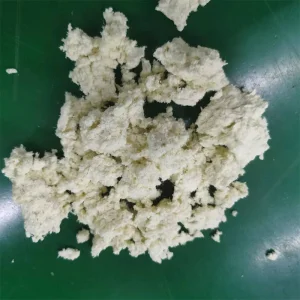
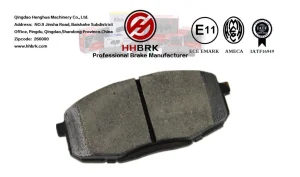
By incorporating high-purity PARA Aramid Pulp and synthetic ceramic matrix fibers, our friction products replace legacy metallic compounds. This prevents thermal fade up to 650°C while drastically reducing brake dust accumulation on alloy wheels.
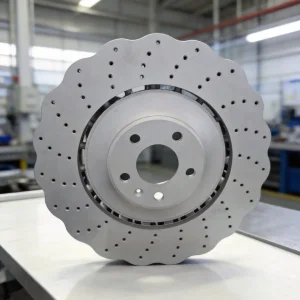
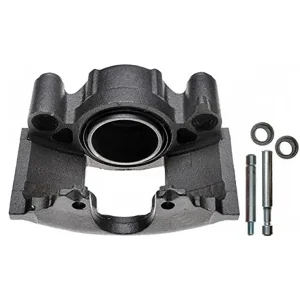
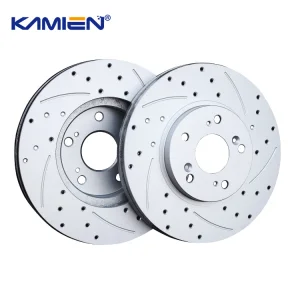
Utilizing G3000/G3500 grey cast iron with high pearlite content, our premium dual-piston calipers and ventilated disc rotors deliver exceptional structural rigidity, rapid thermal dissipation, and zero pedal pulsation under extreme emergency stops.
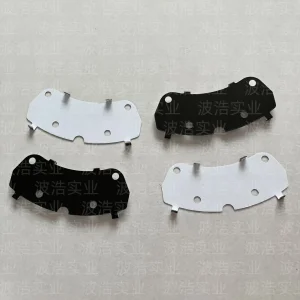
High-frequency squeal and judder are eliminated through rubber-core steel multi-layer acoustic shims bonded with heat-resistant elastomer adhesives, guaranteeing whisper-quiet operation across all urban and highway velocity cycles.
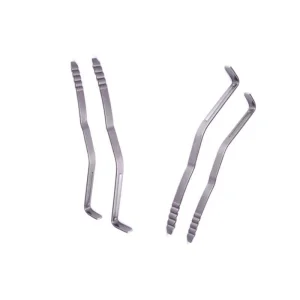
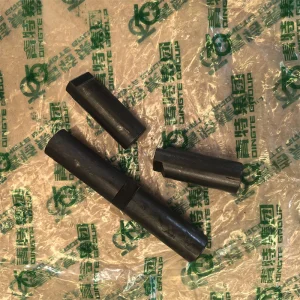
Strict adherence to railway transport standards, ensuring high-tensile locking brake keys and friction shoe locks engineered to withstand continuous impact loads and shear stresses encountered in heavy freight and passenger train systems.
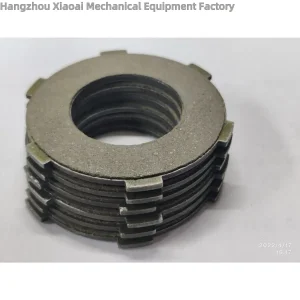
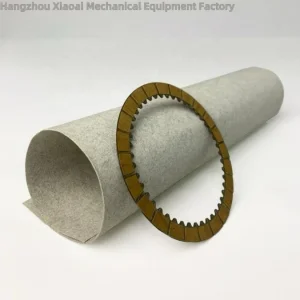
Engineered specifically for heavy agricultural machinery, hydraulic reducers, and automatic power shifts. Provides ultra-smooth torque transmission, superior oil-retention porosity, and long-term anti-wear stability under wet operating conditions.
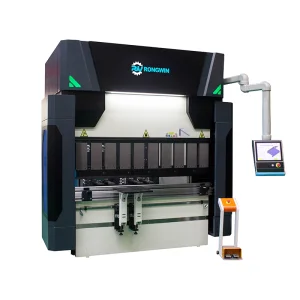
Integrating compact actuator drives such as the Ecobend 80t2000 E-Drive to power automated press brakes, steering power systems, and electric brake actuators required by modern industrial automation and EV chassis architecture.
Hangzhou MOAD AUTO Co., Ltd. is a professional manufacturer specializing in brake system components, including brake pads, brake rotors, and automotive friction materials. Located in Hangzhou, China, the company integrates research and development, production, quality control, and global sales to provide reliable braking solutions for international automotive markets.
With a strong technical team and advanced manufacturing facilities, MOAD AUTO is committed to delivering high-performance products that meet strict industry standards for safety, durability, and consistency. Our brake components are widely used in passenger vehicles, commercial vehicles, and various aftermarket applications, ensuring stable braking performance under different driving conditions.
Hangzhou MOAD AUTO Co., Ltd. continuously invests in innovation and process improvement, utilizing modern equipment and precise testing systems to maintain consistent product quality. Every stage of production, from raw material selection to final inspection, is strictly controlled to ensure reliability and long service life.
We also provide customized solutions to meet specific customer requirements, supporting OEM and aftermarket partners with flexible production capabilities and efficient supply chain services. Guided by the principles of quality, integrity, and customer satisfaction, MOAD AUTO is dedicated to building long-term partnerships and delivering dependable brake system solutions to clients worldwide, contributing to safer and more efficient mobility.
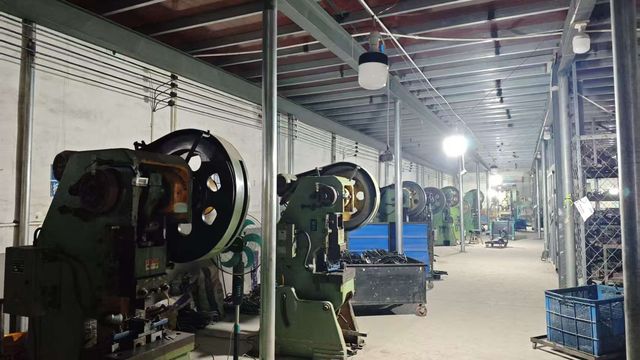
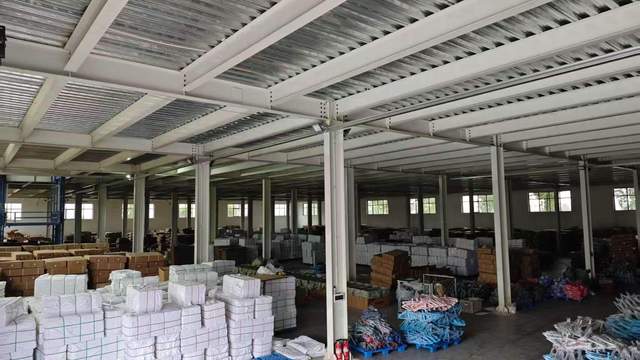
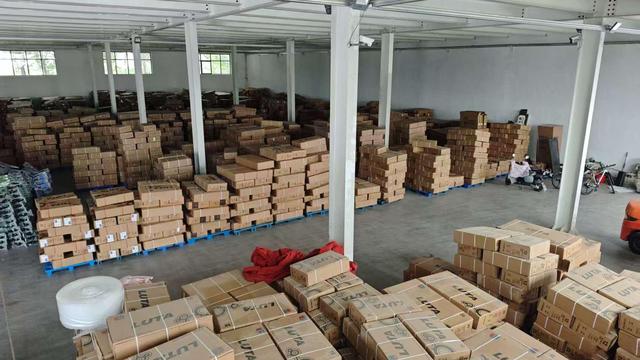
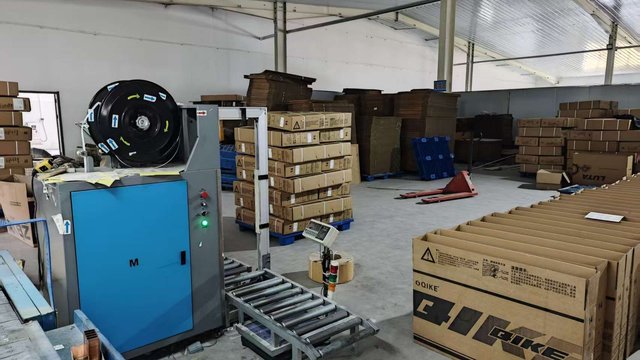
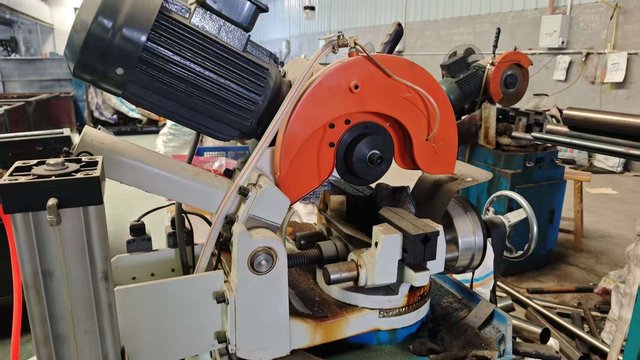
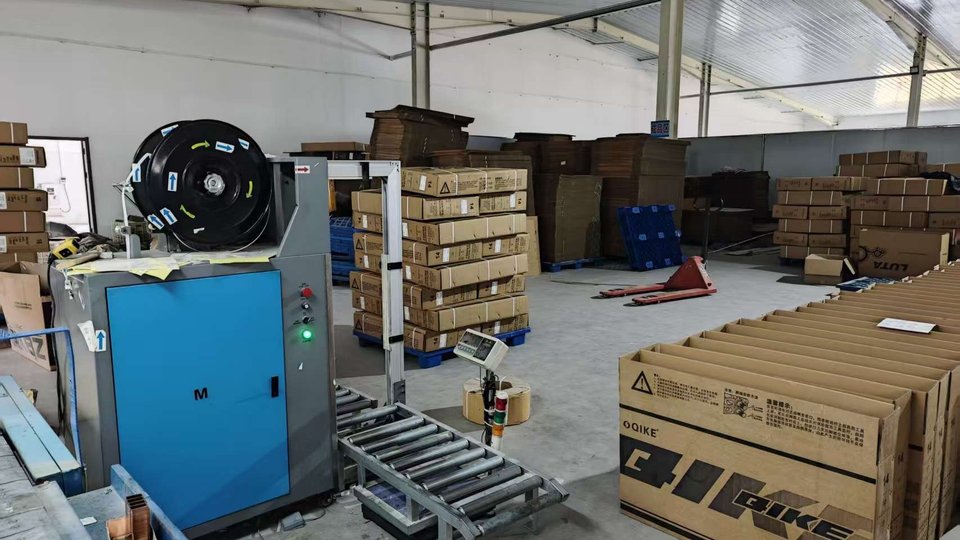
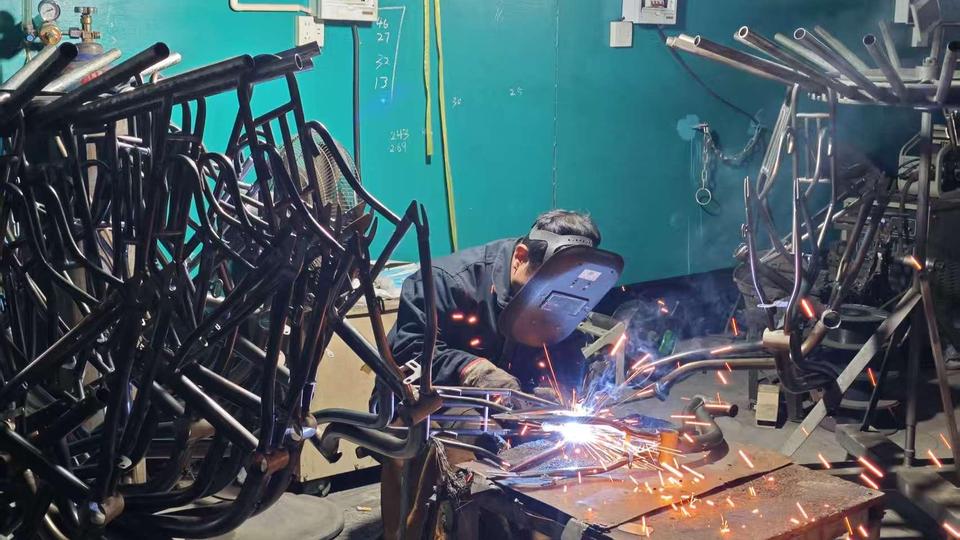
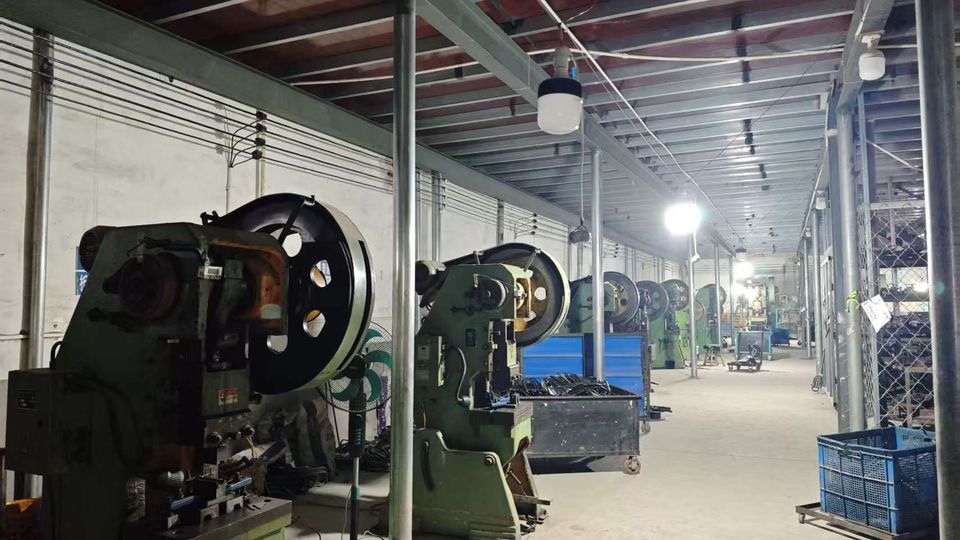
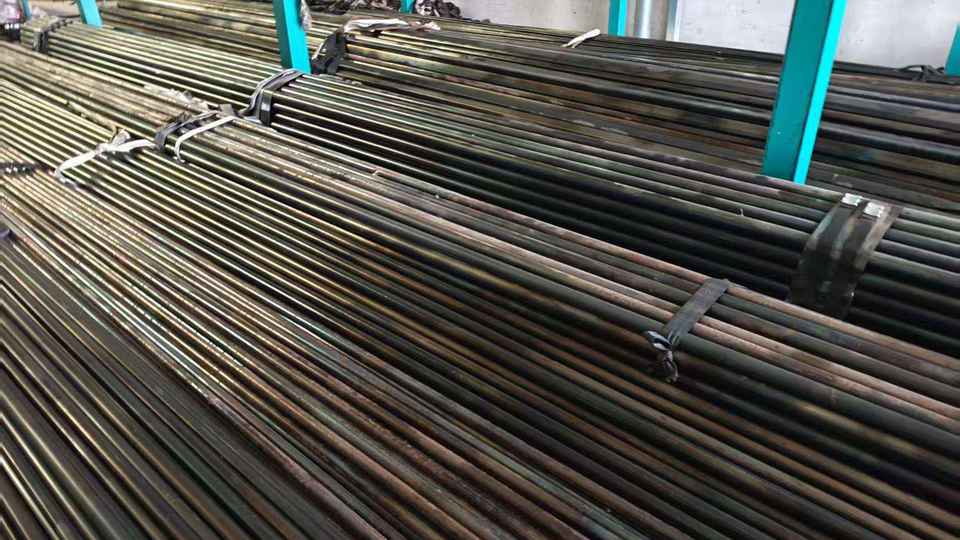
Below is an inside look at our state-of-the-art manufacturing plant in Hangzhou, featuring automated precision machining centers, multi-axis hydraulic stamping presses, computer-controlled sintering furnaces, and dynamic Krauss friction test rigs:

Different vehicle architectures and heavy machinery demand highly specialized friction matrices and structural hardware. The matrix below outlines how Hangzhou MOAD AUTO aligns material formulations with distinct global commercial application profiles:
| Application Sector | Target Vehicles / Equipment | Core Materials & Technology | Operating Temp Range | Primary OEM / Standard Certification |
|---|---|---|---|---|
| Passenger Light Duty | BMW, Benz, Audi, Honda, Toyota, Hyundai Tucson, Nissan Rogue | Low-Metallic / Ceramic + Dual-Piston Cast Iron Calipers | -40°C to 550°C | ISO/TS 16949, ECE R90, SAE J2521 |
| High-Speed Rail Transit | Locomotives, Passenger Express Trains, Freight Wagons | High-Tensile Alloy Forgings, DIN 8621 Standard Key System | -50°C to 750°C | DIN 8621, UIC 541-4 Railway Norms |
| Off-Highway & Industrial | Agricultural Tractors, Heavy Reducers, Wet Clutch Systems | Wet Paper-Based Friction Composites, High Porosity Media | -20°C to 300°C (Oil Immersion) | ISO 7637, Heavy Machinery OEM Specs |
| Industrial Power & Press | Ecobend Press Brakes, Electric Steering Axles (110cm) | E-Drive Electro-Mechanical Actuator + Hydraulic Power Systems | -10°C to 120°C | CE Automation, Industrial Heavy Equipment Standards |
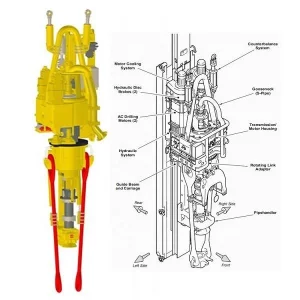
| Oilfield Energy Exploration | Top Drive Systems (NOV, Varco, Canrig Rig Equipment) | Sintered Metallic Blocks, Heavy-Duty Replacement Spare Kits | -40°C to 650°C | API Spec 8C, Heavy Industrial Rig Certifications |
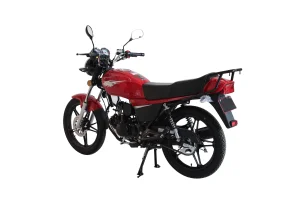
| Motorcycle & Micro-Mobility | 125cc / 150cc Motorbikes, LMW Trike Systems | Sintered Ceramic Pads + Slotted Lightweight Alloy Discs | -20°C to 400°C | DOT, JASO T 903 Compliance |
In modern friction brake pad manufacturing, the replacement of chrysotile asbestos and heavy copper filaments has required innovative macromolecular substitutes. PARA-Aramid pulp features a highly fibrillated structure with a multi-branched mechanical morphology. When blended into friction powders (such as in our D1397 and SDCX D1483-8681 product lines), aramid fibers create a structural matrix that holds abrasive particles (titanium oxide, zircon) and solid lubricants (synthetic graphite, antimony trisulfide) in high-temperature equilibrium.
During heavy down-hill braking or repeated high-speed decelerations, conventional pads experience matrix softening, causing the friction coefficient (μ) to plummet below 0.25—a hazardous phenomenon known as thermal brake fade. MOAD AUTO's proprietary aramid pulp friction compounding maintains a consistent friction coefficient between 0.38 and 0.45 even when interface temperatures exceed 500°C, ensuring instantaneous stopping response without rotor scoring.
For international tier-1 auto parts importers, regional distributor chains, and fleet maintenance contractors, selecting the ideal brake component manufacturing partner in China requires evaluating criteria far beyond unit cost. A sustainable strategic procurement model must account for the total lifecycle cost, supply chain velocity, and technical risk mitigation.
Ensure the factory performs spectrographic chemical analysis on all incoming grey iron melt batches (G3000 alloy grade) and raw friction powder shipments to eliminate micro-inclusions that cause premature rotor cracking or pad delamination.
Verify that product claims are backed by empirical testing on link-dynamometer machines simulating full vehicle inertia, wear rate curves, thermal shear resistance, and acoustic FFT frequency spectrum analysis.
High-efficiency exporters provide private-label branding, customized EAN/UPC barcoding, anti-counterfeit holographic seal applications, and shrink-wrapped moisture protection for transoceanic container shipping.
Answers to common inquiries from automotive engineers, procurement directors, and international aftermarket distributors regarding our manufacturing processes and product lines.
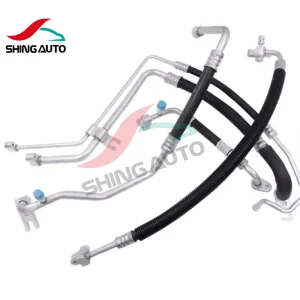
Discover our range of specialized replacement components, including top drive oilfield spares, motorcycle front disc brake systems, wet friction materials, and complete power steering axles.


 MOAD AUTO