Why Is Friction Important in Braking Systems?

Time:2026-10-27 Author:Charlotte
0%

Why Is Friction Important in Braking Systems?

Every controlled stop begins with a quiet physical exchange. The brake pad presses against the rotating disc or drum. Friction converts motion into heat, slowing the wheel and helping the driver maintain control. Without stable friction, a firm pedal could produce weak, delayed, or uneven braking.

So, what is the role of friction in braking systems? It creates the stopping force between the pad and rotor. Its performance depends on pressure, temperature, speed, surface condition, and material composition. SAE J2522 dynamometer testing evaluates brake friction under changing operating conditions. UNECE Regulation No. 13-H also establishes braking performance requirements for passenger vehicles. These standards show that friction is not a single fixed number.

It is a working range.

Tribologist Peter J. Blau has described friction as “a complex phenomenon.” That short statement remains highly relevant to modern brake engineering. Friction materials must work during a cold morning start, a steep descent, and repeated emergency stops. Bosch Mobility and other suppliers report that thermal management and material consistency remain central development challenges. NHTSA safety research also connects effective braking and electronic stability systems with crash avoidance performance.

Still, laboratory results do not perfectly represent every road. Dust, water, worn pads, and poor maintenance can change pedal response. This is where engineering judgment matters. A brake system may pass a controlled test yet feel different in daily traffic. Understanding friction therefore requires data, practical inspection, and honest attention to uncertainty. The subject is more complicated than “more friction equals better braking.”
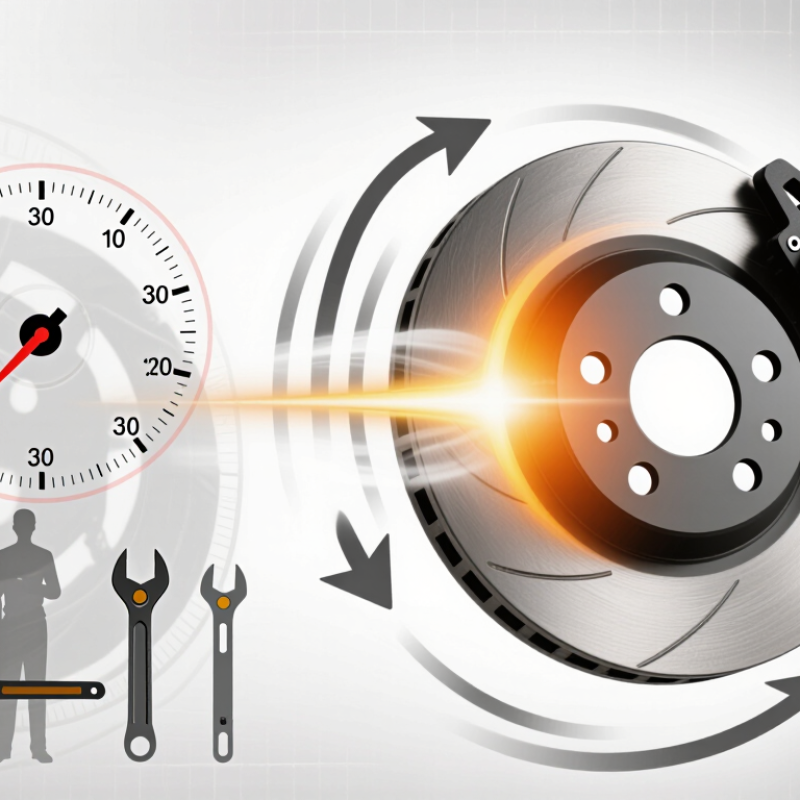
Why Is Friction Important in Braking Systems?

The Role of Friction in Braking Systems

Friction is the working force inside every braking system. It converts motion into heat when brake pads press against rotating discs or drums. Without enough friction, even a strong pedal cannot stop a vehicle safely.

During a practical brake inspection, I look for uneven pad wear, polished surfaces, and heat discoloration. These details reveal how friction behaves under pressure. The contact must remain stable across different speeds and temperatures. Moisture, dust, oil, and worn surfaces can reduce grip. Small contamination matters. The friction material also needs controlled compression, not just a high friction rating. Excessive friction may shorten stopping distance, but it can create harsh engagement and unnecessary heat. Balance is essential.

Heat changes the relationship between the pad and the rotor. Repeated hard braking can cause friction fade, making the pedal feel normal while braking performance declines. Ventilation, correct bedding procedures, and suitable material selection help manage this risk. However, friction is not perfectly predictable. Road conditions, vehicle load, tire traction, and driver input all influence the final result. A laboratory measurement cannot represent every real road. That limitation deserves attention. Regular inspections should include hydraulic leaks, rotor thickness, pad condition, and unusual vibration. If braking feels inconsistent, continued driving may turn a minor friction problem into a serious mechanical failure.

How Friction Converts Motion into Stopping Force

Friction is important in braking systems because it converts motion into stopping force. When the brake pad presses against a rotating disc, surface friction resists its movement. That resistance changes the vehicle’s kinetic energy into heat. You can often feel this process through a warm wheel after repeated stops.

The stopping effect depends on contact pressure, surface condition, temperature, and friction material. A harder pedal increases clamping force, while a rough or contaminated surface may reduce consistent grip. Engineers also consider the friction coefficient, which describes how strongly two surfaces resist sliding. It is not a fixed number. Heat, water, dust, and wear can all change it.

I once assumed more friction always meant better braking. That view was incomplete. Excessive friction can create heat faster than the system can release it, causing fading and a softer pedal. During inspection, technicians check pad thickness, disc condition, uneven wear, and signs of overheating. A thin blue mark on a disc may suggest excessive heat, while vibration can indicate uneven contact.

Small details matter. A dry road and a wet road produce different results. A loaded vehicle also needs more stopping force than an empty one. Good braking design balances friction, heat control, durability, and predictable pedal response. That balance is difficult to maintain when maintenance is delayed.

Why Is Friction Important in Braking Systems?

Friction converts the vehicle’s motion into a stopping force at the tire–road contact. The chart uses a constant normal load of 4,000 N and representative tire–road friction coefficients to show how surface conditions affect braking force.

Key idea: Braking force is calculated as F = μN, where μ is the friction coefficient and N is the normal load. Higher friction produces greater stopping force and generally allows a shorter stopping distance.

Key Factors That Affect Braking Friction

Brake friction is not a fixed number. It changes with temperature, pressure, speed, surface condition, and material pairing. SAE J866 classifies lining friction, with FF representing approximately 0.35–0.45 average friction and GG representing 0.45–0.55. These values describe testing, not every road situation. A technician may feel this difference when a cold pedal becomes sharper after several stops.

Temperature is a major factor. Repeated braking can heat the friction surface beyond its effective range, causing fade and longer pedal travel. SAE J2522 evaluates brake friction through controlled changes in speed, pressure, and temperature. The method is useful, but workshop conditions remain less predictable. Dust, water, rust, and uneven rotor contact can alter the friction layer within seconds. Heat changes everything.

Vehicle load also matters. A heavier vehicle needs more braking force and transfers weight toward the front axle. Tire grip can become the real limit, even when the brake hardware works correctly. The U.S. National Highway Traffic Safety Administration’s FMVSS No. 135 laboratory procedure sets a 70-meter maximum stopping distance from 100 km/h under specified passenger-car test conditions. That figure is a benchmark, not a promise on wet pavement. Real roads are messier. Pressure distribution, tire condition, maintenance quality, and driver input can shift results. I would question any friction claim that ignores these variables.

Types of Brake Friction Materials and Their Uses

Friction converts a vehicle’s motion into heat, allowing the brakes to slow it safely. In practical inspections, uneven friction often appears as vibration, noise, or a longer stopping distance. The material must grip firmly without damaging the rotor. It must also remain stable when temperatures rise sharply.

Organic brake materials usually combine fibers, resins, and fillers. They feel smooth and create less noise. These pads suit everyday cars and light urban driving. However, heavy heat can reduce their friction, sometimes called brake fade. The trade-off is easy to miss.

Semi-metallic materials contain steel or other metal fibers. They manage heat better and provide strong braking for trucks, mountain roads, and repeated stops. They may produce more dust and rotor wear. Ceramic materials use heat-resistant fibers and fine fillers. They are quiet, clean, and suitable for many passenger vehicles, but cold performance can vary. They also cost more in some markets.

Sintered metallic materials are pressed and heated until metal particles bond together. They work well in motorcycles, industrial equipment, and demanding wet conditions. Their strong bite can feel abrupt. Proper selection depends on vehicle weight, speed, climate, rotor design, and driving habits. A pad that works well on a commuter car may fail on a loaded van. I have found that friction ratings alone never tell the whole story. Installation quality matters too. Small mistakes matter.

Why Is Friction Important in Braking Systems? - Types of Brake Friction Materials and Their Uses

Brake Friction Material Typical Composition Typical Friction Coefficient
(μ)
Approximate Continuous Operating Range Main Uses Key Advantages Common Limitations
Non-Asbestos Organic (NAO) Fibers such as glass, aramid, cellulose, or mineral fibers combined with resin, fillers, and friction modifiers 0.30–0.45 Approximately 100–300°C Passenger vehicles, light-duty vehicles, low-to-moderate duty applications Quiet operation, good initial bite, low rotor wear, and generally low metallic content Can produce more dust, may wear faster, and can lose friction at high temperatures
Low-Metallic Organic Organic binders and fibers with a moderate amount of steel or copper fibers and abrasive additives 0.35–0.50 Approximately 150–400°C Passenger cars, sport-oriented road vehicles, and applications requiring stronger braking response Good braking performance, effective heat transfer, and improved fade resistance compared with basic NAO materials May be noisier, create more dust, and increase rotor wear
Semi-Metallic A high proportion of steel or iron fibers mixed with graphite, friction modifiers, fillers, and resin 0.35–0.55 Approximately 200–600°C Heavy-duty vehicles, performance vehicles, trucks, and demanding stop-and-go service Strong friction, good heat dissipation, durable performance, and relatively high fade resistance Higher noise and dust levels, greater rotor wear, and less effective cold-weather performance in some designs
Ceramic Ceramic fibers, nonferrous fibers, bonding resins, fillers, and controlled abrasive materials 0.35–0.50 Approximately 150–500°C Modern passenger vehicles, premium road vehicles, and applications prioritizing low noise and clean wheels Low visible dust, quiet operation, stable friction, and good resistance to corrosion-related noise Higher cost, possible reduced performance when cold in some formulations, and not automatically suitable for racing
Sintered Metallic Metal powders, including copper, iron, bronze, or other alloys, compacted and bonded through heat and pressure 0.40–0.60 Approximately 200–800°C Motorcycles, off-road vehicles, industrial equipment, and high-load or wet operating conditions Excellent heat tolerance, strong wet-weather performance, long service life, and high load capacity Can be noisy, may accelerate disc or rotor wear, and often requires careful bedding-in
Carbon-Carbon Carbon fibers reinforced with a carbon matrix, usually produced through repeated heat-treatment processes 0.40–0.70 Approximately 400–1,000°C or higher Aircraft, high-performance racing vehicles, and specialized aerospace or industrial systems Very high temperature capability, low mass, excellent fade resistance at operating temperature, and high energy absorption Limited cold performance, high cost, sensitivity to moisture in some systems, and specialized maintenance requirements
Why friction matters: Brake friction converts the vehicle’s kinetic energy into heat, allowing the vehicle to slow down or stop. The friction material must provide predictable friction, resist brake fade, control noise and vibration, manage heat, and limit wear on the brake disc or drum. Values shown are typical engineering ranges; actual performance depends on formulation, pressure, speed, temperature, humidity, bedding, and brake-system design.

The Effects of Friction Loss and Excessive Friction

Why Is Friction Important in Braking Systems?

Friction converts a moving vehicle’s energy into heat. Without enough friction, brake pads cannot grip the rotor effectively. The pedal may feel normal, yet stopping distances can increase. This problem often appears after water, oil contamination, worn friction material, or overheated components. In routine inspections, technicians look for uneven pad wear, glazed surfaces, and blue heat marks. These details reveal more than a quick visual check.

Excessive friction creates a different risk. Constant pad contact can produce heat, noise, vibration, and premature wear. A dragging brake may leave one wheel unusually hot after a short drive. Heat can also reduce friction temporarily, a condition commonly called brake fade. Engineers test friction levels across temperature ranges because one reading cannot describe real road conditions. I once underestimated how quickly a small sticking component could raise heat. That mistake still encourages slower, more careful inspections.

Tips: Check tire pressure and brake fluid regularly. After driving, avoid touching the rotor directly. Compare wheel temperatures carefully, using suitable measuring equipment. Listen for scraping sounds and notice changes in pedal travel. Replace damaged friction parts with correctly matched components. Do not ignore a burning smell. A professional inspection is safer than guessing, even when the vehicle still stops.

FAQS

How does friction stop a moving vehicle?

Brake pads press against rotating discs or drums. Friction changes motion energy into heat. That heat may warm the wheel.

What happens when braking friction is too low?

The vehicle may need more stopping distance. Water, oil, dust, worn pads, and overheated parts can reduce grip.

Can too much friction create braking problems?

Yes. Excessive friction can cause harsh engagement, noise, vibration, and rapid heat buildup. More friction is not always better.

How does heat affect braking performance?

Repeated hard braking may cause friction fade. The pedal can feel normal while stopping performance declines. Heat changes everything.

What signs suggest excessive brake heat?

Look for blue marks on a disc, burning smells, unusual vibration, or one wheel feeling unusually hot. Do not touch the disc directly.

Why do brake pads wear unevenly?

Uneven contact, sticking components, contamination, or rotor damage may cause uneven wear. A quick glance can miss the cause.

How do wet roads and vehicle loads change braking?

Water can reduce consistent contact, while a heavier vehicle needs more stopping force. Tire grip also limits the final result.

What should a routine brake inspection include?

Check pad thickness, rotor condition, hydraulic leaks, vibration, fluid condition, and unusual sounds. Professional assessment is safer than guessing.

Can laboratory friction results predict every road situation?

No. Tests cannot fully represent rain, dust, traffic, vehicle load, or driver input. I once underestimated this limitation.

Conclusion

Friction is the force that allows a braking system to slow and stop a moving vehicle. When the brake pad presses against the rotating disc or drum, friction converts kinetic energy into heat, creating the stopping force needed to reduce speed. This explains what is the role of friction in braking systems: it provides controlled resistance between surfaces and helps the driver maintain safe control. The effectiveness of this process depends on factors such as friction material, contact pressure, temperature, surface condition, vehicle weight, and speed.

Different friction materials are designed for different applications, balancing stopping power, durability, noise, and heat resistance. If friction is lost because of overheating, water, contamination, or worn components, braking performance may decline and stopping distances may increase. In contrast, excessive friction can cause rapid wear, overheating, noise, and energy loss. A well-designed braking system therefore aims for stable, predictable friction under a wide range of operating conditions.

Charlotte

Charlotte

Charlotte is a seasoned marketing professional with a deep understanding of the company's portfolio and a passion for elevating its presence in the market. With a keen eye for detail and a commitment to excellence, she ensures that our professional blog is regularly updated with insightful articles......