Choosing the 2026 best brake pads requires more than comparing prices, friction ratings, or brand names. A pad can look premium yet wear unevenly when the caliper sticks, the rotor surface is warped, or the guide pins lose lubrication. This is why drivers and technicians must ask, “what causes uneven brake pad wear?” before replacing parts. The answer often involves several connected faults, not one defective pad.
Richard Reina, Product Training Director at CARiD and an ASE-certified technician, has emphasized: “Brake wear is rarely caused by the pad alone; the entire braking system must be inspected.” That principle matters in real workshop conditions. One inner pad may be nearly metal-backed, while the outer pad still shows half its material. A seized slide pin can create that pattern. A leaking caliper seal can create another.
Look closely.
Heat leaves clues. Blue rotor patches, dark dust, and a sharp burnt smell can point to dragging brakes. Tapered pad edges may suggest caliper misalignment or worn hardware. Uneven wear can also come from a loose wheel bearing, incorrect installation, contaminated friction material, or repeated hard braking with insufficient cooling.
This guide examines what causes uneven brake pad wear and how to identify it safely. It also compares important qualities in the 2026 best brake pads, including friction consistency, noise control, temperature resistance, and hardware quality. However, pad selection alone cannot repair a damaged braking system. I have seen recommendations fail when inspection was skipped. That uncomfortable detail deserves attention.
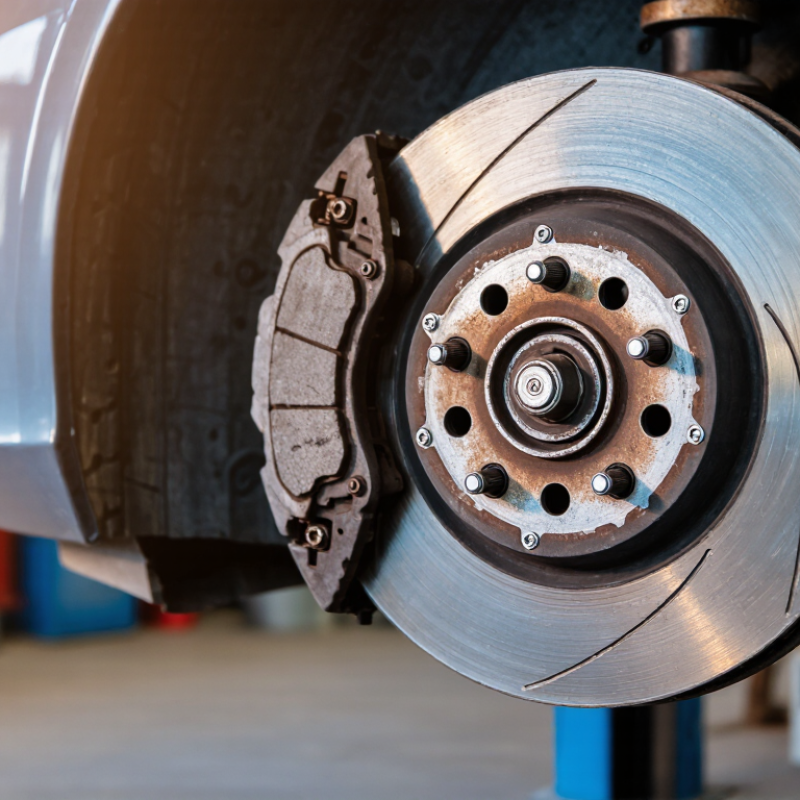
Brake pads convert hydraulic pressure into friction against the rotating brake rotor. This friction creates heat and slows the vehicle. Even contact helps the pads wear at a similar rate. It also supports stable braking, predictable pedal feel, and safer stopping on wet roads. Uneven wear often means one part of the braking system is not moving freely.
A seized caliper piston can press one pad continuously. Stiff guide pins may stop the outer pad from releasing. A damaged rotor surface, loose hardware, or incorrect installation can create the same pattern. In workshop inspections, one pad may look thick while its partner is nearly worn out. That detail matters. Replacing only the thinner pad is usually poor practice because the underlying fault may remain. A perfect diagnosis is not always immediate, especially when heat hides small movement problems.
Tips: Check pad thickness on both sides of each rotor, not just through one wheel opening. Look for tapered edges, dark heat marks, cracks, or shiny friction surfaces. Ask for caliper movement and rotor measurements during service. Keep the braking area clean, but never apply lubricant to the friction material or rotor. Short trips can also reveal trouble: a hot wheel, pulling during braking, or a sharp burning smell deserves prompt inspection. Inspections can miss things, too. Recheck unusual wear after several hundred miles.
Uneven brake pad wear usually points to a mechanical or hydraulic problem, not simply a poor pad compound. When the inner pad is much thinner than the outer pad, a sticking caliper piston may be holding pressure after release. Restricted brake hoses can create a similar effect. If the outer pad wears faster, seized guide pins may prevent the caliper from sliding correctly.
Small details matter. A tapered pad often shows that the pad is binding against rusty abutment surfaces or an incorrectly fitted hardware clip. Dirt, corrosion, and damaged guide pin boots can reduce movement. The rotor also deserves inspection. A deeply scored, warped, or uneven rotor surface can remove material from one area faster than another. Heat marks and a sharp outer lip are useful clues.
Driving conditions can add stress. Frequent downhill braking, heavy loads, and short trips may prevent proper cooling and cleaning. However, driving style alone should not explain a large difference between the two pads. That assumption can delay the real repair. During inspection, measure every pad rather than judging only the visible one. Check piston movement, guide pins, pad fit, rotor thickness, and brake fluid condition. Replacing pads without correcting the cause often produces the same uneven wear again. Even experienced technicians can miss a partially seized pin, especially when it moves by hand but binds under heat.
During a brake inspection, I compare the inner and outer pads on the same wheel. Uneven wear often hides behind the caliper. Remove the wheel and measure each pad at several points. A pad that is 2 mm thinner on one edge has a tapering problem. Do not trust appearance alone.
Check whether the inner pad is thinner than the outer pad. This pattern may indicate a sticking caliper piston or restricted caliper movement. If the outer pad wears faster, inspect the slide pins and their boots. Dry, corroded pins can prevent the caliper from releasing evenly. Also look for a shiny, overheated surface, deep grooves, or cracks across the friction material.
Compare both sides of the axle. One wheel wearing much faster deserves careful attention. Measure rotor thickness and check for uneven discoloration. Record the measurements before cleaning anything. I have sometimes mistaken dust buildup for serious wear, so lighting matters. A small mirror helps reveal the hidden pad. Do not ignore a loose pad, damaged hardware, or a piston that will not retract smoothly. Those details can explain the wear pattern better than the pad surface alone. If the cause remains unclear, a qualified technician should perform a complete brake-system inspection before replacement.
Uneven brake pad wear often begins with a small mechanical problem. A sticking caliper slide pin can keep one pad touching the rotor. A seized piston may create the same pattern. Uneven rotor thickness, loose wheel bearings, and incorrect bedding can also reduce braking balance. During inspection, compare inner and outer pad thickness. A sharp difference deserves attention, not just replacement. Do not ignore the caliper.
Choosing the best brake pads means matching friction behavior to the vehicle and driving conditions. A family car used in traffic needs predictable friction when the brakes are cold. A heavily loaded vehicle may need stronger heat resistance. Check the pad’s temperature range, friction stability, noise control, and compatibility with the rotor material. Consistent performance matters more than aggressive stopping claims. The highest-friction option is not always the safest choice.
Use pads designed for the same axle, and replace them in pairs. Clean the contact points, inspect the hardware, and confirm that the caliper moves freely. Bedding should follow the manufacturer’s technical procedure, with several controlled stops and cooling periods. One mistake is assuming new pads can correct every wear pattern. They cannot. If the rotor has deep grooves or uneven thickness, new pads may quickly develop matching damage. Recheck the system after installation, especially when the steering pulls or one wheel feels unusually hot. Small details matter.
Common brake-service reference thresholds for comparing pad thickness and identifying unbalanced braking.
New passenger-car brake pads commonly measure about 10–12 mm, inspection is generally recommended near 5 mm, and replacement is commonly advised at approximately 3 mm. A substantial thickness difference between the inner and outer pads may indicate a sticking caliper slide, restricted hydraulic flow, piston problems, or incorrect pad fitment. Balanced braking requires both pads to wear at a similar rate.
Uneven brake pad wear often begins with a small resistance. A sticking caliper guide pin can keep one pad touching the rotor. A restricted brake hose may delay piston release. Rotor runout, loose wheel bearings, and incorrect bedding can create similar patterns. The inner pad may disappear first, while the outer pad still looks acceptable. That difference should never be ignored.
The 2024 Commercial Vehicle Safety Alliance International Roadcheck inspected 48,761 vehicles. Brake-system defects represented 25.2% of out-of-service violations, according to its published results. This figure shows why routine inspection matters, even for private cars. Measure both pads on each wheel, not only the visible outer pad. Check caliper movement, rotor thickness, slide pins, and brake-fluid condition. Follow the vehicle maker’s torque and bedding procedures. A clean-looking brake assembly can still hide a seized component.
Tips: Inspect pad thickness at every tire rotation. Compare inner and outer pads. Replace damaged hardware, not only friction material. Keep wheels correctly torqued. After service, perform gentle stops before harder braking. Avoid spraying lubricant near the rotor or pad. The FMCSA inspection data is commercial-focused, so it does not predict every passenger-car failure. Still, the warning is useful. Perfect maintenance schedules are unrealistic; missed symptoms happen. Recheck the brakes after the first few hundred miles, especially if the pedal feels uneven or one wheel feels unusually hot.
| Uneven Wear Pattern | Likely Cause | Common Signs | Recommended Inspection | Preventive Steps |
|---|---|---|---|---|
| One inner pad is thinner than the outer pad | Restricted caliper piston movement or a damaged piston seal |
|
Check at every brake service | Inspect piston movement and the dust boot; repair or replace damaged caliper components before fitting new pads. |
| Outer pad remains thick while the inner pad is worn | Caliper slide pins are seized, dry, bent, or corroded |
|
Inspect slide-pin travel and boots | Clean and lubricate pins with a compatible brake lubricant; replace damaged pins, boots, or caliper hardware. |
| Both pads on one wheel wear faster than the opposite wheel | Brake hose restriction, caliper malfunction, or a hydraulic imbalance |
|
Compare wheel temperatures safely after a road test | Check hydraulic pressure, hose condition, caliper operation, and wheel-end components; do not continue driving if a brake is binding. |
| Tapered wear from one end of the pad to the other | Misaligned caliper, worn abutment hardware, or a pad not seated correctly |
|
Inspect pad fit and abutment surfaces | Remove corrosion from contact areas, replace distorted hardware, and confirm that the pad moves freely without excessive clearance. |
| Uneven wear across the pad surface | Rotor thickness variation, lateral runout, corrosion, or an uneven friction surface |
|
Measure rotor thickness and runout against vehicle specifications | Inspect the rotor at the same time as the pads; replace or machine it only when permitted by the vehicle service specifications. |
| Rapid wear on both front pads | Frequent heavy braking, towing, steep terrain, excessive vehicle load, or poor heat dissipation |
|
Review driving conditions and brake temperature | Increase following distance, avoid unnecessary hard braking, use lower gears on long descents, and follow the vehicle load limits. |
| Patchy transfer or glazing on the friction surface | Improper bedding-in, repeated overheating, contamination, or prolonged light braking |
|
Inspect pad and rotor surfaces after cooling | Install clean components, keep friction surfaces free from grease and fluid, and follow the pad maker’s bedding procedure. |
| Premature wear after recent brake work | Incorrect pad fit, reused damaged hardware, contamination, or incomplete caliper retraction |
|
Recheck installation before extended driving | Verify pad orientation, hardware placement, torque values, wheel rotation, and brake-pedal firmness before returning the vehicle to service. |
| Wear caused by contamination on one or more pads | Brake fluid, grease, oil, or cleaning chemicals on the friction material |
|
Inspect for wet or discolored friction material | Find and repair the leak; replace contaminated friction material and clean the rotor according to approved service procedures. |
| Different wear rates between front and rear axles | Normal brake-force distribution, electronic brake control, vehicle load, or a rear brake fault |
|
Inspect all four wheels, not only the noisiest brake | Compare pad thickness axle-to-axle, inspect the parking brake and electronic systems, and service brakes in axle pairs when required. |
| One pad reaches the wear indicator or minimum thickness first | Normal variation amplified by caliper movement, hardware condition, or different operating temperatures |
|
Measure the thinnest pad, not only the easiest one to see | Replace pads in axle pairs when required, inspect the cause of the difference, and never rely on a single pad’s appearance. |
Mechanical or hydraulic faults usually cause it. Common causes include sticking pistons, seized guide pins, restricted hoses, and damaged hardware.
A sticking caliper piston may keep the inner pad against the rotor after brake release. A restricted hose can create similar pressure.
Dry or corroded guide pins may stop the caliper from sliding freely. The outer pad then remains closer to the rotor.
Remove the wheel and measure both pads at several points. A pad that is 2 mm thinner on one edge shows tapering.
Inspect the piston, guide pins, boots, hardware clips, rotor, wheel bearing, and brake fluid. Check whether the piston retracts smoothly.
Frequent downhill braking, heavy loads, and short trips add heat. They should not explain a large difference between pads on one wheel.
No. New pads cannot correct seized pins, damaged rotors, or restricted hoses. The same uneven wear may return quickly.
Match them to the vehicle, axle, rotor, and driving conditions. Consider cold braking, heat resistance, noise control, and friction stability.
Clean contact points, confirm free caliper movement, and follow a controlled bedding procedure. Recheck the brakes if steering pulls or one wheel feels hot.
Yes. A guide pin may move by hand but bind when hot. I would not trust movement alone.
Brake pads are designed to create consistent friction against the rotors, allowing a vehicle to slow safely and smoothly. Even wear is important because it helps maintain balanced braking, predictable pedal response, and longer service life. Understanding what causes uneven brake pad wear begins with recognizing common issues such as sticking calipers, seized guide pins, uneven rotors, incorrect installation, contaminated friction surfaces, or suspension and alignment problems. Driving habits, heavy loads, and frequent hard braking can also accelerate wear on one side or one wheel.
During a brake inspection, compare the thickness of the inner and outer pads, examine the rotor surface, and check for grooves, discoloration, cracks, or abnormal noise. Choosing properly sized, high-quality brake pads with suitable friction characteristics can support balanced braking performance. Preventive maintenance should include cleaning and lubricating relevant hardware, checking caliper movement, inspecting rotors, following correct installation procedures, and replacing worn components promptly. Regular inspections help detect uneven wear early and improve braking safety, comfort, and reliability.

MOAD AUTO