Understanding how to extend the life of brake components is crucial for vehicle safety. Properly maintained brakes not only enhance performance but also save money over time. Brake components, like pads and rotors, wear out due to friction and heat. Thus, regular checks can prevent premature wear.
When drivers overlook maintenance, they face costly repairs and safety risks. Frequent inspections of brake fluid levels, pad thickness, and overall system health are essential. These checks lead to early detection of potential issues. Additionally, driving habits can greatly impact brake lifespan. Smooth stops and avoiding sudden braking can make a significant difference.
Education on brake care helps drivers make informed choices. Small actions, such as avoiding overloading your vehicle, significantly extend brake life. Even minor adjustments in driving style contribute positively. Thus, knowing how to extend the life of brake components is about awareness and diligence.
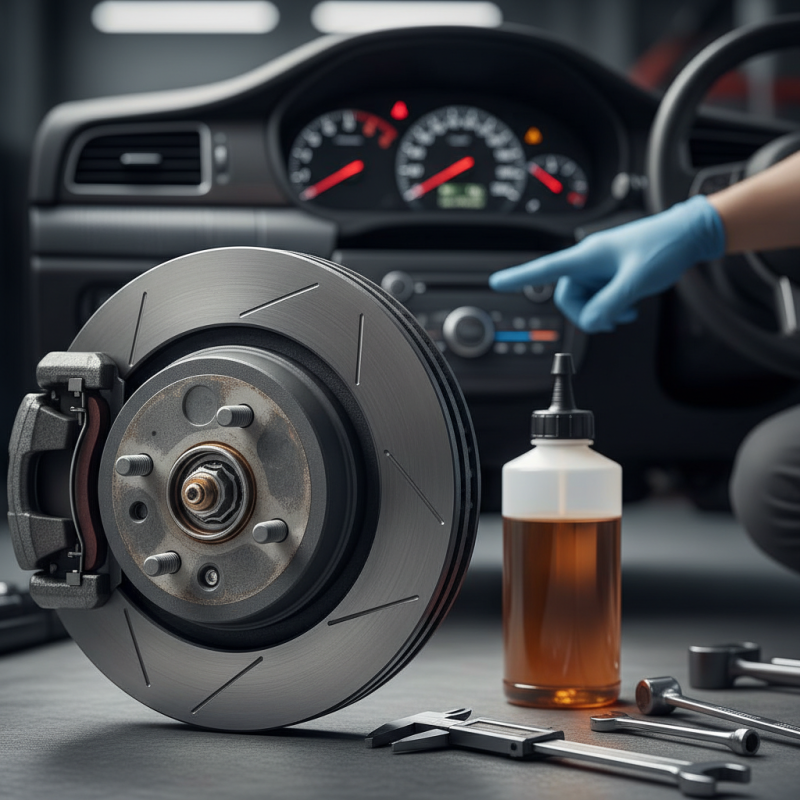
Brake components are crucial for vehicle safety. Their maintenance should never be overlooked. Regular inspections can prevent potential failures. Dirty or worn-out brake pads can lead to increased stopping distances. This situation not only risks safety but also results in higher repair costs. Failing to monitor brake fluid can lead to brake failure. It’s essential to replace it as recommended.
Understanding how different climates affect brake performance is vital. In harsher conditions, brakes may wear faster. Regular cleaning is often necessary, especially in dirty environments. Dust and debris can compromise the function. Repairs and replacements need to be timely, yet many drivers delay this. This attitude can lead to bigger issues down the line. Responsible ownership demands attention to these details.
Being proactive with maintenance enhances the lifespan of brake components. Knowledge of wear signals can save money. Listening for unusual noises while braking is important. Any changes should prompt immediate action. Understanding these aspects underscores the importance of brake care. Ignoring them can lead to regrettable outcomes. Prioritizing brake maintenance creates a safer driving experience.
: Brake components are crucial for vehicle safety and regular maintenance prevents potential failures.
Worn-out brake pads can lead to increased stopping distances and higher repair costs, risking safety.
Harsh conditions can accelerate brake wear. Regular cleaning is important in dirty environments to maintain function.
Adopt soft braking techniques and avoid aggressive driving. This reduces wear and prolongs brake life.
Unnecessary weight puts extra stress on brake components, leading to faster deterioration and shorter lifespan.
Ensure your brake fluid meets specifications, as low-quality fluids can cause corrosion and other issues.
Listen for unusual noises and check for a spongy brake pedal; these may signal underlying problems.
Regular inspections are essential. Many drivers forget to check their brake pads and components.
Yes, hard stops and rapid accelerations increase brake wear and reduce their lifespan.
Using high-grade components enhances friction resistance and prevents premature failures from cheap alternatives.
To effectively extend the life of brake components, it is crucial to understand the importance of regular maintenance and inspection. Regularly checking and replacing brake pads can prevent more extensive damage and ensure optimal performance. Additionally, your driving habits significantly affect brake longevity; smoother driving can lead to less wear and tear on brake components.
Essential cleaning techniques also play a vital role in maintaining brake efficiency, as dirt and debris can negatively impact performance. Lastly, using quality parts and fluids is fundamental in enhancing the durability of brake systems. By following these strategies on how to extend the life of brake components, drivers can enjoy safer, more reliable braking performance while potentially reducing long-term repair costs.

 MOAD AUTO