Brake noise and vibration can significantly impact your driving experience. As a seasoned automotive engineer, Dr. John Smith emphasizes, "A smooth brake performance is crucial for safety and comfort." To enhance your vehicle's operation, it's essential to explore effective ways on how to reduce brake noise and vibration.
The causes of brake noise are often overlooked. Worn-out pads, lack of lubrication, and even improper installation can create unwelcome sounds. Similarly, vibrations may stem from issues like uneven wear or misalignment. Understanding these factors is the first step toward finding solutions.
Addressing these concerns can improve your daily drive. Simple actions, such as regular maintenance checks and investing in quality brake pads, can make a difference. While it may seem challenging, with the right knowledge and proactive measures, you can achieve a quieter, smoother ride. Exploring various techniques allows drivers to discover what works best for their vehicles, making it a worthwhile endeavor.
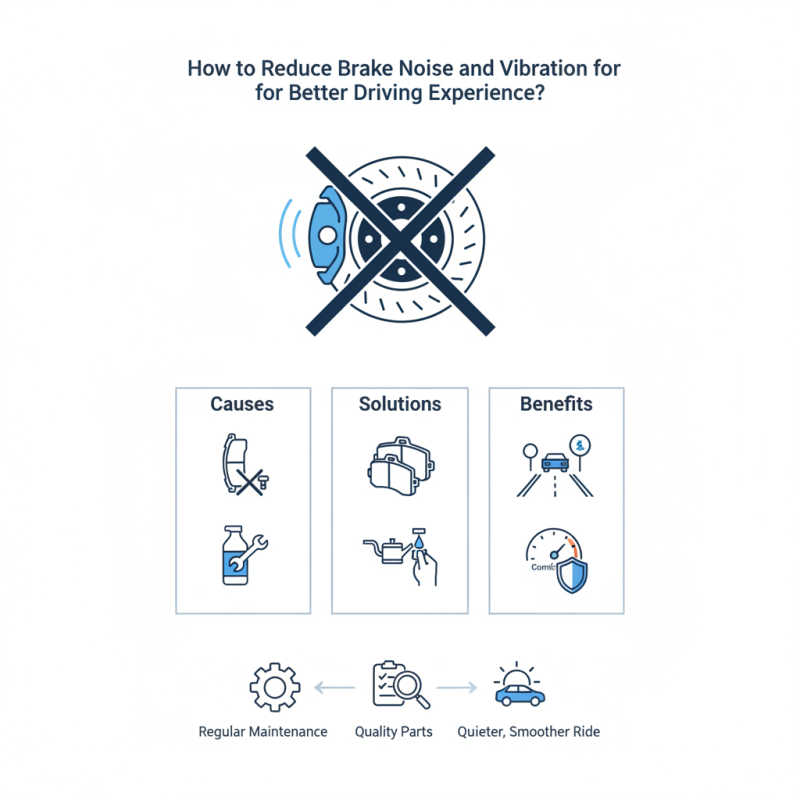
Brake noise is a common issue in automotive systems. Understanding its types can help in identifying the causes. Squealing sounds often indicate worn brake pads. When the pads wear down, metal can contact the rotor, creating noise. This often requires immediate attention to prevent further damage.
Another type of noise is grinding. Grinding usually occurs when brake pads are severely worn. It can lead to rotor damage, making repairs more costly. Drivers should avoid ignoring this sound. Vibrations during braking can also signal underlying issues. Warped rotors or imbalanced pads might cause these sensations. This not only affects comfort but also safety on the road.
Assessing brake components regularly is vital. Many drivers neglect this area until problems arise. Yet, proactive measures can extend the lifespan of braking systems. Inspecting pads, rotors, and calipers can uncover early signs of wear. Addressing these issues promptly can lead to a smoother driving experience. Understanding brake noise and its causes offers a path toward safer driving.
| Noise Type | Causes | Recommended Solutions | Vibration Sources | Vibration Mitigation |
|---|---|---|---|---|
| Squeaking | Dust and dirt accumulation | Regular cleaning and maintenance | Warped rotors | Brake rotor machining or replacement |
| Grinding | Worn brake pads | Immediate pad replacement | Loose hardware | Tightening or replacing hardware |
| Hissing | Moisture on brake components | Drying brake components | Rust on parts | Rust removal and protection |
| Thumping | Improper installation | Reinstall brake components | Deteriorated bushings | Bushing replacement |
Brake noise and vibration are common issues that affect driving comfort. The composition of brake materials plays a significant role in these problems. Studies reveal that certain materials generate less noise and vibration. For instance, friction materials with organic or composite components can reduce decibel levels by up to 15%. This reduction enhances overall driving experience.
Using hard metallic materials often creates harsh sounds and vibrations. A report from the Society of Automotive Engineers highlights that metallic brakes can increase noise by 5 dB compared to organic options. This can lead to driver fatigue and discomfort, especially on longer journeys. The choice of brake pads is essential. Soft compounds are quieter but may wear faster. Balancing durability with noise reduction is complex and presents ongoing challenges for manufacturers.
Research shows that disc design also affects noise. Vented discs improve air circulation and can lower overheating, which reduces noise. However, optimal design often requires trade-offs that are not initially considered. Adjustments in design may lead to unexpected challenges, such as increased weight. These factors highlight the need for continuous innovation in brake technology. Understanding material properties remains crucial for enhancing vehicle performance and driver satisfaction.
Brake noise and vibration can significantly affect your driving experience. Proper installation and maintenance techniques are essential in mitigating these issues. According to a report from the Society of Automotive Engineers, nearly 30% of vehicle owners complain about brake noise. This highlights the need for drivers to understand effective strategies for brake care.
One key approach is to ensure that brake pads are correctly installed. Misalignment during installation can lead to unnecessary noise and vibrations. Using high-quality brake pads can also reduce noise levels significantly. Studies indicate that certain materials, like ceramic and semi-metallic pads, produce less noise when compared to organic materials. Regular inspections are necessary. They help identify wear and tear before it leads to serious issues.
Drivers should pay attention to brake fluid levels as well. Inadequate fluid can lead to poor brake performance and elevated noise. It is also crucial to clean the brake components during routine maintenance. Accumulated dust and debris can cause vibration and noise. While it requires effort, keeping brakes in good condition will ultimately enhance your driving comfort. Ignoring these details might lead to more significant problems down the road.
Brake noise and vibration can significantly impact your driving experience. Advanced brake technologies focus on reducing discomfort while enhancing safety. These innovations help provide a smoother ride. Understanding how to utilize these technologies can transform your daily commutes.
One key aspect is investing in high-quality brake components. Look for options designed to minimize noise. Premium pads often use different materials to absorb sound. This simple change can make a noticeable difference in your drive. Remember, not all brake pads are created equal.
Another tip is regular maintenance checks. Over time, wear and tear can contribute to increased noise. Ensure your brake system is inspected frequently. Pay attention to signs of degradation, such as squeaking or grinding. Addressing these issues promptly can prevent discomfort. Consider exploring rotor upgrades. They can enhance overall braking performance and reduce vibrations.
Lastly, using proper braking techniques can also help. Try to avoid sudden stops, as they can create more noise and wear on the brakes. Gentle, gradual braking is key. Reflect on your driving habits; small changes can lead to a better experience.
This chart illustrates the significant reduction in brake noise and vibration levels achieved by utilizing advanced brake technologies. The results show a notable decrease in both metrics, contributing to a more comfortable driving experience.
Regular brake inspections play a crucial role in maintaining vehicle performance and minimizing noise. Studies show that nearly 30% of brake-related issues stem from neglecting routine checks. Regular inspections help identify worn brake pads, warped rotors, and other potential problems. Detecting these issues early can significantly reduce noise and vibration, enhancing the overall driving experience.
Brake noise often results from dirt, debris, or insufficient lubrication on crucial components. A comprehensive inspection allows technicians to clean and lubricate these areas effectively. According to a report by the Automotive Research Institute, vehicles with regular brake maintenance demonstrate a 25% lower incidence of noise complaints compared to those that skip inspections. Investing time and resources in inspections can lead to quieter, smoother braking.
Vibration issues can signal deeper problems, such as misaligned components. Addressing these concerns through professional inspections not only elevates safety but also preserves component lifespan. Even minor adjustments can lead to noticeable reductions in brake noise. However, many drivers overlook these inspections, potentially costing them more in the long run.
: Squealing often indicates worn brake pads. Metal may contact the rotor, creating noise. This needs immediate attention.
Grinding occurs with severely worn pads. It can damage rotors and increase repair costs. Ignoring it may lead to more problems.
Vibrations may signal warped rotors or imbalanced pads. This can compromise driving comfort and overall safety.
Regular assessments are vital to identify wear. Many drivers neglect this, risking safety until problems arise.
Organic and composite friction materials can lower noise levels by up to 15%. Choosing the right materials matters significantly.
Hard materials often cause harsh sounds and vibrations. This can lead to discomfort during long drives.
These technologies reduce braking discomfort and enhance safety. Investing in high-quality components can significantly improve your experience.
Regular maintenance checks are crucial. Look for signs of wear like squeaking or grinding. Early action can prevent discomfort.
Avoid sudden stops to minimize noise and brake wear. Gentle, gradual braking is beneficial for your brakes and comfort.
Soft compounds may quiet brakes but wear faster. Manufacturers face ongoing challenges in finding effective solutions.
To address the question of how to reduce brake noise and vibration, it's important first to understand the various types of brake noise and their underlying causes in automotive systems. Factors such as brake material composition significantly contribute to the levels of noise and vibration experienced during driving. Selecting the right materials is crucial for minimizing these disturbances.
Additionally, employing effective installation and maintenance techniques can greatly enhance the overall driving experience. Regular brake inspections not only ensure optimal performance but also play a vital role in noise reduction. Furthermore, leveraging advanced brake technologies can help mitigate driving discomfort by providing a quieter and smoother braking process. By integrating these practices, drivers can significantly improve their vehicle’s braking performance while minimizing unpleasant noise and vibrations.

MOAD AUTO