Reasons Why Brake Pads Wear Out Quickly for Global Buyers?

Time:2026-04-08 Author:Sophia
0%

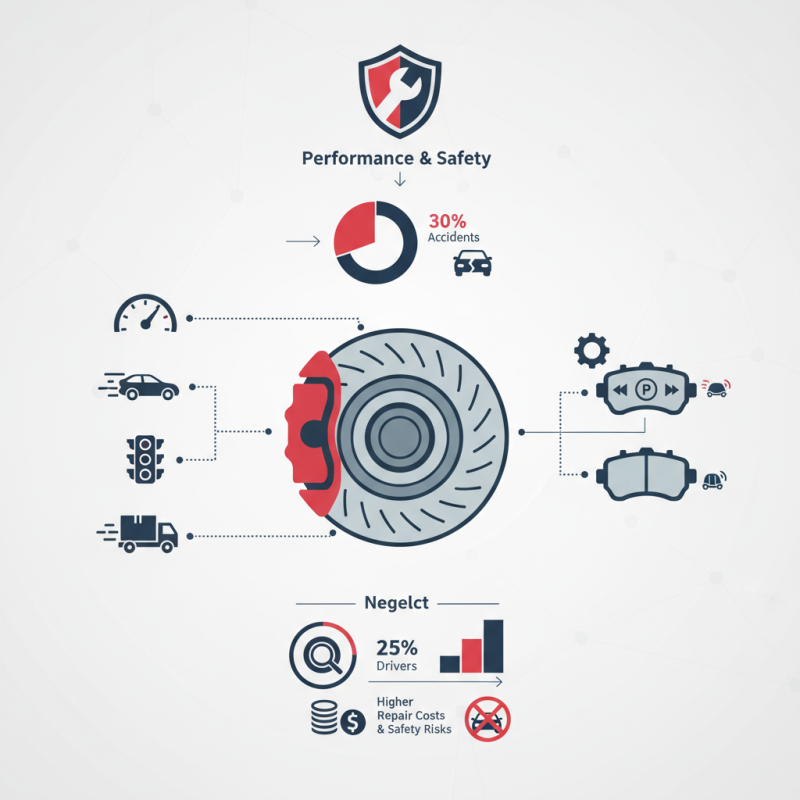
The performance and safety of driving heavily depend on the condition of brake pads. In a report by the National Highway Traffic Safety Administration (NHTSA), it was found that nearly 30% of accidents are related to brake failures. Understanding what causes brake pads to wear out quickly is crucial for vehicle safety.

Common factors include aggressive driving habits, frequent stops, and heavy loads. Statistics show that urban driving leads to faster brake wear, as drivers often slam brakes at traffic signals. Moreover, the type of brake pads chosen can affect longevity. High-performance pads may offer better stopping power but often do wear out faster.

Ignoring early signs of wear can lead to more significant problems. A recent study revealed that 25% of drivers neglect regular brake inspections. This oversight can lead to higher repair costs and safety risks. Hence, comprehending the reasons behind quick brake pad wear is vital for global buyers seeking safety and reliability.
Reasons Why Brake Pads Wear Out Quickly for Global Buyers?

Causes of Rapid Brake Pad Wear in Different Driving Conditions

Driving conditions significantly influence brake pad wear. In urban areas, frequent stops cause pads to work harder. Traffic congestion and stop-and-go patterns increase the heat generation in brake components. This heat can lead to faster degradation of the pad material. A driver may notice their brakes squealing sooner in these settings.

On the highway, driving at high speeds can also accelerate wear. The force applied to stop a vehicle quickly can be substantial. This results in greater friction, leading to premature wear. Additionally, heavy loads or abrupt braking in both scenarios strains the brake pads. This relentless pressure can shorten the lifespan of the pads unexpectedly.

Environmental factors are equally important. Rain, dirt, and road debris contribute to increased wear. These elements create additional friction, intensifying the degradation process. Drivers often overlook how these factors impact braking systems. Regular inspections can help identify wear patterns and prompt necessary adjustments. A proactive approach is vital for enhancing safety and prolonging brake life.

Impact of Vehicle Weight on Brake Pad Longevity

Vehicle weight plays a crucial role in brake pad longevity. Heavier vehicles require more braking force, which significantly affects brake pad wear. According to a study by the Society of Automotive Engineers, increasing vehicle weight by 1,000 pounds can lead to a 20-25% increase in brake pad wear. This shows that heavier cars demand more from their braking systems.

The constant friction from braking is more intense for heavier vehicles. This creates excessive heat, damaging the brake pads over time. A report from the National Highway Traffic Safety Administration highlights that frequent and abrupt stops contribute to accelerated wear. In urban driving conditions, where heavy vehicles often stop and go, brake pads can wear out within 20,000 miles or less.

Interestingly, weight distribution also matters. Improperly balanced vehicles can cause uneven wear on brake pads. The front brakes usually bear more weight, leading to faster degradation. This imbalance can result in financial implications for drivers. Regular inspections and timely replacements can mitigate some of these issues, yet vehicle owners often overlook them. This lack of attention can impact both safety and costs in the long run.

Common Driving Habits That Accelerate Brake Pad Wear

Driving habits play a crucial role in brake pad wear. Frequent hard braking is a common issue. Sudden stops can generate excessive heat, leading to quick wear. Drivers who tailgate often find themselves braking abruptly. This habit significantly shortens the lifespan of brake pads. Additionally, driving in heavy traffic can introduce constant stopping and starting, compounding the wear problem.

Another factor is the way drivers handle their vehicles. Aggressive acceleration can cause brake pads to wear faster. When a driver speeds up rapidly, they often need to brake harder. This cycle creates additional stress on the pads. Regularly driving down steep hills without proper gear can also accelerate wear. In these situations, brake pads do more work than intended.

Ignoring maintenance can also contribute to wear issues. Skipping inspections can let small problems grow. Drivers should regularly check their brake components and fluids. It's easy to overlook these details, but they matter. Engaging in smarter driving habits can extend the life of brake pads. Considering these factors can lead to safer and more cost-effective driving experiences.

The Role of Brake Pad Material in Wear Rates

Brake pads are essential components of vehicle safety. The material used in their construction directly impacts wear rates. Common materials include ceramic, organic, and metallic. Each type has distinct characteristics that can affect how quickly they wear down.

Ceramic pads are popular for their quiet operation and reduced dust. However, they may wear out faster under heavy braking conditions. On the other hand, organic pads are softer and generally less durable, especially in high-performance settings. They can wear quickly due to their composition, particularly in urban driving where frequent stops are common.

Metallic pads offer improved durability and performance but can be harsher on rotors. This harsher interaction can lead to increased wear on both pads and rotors. Understanding these materials is vital for global buyers. They need to consider their driving habits, vehicle type, and local conditions. This knowledge helps in selecting the right brake pads to ensure safety and longevity.

Maintenance Practices to Extend Brake Pad Life

Brake pads are essential for vehicle safety. They bear the heat and friction as drivers stop or slow down. Over time, they wear out, but proper maintenance can extend their life. Regular inspections are vital. Check pads every six months to catch wear early.

Driving habits play a significant role in brake pad longevity. Aggressive braking on busy highways can contribute to quicker wear. Short, frequent trips may not allow brakes to cool properly. This is worth considering if you notice abnormal wear.

Here are some helpful tips. Use smooth, gradual pressure on the brake pedal. Avoid riding the brakes; this generates excess heat. Regularly clean the brake components to prevent dust buildup. Lastly, ensure your vehicle's weight is balanced. Improper loading can put extra stress on the brakes. Maintenance practices like these can help you get the most out of your brake pads.

Reasons Why Brake Pads Wear Out Quickly

This bar chart illustrates the various factors that contribute to the accelerated wear of brake pads. Aggressive driving habits account for the largest percentage, while improper installation and poor-quality materials also play significant roles. Understanding these factors can help vehicle owners take steps to extend the lifespan of their brake pads.

FAQS

: How does vehicle weight affect brake pad longevity?

: Heavier vehicles require more braking force, leading to increased brake pad wear.

What is the impact of a 1,000-pound increase in vehicle weight?

An increase can cause a 20-25% rise in brake pad wear.

How do driving habits influence brake pad wear?

Frequent hard braking and tailgating can significantly shorten brake pad lifespan.

What role does weight distribution play in brake pad wear?

Improper weight distribution can cause uneven wear, mainly affecting front brakes.

Can driving in heavy traffic accelerate brake pad wear?

Yes, constant stopping and starting in heavy traffic can lead to quicker wear.

Why is brake pad material important?

Different materials like ceramic, organic, and metallic affect how quickly pads wear down.

How can aggressive acceleration impact brake pad lifespan?

Rapid acceleration often leads to harder braking, increasing stress on brake pads.

What happens if maintenance is ignored?

Skipping inspections can allow small issues to worsen, hastening brake pad wear.

How does driving downhill affect brake pads?

Regularly driving down steep hills without proper gear can increase wear.

What should drivers consider when selecting brake pads?

They need to think about driving habits, vehicle type, and local conditions.

Conclusion

Understanding what causes brake pads to wear out quickly is crucial for vehicle owners looking to extend the life of their braking system. Various factors contribute to rapid brake pad wear, including specific driving conditions such as frequent stop-and-go traffic, aggressive driving, and hilly terrains. Additionally, the weight of the vehicle plays a significant role in determining brake pad longevity, as heavier vehicles exert more force on the brakes.

Furthermore, certain driving habits, such as sudden braking and riding the brakes, can accelerate wear rates. The choice of brake pad material also influences how quickly they wear out, with some materials providing better durability than others. Regular maintenance practices, including timely inspections and timely replacements, can help mitigate wear and prolong brake pad life, ensuring safe and efficient vehicle operation.

Sophia

Sophia

Sophia is a dedicated marketing professional with an exceptional depth of knowledge about her company's products and services. With a keen understanding of market trends and customer needs, she crafts insightful blog posts that not only inform but also engage readers, enriching the company’s online......