How to Properly Maintain Your Brake Systems for Safety?

Time:2026-05-11 Author:Mason
0%

Brake systems are crucial for vehicle safety, yet many drivers overlook their maintenance. According to the National Highway Traffic Safety Administration (NHTSA), brake failure contributes to nearly 20% of all vehicle crashes annually. This alarming statistic highlights the importance of understanding how to maintain brake systems properly. Regular inspections and timely replacements can prevent costly repairs and ensure driver safety.

Proper brake system maintenance involves checking components such as brake pads, rotors, and fluid levels. The Automotive Service Association emphasizes that worn-out brakes increase stopping distances significantly. It is vital to listen for unusual noises. Squealing sounds could indicate worn pads. Additionally, a spongy brake pedal may signal air in the brake lines. Addressing these signs early can prevent further damage.

Many vehicle owners admit to neglecting their brake systems. This oversight can lead to severe consequences. Knowing how to maintain brake systems properly means staying proactive. Ignoring this aspect of vehicle upkeep is not worth the risk. Prioritizing brake maintenance not only enhances safety but also extends the lifespan of the vehicle. Investing time in this essential task can save lives.
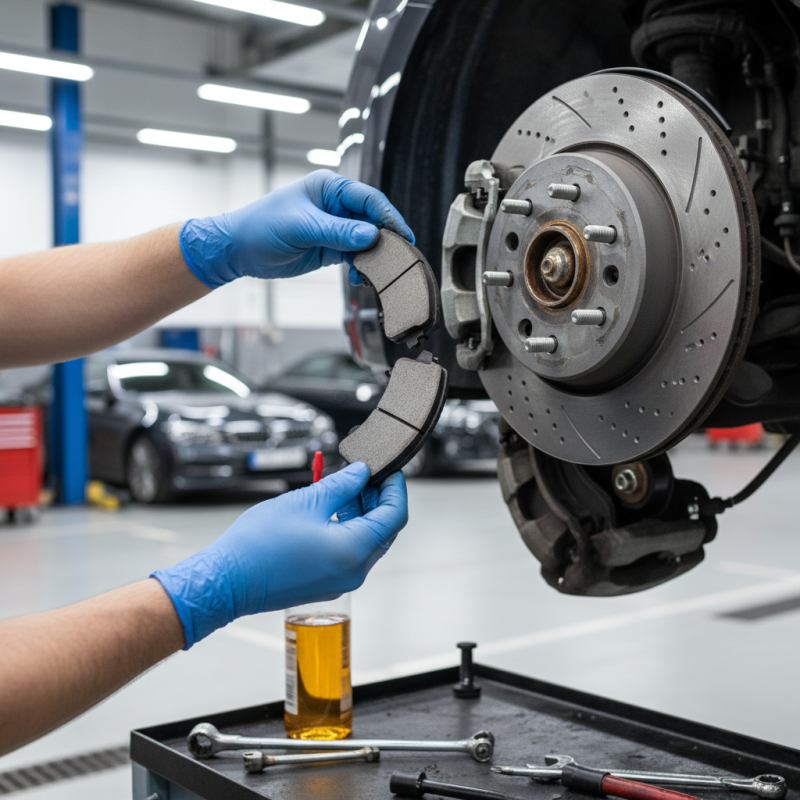
How to Properly Maintain Your Brake Systems for Safety?

Understanding Brake System Components and Their Functions

Understanding the components of your brake system is essential for safety. The system mainly consists of brake pads, rotors, calipers, and brake fluid. Each part plays a critical role in your vehicle’s ability to stop effectively.

Brake pads create friction against the rotors to slow down the wheels. If they wear down too much, they can severely reduce stopping power. Rotors need to be in good condition; warped or damaged rotors can lead to uneven braking and increased stopping distances. Calipers hold the brake pads and press them against the rotors. If calipers fail, the brakes may not engage properly.

Maintaining brake fluid is also vital. It lubricates and transfers force in the system. Contaminated fluid can lead to poor performance. Regular checks are necessary; changes in fluid color can indicate degradation. An overlooked system might work but may not guarantee safety. Regular inspections can prevent accidents and unexpected repairs.

How to Properly Maintain Your Brake Systems for Safety? - Understanding Brake System Components and Their Functions

Component Function Maintenance Tips
Brake Pads Provide friction to stop the vehicle Replace when worn down, usually every 30,000 to 70,000 miles
Brake Rotors Distribute heat and provide surface for pads to grip Inspect for warping or grooves, resurface or replace as needed
Brake Fluid Transmits force from the brake pedal to the brakes Check levels regularly and replace every 2 years or as needed
Brake Line Carries brake fluid to the brake components Inspect for leaks, cracks, or corrosion
Calipers Clamp down on the brake pads to create friction Check for proper operation and any fluid leaks

Signs Indicating the Need for Brake Maintenance

Brake maintenance is crucial for vehicle safety. Many drivers overlook subtle signs of brake wear. According to a recent report from the National Highway Traffic Safety Administration (NHTSA), 22% of accidents involve brake failure. Recognizing these signs early can prevent dangerous situations.

One key indicator is a squeaking or grinding noise when braking. This often suggests that the brake pads are worn down. Additionally, if your vehicle pulls to one side while braking, it indicates uneven wear or issues with brake components. Be mindful of a soft or spongy brake pedal, which can signal air in the brake lines. Prompt attention to these symptoms is essential.

Frequent inspections are recommended. Studies show that 30% of drivers do not check their brakes regularly. This negligence can lead to increased repair costs and safety risks. Regular checks can catch problems early. By being vigilant about these signs, you enhance both your safety and that of others on the road.

Step-by-Step Guide to Inspecting Your Brake System

Maintaining your brake system is essential for vehicle safety. Regular inspections can prevent accidents. According to a study by the National Highway Traffic Safety Administration (NHTSA), nearly 22% of crashes involve brake system failures. This highlights the importance of proactive maintenance.

Start by checking the brake fluid. It should be clean and at the recommended level. If the fluid is dark, it may contain moisture and should be replaced. Inspect the brake pads for wear. Pads should be at least 1/4 inch thick. Worn pads can lead to reduced braking performance, and they require immediate replacement.

Don’t forget the rotors. They should be smooth and free of grooves. Uneven rotors cause vibrations. These may indicate underlying issues. Tire inspections are also vital. Poorly maintained tires can diminish braking effectiveness. Regular checks and maintenance could save lives.

Best Practices for Brake Fluid Replacement and Maintenance

Maintaining your brake fluid is essential for safe driving. Brake fluid can absorb moisture over time, leading to decreased performance. According to the Brake Manufacturers Council, contaminated brake fluid can cause brake failure. Regular checks ensure that your brake system operates effectively.

When changing your brake fluid, make sure to follow recommended intervals. Many experts suggest replacing it every two years or 24,000 miles. Check your vehicle's manual for specific guidance. Always use the correct type of brake fluid for your system.

Tips: Monitor your fluid color. Fresh brake fluid is clear. If it appears dark or murky, it's time for a change. Inspect for leaks regularly. Even minor leaks can lead to major issues. Pay attention to the feel of your brake pedal. A spongy response indicates air in the system or low fluid levels.

Staying on top of brake fluid maintenance is not just about performance. It’s about safety. Neglecting your brake system can have serious consequences. Regular checks can save lives and prevent costly repairs. Responsiveness and reliability are critical. Prioritize your braking system to ensure peace of mind on the road.

Brake Fluid Replacement Frequency and Vehicle Age

Tips for Choosing the Right Mechanic for Brake Service

When it comes to brake service, choosing the right mechanic is crucial. You want a professional who understands the importance of your vehicle’s safety. Not all mechanics have the same level of expertise. Look for a mechanic with experience in brake systems specifically. They should be knowledgeable about both modern and older brake technologies.

Consider asking for recommendations. Word of mouth can lead you to reliable options. Check online reviews as well, but be wary of biased postings. A good mechanic should demonstrate transparency, offering clear explanations about the services needed. Trust your instincts; if something feels off, seek another opinion.

Ensure the mechanic has proper certifications. This indicates they have undergone training and adhere to industry standards. Inquire about their warranty policies, which show confidence in their work. Don't hesitate to ask questions during the service. Doing so builds trust and ensures you’re informed about your brake system.

Sometimes, it’s easy to overlook the small details. Not every mechanic provides the same level of care. Look for signs of thoroughness, like cleanliness in their workspace. If their shop appears disorganized, it may reflect their approach to your vehicle. Each little detail counts when it comes to safety.

FAQS

: Why is maintaining my brake system important?

: Regular brake maintenance ensures vehicle safety and can prevent accidents.

What should I check first during a brake inspection?

Start with the brake fluid. It should be clean and at the proper level.

How do I know if my brake pads need replacing?

Brake pads should be at least 1/4 inch thick. Worn pads require immediate replacement.

What condition should my rotors be in?

Rotors should be smooth and free of grooves. Uneven rotors can cause vibrations.

How can tire maintenance affect my brakes?

Poorly maintained tires can reduce braking effectiveness. Regular tire checks are vital.

What should I look for in a mechanic?

Choose a mechanic experienced in brake systems. Expertise is crucial for safety.

How do I find reliable mechanics?

Ask for recommendations and check online reviews. Be wary of biased postings.

What indicates a good mechanic’s transparency?

A good mechanic explains services clearly and answers your questions.

Why is it important to check a mechanic's workspace?

Cleanliness and organization reflect a mechanic’s care for your vehicle.

How can I build trust with my mechanic?

Ask questions during service and trust your instincts. Make sure you feel informed.

Conclusion

Proper maintenance of brake systems is crucial for ensuring vehicle safety. To understand how to maintain brake systems properly, it's important to familiarize yourself with the various components and their functions, such as brake pads, rotors, and calipers. Recognizing signs that indicate the need for maintenance—like unusual noises, decreased responsiveness, or warning lights—can help prevent accidents and costly repairs.

A step-by-step inspection guide can aid vehicle owners in assessing their brake systems effectively. Regular brake fluid replacement is essential to maintain optimal performance and longevity, so following best practices in this area is vital. Moreover, when it’s time for service, choosing the right mechanic is key to ensuring that the brake system is handled with expertise. By adhering to these guidelines, you can ensure your braking system remains safe and functional.

Mason

Mason

Mason is a seasoned marketing professional with a deep expertise in the company's offerings and a passion for driving brand awareness. With a strong background in digital marketing strategies, he has an innate ability to connect with diverse audiences and effectively communicate product benefits.......