When considering brake safety, understanding what affects brake pad lifespan is crucial. Many drivers overlook the factors that contribute to wear and tear. Various aspects, such as driving habits, road conditions, and brake system maintenance, can influence how long brake pads last.
For instance, aggressive driving can hasten pad deterioration. Frequent hard braking generates more heat and friction, leading to a faster decline in pad material. Meanwhile, poor road conditions like potholes and debris can also intensify wear. Regular maintenance checks help identify issues before they cause significant damage.
Many drivers may not realize that tire and brake system compatibility plays a role too. Misalignment or imbalance can put extra pressure on brake pads. Reflecting on these factors can lead to better-informed driving choices. Ultimately, maximizing brake pad lifespan requires awareness and proactive measures.
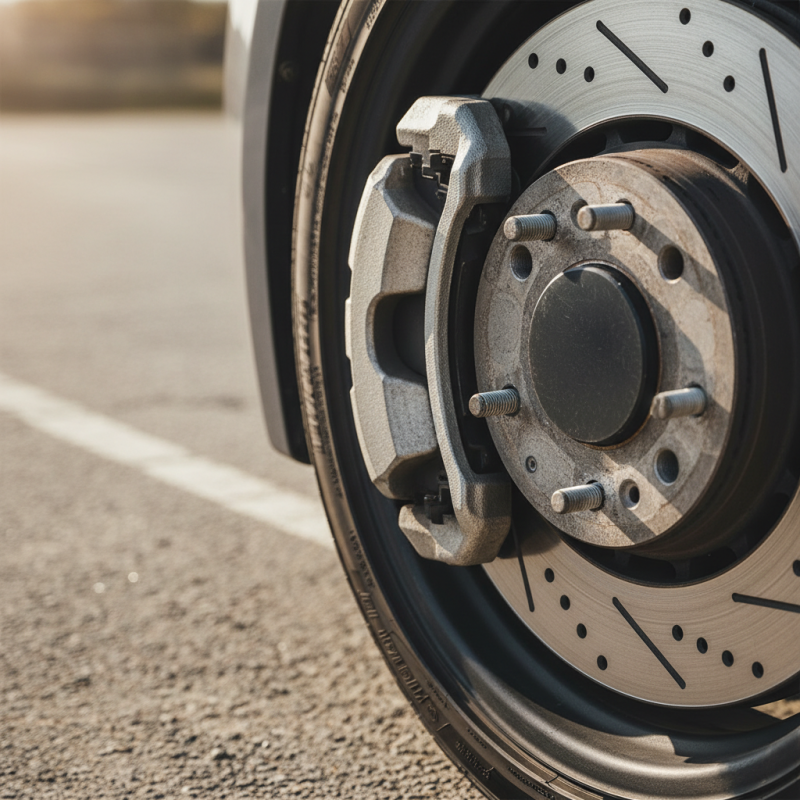
Brake pads play a crucial role in vehicle safety and performance. Understanding their types and functions can help you maximize their lifespan and improve your driving experience. Generally, there are three common types of brake pads: organic, semi-metallic, and ceramic. Each has unique properties that affect wear and performance. Organic pads are quieter but may wear out faster. Semi-metallic pads offer better performance under heat but can create more noise. Ceramic pads strike a balance, providing durability and quiet operation.
To extend the lifespan of your brake pads, consider these tips. Regularly inspect your brake system for wear and tear. This includes checking disc rotors and calipers. Properly lubricating the caliper slides can also prevent uneven wear. Additionally, maintaining appropriate driving habits, like avoiding sudden stops, helps reduce excessive friction.
Many drivers overlook the importance of brake fluid. Ensure it’s at the correct level and replace it as recommended. Old fluid can lead to decreased efficiency and increased wear. Monitoring your vehicle's weight load can also impact brake pad lifespan. Overloading your vehicle adds stress to the braking system, leading to faster wear. Remember, regular maintenance and mindful driving can significantly improve the longevity of your brake pads.
| Brake Pad Type | Material | Lifespan (miles) | Noise Level | Cost ($) |
|---|---|---|---|---|
| Organic | Non-metallic compounds | 30,000 - 50,000 | Low | 50 - 70 |
| Semi-Metallic | Metal particulates + resin | 30,000 - 70,000 | Medium | 70 - 100 |
| Ceramic | Ceramic fiber + resin | 50,000 - 80,000 | Low | 100 - 150 |
| Plastic | Plastic compounds | 25,000 - 40,000 | High | 30 - 60 |
: The three types are organic, semi-metallic, and ceramic. Each has unique properties affecting performance.
Regular inspection, proper lubrication, and mindful driving habits help extend brake pad life.
Ensure the brake fluid is at the correct level and replace it as needed. Old fluid affects efficiency.
Look for screeching sounds, cracks, or visible wear. Vibration in the brake pedal is also a sign.
Inspect brake pads every 20,000 to 30,000 miles, though driving habits may affect this.
Yes, overloading your vehicle increases stress on the brakes and can lead to faster wear.
Always prioritize quality over cost. Good pads enhance performance and safety during emergency stops.
Many drivers neglect regular inspection, leading to premature failure and safety risks.
Aggressive driving can lead to quicker wear of brake pads, reducing their lifespan.
Yes, different materials offer various benefits. Ceramic pads can last much longer in some conditions.
The article "2026 How to Maximize Your Brake Pad Lifespan Sicher?" explores essential aspects of brake pads, focusing on their types, functions, and longevity. Understanding what affects brake pad lifespan is crucial for vehicle maintenance. Factors such as driving habits, environmental conditions, and the quality of the brake pads play a vital role in determining how long they last.
To extend brake pad life, the article provides practical maintenance tips, including regular inspections and avoiding aggressive driving. It also highlights signs indicating it's time to replace brake pads, ensuring safety and performance. Ultimately, choosing the right brake pads tailored to your vehicle can significantly contribute to their lifespan and overall efficiency.

 MOAD AUTO