How Often Should You Inspect Brake Pads for Safety?

Time:2026-05-16 Author:Sienna
0%

Brake pads play a crucial role in vehicle safety. They enable effective stopping, preventing accidents and ensuring peace of mind. However, many drivers overlook the importance of regular inspections. This raises a critical question: how often should brake pads be inspected?

Experts recommend checking brake pads every 10,000 to 15,000 miles. This frequency helps identify wear and tear before it becomes a safety issue. Regular inspections can uncover subtle signs of deterioration, such as uneven wear or glazing. Ignoring these signs can lead to costly repairs or accidents.

Drivers often underestimate the risks involved. Some may assume that brake pads are fine without checking. Yet, the consequences of neglect can be severe. Make it a habit to monitor your brake pads. This simple action can enhance your safety on the road. Understanding the importance of regular inspections is essential for every driver.
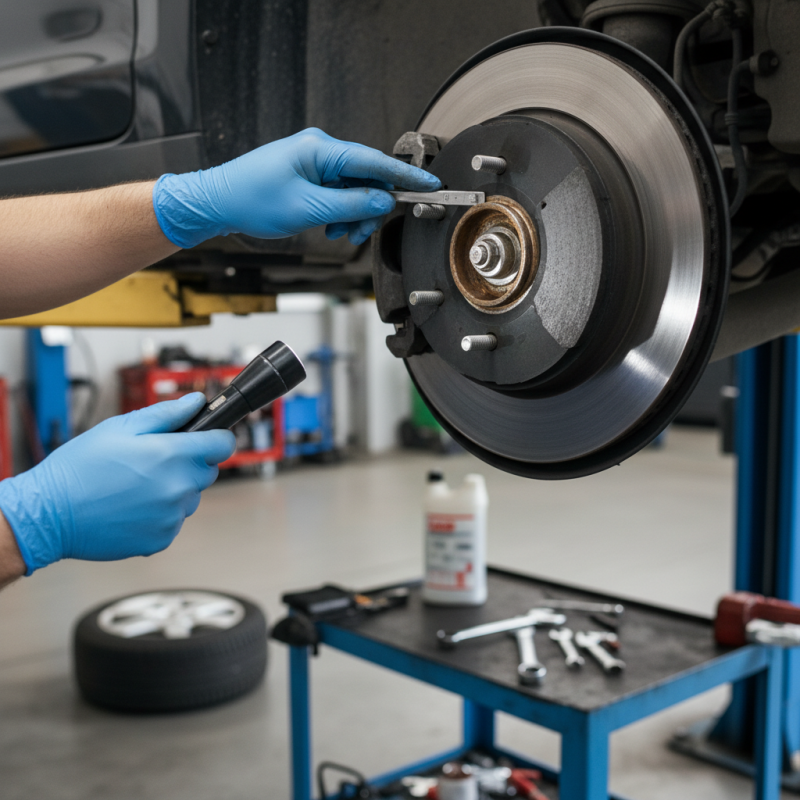
How Often Should You Inspect Brake Pads for Safety?

Importance of Brake Pad Inspections for Vehicle Safety

Brake pads play a crucial role in ensuring vehicle safety. Regular inspections can prevent potentially dangerous situations. If your brake pads wear out, stopping distances can increase, leading to accidents. Therefore, maintaining a routine inspection schedule is vital.

Most experts suggest checking brake pads every 10,000 miles. However, it can vary based on driving habits and conditions. For those in urban areas, frequent stops wear pads down faster. In contrast, highway driving may allow for longer intervals. Listen for unusual noises when braking. Squeaking or grinding sounds indicate immediate attention is needed.

Tips: Check for thickness during inspections. If the pads are less than a quarter-inch thick, replace them. Additionally, look for uneven wear patterns. This can signal problems with the braking system. Don’t hesitate to consult a professional mechanic if unsure about your brake pads’ condition. Their expertise can save lives and ensure a smooth braking experience.

How Often Should You Inspect Brake Pads for Safety? - Importance of Brake Pad Inspections for Vehicle Safety

Inspection Frequency Signs of Wear Recommended Action Impact on Safety
Every 6 months Squeaking or squealing noises Inspect and replace if necessary Ensures effective braking
Every 10,000 miles Vibration during braking Check alignment and replace pads Reduces risk of accidents
Annually Brake warning light illuminated Immediate inspection required Critical for driver safety
Every oil change (3,000 to 5,000 miles) Dashboard alerts Routine check and service Maintains vehicle reliability

Recommended Frequency for Brake Pad Inspections by Experts

Inspecting your brake pads regularly is crucial for safe driving. Experts recommend checking them every 10,000 to 12,000 miles or at least once a year. However, this frequency can vary based on driving habits and conditions. If you often drive in heavy traffic or go on long trips, consider more frequent inspections.

Listening for unusual sounds can indicate brake issues. Squeaking or grinding noises are signs that your brake pads may need replacement. Pay attention to how your vehicle responds when braking. If you feel vibrations, have them checked immediately.

Tips for maintaining brake pads include: keep your brakes clean, avoid sudden stops, and check for leaks. Regularly checking brake fluid levels is also essential. Ensure your mechanic inspects other brake components too, not just the pads. Regular maintenance prevents costly repairs later. Driving cautiously and being aware of your vehicle's performance can save lives.

Signs Indicating the Need for Immediate Brake Pad Inspection

Brake pads play a crucial role in vehicle safety. Over time, they wear down and require inspection. It’s important to know the signs that indicate an immediate inspection is necessary. One critical sign is a squeaking noise when you apply the brakes. This noise often signifies that the brake pad material is wearing thin. Additionally, if you feel vibrations in the brake pedal, it may suggest uneven wear or issues with the brake components.

Another telltale sign for inspection is the warning light on your dashboard. Ignoring this light can lead to serious safety concerns. Observing unusual pulls to one side when braking can also be alarming. This may indicate that brake pads are unevenly worn or that the braking system needs attention.

Tips for maintaining your brake pads: Regularly check for any visible wear on the pads. If they appear less than 1/4 inch thick, they likely need replacing. A professional inspection every 20,000 miles can help catch potential problems early. Trust your instincts—if something feels off, don’t hesitate to seek expert advice. Taking these simple steps can save you from larger issues down the road.

Impact of Driving Conditions on Brake Pad Wear Rates

Driving conditions significantly influence brake pad wear rates. Urban environments, with frequent stops and starts, can accelerate wear. Dust, moisture, and temperature fluctuations also affect performance. These conditions lead to increased friction, causing brake pads to wear out faster than under ideal conditions.

Off-road or aggressive driving can further heighten the wear. Hard braking can create excessive heat, damaging the pads. Understanding your driving habits is crucial. Regular inspections are essential, especially if driving in challenging conditions. The wear may not always be visible. Sometimes, even slight changes can indicate potential issues.

Maintaining awareness of how environments impact brake performance helps ensure safety. It’s not just about routine checks; it's about understanding the broader context. Keeping a close eye on wear can save lives. Don’t neglect these vital components.

Brake Pad Inspection Frequency Based on Driving Conditions

Average Lifespan of Brake Pads and Maintenance Recommendations

Brake pads are a crucial component of your vehicle’s safety system. Regular inspection is vital to ensure your brake pads are functioning correctly. On average, brake pads last between 30,000 to 70,000 miles. However, this lifespan can vary based on driving habits, vehicle type, and environmental conditions. City driving often leads to quicker wear due to frequent stopping.

It’s recommended to check brake pads every 6,000 miles or during routine maintenance. If you hear squeaking sounds when braking, it’s time for an inspection. Signs like reduced responsiveness or a gritty feeling when pressing the brakes indicate they may be worn. Many vehicle owners overlook these signs, which can lead to costly repairs later. Regular checks can prevent accidents and provide peace of mind. Maintaining your brake pads shows responsibility towards your safety and that of others on the road.

FAQS

: How often should I inspect my brake pads?

: Inspect brake pads every 10,000 to 12,000 miles or at least once a year. Adjust based on driving habits.

What sounds indicate brake pad issues?

Squeaking or grinding noises often suggest that brake pads need replacing. Pay attention to these sounds.

What should I feel when I brake?

Vibrations when braking can signal problems. If you feel them, have your brakes checked immediately.

How can I maintain my brake pads?

Keep brakes clean, avoid sudden stops, and regularly check brake fluid levels. These steps help prolong their lifespan.

What signs mean I need an immediate brake inspection?

Look for squeaking noises, vibrations in the pedal, or warning lights on your dashboard. Don't ignore these signs.

What is the average lifespan of brake pads?

Brake pads typically last between 30,000 to 70,000 miles. Many forget to consider their driving conditions.

How can I tell if my brake pads are worn?

If they appear less than 1/4 inch thick, they likely need replacing. Regular visual checks are essential.

Can poor brake maintenance lead to more issues?

Yes, overlooking brake maintenance can result in costly repairs or accidents later. Staying vigilant is crucial.

When should I seek professional help for my brakes?

If something feels off or unusual, trust your instincts and consult an expert. It's better to be safe.

Why are regular brake checks important?

They ensure safety and can prevent costly long-term problems. Regular maintenance shows responsibility toward road safety.

Conclusion

Brake pad inspections are crucial for ensuring vehicle safety, as they play a vital role in the effectiveness of a car's braking system. Experts recommend that drivers should inspect brake pads regularly, ideally at least once every 6 months, but more frequent checks may be necessary depending on driving habits and conditions. It's essential to be aware of signs that indicate immediate inspection is needed, such as unusual noises, vibrations while braking, or a warning light on the dashboard.

Driving conditions significantly impact brake pad wear rates; frequent stop-and-go traffic, mountainous terrain, or aggressive driving can accelerate deterioration. Generally, the average lifespan of brake pads ranges from 30,000 to 70,000 miles, but regular maintenance and timely inspections can prolong their life. Therefore, understanding how often should brake pads be inspected is fundamental for maintaining vehicle safety and performance.

Sienna

Sienna

Sienna is a skilled marketing professional with a deep expertise in our company’s core products and services. With a passion for innovation and detail, she plays a pivotal role in crafting insightful blog posts that not only highlight the unique features of our offerings but also provide valuable......