How to Identify the Latest Trends in Braking Technology?

Time:2026-11-24 Author:Henry
0%

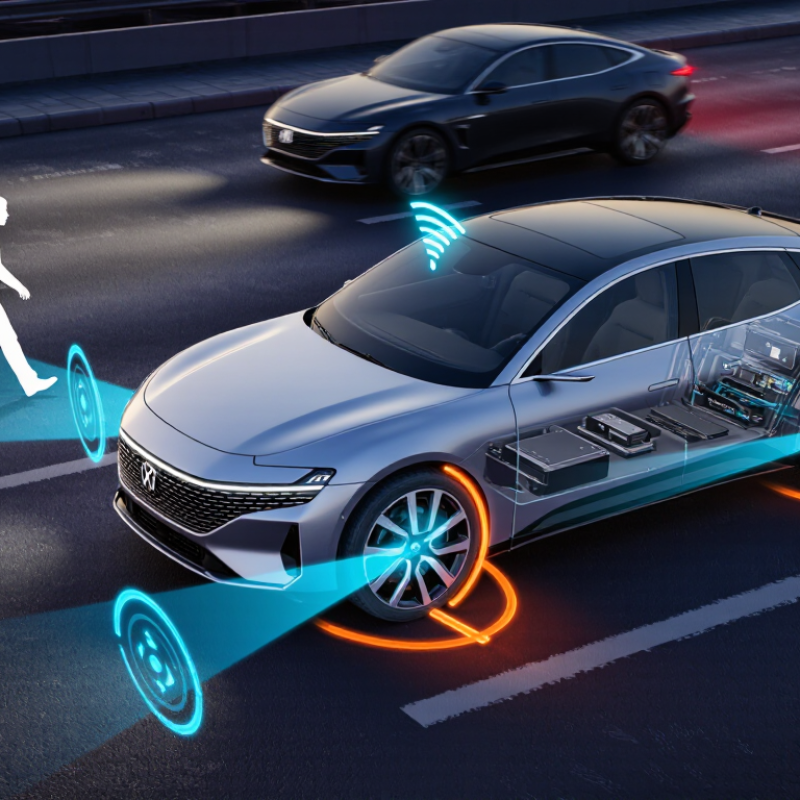
To understand what are the latest trends in braking technology, look beyond the brake pedal. Modern systems increasingly combine automatic emergency braking, electronic controls, regenerative braking, and software-based diagnostics. In an electric vehicle, for example, braking may blend motor regeneration with friction brakes; the transition should feel steady, not grabby. Brake-by-wire systems are also gaining attention because they can coordinate braking more precisely with vehicle software. Yet performance still depends on reliable sensors, calibration, and testing.

The safety case is clear. The World Health Organization’s Global Status Report on Road Safety 2023 estimates that 1.19 million people die in road crashes each year. In 2024, the U.S. National Highway Traffic Safety Administration finalized a rule requiring automatic emergency braking, including pedestrian detection, on new passenger cars and light trucks by September 2029. Transportation Secretary Pete Buttigieg said, “This rule will save lives and make our roads safer.” That statement is a useful policy signal, though it is not a substitute for independent system testing.

For a practical trend check, compare real-world stopping performance, low-light pedestrian detection, braking smoothness, and how well regenerative and friction braking work together. Examine published test methods and safety data, not just feature lists. Watch for updates from NHTSA, the Insurance Institute for Highway Safety, and SAE International. The details matter. A camera can miss what glare obscures, and a polished software demo cannot prove durability. Technology is moving quickly; the evidence does not always keep pace.
How to Identify the Latest Trends in Braking Technology?

Understanding the Core Functions of Modern Braking Systems

Modern braking systems do more than slow a vehicle. Their core job is to turn pedal input into controlled force at the wheels. In a conventional hydraulic system, fluid carries pressure to the calipers, where pads press against rotating discs. The contact creates friction and heat. It is a simple chain, but each part must respond predictably.

Electronic controls add another layer. Anti-lock braking systems adjust brake pressure when a wheel is close to locking, helping the driver maintain steering control. Stability control can apply braking to individual wheels when the vehicle begins to drift from its intended path. These systems support the driver; they do not cancel the limits of speed, tires, or road grip. Not magic. On wet pavement, a safe following distance still matters.

Some newer vehicles also use regenerative braking, which converts part of the vehicle’s motion into electrical energy. Friction brakes remain important, especially during hard stops or when regenerative braking cannot provide enough force. Sensors and control software manage the handoff, though the feel of the pedal can vary between vehicles. That difference is easy to overlook. When assessing braking technology, pay attention to how smoothly systems coordinate, how clearly the driver receives feedback, and whether routine inspections can catch worn pads, leaks, or damaged lines. The hardware may be advanced; maintenance is still ordinary work.

Mapping the Main Types of Braking Technology

Braking technology is easier to compare when separated by what creates friction and what supplies the force. Disc brakes press pads against a rotating rotor, shedding heat through an exposed surface. Drum brakes push shoes outward inside a drum. They can be compact and durable, though heat may escape less readily under repeated hard stops. That difference matters on a long descent.

The force can come through hydraulic or pneumatic systems. Hydraulic brakes use fluid pressure to move pistons, a common arrangement in passenger vehicles. Pneumatic brakes use compressed air and are widely used in heavy vehicles. These are actuation methods, not alternatives to disc or drum designs; a vehicle can combine them. The categories overlap. That distinction is easy to miss.

Newer systems add electronic control and energy recovery. Anti-lock braking adjusts pressure to help preserve steering control during hard stops. Regenerative braking uses an electric motor to slow a vehicle and return some energy to its battery. It often works alongside conventional friction brakes, which remain important when the battery cannot accept much charge or a quick stop is needed. In practice, performance depends on heat, load, road grip, and maintenance. A clean specification sheet cannot show every worn pad or slick patch. I would be cautious about calling one type universally best.

Tracking Emerging Materials, Controls, and Designs

How to Identify the Latest Trends in Braking Technology?
Tracking Emerging Materials, Controls, and Designs

Braking trends are easiest to spot when materials, controls, and hardware are considered together. New friction materials may aim to reduce dust, resist heat, or use more recycled content. But a promising lab result does not prove reliable performance on a wet morning or after repeated stops. Look for test conditions, wear measurements, and clear comparisons with established materials. Small clues matter.

Control systems are also changing. Sensors and software can coordinate regenerative braking with friction brakes, helping maintain a steady pedal feel as conditions change. Useful evidence includes low-speed behavior, response consistency, and what happens if a sensor signal is lost. Design updates deserve the same scrutiny. Rotor ventilation, caliper shape, and heat paths can affect cooling, noise, and packaging. A clever drawing is not enough.

To track emerging work, compare technical papers, supplier data, teardown findings, and maintenance reports from real vehicles. Check whether results hold across temperature, water, and repeated braking—not just one ideal test. A prototype may look impressive. It may still wear unevenly or prove difficult to service. That part is easy to overlook, and it deserves a closer look.

Evaluating Trends Through Research and Industry Evidence

To identify real braking trends, compare research papers with evidence from controlled tests and field use. A new system may look impressive in a demonstration, but stopping distance alone tells little. Check test speed, vehicle load, road temperature, tire condition, and whether measurements were repeated. These details can change the result. Small print matters.

Industry evidence adds practical context. Review technical papers, supplier disclosures, service bulletins, and fleet-maintenance data, while noting who funded each study. Look for repeated findings across independent sources, not a single striking claim. For regenerative braking, for example, examine how smoothly friction brakes take over when battery recovery is limited. For electronic systems, ask how performance changes after sensor faults or heat buildup. The picture is rarely tidy. Some reports omit useful test conditions, and that weakens confidence. A trend is more credible when laboratory results align with real-world durability, repair needs, and consistent braking feel. Keep an evidence log with dates, methods, and unresolved questions; early conclusions may need revision.

How to Identify the Latest Trends in Braking Technology?

Global Electric Car Sales, 2020–2024 (millions of cars; rounded)

Rising electric-car sales provide context for the growing relevance of regenerative braking, which recovers energy during deceleration. These figures indicate market growth, not regenerative-braking adoption or performance directly.

Source: International Energy Agency (IEA), Global EV Outlook 2025.

Assessing Safety, Compatibility, and Adoption Readiness

To assess a braking trend, look beyond headline stopping-distance figures. Ask how the system performs when brakes are hot, roads are wet, or a vehicle carries a heavy load. Numbers matter. Review the test conditions, repeatability, and failure behavior, not just the best result. Sensor-based features also need scrutiny: warning accuracy and response to faults can matter as much as normal operation. A tidy spreadsheet can still create false confidence.

Compatibility is practical, not just a matter of fitting the hardware. Check clearances, hydraulic or electronic interfaces, control calibration, and diagnostic access. Confirm that technicians can inspect and service the system with available tools. A promising component may require changes elsewhere in the vehicle. That detail is easy to underestimate.

Adoption readiness depends on evidence from real operating conditions. A limited pilot can reveal heat buildup, unexpected alerts, maintenance demands, and driver confusion before wider use. Track those observations alongside stopping performance and lifecycle costs. Seek independent test data where possible, and record what remains uncertain. The process will not be perfect; early trials may expose gaps in the evaluation plan itself. Keep those gaps visible rather than treating incomplete evidence as proof of readiness.

FAQS

How do hydraulic disc brakes slow a vehicle?

Brake fluid carries pedal pressure to the calipers. Pads press against rotating discs, creating friction and heat. Simple, but every part must respond predictably.

How do anti-lock braking and stability control help?

Anti-lock braking adjusts pressure when a wheel nears lockup, helping preserve steering control. Stability control can brake individual wheels when a vehicle drifts. Not magic.

What is regenerative braking?

An electric motor slows the vehicle and returns some motion energy to its battery. Friction brakes still matter during hard stops or limited energy recovery.

How do disc and drum brakes differ?

Disc pads clamp an exposed rotor, which can release heat. Drum shoes press outward inside a drum. Heat may escape less readily during repeated hard stops.

Are hydraulic and pneumatic brakes competing designs?

No. They describe how force is delivered. Hydraulic brakes use fluid; pneumatic brakes use compressed air. Either can be paired with disc or drum brakes.

What should braking tests measure besides stopping distance?

Check performance with hot brakes, wet roads, and heavy loads. Review test conditions, repeatability, and fault behavior. One good number is not enough.

What should be checked before fitting a braking system?

Inspect clearances, hydraulic or electronic interfaces, calibration, and diagnostic access. Confirm technicians have suitable service tools. Compatibility can hide surprises.

How can a pilot test reveal whether a system is ready?

Track heat buildup, unexpected alerts, maintenance needs, driver confusion, stopping performance, and lifecycle costs. Keep unknowns visible. Early tests can miss things; revise the plan when they do.

Conclusion

Understanding how modern braking systems function is the first step in identifying meaningful developments. Brakes must convert motion into controlled stopping while supporting stability, responsiveness, and dependable performance across different driving conditions. Comparing established braking approaches helps clarify how newer designs build on existing systems and where they may offer practical improvements.

To answer “what are the latest trends in braking technology,” examine advances in materials, electronic controls, system integration, and braking designs, then verify their significance through research and credible industry evidence. A promising development is not automatically ready for widespread use: its safety, compatibility with existing vehicles, durability, maintenance needs, and real-world performance also matter. Considering these factors together helps distinguish lasting progress from early concepts and provides a balanced view of which technologies may be suitable for broader adoption.

Henry

Henry

Henry is a dedicated marketing professional with a profound expertise in the company's offerings. With years of experience in the industry, he possesses an impressive understanding of the market dynamics and consumer behaviors that drive success. Henry is committed to sharing his insights through......