China Top Brake Pads How Do Driving Habits Affect Wear?

Time:2026-09-13 Author:Ethan
0%

Brake pads are not worn by distance alone. Traffic, speed, road grades, and driver response shape their working life. This is why the question “how do driving habits affect brake pad wear” matters when evaluating China top brake pads. A careful driver may preserve friction material for many more kilometers. An impatient driver may create heat within minutes.

James E. Halderman, an automotive educator and author, explains, “Brake wear depends heavily on how the driver uses the brake.” That observation is simple, but important. Repeated hard braking converts motion into intense heat. Riding the pedal down a hill keeps the pads touching the rotors. Sudden stops at crowded intersections can leave a sharp, hot smell near the wheels. Gentle braking gives the system more time to cool.

Small habits matter.

Coasting earlier reduces pedal pressure. Keeping a safe following distance limits emergency stops. Selecting a lower gear on long descents can reduce unnecessary braking, although it cannot replace proper brake inspection. City driving usually wears pads faster than steady highway travel. Heavy vehicles, frequent loads, and dusty roads add further stress.

The comparison is not perfect. Brake pad wear also depends on rotor condition, caliper movement, vehicle weight, and compound design. A premium pad cannot correct a sticking caliper. Nor can a careful driver ignore uneven thickness or vibration. Therefore, this guide will examine driving behavior alongside material quality, temperature control, noise, and service evidence. Real-world testing remains essential. Specifications alone can miss what happens at the wheel.
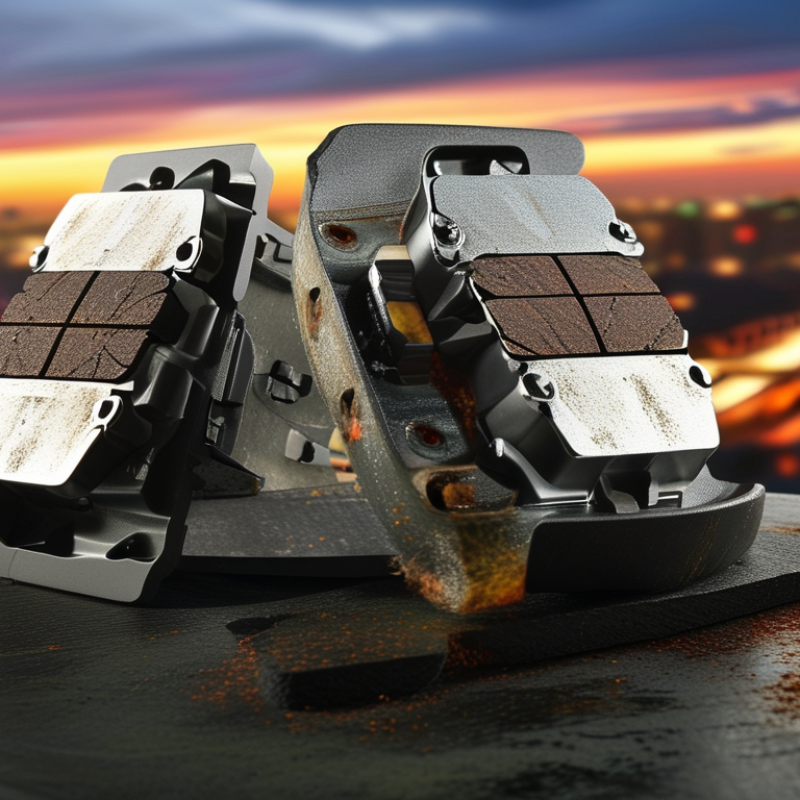
China Top Brake Pads How Do Driving Habits Affect Wear?

How Brake Pads Work and Why Driving Habits Influence Their Wear

China Top Brake Pads: How Do Driving Habits Affect Wear?

Brake pads convert vehicle motion into heat through friction. When you press the pedal, the caliper pushes the pads against a rotating disc. This contact slows the wheel, while heat travels through the pad, disc, and surrounding air. In practical inspections, uneven wear often reveals more than pad age. One pad may become thinner because of a sticking caliper, poor alignment, or repeated heat exposure. I once assumed gentle pedal pressure always meant low wear. That was incomplete. Frequent light braking can still create heat during heavy traffic.

Driving habits strongly influence this process. Sudden stops produce higher temperatures and can harden the pad surface, reducing friction temporarily. Resting your foot on the pedal keeps the pads touching the disc. Long downhill driving is also demanding, especially when the vehicle carries extra weight. Using a suitable lower gear can reduce brake workload, but it does not replace careful speed control. Short trips may leave moisture and dust around the braking system. That deserves attention.

Tips: Keep a safe following distance and brake smoothly. Avoid carrying unnecessary weight. On long descents, slow down before the slope and check for burning smells, vibration, or a soft pedal. Inspect pad thickness during routine service, not only after noise appears. A simple measurement is more dependable than guessing from mileage. Habits differ, and so does wear. Regular checks catch that difference early.

Braking Habits That Accelerate Wear on China-Made Brake Pads

Driving habits can wear China-made brake pads faster than expected, regardless of their material or manufacturing quality. The pad needs proper heat control.

Repeated hard stops generate intense heat at the friction surface. In city traffic, riding the brake pedal keeps the pads touching the rotor unnecessarily. This creates constant friction, even when the vehicle is moving slowly. Carrying heavy cargo or towing adds more pressure during every stop. On steep roads, some drivers shift into neutral and depend heavily on the brakes. That habit can cause glazing, reduced bite, and uneven wear.

Short trips can be demanding too. A cold pad may need several stops before reaching its working range. Wet roads, dust, and long parking periods can create surface rust on the rotor. Gentle braking helps clean the contact area. Do not rest your foot on the pedal.

From a maintenance perspective, inspect pad thickness and wear patterns together. One pad wearing faster may indicate a sticking caliper, guide-pin problem, or rotor issue. Replacing pads alone may not solve it. I have seen drivers blame the pad immediately, while their braking habits created most of the heat. That assumption deserves a second look. Follow the supplier’s bedding procedure after installation, and avoid aggressive stops during the first several dozen kilometers. Abrupt braking is sometimes unavoidable, but using it as a routine driving style shortens service life.

Driving Conditions That Change Brake Pad Lifespan

China Top Brake Pads: How Do Driving Habits Affect Wear?

Brake pad lifespan depends heavily on daily driving conditions, not only material quality. In workshop inspections, frequent city braking often shows faster wear than steady highway driving. Stop-and-go traffic keeps pads working through hundreds of short braking events. Short trips can be demanding.

Heavy vehicles and full cargo also increase heat at each stop. On steep roads, drivers who ride the brake pedal may create constant friction. This can cause glazing, noise, or uneven pad wear. A lower gear can reduce brake use on long descents. It should not replace careful braking.

Weather and road surfaces matter as well. Rain can temporarily reduce friction, while road grit may score the rotor surface. Winter salt and moisture can encourage corrosion around brake components. Drivers should allow extra distance instead of braking sharply on wet roads. Smooth pressure helps control heat.

Speed changes the picture. A hard stop from high speed produces much more heat than several gentle stops. Aggressive acceleration followed by sudden braking can shorten service life quickly. Electric vehicles may use regenerative braking, but their friction pads still need regular inspection. This is often overlooked. Mileage estimates remain imperfect because traffic, load, terrain, and driving habits differ. Checking pad thickness, rotor condition, and braking response gives a more reliable maintenance decision.

China Top Brake Pads: How Do Driving Habits Affect Wear? - Driving Conditions That Change Brake Pad Lifespan

Driving Condition or Habit Typical Brake Use Effect on Brake Pad Wear Relative Wear Impact Indicative Pad-Life Range* Practical Ways to Reduce Wear
Gentle driving on open roads Gradual braking with relatively few stops and long cooling periods Produces comparatively low heat and friction, allowing the friction material to wear slowly. Low Approximately 50,000–100,000 km Anticipate traffic, release the accelerator early, and maintain a safe following distance.
Frequent urban stop-and-go traffic Repeated acceleration and braking at intersections and congested roads More braking events increase friction cycles and operating temperature, accelerating wear. High Approximately 25,000–60,000 km Keep a steady gap, avoid unnecessary acceleration, and use traffic flow to reduce sudden stops.
Aggressive acceleration followed by hard braking Late, forceful braking from relatively high speeds Generates high friction energy and heat, which can increase pad wear and may contribute to brake fade. Very high Approximately 20,000–40,000 km Brake earlier and more progressively instead of waiting until the last moment.
Frequent downhill driving Continuous braking to control vehicle speed on slopes Extended brake application keeps the pads and rotors hot and can cause rapid wear or glazing. Very high Approximately 20,000–50,000 km Use an appropriate lower gear and engine braking; avoid resting a foot on the brake pedal.
Heavy vehicle loads or towing Braking a vehicle with passengers, cargo, or a trailer Greater vehicle mass requires more braking energy, increasing heat generation and friction-material consumption. High Approximately 20,000–50,000 km Allow more stopping distance, avoid overloading, and inspect the braking system more frequently.
Stop-and-go driving with frequent idling Repeated short trips and many low-speed stops Frequent brake applications can raise wear even when average road speed is low. Medium to high Approximately 30,000–60,000 km Combine short journeys where practical and maintain smooth, predictable speed changes.
Motorway or highway cruising Long periods of steady speed with occasional braking Usually involves fewer braking events, so pad wear is often lower unless high-speed emergency braking is common. Low to medium Approximately 50,000–100,000 km Maintain a safe following distance and avoid repeated high-speed braking.
Wet, muddy, or dusty roads Braking in conditions where water, grit, or road debris may reach the brakes Moisture can temporarily reduce friction, while abrasive contamination may increase surface wear and noise. Medium Approximately 30,000–70,000 km Brake lightly after driving through deep water to restore dry contact, and clean or inspect contaminated components.
Cold-weather operation and road salt Driving in low temperatures or on roads treated with salt Cold conditions can reduce initial friction, while corrosion and contamination may affect pad and rotor contact. Medium Approximately 30,000–70,000 km Allow the brakes to work progressively after starting and rinse salt residue from the vehicle when appropriate.
Dragging brakes or caliper malfunction A pad remains in contact with the rotor after the brake pedal is released Continuous friction causes abnormal heat, uneven pad wear, reduced fuel economy, and possible rotor damage. Very high May be less than 20,000 km Have the caliper, slide pins, hose, and parking-brake mechanism inspected promptly.
Improper bedding-in after pad replacement Heavy braking or prolonged braking before the new friction surfaces are conditioned Uneven transfer-film formation may cause noise, vibration, reduced performance, and irregular wear. Medium to high Life may be reduced significantly Follow the vehicle or pad maker's bedding procedure and avoid severe braking during the initial period.

*Indicative pad-life ranges are general estimates for passenger vehicles under normal maintenance conditions. Actual service life varies with vehicle mass, brake design, friction material, road surface, climate, wheel alignment, driving technique, and inspection practices. Brake pads should be checked according to the vehicle maintenance schedule and replaced when the manufacturer's minimum thickness or wear indicator requires it.

Signs of Uneven or Excessive Brake Pad Wear

Uneven brake pad wear often appears before serious braking problems. Inspect the inner and outer pads through the wheel opening. One pad may look thick, while its partner is nearly bare. This difference can indicate a sticking caliper, seized slide pin, or uneven hydraulic pressure. Tapered friction material also deserves attention.

Excessive wear creates clear clues. A thin pad may expose its wear indicator and produce a sharp metallic squeal. Grinding, burning smells, or dark blue rotor marks require immediate inspection. The vehicle may pull sideways during braking, especially on a wet road. Steering-wheel vibration can point to rotor damage, although it does not prove pad failure.

Driving habits strongly influence pad life. Frequent hard stops, heavy traffic, and riding the brake on downhill roads raise heat quickly. Carrying heavy loads adds pressure to every braking event. A practical check should compare pad thickness across both sides of the axle, not just one visible pad. Technicians should also inspect the caliper, rotor surface, and brake fluid condition. A quiet brake is not always a healthy brake. Dust can hide wear, and a careful inspection may reveal more than sound. It is easy to blame the pads too soon.

China Top Brake Pads: How Do Driving Habits Affect Wear?

Stop-and-go traffic, frequent hard braking, heavy loads, and downhill driving generally increase brake-pad wear compared with steady highway driving. The chart uses a relative brake-use intensity index, with mixed driving set to 100. Actual wear depends on vehicle weight, road conditions, brake design, climate, and maintenance.

Practical Ways to Extend Brake Pad Service Life

China Top Brake Pads: How Do Driving Habits Affect Wear?

Practical Ways to Extend Brake Pad Service Life

Brake pads wear fastest during repeated hard stops, heavy traffic, and downhill driving. A 2023 report from the U.S. Department of Energy states that aggressive driving can reduce fuel economy by 15–30%. The same habits also create more heat at the braking surfaces. Smooth acceleration and earlier lifting from the throttle reduce unnecessary braking. Leave a four-second gap in rain and crowded streets. It gives you space to slow gradually.

Use engine braking on long descents, but do not rely on it alone. Shift down before the slope, then apply firm, brief pedal pressure when needed. Avoid resting your foot on the pedal. Even light contact can keep the pads near the rotor. The National Highway Traffic Safety Administration recommends regular vehicle inspections, while professional brake-service data commonly identifies uneven pad thickness as a warning sign of caliper or guide-pin problems. Check for steering pull, vibration, grinding, or a burning smell. Do not ignore these clues.

Measure pad thickness during tire rotation or every 10,000–12,000 kilometers, following the vehicle maker’s schedule. Service life varies widely with load, road grade, climate, and driving style. I have seen drivers replace pads too early because of noise, and others wait too long. Both choices can be costly. A clean inspection matters more than guessing from mileage.

FAQS

How do brake pads slow a vehicle?

A caliper presses the pads against a rotating disc. Friction changes motion into heat. The heat moves through the pads, disc, and surrounding air.

Which driving habits wear brake pads faster?

Sudden stops create intense heat. Resting your foot on the pedal causes constant contact. Heavy traffic can wear pads, even with light pressure.

Can gentle braking still cause significant wear?

Yes. Frequent light braking may produce heat during crowded traffic. I once assumed gentle pressure meant low wear. That assumption was incomplete.

Why is long downhill driving demanding?

Continuous braking keeps the friction surfaces hot. Extra cargo increases the workload. Slow down before the slope and use a suitable lower gear.

Does shifting into neutral help control downhill speed?

Relying heavily on the brakes is demanding. It may cause glazing, reduced bite, and uneven wear. Careful speed control remains necessary.

What signs suggest uneven brake pad wear?

One pad may look thick while its partner is nearly bare. Tapered friction material is another warning. A sticking caliper or seized slide pin may be involved.

What symptoms require prompt brake inspection?

Watch for grinding, burning smells, dark blue rotor marks, or a soft pedal. Pulling sideways also deserves attention. Do not wait for noise alone.

How should brake pads be checked during maintenance?

Compare pad thickness on both sides of the axle. Inspect the caliper, guide pins, rotor, and brake fluid condition. Mileage alone can mislead.

Can short trips affect brake condition?

Yes. Cold pads may need several stops before reaching their working range. Moisture, dust, and surface rust can gather during short trips.

What should drivers do after installing new brake pads?

Follow the recommended bedding procedure. Avoid aggressive stops during the first several dozen kilometers. This is not a perfect rule, but it reduces unnecessary heat.

Conclusion

Brake pads convert the vehicle’s motion into heat through friction, so driving style has a direct effect on their service life. The question “how do driving habits affect brake pad wear” can be answered by looking at braking frequency, pressure, and timing. Sudden stops, repeated hard braking, riding the brake pedal, and accelerating aggressively before braking create excess heat and friction, causing faster and sometimes uneven wear. Even high-quality brake pads made in China may wear quickly when subjected to these habits.

Traffic conditions also matter. Heavy urban congestion, steep roads, frequent downhill driving, carrying heavy loads, and dusty or wet environments can shorten pad lifespan. Drivers should watch for squealing, grinding, vibration, pulling to one side, or a longer stopping distance, as these may indicate excessive or uneven wear. To extend service life, maintain a safe following distance, brake smoothly and early, use engine braking on descents, avoid unnecessary loads, and arrange regular inspections of the brake system.

Ethan

Ethan

Ethan is a seasoned marketing professional with a deep expertise in our company's innovative product line. With a passion for sharing knowledge and insights, he takes the lead in regularly updating our corporate blog, where he explores industry trends, product features, and effective marketing......