How to Ensure Safety in Braking Systems?

Time:2026-10-08 Author:Sophia
0%

Braking systems must perform reliably when traffic, weather, and human reactions become unpredictable. A driver may notice a soft pedal, unusual vibration, or a sharp metallic sound before failure occurs. These small signals deserve immediate attention. The question is practical and urgent: how to ensure safety in braking systems without relying on assumptions? Safe performance begins with sound design, correct installation, and disciplined maintenance.

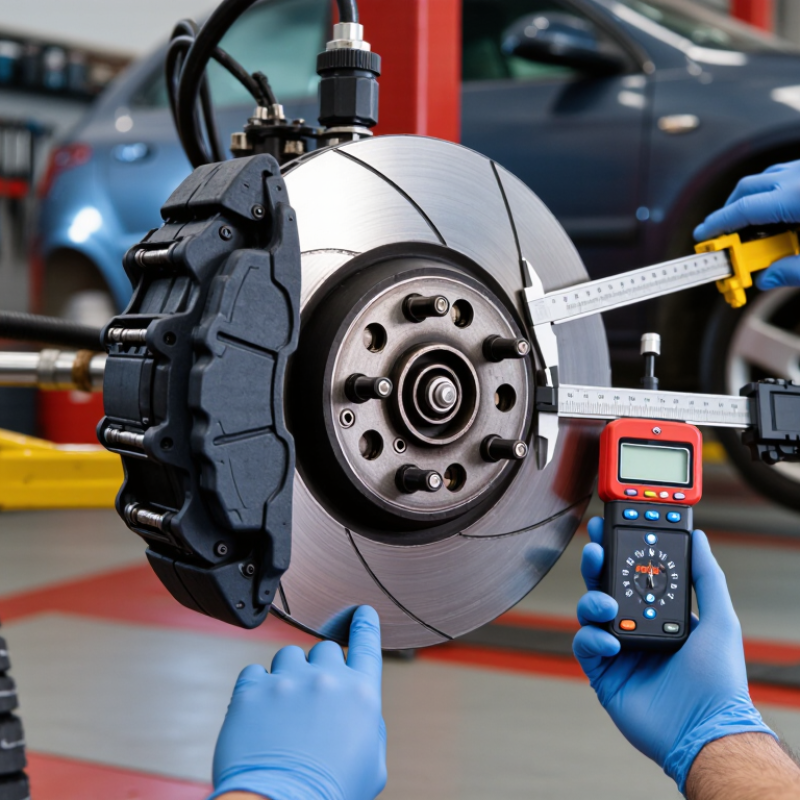
Experienced technicians inspect brake pads, discs, drums, calipers, hoses, fluid, and electronic sensors as one connected system. They measure pad thickness and rotor runout, rather than judging condition by appearance alone. Brake fluid should be checked for contamination and moisture. Tires also matter because stopping depends on available road grip. During testing, technicians should consider vehicle load, temperature, road surface, and emergency braking behavior. Manufacturer procedures, recognized engineering standards, and documented service records provide stronger evidence than informal advice.

No checklist is perfect. A clean inspection can still miss intermittent electronic faults or damage hidden behind a wheel. That limitation demands humility. Diagnostic scans, controlled road tests, and second opinions can reduce uncertainty. Anti-lock braking systems should be tested with approved equipment, not guessed at from dashboard lights. Any unusual smell, pulling, grinding, or delayed response requires professional evaluation. Reliable braking safety is not a single repair; it is a continuing process supported by qualified people, verified parts, careful measurements, and honest maintenance decisions. Small oversights can become serious. That deserves respect.
How to Ensure Safety in Braking Systems?

Understanding the Main Components of a Braking System

How to Ensure Safety in Braking Systems?

Understanding the Main Components of a Braking System

A safe braking system works as a connected chain, not as one isolated part. The driver presses the pedal, creating pressure in the master cylinder. Brake fluid then travels through sealed lines to each wheel. At the wheel, a caliper pushes brake pads against a rotating disc. This friction changes motion into heat and slows the vehicle.

The brake booster reduces pedal effort, but it cannot repair worn components. Pads with uneven thickness may cause vibration or pulling. A deeply scored disc can reduce smooth contact. Drum brakes use shoes, springs, and a cylindrical drum, requiring careful adjustment. The parking brake holds the vehicle when parked and should not be treated as an emergency substitute.

Anti-lock braking systems add wheel-speed sensors, a control unit, and hydraulic valves. They help maintain steering control during hard braking, especially on wet roads. Still, ABS does not shorten every stopping distance. Tire condition, road surface, vehicle load, and driver reaction remain important.

During inspections, check fluid color, leaks, hose cracks, pad thickness, and unusual pedal travel. A clean-looking rotor can hide heat damage.

I once assumed a soft pedal meant worn pads, but trapped air was the real issue. That mistake reinforced a practical rule: diagnose the entire system before replacing parts.

Follow the vehicle’s service specifications, use the correct fluid, and test braking performance in a controlled area. Small details matter.

Identifying Common Braking Hazards and Failure Risks

How to Ensure Safety in Braking Systems?

Identifying Common Braking Hazards and Failure Risks

Brake safety begins with noticing small changes before they become emergencies. A soft pedal can signal air, fluid loss, or a failing master cylinder. Small leaks matter. Inspect hoses, connections, and calipers for wetness, cracks, or swelling. Uneven pad wear may reveal seized components or poor alignment. Do not ignore grinding sounds. They can indicate severe friction material loss and metal-to-metal contact.

Heat creates another serious risk. Repeated heavy braking can cause fade, warped discs, or fluid vaporization. A burning smell after a steep descent deserves immediate attention. Contaminated fluid also reduces performance, especially when moisture lowers its boiling point. Rust around pipes and mounting points can remain hidden beneath dirt. Cleaning these areas helps reveal corrosion before pressure failure occurs.

Electronic controls add different hazards. Damaged wheel-speed sensors may trigger warning lights or reduce stability functions. Testing should include a controlled stop on a safe, dry surface. Check pedal response, vehicle tracking, vibration, and stopping distance. Never rely only on dashboard warnings. Records are useful, but they are not perfect; a missed inspection can create false confidence. I have seen maintenance routines focus on pad thickness while overlooking fluid age and hose condition. That narrow approach needs reconsideration. Load, weather, road slope, and driving habits also change braking risk. The system must be assessed as a whole.

Applying Essential Inspection and Maintenance Procedures

How to Ensure Safety in Braking Systems?

Applying Essential Inspection and Maintenance Procedures

Reliable braking begins with routine inspection, not emergency repairs. Check brake fluid levels before every scheduled service. Look for leaks around hoses, fittings, and calipers. A damp wheel or soft pedal needs immediate professional attention. Do not rely on dashboard warnings alone. They may appear after damage has already started.

Measure pad thickness and inspect rotors for deep grooves, cracks, or unusual discoloration. Check tire pressure as well, because poor grip increases stopping distance. During maintenance, qualified technicians should follow the vehicle’s service manual and use calibrated tools. Brake components must be tightened to the specified torque. Small errors can create serious consequences. I have seen inspections rushed when the system looked clean, which is a poor assumption.

Tips: Test the pedal before driving. It should feel firm and consistent. Listen for scraping, clicking, or repeated squealing. Keep the brake fluid cap area clean. Replace fluid at the recommended interval, because moisture reduces performance. After any repair, perform a controlled low-speed test in a safe area. Never ignore vibration, pulling, or a burning smell. Record inspection dates and replaced parts. These records help technicians identify changes over time. It is also worth reviewing your checklist regularly, since a familiar routine can hide missed details.

Using Safe Braking Techniques Under Different Conditions

How to Ensure Safety in Braking Systems?

Safe braking begins before the pedal moves. Keep a generous following distance, especially in heavy traffic or poor visibility. On dry roads, apply steady pressure and release smoothly as the vehicle stops. Sudden braking can unsettle passengers and reduce control. In rain, brake earlier because water reduces tire grip. Avoid sharp steering while braking. Wet leaves can be surprisingly slippery.

Snow, ice, and loose gravel require slower speeds and gentle pedal inputs. If the vehicle has an anti-lock braking system, press firmly during an emergency and keep pressure on the pedal. Do not pump it unless the vehicle instructions require that technique. On long descents, select a suitable lower gear and avoid continuous light braking. That habit can overheat braking components. Stop safely if you smell burning or feel fading.

Routine checks matter as much as driving technique. A soft pedal, pulling, vibration, unusual noise, or a warning light needs prompt professional inspection. Check fluid levels and tire condition according to the vehicle manual. A useful self-critique is asking whether your speed matched the road, not merely whether braking worked. Even experienced drivers misjudge standing water or changing traffic. Leave more space than feels necessary. That extra space can become your safest control.

How to Ensure Safety in Braking Systems? - Using Safe Braking Techniques Under Different Conditions

Driving Condition Main Braking Risk Recommended Technique Indicative Stopping-Distance Change* Safety Checks
Dry, clean pavement Late reaction or excessive speed can still cause loss of control. Scan ahead, maintain a safe following distance, and apply firm, progressive pressure. Keep both hands on the steering wheel. Baseline: 1.0× Check brake-fluid level, warning lights, tire pressure, and tread condition.
Wet pavement Reduced tire grip, spray-related visibility loss, and aquaplaning. Reduce speed before standing water, increase following distance, and brake smoothly. Avoid sudden steering or lane changes. Approximately 1.5× or more Ensure tread depth is legal and adequate for the jurisdiction; replace damaged or underinflated tires.
Standing water Aquaplaning can make steering and braking temporarily ineffective. Do not use cruise control. Release the accelerator gradually, keep the steering straight, and avoid hard braking until tires regain contact. Highly variable; may increase sharply Inspect tires for sufficient tread and correct pressure; slow down before entering pooled water.
Loose gravel or sand Longer stopping distance and reduced directional stability. Reduce speed early, maintain a straight path, and use gradual braking. Avoid abrupt steering inputs. Often 1.5–2.0× Increase the gap to the vehicle ahead and avoid following closely behind vehicles that disturb loose material.
Snow-covered pavement Very limited traction and reduced ability to steer while braking. Drive slowly, anticipate hazards, brake earlier, and use gentle steering. Use suitable winter equipment where required. Approximately 3–10× Clear snow from tires and wheel areas; verify tire suitability, pressure, and visibility before moving.
Ice or black ice Extremely low friction can cause immediate skidding. Avoid unnecessary travel. If driving is unavoidable, use very low speed, large gaps, gentle inputs, and avoid sudden braking. May exceed 10× Expect shaded bridges, elevated roads, and areas near freezing water to freeze first.
Downhill or mountainous road Brake fade and speed buildup can reduce braking performance. Select a lower gear before descending, use engine braking, and apply brakes intermittently rather than dragging them continuously. Variable; increases as brakes overheat Stop safely if a burning smell, soft pedal, vibration, or reduced braking response develops.
Emergency braking with ABS Pumping the brake pedal can lengthen stopping distance and reduce ABS effectiveness. Press the brake pedal firmly and continuously, keep steering toward a safe escape path, and expect pedal pulsation. System and surface dependent Do not release the pedal because of vibration; have the system inspected if the ABS warning light remains on.
Brake fade or overheated brakes Reduced friction, a soft pedal, or delayed braking response. Move to a safe location, stop using the brakes when safe, allow them to cool, and seek professional inspection. Potentially much greater Never pour water on hot brakes; check pads, discs, fluid, and calipers before returning to service.
*Indicative stopping-distance guidance: Actual results vary with speed, tire condition, road surface, vehicle load, temperature, brake condition, and driver reaction time. At 50 km/h, a one-second reaction distance is approximately 14 metres before braking begins.

Testing System Performance and Meeting Safety Standards

How to Ensure Safety in Braking Systems?

Testing System Performance and Meeting Safety Standards

Reliable braking begins with measurable performance, not visual inspection alone. Engineers should record stopping distance, pedal force, brake temperature, pressure response, and wheel-speed data. Tests should cover dry roads, standing water, downhill loads, cold starts, and repeated emergency stops. A vehicle that stops well once may fade after several cycles. That detail is easy to miss.

The World Health Organization’s Global Status Report on Road Safety 2023 estimates 1.19 million road deaths worldwide. NHTSA’s 2023 Traffic Safety Facts reported 40,901 traffic fatalities in the United States. These figures do not prove that braking failures caused those crashes. They do show why controlled braking tests deserve serious attention. FMVSS No. 135 specifies performance requirements for light-vehicle service brakes. UNECE Regulation No. 13-H also defines braking requirements for passenger vehicles. Testing should verify compliance under realistic operating conditions, not only laboratory averages.

Modern systems also need electronic safeguards. ISO 26262 supports functional-safety analysis for electronic and electrical systems. Technicians can inspect sensor signals, fault codes, hydraulic leaks, and actuator timing during validation. A practical test may place temperature sensors near the rotor and compare pressure readings across wheels. Results should be repeatable and independently reviewed. No test is perfect. Road texture, tire condition, and driver input can distort results. That uncertainty should be documented, not quietly ignored. Regular maintenance records, calibrated instruments, and traceable procedures make safety claims more credible.

FAQS

How does a braking system slow a vehicle?

Pressing the pedal creates pressure in the master cylinder. Brake fluid travels through sealed lines. At each wheel, pads press against a rotating disc. Friction changes motion into heat. The vehicle slows.

What can cause a soft brake pedal?

Air in the lines, fluid loss, or a failing master cylinder can create a soft pedal. A leak may appear as wetness near hoses, connections, or calipers. Do not guess. Inspect the entire system before replacing parts.

What signs suggest serious brake wear?

Grinding sounds may indicate severe friction material loss. Metal may contact the disc directly. Uneven pad thickness can cause vibration or pulling. A deeply scored disc may need careful professional assessment.

Why can repeated braking become dangerous?

Heavy, repeated braking creates extreme heat. It may cause brake fade, disc distortion, or fluid vaporization. A burning smell after a steep descent needs immediate attention. Stop safely if braking feels weaker.

How should drivers brake on wet, icy, or loose roads?

Brake earlier in rain because tires have less grip. Use gentle pedal pressure on snow, ice, and gravel. Avoid sharp steering while braking. Wet leaves can feel harmless but become very slippery.

How should an anti-lock braking system be used during an emergency?

Press the pedal firmly and keep steady pressure. Do not pump the pedal unless the vehicle instructions require it. The system helps preserve steering control during hard braking. It cannot defeat poor tires or slippery surfaces.

What should drivers do on long downhill roads?

Select a suitable lower gear before the descent. Avoid continuous light braking because it can overheat components. Leave extra space for safer speed control. Stop if fading or burning smells appear.

Which routine checks help prevent braking problems?

Check fluid level, fluid color, leaks, hose cracks, pad thickness, and tire condition. Look for unusual pedal travel, pulling, vibration, noise, or warning lights. A clean-looking disc may still have heat damage. I once blamed worn pads, but trapped air caused the soft pedal. That assumption needed reconsideration.

Conclusion

How to ensure safety in braking systems begins with understanding how the major components work together, including the brake pedal, hydraulic lines, fluid, pads, rotors, calipers, and parking brake. Recognizing warning signs such as unusual noises, vibration, pulling, a soft pedal, fluid leaks, or increased stopping distance is essential for identifying hazards before they become serious failures. Regular inspections should include checking fluid levels, component wear, tire condition, and the operation of warning indicators, while maintenance should follow the vehicle manufacturer’s recommended schedule.

Safe braking also requires adjusting driving habits to road, weather, traffic, and load conditions. Drivers should maintain a safe following distance, brake smoothly, avoid sudden maneuvers, and reduce speed on wet, icy, steep, or uneven surfaces. After maintenance or repairs, the system should be tested in a controlled area to confirm consistent stopping performance. Meeting applicable safety standards and arranging professional evaluation when problems appear can further improve reliability and protect everyone on the road.

Sophia

Sophia

Sophia is a dedicated marketing professional with an exceptional depth of knowledge about her company's products and services. With a keen understanding of market trends and customer needs, she crafts insightful blog posts that not only inform but also engage readers, enriching the company’s online......