How to Effectively Test Brake System Performance for Safety?

Time:2026-06-27 Author:Henry
0%

Understanding how to test brake system performance is crucial for vehicle safety. According to the National Highway Traffic Safety Administration (NHTSA), brake failures contribute to about 20% of all reported accidents. Effective testing can prevent these tragedies.

Professionals recommend both dynamic and static testing methods. Dynamic tests assess brake response during various speeds and conditions. Static tests evaluate the system when the vehicle is stationary. These methods provide valuable data on the brake system’s efficiency and reliability. The Society of Automotive Engineers (SAE) emphasizes that systematic testing can reveal issues that drivers may overlook.

However, many drivers and technicians overlook routine brake performance checks. This negligence can lead to dangerous situations. It’s vital to prioritize regular assessments, as the brake system is not just a mechanical feature; it is the cornerstone of vehicle safety. By knowing how to test brake system performance, we can ultimately save lives on the road.
How to Effectively Test Brake System Performance for Safety?

Understanding the Importance of Brake System Performance Testing

Brake system performance testing is crucial for vehicle safety. When brakes fail, consequences can be severe. Regular testing can prevent accidents. Many drivers overlook this aspect, thinking it’s minor. In reality, brake issues are significant risks.

Understanding brake performance involves several factors. Testing can include measuring stopping distance and response time. Utilizing proper tools enhances accuracy. For instance, pressure gauges can reveal fluid issues. Observing wear on brake pads is equally important. Neglecting these checks can lead to failure during critical moments.

Reflecting on testing methods can lead to improvements. Many testers stick to the same routines. This can result in missing underlying problems. New techniques or technology can improve outcomes. Being open to change is essential for safety. Consistent evaluation of methods ensures reliability. Each test should be a learning opportunity.

Key Components of a Brake System and Their Functions

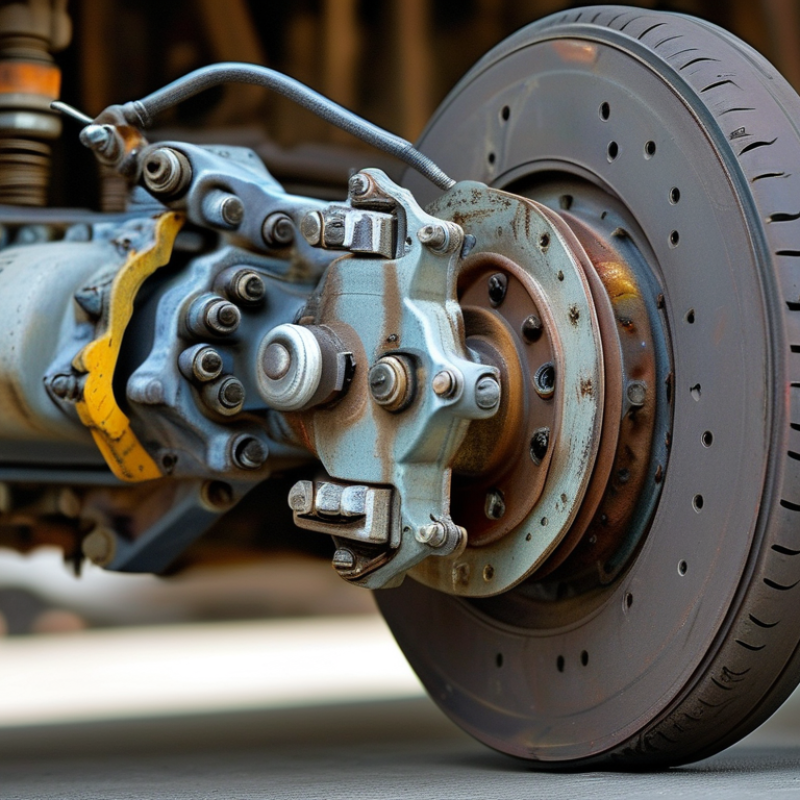
The brake system is critical for vehicle safety. Understanding its key components can help in assessing performance. Main parts include brake pads, rotors, calipers, and brake fluid. Each component plays a vital role in ensuring effective stopping power.

Brake pads create friction against rotors to slow the vehicle. According to industry reports, worn brake pads can reduce stopping distance by 30%. Regularly checking their thickness is crucial. Rotors must remain smooth and even. Distorted rotors can lead to vibrations and decreased performance.

Calipers house the brake pads. They play a significant role in applying pressure. If calipers fail, the entire braking system can malfunction. Proper maintenance of brake fluid is also essential. Moisture in the fluid can lead to reduced performance. It’s vital to replace it according to manufacturer recommendations. Ignoring these components can compromise safety.

Brake System Performance Testing

This bar chart illustrates key metrics for testing brake system performance, including braking distance, pedal pressure, response time, wear rate, and heat generation. These metrics are crucial for assessing the safety and effectiveness of a brake system.

Step-by-Step Guide to Conducting Brake System Tests

When testing brake system performance, it's essential to follow a structured approach. Begin by assessing the brake fluid level and condition. Low or contaminated fluid can affect braking efficiency. Next, inspect the brake pads for wear. If they are worn unevenly, it could indicate alignment issues or malfunctioning components.

Tip: Always check the brake warning light. It can alert you to potential problems. If it’s on, further investigation is necessary.

Conduct a road test to evaluate braking response. Gradually apply the brakes under various conditions. Note if the vehicle pulls to one side or makes unusual noises. These signals can reveal underlying issues.

Tip: Document your findings during tests. This record can help identify patterns over time. Regular assessments improve braking performance and safety.

After testing, reflect on your equipment and techniques used. Are they adequate? Continuous improvement is vital for maintaining an effective brake system.

Common Testing Methods for Evaluating Brake Performance

When evaluating brake performance, several testing methods are essential. One common method is the fade test. This involves applying the brakes repeatedly to assess how they handle heat. Brake fade can compromise safety. Thus, knowing how your brakes perform under stress is crucial.

Another effective method is the stopping distance test. This measures how far a vehicle travels before coming to a complete stop. Ideal conditions are crucial for accuracy. Consider testing on a dry surface for reliable results. Documenting the distance helps track brake performance over time.

Tips: Use a professional-grade decelerometer for precise readings. Don’t forget to inspect the braking components regularly. Keep an eye out for unusual noises during tests; they could indicate problems.

Driver feedback also plays a role. Sometimes, subjective impressions reveal issues that instruments may miss. Pay attention to how the pedal feels and responds. Collecting both qualitative and quantitative data ensures comprehensive evaluations.

Interpreting Test Results and Identifying Issues in Brake Systems

Testing brake system performance is critical for safety. Understanding test results requires careful interpretation. Effective analysis helps identify issues that could lead to dangerous situations. Begin with routine checks, including visual inspections and performance evaluations. Look for inconsistencies, such as unusual noises or vibrations while braking. These can indicate underlying problems.

During testing, it is essential to measure stopping distances. Take notes on different conditions, like wet or dry roads. This data reveals how well the brake system functions under varying circumstances. Pay close attention to signs of fading or overheating. These issues may not always be immediately apparent but can compromise safety long-term.

Interpreting the results means recognizing patterns and anomalies. If stopping distances are longer than expected, further investigation is necessary. Check for worn-out components or fluid leaks. Sometimes, issues arise from a lack of maintenance. Noticing small problems early can save you from significant failures later. Prioritize regular testing to ensure your brake system is truly reliable.

FAQS

: Why is brake system performance testing important?

: Brake testing is crucial for vehicle safety. Failures can lead to severe accidents. Regular testing helps prevent these issues.

What factors are involved in understanding brake performance?

Key factors include stopping distance and response time. Proper tools improve accuracy in measurements.

How do brake pads contribute to braking effectiveness?

Brake pads create friction against rotors, slowing the vehicle. Worn pads can increase stopping distance by 30%. Regular checks are essential.

What happens if brake rotors are distorted?

Distorted rotors can cause vibrations and reduce braking performance. Keeping them smooth is necessary for effective stopping.

How do calipers affect brake system function?

Calipers apply pressure to brake pads. If they fail, the entire brake system may malfunction. Proper maintenance is critical.

Why is brake fluid maintenance important?

Moisture in brake fluid reduces performance. It's vital to replace it as per recommendations to avoid safety issues.

How can test results reveal brake system problems?

Analyze stopping distances and look for unusual noises. These indicators can signal underlying issues that need attention.

What should I do if I notice braking inconsistencies?

Document any unusual behaviors, like longer stopping distances. Investigate components for wear or leaks promptly.

How can regular brake testing contribute to safety?

Regular tests highlight small issues before they become serious failures. Consistent evaluation is essential for reliable brake performance.

What is the downside of not evolving testing methods?

Sticking to old routines may hide underlying problems. Open-mindedness towards new techniques can improve safety outcomes.

Conclusion

Testing brake system performance is crucial for ensuring vehicle safety and reliability. Understanding the components of a brake system, such as the brake pads, rotors, and hydraulic mechanisms, is essential to perform effective evaluations. A step-by-step guide involves inspecting these components, measuring brake fluid levels, and assessing braking distances under various conditions.

Common testing methods, including skid tests and brake force measurements, provide valuable insights into a vehicle's braking capabilities. After conducting tests, interpreting the results allows for the identification of potential issues, such as reduced friction or hydraulic failures. Therefore, knowing how to test brake system performance is vital for diagnosing problems and maintaining the integrity of a vehicle's braking system, ensuring safe operation on the road.

Henry

Henry

Henry is a dedicated marketing professional with a profound expertise in the company's offerings. With years of experience in the industry, he possesses an impressive understanding of the market dynamics and consumer behaviors that drive success. Henry is committed to sharing his insights through......