Choosing the right brake pads for different vehicles is crucial for safety and performance. According to industry reports from the Automotive Aftermarket Suppliers Association, brake pads account for nearly 20% of all vehicle repair costs. Such a statistic underscores their importance in vehicle maintenance. Selecting suitable brake pads is not just about fit; it also involves understanding material types, driving style, and vehicle specifications.
Many vehicle owners overlook the nuances of brake pad selection. Different vehicles have varied requirements based on weight, engine power, and intended usage. For instance, high-performance vehicles often need premium ceramic or carbon-infused pads for optimal stopping power, whereas standard sedans might perform well with organic pads. Ignoring these factors can lead to reduced braking efficiency, increased noise, and a shorter lifespan of the components.
Braking performance can significantly influence driving safety. Choosing incorrect pads can compromise this safety. It’s essential to consider recommendations from manufacturers and professional mechanics. Real-world experience shows that informed choices usually lead to better vehicle performance and longevity. Making the effort to understand how to choose the right brake pads for different vehicles will pay off in significant ways: safety, cost-effectiveness, and overall driving experience.
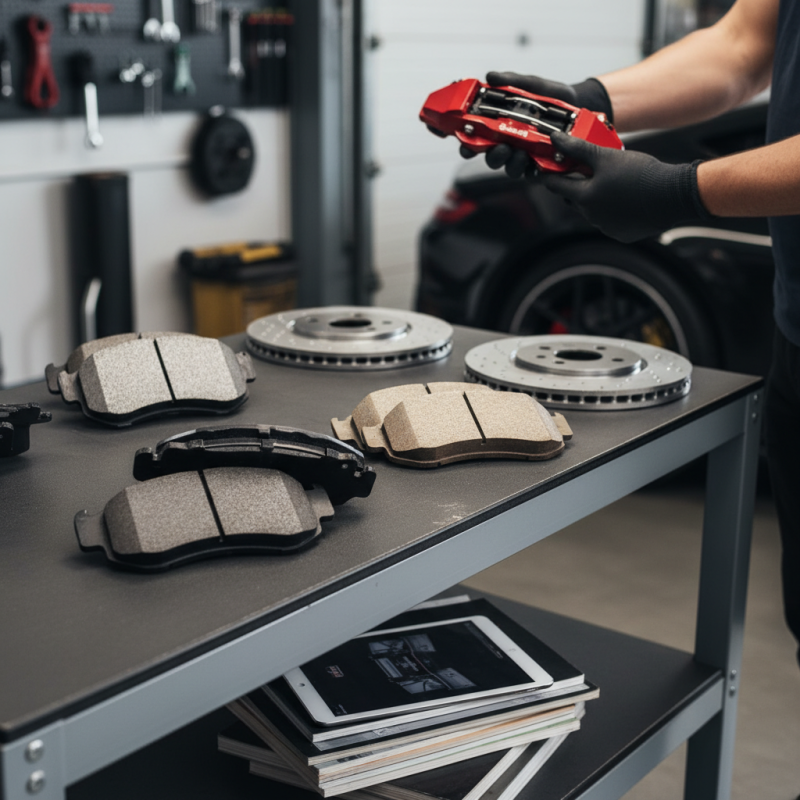
Understanding the Different Types of Brake Pads Available
When it comes to brake pads, several types are available, each designed for specific driving conditions. Organic brake pads use a mixture of materials, making them quiet and comfortable. They are suitable for city driving but may wear out quickly under heavy use.
Ceramic brake pads, on the other hand, are popular for their longevity and performance. They offer consistent stopping power and produce less dust. However, they can sometimes feel less responsive, especially in extreme conditions. Metallic pads, composed of metal fibers, excel in racing or heavy towing scenarios. They handle high temperatures well but can be noisy and abrasive.
Choosing the right brake pads involves evaluating your driving style and needs. It is essential to consider factors like climate, load, and frequency of use. You may find that one type works well for daily commutes while another is better for long road trips. Understanding these details is key to making an informed decision that enhances your vehicle's performance and safety.
Brake Pad Types Comparison
This chart compares the performance ratings of different types of brake pads available for vehicles. Depending on your driving style and needs, the right choice may vary. Organic pads offer quieter operation, while semi-metallic and ceramic pads provide superior stopping power but at different costs and wear rates.
Factors to Consider When Selecting Brake Pads for Your Vehicle
Choosing the right brake pads for your vehicle can be a daunting task. Several factors require careful consideration to ensure optimal safety and performance. One key element is the material composition. Brake pads can be ceramic, metallic, or organic. Each type has its advantages and disadvantages. For example, ceramic pads are quieter but may wear out faster under heavy braking conditions.
Another critical factor is driving style. If you often drive aggressively or frequently tow heavy loads, high-performance pads may suit you better. On the other hand, if your driving is mostly in the city with stop-and-go traffic, a standard option may suffice. It’s essential to assess your driving habits to avoid overpaying for features you might not need.
Additionally, it's worth noting that compatibility with your vehicle is crucial. Not all brake pads fit every make and model. Check your owner's manual or consult a professional to ensure the pads you consider will work correctly. Sometimes people overlook the significance of installation quality, which can also affect performance. A professional installation can help ensure that the brake pads function as intended, providing peace of mind while driving.
How to Choose the Right Brake Pads for Your Vehicle? - Factors to Consider When Selecting Brake Pads for Your Vehicle
| Factor |
Description |
Types of Brake Pads |
Best Use |
| Material |
The type of material used affects performance and noise. |
Ceramic, Semi-Metallic, Organic |
General commuting, performance, or light-duty applications |
| Dust Production |
Amount of dust created affects cleanliness of wheels. |
Low Dust, High Dust |
Aesthetic considerations for regular vehicle use |
| Temperature Resistance |
Performance under high temperatures can prevent brake fade. |
High-Performance, Standard |
Sport driving, heavy loads |
| Noise Levels |
Some brake pads can be louder than others when engaged. |
Quiet, Performance, Standard |
Daily drivers, performance vehicles |
| Brake Pad Life |
Longevity of the pads determines replacement frequency. |
Long Life, Standard Life |
Frequent users, mixed driving conditions |
Assessing Vehicle Compatibility and Performance Requirements
When choosing brake pads, it's essential to assess your vehicle's compatibility and performance requirements. Different vehicles have unique braking systems, and not all brake pads fit universally. Understanding your car’s make and model can guide you in the right direction. For instance, heavier vehicles might need pads designed for higher friction and durability.
Tips: Always consult your owner's manual. It provides guidance on the specifications you need. Doing a bit of research on your vehicle’s braking system can save you time and money. If unsure, seek professional advice.
Performance requirements also play a critical role. If you drive in demanding conditions, like steep hills or heavy traffic, you may need high-performance pads. These often have better heat resistance and provide increased stopping power.
Tips: Consider your driving habits. Frequent stops may require a different pad type than highway driving. Test out different materials, like ceramic or semi-metallic, for the right fit. Reflect on your experiences; what worked once may not be best now. The ideal pad can affect your vehicle's safety significantly.
Evaluating Brake Pad Materials and Their Advantages and Disadvantages
Selecting the right brake pads is crucial for vehicle safety. Brake pads come in various materials, each with unique benefits and limitations. The three main types are organic, metallic, and ceramic.
Organic brake pads are made from materials like rubber and resins. They provide a quiet, smooth ride. However, they wear out faster than other types, making them less durable. According to a study by the Automotive Aftermarket Industry Association, they account for approximately 40% of brake pad sales due to their low cost.
Metallic brake pads consist of metal fibers and are highly durable. They perform well under high temperatures. However, they tend to be noisier and can generate more brake dust. They are ideal for heavy vehicles or spirited driving. On the downside, their increased wear on rotors can lead to costly replacements.
Ceramic brake pads are a good middle ground. They combine performance with reduced noise. They last longer than organic pads and create less dust. However, they may not be as effective in extreme conditions. Evaluating your driving style is important when choosing. Sometimes it’s hard to balance performance and comfort.
Tip: Pay attention to any unusual noises when braking. This may indicate worn pads, requiring immediate inspection. A proactive approach may save you costly repairs over time.
Cost Considerations: Balancing Quality and Budget in Brake Pad Selection
When selecting brake pads, balancing quality and cost is essential. High-quality brake pads offer better performance and longevity. They can withstand heat and provide reliable stopping power. However, they often come with a higher price tag. Understanding your everyday driving conditions can help inform your choice. If you frequently drive in heavy traffic or on steep hills, investing in premium pads may be worth it.
Budget-friendly options are available, but they may not last as long. Cheaper pads might wear out quicker, leading to more frequent replacements. Consider the long-term costs. Spending a bit more upfront can save money over time. However, it’s important not to sacrifice safety for price. Always ensure that the pads meet safety standards and are appropriate for your vehicle.
Researching different materials can also influence your decision. Ceramic pads last longer and reduce noise but might be pricier. Organic pads are quieter but may wear down faster. Evaluate the pros and cons based on your specific needs. This reflection can guide you toward a balanced and reliable choice for your vehicle. Evaluating your driving habits and vehicle requirements is crucial for making the right decision.
Conclusion
Choosing the right brake pads for different vehicles is crucial for ensuring optimal performance and safety. To begin with, it’s important to understand the various types of brake pads available, such as organic, semi-metallic, and ceramic, each offering distinct advantages and disadvantages. When selecting brake pads, factors such as driving habits, vehicle type, and the environment in which you drive should be carefully considered.
Additionally, ensuring vehicle compatibility is essential, along with evaluating specific performance requirements to enhance braking efficiency. The material composition of brake pads plays a significant role in their effectiveness, with each material providing unique characteristics that can affect longevity and stopping power. Lastly, cost considerations should be made to strike a balance between quality and budget, ensuring you select brake pads that meet your needs without compromising safety.

 MOAD AUTO