Why Choosing the Right Brake Components for Commercial Vehicles Matters?

Time:2026-06-10 Author:Oliver
0%

Choosing the right brake components for commercial vehicles is crucial for safety and performance. Heavy loads and long hours on the road demand reliable braking systems. Poor choices can lead to failures and accidents. Knowing how to choose brake components for commercial vehicles is essential for fleet managers and operators.

The process involves understanding the vehicle's specific needs. Different vehicles require different types of brakes. Factors like weight, load capacity, and terrain play a significant role. Components must meet high standards of reliability and efficiency. It’s not just about compatibility; performance under stress matters.

Experienced professionals recommend consulting with manufacturers. They can provide insights into high-quality materials and technologies. However, there can be misinformation regarding the latest features. Consider real-world experiences and feedback from other operators. This will ensure the best choices are made for safety and cost-effectiveness.
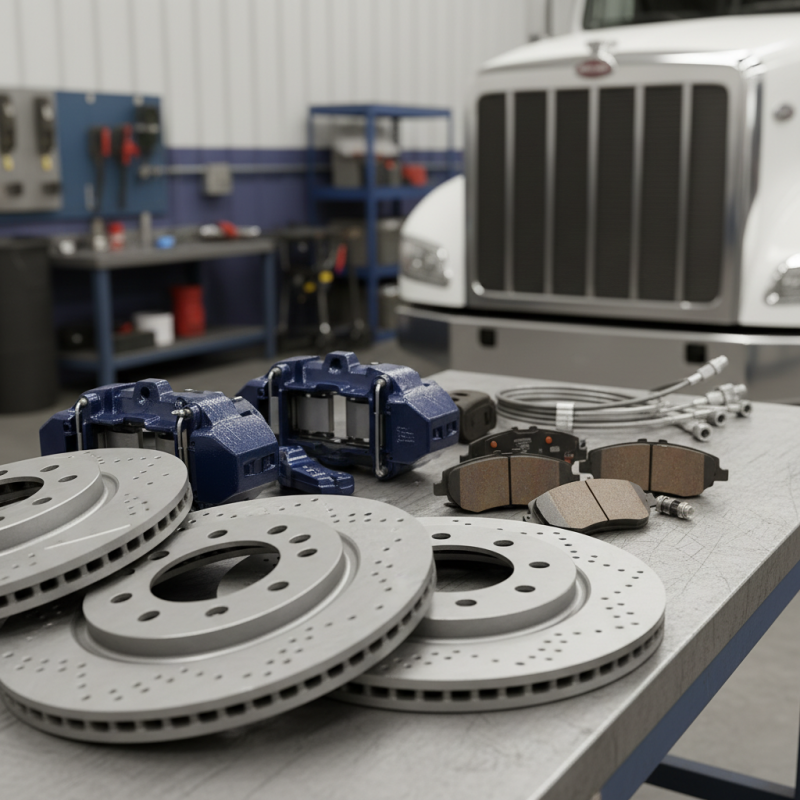
Why Choosing the Right Brake Components for Commercial Vehicles Matters?

Importance of Brake Components in Commercial Vehicles

Brake components play a crucial role in the safety and efficiency of commercial vehicles. Reliable brakes can greatly reduce stopping distances. This is vital when handling large loads or navigating tight spaces. Improper brake function can lead to accidents. Frequent inspections and quality parts are essential.

Choosing the right materials matters. High-quality brake pads and discs can enhance performance. They withstand heat better, improving longevity. However, not all components are created equal. Some cheaper parts may seem appealing but often compromise safety. This can result in increased repair costs and potential liability issues.

Ignoring regular maintenance can lead to serious problems. Brake fluid quality can degrade over time, affecting performance. Drivers must be educated on this aspect. Training on how to spot signs of wear can prevent catastrophic failures. Investing in the right brake components protects drivers and cargo alike.

Key Factors in Selecting Brake Components for Heavy-Duty Trucks

When selecting brake components for heavy-duty trucks, several key factors play a vital role. Safety is paramount. According to the National Highway Traffic Safety Administration (NHTSA), brake failure contributes to about 30% of truck accidents. Thus, choosing high-quality brake components is crucial for minimizing risk.

Brake materials significantly impact performance. Disc brakes tend to offer better heat dissipation than drum brakes, enhancing safety and longevity. A recent industry report noted that trucks equipped with high-performance disc brakes can reduce stopping distance by up to 15%. This improvement can be the difference between a near-miss and a serious accident.

Another factor to consider is compliance with industry standards. The Federal Motor Carrier Safety Administration (FMCSA) establishes guidelines that ensure reliability and safety. However, not all components meet these standards. It's essential to verify certifications and test results. Data shows that improper component selection can lead to higher maintenance costs. Truck fleets that prioritize quality components experience up to a 25% reduction in maintenance expenses. An informed approach to selecting brake components can enhance safety, performance, and long-term cost efficiency.

Impact of Quality Brake Parts on Vehicle Safety and Performance

Choosing quality brake components is essential for commercial vehicles. High-quality brake parts directly influence vehicle safety and overall performance. These components are crucial in ensuring that a vehicle can respond effectively in emergency situations. This reliability helps prevent accidents and protect lives.

When brakes fail, the consequences can be dire. A truck with compromised brakes can cause serious accidents, endangering not just the driver but also pedestrians and other motorists. Many operators overlook the importance of regular brake inspections. This small oversight can lead to catastrophic failures. Regular maintenance and choosing optimal parts can mitigate these risks.

Additionally, the durability of brake components affects maintenance costs. Cheaper, low-quality parts may seem like a cost-saving solution at first. However, they often lead to higher expenses due to frequent replacements. Investing in robust brake systems can provide peace of mind and enhance operational efficiency. The right choices today can pave the way for safer driving tomorrow.

Impact of Brake Component Quality on Vehicle Safety and Performance

The chart above illustrates how the quality of brake components affects the average stopping distance of commercial vehicles. Higher quality brake parts significantly reduce stopping distances, enhancing safety and performance.

Understanding Different Types of Brake Systems for Commercial Use

Understanding brake systems is crucial for commercial vehicles. There are various types of brake systems, each with unique features. Air brakes are popular for large trucks and buses. They use compressed air to operate, providing excellent stopping power. However, they require proper maintenance. Regular checks are vital to avoid significant failures.

Hydraulic brakes are another option. They are commonly found in lighter commercial vehicles. These brakes rely on fluid pressure. They can be more responsive, but they may heat up quickly under heavy loads. If not serviced, these brakes can become less effective over time.

Choosing the right brake system impacts safety directly. Incorrect selection can lead to accidents. It is important to assess the specific needs of the vehicle type and load conditions. A mismatch may result in poor performance and high repair costs later. A thoughtful evaluation can enhance both reliability and safety on the road.

Maintenance Best Practices for Commercial Vehicle Brake Components

Maintaining brake components in commercial vehicles is essential for safety and efficiency. Regular inspections should occur every month. Check brake pads, rotors, and fluid levels. Inspecting wear patterns can reveal underlying issues. You want your vehicles to operate smoothly without unexpected failures.

Always replace worn parts as needed. Don’t ignore minor issues. Small problems can escalate, leading to significant breakdowns. Consider usage patterns when scheduling maintenance. Heavy loads may cause faster wear. Keeping detailed records of repairs helps identify trends. It also aids in planning future maintenance.

Training staff on brake system care is vital. Well-informed drivers and mechanics can spot early signs of trouble. They should understand how to conduct basic checks. Emphasizing the importance of safe brakes enhances operational reliability. Investing in quality components pays off in the long run. Focus on preventive maintenance to avoid costly repairs.

FAQS

: Why are brake components important in commercial vehicles?

: Brake components ensure safety and efficiency. Reliable brakes reduce stopping distances, especially with heavy loads.

What happens if brake components are low quality?

Low-quality parts may seem cost-effective. However, they can compromise safety and increase long-term repair costs.

How often should brake inspections be conducted?

Inspections should happen monthly. Regular checks on pads, rotors, and fluids prevent unexpected failures.

What should be monitored during brake inspections?

Inspect wear patterns, fluid levels, and pad thickness. Identifying issues early helps maintain vehicle performance.

How can training improve brake maintenance?

Educated drivers and mechanics can spot early signs of trouble. Basic checks enhance operational reliability and safety.

What is the impact of ignoring regular brake maintenance?

Ignoring maintenance can lead to severe problems. Small issues can escalate, resulting in costly breakdowns.

How does heavy usage affect brake components?

Heavy loads cause faster wear on brake components. Adjust maintenance schedules based on usage patterns to mitigate this.

Why should minor brake issues not be ignored?

Minor issues can lead to significant failures. Addressing small problems promptly can prevent costly repairs later.

What records should be kept for brake maintenance?

Keeping detailed repair records helps identify trends. It aids in future planning and maintaining safety standards.

How does investing in quality brake components benefit operations?

Quality components enhance safety and reduce maintenance costs. This investment leads to better performance and peace of mind.

Conclusion

Choosing the right brake components for commercial vehicles is crucial, as it directly impacts both safety and performance. Understanding the importance of brake components in heavy-duty trucks involves recognizing key factors such as durability, compatibility with the vehicle's system, and the specific demands of the operating environment. When considering how to choose brake components for commercial vehicles, it is essential to evaluate the quality of the parts, as this can significantly affect stopping power and overall vehicle reliability.

Additionally, awareness of different types of brake systems used in commercial applications allows for better-informed decisions. Regular maintenance practices are vital to ensure the longevity and effectiveness of brake components, contributing to safer driving conditions. Ultimately, making informed choices about brake components can lead to enhanced safety and performance for commercial vehicles.

Oliver

Oliver

Oliver is a seasoned marketing professional with a wealth of expertise in driving brand awareness and engagement. With a deep understanding of our company's product offerings, he consistently delivers high-quality content that enriches our professional blog. His insights not only shed light on......