Brake systems rarely fail without warning. A soft pedal, steering-wheel vibration, or a thin metallic squeal can signal trouble. For drivers and fleet operators, knowing what maintenance is required for brake systems is essential to safe, predictable stopping.
The Commercial Vehicle Safety Alliance’s 2024 International Roadcheck report found that brake-system violations accounted for 25.8% of vehicle out-of-service violations. That figure concerns inspected commercial vehicles, not every vehicle on the road, but it highlights how often brake defects matter during inspections. Maintenance should include checking pads, rotors, drums, hoses, fluid, and brake adjustment. The exact schedule depends on vehicle design, driving conditions, and the manufacturer’s recommendations. Short trips, heavy loads, steep roads, and frequent stop-and-go traffic can accelerate wear.
ASE-certified technician Mike Calkins has advised motorists to follow the maintenance schedule in their owner’s manual. The practical lesson is clear: inspect before symptoms become severe. Still, a schedule is only a starting point. A vehicle that pulls to one side or takes longer to stop needs prompt professional attention, even if its next service date seems distant. Small details matter: uneven pad thickness or a fluid level just below its mark can reveal a developing problem. Brake care is not glamorous. It is easy to postpone, and that is precisely why it deserves a consistent routine.
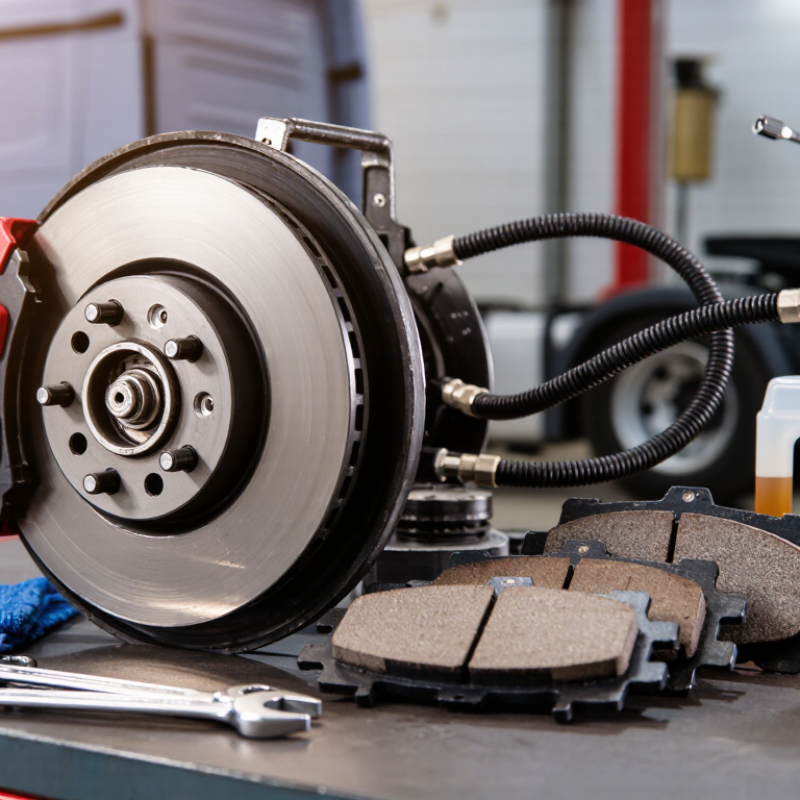
A brake system works as a chain of parts, and each component has a different maintenance role. Brake pads create friction against the rotors, so inspect their thickness and look for uneven wear. A sharp squeal or vibration can signal a problem, but sounds alone cannot confirm the cause. Check the rotors for deep grooves, cracks, or blue discoloration from excess heat. Small details matter.
Brake fluid transfers pedal pressure to the wheels. Check its level and condition according to the vehicle maker’s service schedule; dark or contaminated fluid needs professional assessment. Moisture can reduce its performance over time. Never open a hot system, and use only the specified fluid. The master cylinder and brake lines also deserve attention. Look for damp spots, corrosion, or a pedal that slowly sinks while held.
Calipers press the pads against the rotors, while hoses carry fluid to the moving wheels. During service, check that calipers slide freely and hoses show no bulges or leaks. Wheel-end inspections can reveal wear that is hard to notice from the driver’s seat. I have found maintenance less tidy than a checklist suggests: dust hides edges, and symptoms can overlap. If braking feels weak, pulls to one side, or changes suddenly, stop driving when safe and arrange a qualified inspection.
Maintenance intervals vary by vehicle, operating conditions, and the vehicle manufacturer’s schedule. Use the owner’s manual for the required inspection and replacement intervals.
| Brake system component | Main role | Maintenance checks | Maintenance action | When to inspect or service | Signs that need attention |
|---|---|---|---|---|---|
| Brake pads or shoes | Create friction against a rotor or drum to slow the vehicle. | Check friction material thickness, uneven wear, contamination, and hardware condition. | Replace worn or contaminated friction material; inspect the mating rotor or drum and related hardware. | At scheduled brake inspections and whenever symptoms occur; replacement depends on measured wear and vehicle specifications. | Squealing, grinding, reduced braking, or a friction-material warning indicator where fitted. |
| Brake rotors or drums | Provide the friction surface that works with pads or shoes to produce braking force. | Look for cracks, deep scoring, corrosion, heat damage, and uneven wear; measure thickness or diameter against service limits. | Machine only when permitted and within specifications; otherwise replace as required. Address the cause of uneven wear. | Inspect during friction-material service and when vibration, noise, or brake judder is reported. | Pulsation, vibration during braking, visible cracks, or pronounced scoring. |
| Brake fluid | Transfers hydraulic pressure from the pedal to the wheel brakes. | Check reservoir level and condition; inspect for leaks and use the fluid specification stated for the vehicle. | Correct the cause of a low level before topping up. Replace or bleed fluid according to the service schedule and approved procedure. | Check during routine servicing and follow the vehicle maker’s specified fluid replacement interval. | Low fluid, a brake warning light, a soft pedal, or visible fluid leakage. |
| Brake lines and flexible hoses | Carry hydraulic fluid between the master cylinder, control units, and wheel brakes. | Inspect for leaks, corrosion, abrasion, cracks, bulges, kinks, and damaged fittings. | Repair or replace damaged or leaking parts using approved components; bleed the system if it has been opened. | During scheduled inspections and promptly if fluid loss or brake-performance changes occur. | Wet areas near lines or wheels, hose bulging, corrosion, or a sinking pedal. |
| Calipers and wheel cylinders | Convert hydraulic pressure into clamping force at disc brakes or shoe movement at drum brakes. | Check for leaks, seized movement, damaged dust boots, uneven pad or shoe wear, and secure mounting. | Repair or replace faulty units; clean and lubricate specified sliding points with brake-compatible products. | Inspect when servicing brakes, when wear is uneven, or when a wheel drags or overheats. | Fluid leakage, pulling to one side, persistent drag, or one wheel becoming unusually hot. |
| Master cylinder and brake booster | The master cylinder generates hydraulic pressure; the booster reduces pedal effort on systems equipped with one. | Check for fluid leaks, changing pedal feel, warning indicators, and correct booster operation using the vehicle’s service procedure. | Diagnose the system before replacing parts; repair faults and bleed the hydraulic system where required. | Check during diagnosis of pedal or braking concerns and at scheduled inspections where specified. | Pedal sinking, unusually hard or soft pedal, reduced assist, or a brake warning light. |
| ABS sensors and wiring | Monitor wheel speed so the anti-lock braking system can help prevent wheel lock during hard braking. | Check warning lights, wiring, connectors, sensor mounting, and diagnostic trouble codes when a fault is indicated. | Diagnose the cause with suitable equipment; clean or replace components only as directed by service information. | When the ABS warning light stays on or a fault is stored; otherwise follow scheduled inspection guidance. | ABS warning light, stored fault codes, or unexpected ABS behavior. |
| Parking brake | Holds a parked vehicle stationary using a mechanical or electronically controlled brake mechanism. | Check holding ability, release, cables or actuators, and warning indicators according to the system design. | Adjust or repair only as specified; electronic systems may require diagnostic equipment or a service mode. | At scheduled service and whenever the brake fails to hold or release correctly. | Vehicle movement while parked, excessive lever travel, failure to release, or a warning message. |
Check their thickness and look for uneven wear. Dust can hide the edges. A squeal alone cannot identify the cause.
Look for deep grooves, cracks, or blue discoloration. These signs may point to heat damage. Unsure? Arrange an inspection.
Follow the vehicle’s service schedule. Dark or contaminated fluid needs professional assessment. Never open a hot brake system.
Use only the type specified in the vehicle’s service manual. Guessing can cause problems. Small detail, big consequence.
A soft pedal, longer stopping distance, grinding, vibration, burning smell, or warning light deserves attention. Do not ignore sudden changes.
Uneven pad wear, a sticking caliper, a damaged hose, or rotor trouble may contribute. The symptom alone cannot confirm the cause.
Park on level ground, secure the vehicle, and let hot parts cool. Look for leaks, cracked hoses, and visible wear. A visual check can miss hidden faults.
No. Stop when safe and arrange a qualified inspection. Do not drive normally until the fault has been assessed.
Understanding what maintenance is required for brake systems begins with knowing how each component contributes to safe, reliable stopping. Routine inspections should assess pads, rotors, drums, calipers, hoses, and hydraulic connections for wear, damage, or leaks. Service timing depends on driving conditions and vehicle guidance, but regular checks can identify problems before they become serious. Brake pads and friction surfaces should be examined for uneven wear, reduced thickness, scoring, or other signs that service may be needed.
Brake fluid also requires attention: check its condition and level, investigate any loss, and follow the vehicle’s recommended replacement schedule. Warning signs such as unusual noises, vibration, a soft or sinking pedal, or a brake warning light call for prompt diagnosis. Repairs should address the cause rather than just the symptom, and safety-critical work should be completed by a qualified technician when appropriate. After service, confirm that the system operates correctly before returning to normal driving.

 MOAD AUTO