Knowing when to replace brake pads can be challenging. Many drivers overlook signs. However, understanding how to tell when brake pads need replacement can enhance safety. Worn brake pads can lead to decreased braking performance. This oversight can be dangerous for you and others on the road.
Brake pads wear down over time. You may experience squeaking sounds or vibrations during braking. These signs indicate that it’s time to check your pads. Visual inspections can also help. Look for thinning pads and uneven wear.
Routine maintenance is essential. Many drivers delay replacing brake pads until it's too late. Neglecting this important task can lead to costly repairs. It's better to be proactive. Regular checks can save you from major issues and keep your vehicle in optimal condition.
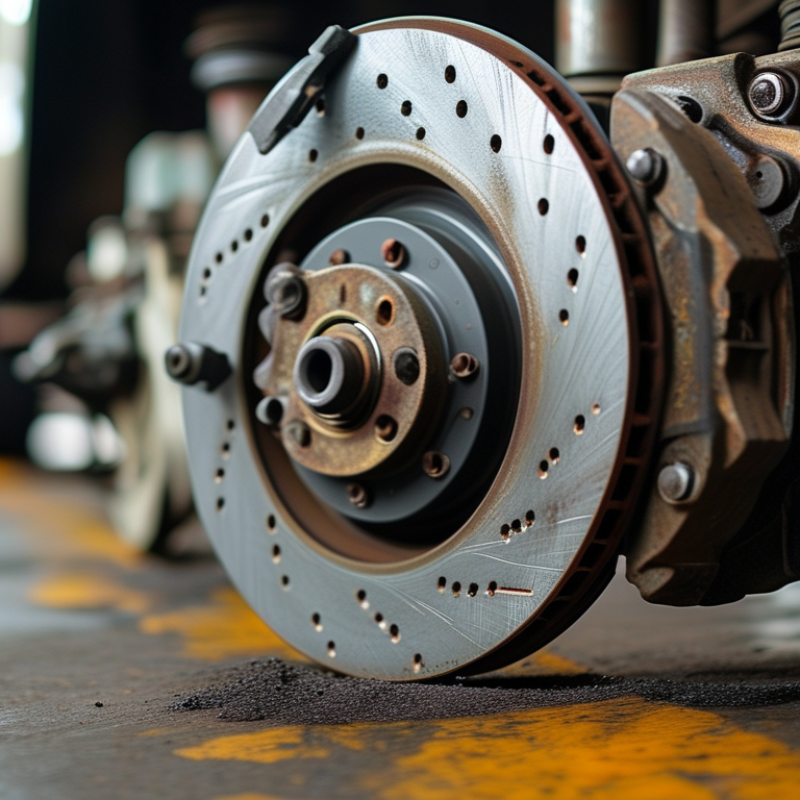
Brake pads are essential for vehicle safety. Their lifespan is influenced by various factors. Understanding these can help drivers make informed decisions about maintenance.
Driving habits impact brake pad wear. Frequent hard braking leads to faster deterioration. City driving, with its stop-and-go traffic, often accelerates wear compared to highway driving. The climate plays a role as well. Hot weather can cause brake pads to wear down more quickly. On the other hand, cold conditions may affect performance, but not the lifespan as drastically.
The type of material used in brake pads is another significant factor. Organic pads usually wear out faster than semi-metallic or ceramic options. Your vehicle's weight also matters. Heavier cars exert more pressure on brake pads, leading to faster wear. Lastly, keeping an eye on brake fluid and rotor condition is crucial. Neglecting these aspects can lead to premature brake pad replacement. Regular checks are necessary to ensure safety.
When it comes to brake pads, being alert to their wear is crucial for safety. Common symptoms can help you determine if your brake pads are nearing the end of their life. A high-pitched squealing noise often indicates that the pads are worn thin. This sound serves as a crucial alert, reminding you to inspect your brakes soon. You might notice a grinding noise if the pads have worn completely down. Ignoring this can lead to costly repairs, as it often damages the rotors.
Another sign to watch for is a vibration when braking. If your steering wheel shakes, this might mean uneven wear on the brake pads. Additionally, reduced braking performance is a serious concern. You may feel that it takes longer to stop your vehicle. This change in responsiveness can be alarming, indicating that your brake pads need immediate attention. Regularly checking for these symptoms can save you from dangerous situations on the road.
Be mindful of how your brakes feel and sound. Driving habits can also play a role, with aggressive braking leading to faster wear. It’s essential to reflect on your driving patterns as well as keep an eye on these warning signs. A little awareness can go a long way in maintaining your vehicle's safety.
Brake pads play a crucial role in your vehicle's safety. To ensure they function properly, it's essential to inspect them regularly. Experts recommend checking brake pads every 10,000 to 15,000 miles. This interval helps catch wear early. Signs of wear include squeaking noises or grinding sounds. If you notice either, inspect the pads immediately.
Inspecting brake pads also means looking at their thickness. Pads should ideally have at least 1/4 inch of material left. If the thickness is below this, it's time to consider replacement. Additionally, inspect for uneven wear. This could indicate issues with calipers or alignment. It's typical to overlook these details, yet they are vital for safe driving.
Driving habits can also affect brake pad longevity. Frequent hard braking leads to faster wear. Consider your driving environment. Stop-and-go traffic can wear out pads quicker than highway driving. Regular inspections allow for adjustments in driving techniques and vehicle maintenance. Keeping a keen eye on your brake pads ensures your vehicle remains safe and reliable.
| Inspection Interval (Miles) | Signs to Replace Brake Pads | Recommended Action |
|---|---|---|
| 20,000 | Squeaking or squealing noise when braking | Inspect and consider replacement |
| 30,000 | Vibration or pulsation in the brake pedal | Inspect and replace if necessary |
| 50,000 | Warning light on the dashboard | Immediate inspection required |
| 70,000 | Grinding noise during braking | Replace brake pads immediately |
| 100,000 | Limited braking effectiveness | Full inspection and replacement |
Brake pads are crucial for vehicle safety. Understanding their types helps drivers make informed decisions about replacements. Common types include organic, semi-metallic, and ceramic brake pads. Each has distinct characteristics in terms of durability and performance.
Organic brake pads are made from materials like rubber and resins. They are quieter but wear out faster, especially under heavy braking conditions. Semi-metallic pads contain metals, offering better heat dissipation. However, they might produce more noise and can wear down rotors quicker. Ceramic pads provide a balance of durability and low dust production, making them a popular choice among drivers.
Examining wear indicators is vital. Many pads have grooves or a built-in indicator that signals the need for replacement. Regular inspections can prevent unexpected failures. Noticing vibrations or grinding sounds can also indicate that brake pads require immediate attention. It's essential to prioritize safety over convenience when evaluating brake conditions.
Replacing brake pads is crucial for vehicle safety. Knowing when to replace them can prevent accidents and maintain optimal performance. Here are important steps to take during the replacement process.
Start by gathering the necessary tools. You'll need a jack, lug wrench, and a brake pad spreader. Next, ensure the vehicle is parked on a flat surface. Remove the wheel to access the brake caliper. Inspect the old pads for wear. Check for grooves or uneven surfaces. This is a crucial moment to reflect on the pad's condition.
When removing the caliper, support it properly to avoid straining the brake line. Install the new pads, ensuring they are positioned correctly. Lubricate the backing of the pads lightly. Too much grease can collect dirt. Don't forget about the rotor; inspect it for damage or warping. Replace it if necessary.
After installation, pump the brake pedal to seat the pads. Test drive your vehicle at low speeds. Listen for unusual sounds. Watch for vibrations or a spongy brake feel. These could indicate issues needing attention. Drawing on professional recommendations can guide you through this process, but your hands-on experience will enhance your confidence. The details matter in brake maintenance.
This chart illustrates the key indicators for knowing when to replace brake pads based on typical mileage, thickness in millimeters, noise level, and vibration level. Regular checks along these guidelines will help ensure optimal vehicle safety and performance.
: Driving habits, climate, material type, vehicle weight, and maintenance all affect how long brake pads last.
Frequent hard braking and city driving wear pads faster than smooth highway driving.
Hot weather can cause quicker wear, while cold affects performance but not lifespan significantly.
Organic pads wear out faster than semi-metallic or ceramic options.
Heavier vehicles put more pressure on brake pads, leading to increased wear and tear.
High-pitched squealing noises, grinding sounds, vibrations, and reduced braking performance are key indicators.
Early detection can prevent costly repairs and improve safety on the road.
Regularly inspect your brakes and reflect on your driving habits for safety.
Yes, ignoring these can lead to premature brake pad replacement.
Aggressive braking can lead to faster wear, reflecting the need for mindful driving.
Knowing how to tell when brake pads need replacement is crucial for vehicle safety. Several factors influence the lifespan of brake pads, including driving habits, type of surfaces driven on, and the quality of the pads themselves. Common symptoms of worn brake pads include squeaking or squealing noises, reduced braking performance, and a warning light on the dashboard. Regular inspection is recommended, typically every 10,000 to 15,000 miles, to ensure brake pads are in good condition.
Understanding the different types of brake pads and their respective durability can also aid in maintenance decisions. When the time comes to replace brake pads, it is essential to follow a series of steps to ensure proper installation and safe operation of the vehicle. By being aware of the signs and developing a routine inspection schedule, drivers can avoid potential brake failures and enhance the longevity of their braking system.

MOAD AUTO