10 Tips How to Prevent Brake Overheating?

Time:2026-09-18 Author:Aria
0%

Brake overheating is more than an unpleasant smell after a steep drive. It can reduce braking power, damage pads and rotors, and increase stopping distance. The problem often begins quietly. A soft pedal, hot wheel, or blue-gray rotor may appear before serious failure. Knowing how to prevent brake overheating helps drivers protect their vehicles and respond before heat becomes dangerous.

This guide presents ten practical tips based on brake-system principles and routine workshop checks. We will examine controlled downhill driving, proper braking technique, load management, rotor airflow, pad condition, and timely inspections. A heavy vehicle descending a mountain road needs a different approach from a small car commuting across town. Use lower gears where appropriate, leave safe space, and avoid riding the brake pedal. Let the brakes cool safely after demanding use. Never pour water on hot components. Sudden cooling can cause damage, and touching them can cause severe burns. Small details matter.

Some advice needs judgment. Not every vibration means overheating, and not every smell confirms brake failure. However, warning signs should never be dismissed. Vehicle manuals and qualified technicians remain the most reliable sources for model-specific limits. This article cannot replace professional diagnosis, especially when the pedal feels spongy or the car pulls sideways. Brake care is not perfect after one inspection. It requires attention, honest driving habits, and a willingness to reconsider what feels “normal.”
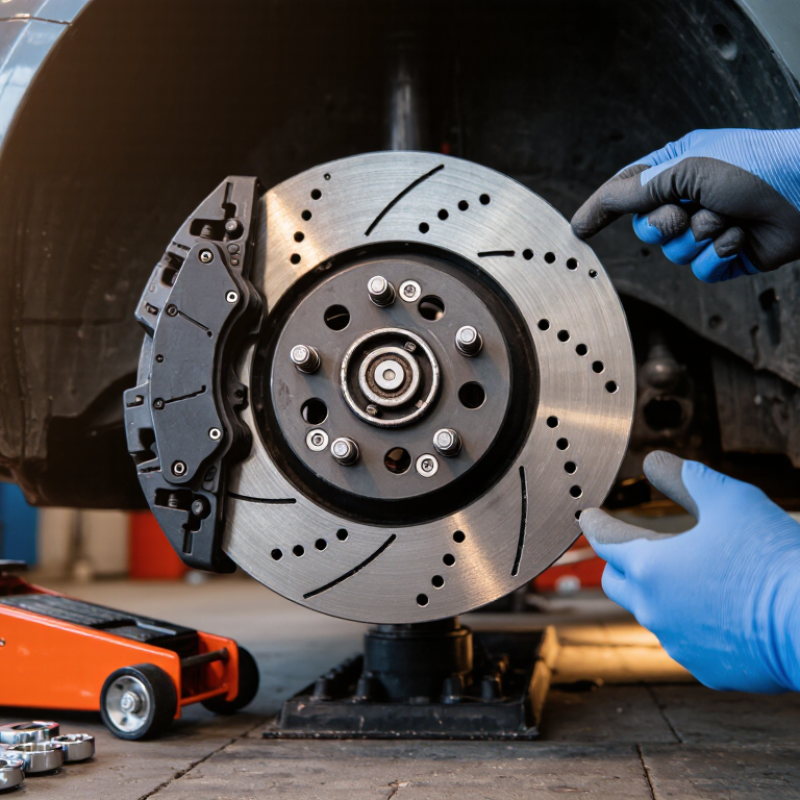
10 Tips How to Prevent Brake Overheating?

Understand the Causes and Warning Signs of Brake Overheating

10 Tips How to Prevent Brake Overheating

Understand the Causes and Warning Signs of Brake Overheating

Brake overheating usually begins with repeated hard stops, heavy loads, steep descents, or a sticking caliper. Friction creates intense heat. The brake pedal may feel soft. You might notice a sharp chemical smell, smoke, pulling, vibration, or longer stopping distances. A darkened rotor can confirm severe heat exposure. Do not ignore it.

Use a lower gear on long downhill roads, and avoid riding the pedal. Keep a safe following distance. That reduces sudden braking. Respect the vehicle’s load and towing limits. Check tire pressure, because underinflated tires increase braking demand. After aggressive driving, stop safely and allow the brakes to cool naturally. Never pour water on hot components; rapid cooling can distort rotors. If the pedal stays soft, stop driving and request a professional inspection.

The U.S. Federal Motor Vehicle Safety Standard 135 includes repeated-stop and brake-fade performance tests for light vehicles. This reflects a practical truth: brakes must work repeatedly, not only once. Inspect pad thickness, rotor condition, brake fluid, and caliper movement during service. Experienced technicians also look for uneven wear, which often reveals a dragging brake. I once underestimated downhill heat because the first warning was only a faint odor. That judgment was poor. Warning signs can appear before visible smoke, so a short pause may prevent expensive damage.

Inspect Brake Components and Maintain Proper Brake Fluid Levels

10 Tips How to Prevent Brake Overheating?

Inspect the brake system before heat becomes a roadside problem. During routine checks, look for pads worn below the recommended thickness. Uneven wear may indicate a sticking caliper or seized guide pin. Check the rotor surface for deep grooves, cracks, or blue patches. Blue discoloration often shows excessive heat. Examine brake hoses for swelling, dry cracks, and wet marks near their connections. A damaged dust shield can also trap debris against the rotor. Small details matter.

Lift each wheel safely and check whether it rotates freely after releasing the brake pedal. A wheel that remains tight may have a dragging caliper or parking brake. Listen for scraping sounds during a short, quiet road test. Do not touch the rotor immediately afterward. It can remain dangerously hot. A qualified technician should measure rotor thickness and inspect caliper movement with suitable tools.

Keep the brake fluid at the marked level, but never treat low fluid as a simple refill task. It may signal worn pads or a leak. Check the reservoir for dark fluid, sediment, or moisture contamination. Brake fluid absorbs water over time, reducing its boiling point during repeated braking. Use only the fluid specification listed in the vehicle manual. Mixing unsuitable fluids can damage seals. I have seen rushed inspections miss slow leaks near the master cylinder. That mistake is easy to repeat. Replace fluid at the recommended interval, and bleed the system when air or contamination is suspected.

10 Tips to Prevent Brake Overheating: Inspect Brake Components and Maintain Proper Brake Fluid Levels

Brake fluid absorbs moisture over time, which lowers its boiling point and increases the risk of vapor formation during repeated or heavy braking. The chart compares the minimum dry and wet boiling points specified for common brake-fluid classifications. Inspect fluid levels, check for leaks, follow the vehicle manufacturer’s replacement interval, and inspect pads, rotors, calipers, hoses, and cooling airflow regularly.

Use Correct Braking Techniques on Hills and in Heavy Traffic

Brake overheating often begins with small mistakes on hills and in heavy traffic. FMCSA’s Large Truck Crash Causation Study identified brake problems in 29.4% of crashes involving a recorded vehicle-related factor. Heat matters because repeated friction can reduce braking response, increase stopping distance, and damage brake components.

Tip: On a long descent, select a lower gear before the slope begins. Let the engine help control speed. Apply the brakes firmly for a few seconds, then release them fully. Do not drag the pedal continuously. That habit feels smooth, but it can trap heat near the rotors or drums. I still catch myself braking too late on unfamiliar hills. It is a poor habit.

Tip: In heavy traffic, leave a larger gap and watch several vehicles ahead. Early speed reduction needs less pedal pressure. Avoid rapid brake-and-release cycles behind impatient drivers. If traffic stops repeatedly, use gentle braking and allow the vehicle to roll only when safe and legal. Never shift into neutral to coast. A brief pause helps. After a steep descent, stop safely and check for burning odors, smoke, or unusual pedal softness. The Commercial Vehicle Safety Alliance’s inspection reports repeatedly place brake-related defects among common out-of-service findings. That should encourage routine inspections, not panic. Before driving, check fluid levels, warning lights, tire pressure, and visible brake damage. A qualified technician should inspect persistent noise, vibration, or fading.

Improve Cooling Through Proper Driving Habits and Vehicle Loading

10 Tips How to Prevent Brake Overheating?

Brake cooling begins with your driving habits. Lift off the accelerator early before junctions, rather than braking sharply at the last moment. Keep a steady speed on open roads. Leave more space in traffic. This gives you time to slow gradually. On long descents, select a lower gear and let the engine help control speed. Do not rest your foot lightly on the brake pedal. That small pressure can create constant heat. Avoid repeated hard stops when a smooth slowdown is possible. The brakes need airflow.

Vehicle loading matters more than many drivers expect. Heavy luggage increases stopping demand, especially on hills or winding roads. Place dense items low and near the vehicle’s center. Secure loose cargo so it cannot shift during braking. Stay within the load limit listed in the vehicle handbook. Roof loads can also affect balance and increase effort during emergency stops. Check tire pressure before carrying extra passengers or equipment. Incorrect pressure may reduce stability and make braking feel less predictable.

After demanding driving, park safely and allow the brakes to cool naturally. Do not pour water over hot brake parts. Sudden cooling can damage components. A hot smell, fading pedal, vibration, or unusual noise deserves professional inspection. In workshop checks, uneven pad wear often reveals poor driving habits or a loading problem. I still catch myself braking too late on unfamiliar roads. That mistake is easy to repeat. Planning earlier works better.

10 Tips How to Prevent Brake Overheating? - Improve Cooling Through Proper Driving Habits and Vehicle Loading

Practical guidance for reducing heat buildup and maintaining consistent braking performance.

No. Preventive Tip Recommended Practice How It Reduces Heat Useful Check or Indicator
1 Use engine braking on descents Select a lower gear before a long or steep downhill section and avoid coasting in neutral. It reduces continuous brake-pedal use and allows the engine and drivetrain to absorb part of the vehicle’s energy. Choose a gear that helps maintain a controlled speed without constant braking.
2 Avoid riding the brake pedal Remove your foot fully from the pedal when braking is not required, especially in slow traffic. Even light, continuous contact can create friction and prevent the brakes from cooling between applications. Check that the vehicle rolls freely and that brake lights are not activated without intentional braking.
3 Brake firmly and progressively Apply the brake with controlled pressure, then release when the required speed is reached instead of dragging the brakes. Shorter, deliberate applications generally allow more airflow and cooling time than prolonged light braking. Maintain a safe following distance so braking can be planned rather than repeated frequently.
4 Increase following distance Leave additional space in heavy traffic, on hills, and when towing or carrying a heavy load. More space reduces sudden braking, repeated stop-and-go applications, and total frictional energy. Use at least a two-second gap in normal conditions and extend it in poor or demanding conditions.
5 Respect the vehicle’s weight limits Keep passengers, cargo, trailer load, and tongue weight within the limits listed on the vehicle and trailer information labels. Greater mass requires more energy to be dissipated during braking and can raise brake temperatures significantly. Check the Gross Vehicle Weight Rating, Gross Axle Weight Ratings, and trailer limits before loading.
6 Distribute cargo evenly Place heavy items low, secure them properly, and keep the load balanced from side to side and front to rear. Balanced loading helps maintain stable tire contact and predictable braking forces at each wheel. Prevent loose cargo from shifting and avoid concentrating heavy items at the rear of the vehicle.
7 Maintain correct tire pressure Set tire pressure according to the vehicle placard, checking tires when cold rather than using the pressure molded on the tire sidewall as the target. Correct pressure supports proper load carrying, handling, and braking efficiency, reducing unnecessary strain on the braking system. Inspect pressure before long trips and adjust for the loaded condition only as specified by the vehicle manufacturer.
8 Allow cooling breaks on demanding routes After repeated braking on a steep grade, pull over safely and allow the brakes to cool naturally; do not pour water on hot components. A stationary break stops frictional heat generation and allows surrounding air to remove heat gradually. Stop if braking response changes, the pedal feels soft, or a strong burning odor or smoke appears.
9 Inspect the brake system regularly Have pads, rotors, calipers, brake fluid, hoses, and parking-brake operation checked at recommended service intervals. Binding components, worn friction material, or contaminated fluid can create excess drag and reduce heat resistance. Investigate pulling, vibration, grinding, fluid leakage, uneven pad wear, or a warning lamp promptly.
10 Adapt speed and route planning Reduce speed before steep descents, avoid unnecessary high-speed driving, and plan extra time for heavy or mountainous routes. Braking energy increases with vehicle mass and rises substantially as speed increases, so lower speeds reduce the heat that must be dissipated. Use posted speed limits, select an appropriate gear early, and avoid carrying unnecessary cargo.
Safety note: If the brake pedal becomes soft, braking distance increases, the vehicle pulls to one side, or smoke is visible, stop in a safe location and arrange a professional inspection before continuing.

Check, Service, and Replace Overheated Brake Parts Safely

Brake overheating can turn a routine drive into a serious safety problem. Watch for a sharp chemical smell, soft pedal, smoke, or a wheel that feels unusually hot. Pull over safely and allow the brakes to cool naturally. Do not pour water on hot rotors. Sudden cooling can distort the metal.

After cooling, check each wheel for blue rotor marks, deep grooves, cracked friction material, or uneven pad wear. A qualified technician should measure rotor thickness and runout with proper tools. Inspect the caliper piston, guide pins, flexible hose, and parking brake mechanism. A sticking pin can keep the pad touching the rotor. That small fault creates intense heat.

Replace damaged pads and rotors according to the vehicle’s service specifications. Replace components in matching axle pairs when required. Never install new pads over badly warped rotors. Clean mounting surfaces, use the correct torque, and avoid contaminating friction material with grease. Brake fluid also needs attention if it smells burnt or contains moisture. It is often overlooked.

After service, perform a controlled road test in a quiet area. Apply the brakes gently, then check for pulling, vibration, or repeated heat. Follow the recommended bedding procedure. Do not test aggressively. Even experienced drivers miss a dragging rear brake, especially after short trips. I would recheck the wheel temperature and pedal feel before returning to normal driving.

FAQS

What causes brake overheating?

Repeated hard stops create intense friction and heat. Heavy loads, steep descents, and sticking calipers add more strain. Brake heat builds quickly.

What warning signs suggest overheated brakes?

Watch for a soft pedal, sharp chemical smells, smoke, vibration, pulling, or longer stopping distances. Dark rotor patches may indicate severe heat. Do not ignore early odors.

How should I drive on long downhill roads?

Select a lower gear and let the engine help control speed. Avoid riding the brake pedal. Leave extra space for gradual slowing. Planning earlier helps.

What should I do after demanding driving?

Park safely and let the brakes cool naturally. Never pour water on hot brake parts. Sudden cooling can distort rotors. They stay hot.

How can I inspect brake components?

Check pad thickness, rotor grooves, cracks, and blue discoloration. Look for uneven wear and damaged hoses. A wheel that remains tight may have a dragging caliper.

Why does brake fluid condition matter?

Brake fluid absorbs moisture over time, lowering its boiling point. Check the marked level and look for dark fluid or sediment. Low fluid may indicate worn pads or a leak.

How does vehicle loading affect brake temperature?

Heavy luggage increases stopping demand, especially on hills and winding roads. Keep dense items low and near the center. Stay within the handbook’s load limit.

Can tire pressure influence brake overheating?

Yes. Underinflated tires can increase braking demand and reduce stability. Check pressure before carrying passengers or equipment. Small checks matter.

Conclusion

Preventing brake overheating begins with understanding its common causes and warning signs, such as burning odors, fading brake response, unusual noises, or a soft pedal. Regularly inspect brake pads, rotors, calipers, and brake lines, and keep the brake fluid at the correct level and in good condition. These checks can help identify worn or damaged components before heat becomes a serious safety concern.

Learning how to prevent brake overheating also requires better driving habits. Use lower gears and controlled braking on hills instead of riding the brakes, and leave enough space in heavy traffic to avoid constant hard stops. Avoid unnecessary weight, allow airflow around the wheels, and take breaks when driving under demanding conditions. If the brakes become excessively hot, stop safely and let them cool naturally. Any overheated, warped, cracked, or severely worn parts should be inspected and replaced by a qualified professional before the vehicle is driven again.

Aria

Aria

Aria is a dedicated marketing professional with a deep passion for innovative strategies and a keen understanding of our company's product offerings. With a wealth of experience in the industry, Aria excels at crafting engaging content that highlights the unique features and benefits of our......